Health and Safety Standards in Salvage Grocery Stores: What Every Shopper Needs to Know
Picture this: someone picks up a dented can of tomatoes at a bent-n-dent store, flips it over, sees no obvious leaking, and tosses it in the cart without a second thought. Good move, probably. But then they grab a swollen bag of rice from an unlabeled bin near the back, and that one? That's where things get dicey. Most shoppers treat salvage grocery stores like they're either perfectly safe across the board or secretly dangerous, and neither of those assumptions is accurate. The truth sits somewhere more specific, and once you understand the actual rules governing these places, shopping at a discount food store stops feeling like a gamble and starts feeling like a skill.
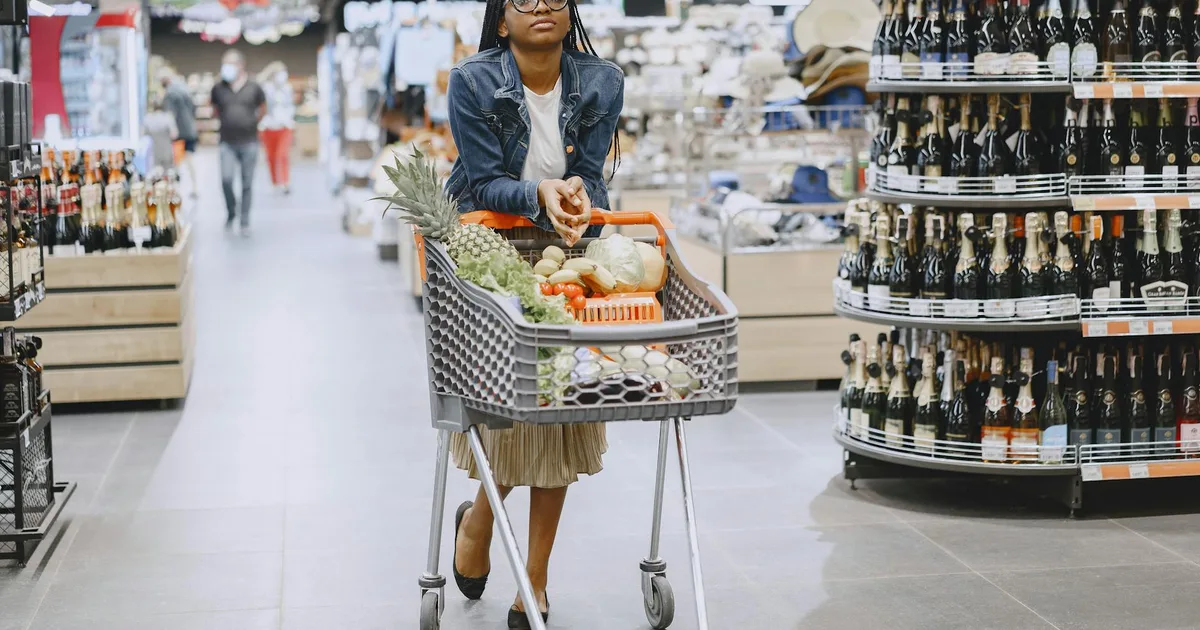
Salvage grocery stores go by a lot of names. Bent-n-dent stores, scratch and dent grocery, damaged goods grocery, discount food stores, whatever your region calls them, the concept is the same. These retailers buy merchandise that mainstream grocery chains can't or won't sell: overstock that didn't move, items with cosmetically damaged packaging, discontinued products, and goods from insurance claims after warehouse incidents. They turn around and sell it to shoppers at steep discounts, sometimes 30 to 70 percent below normal retail prices. For families trying to stretch a budget, that's a genuinely meaningful difference. And increasingly, environmentally-minded shoppers are drawn to these stores because buying this merchandise keeps it out of landfills.
So are these stores safe? That's the real question, and it deserves a real answer, not a vague "it depends." Let's get into it.
Myth #1: Salvage Grocery Stores Are Basically Unregulated Free-for-Alls
This is probably the most common thing people assume, and it's completely wrong. Salvage and discount grocery stores are subject to the same federal food safety framework as any conventional grocery retailer. That means the FDA's Food Safety Modernization Act applies to them. USDA oversight covers any meat and poultry products they carry. And at the local level, health departments issue operating licenses, conduct routine inspections, and can shut a store down just as fast as they can shut down a traditional supermarket.
What this means practically: a legitimate discount food store is required to maintain proper temperature controls for refrigerated and frozen goods, label products according to federal guidelines, and keep the facility free of pest activity. These aren't suggestions. A store that fails a health inspection faces the same consequences as any other food retailer, fines, required closures, loss of license.
Honestly, it surprised me the first time I looked into how much regulatory infrastructure actually exists around these places. You'd think the "discount" label meant corners were being cut legally, but the law doesn't make that distinction.
That said, enforcement varies. Regulations differ from state to state, and in cities with large concentrations of these businesses, Houston has 83 salvage and discount grocery listings alone, Brooklyn has 61, Philadelphia has 46, and Los Angeles has 41, local health departments carry different inspection schedules and compliance requirements. A store in one city might be inspected quarterly while a similar store in another city gets checked twice a year. That's not a loophole, it's just how decentralized food regulation works in the U.S. The rules exist everywhere; how aggressively they're enforced is the variable.
Any licensed food retailer should be able to show a current health inspection certificate, usually posted near the entrance or behind the register. If you don't see one and the staff can't produce it when asked, that's a real problem worth noting.
Myth #2: A Dented Can Means the Food Inside Is Ruined
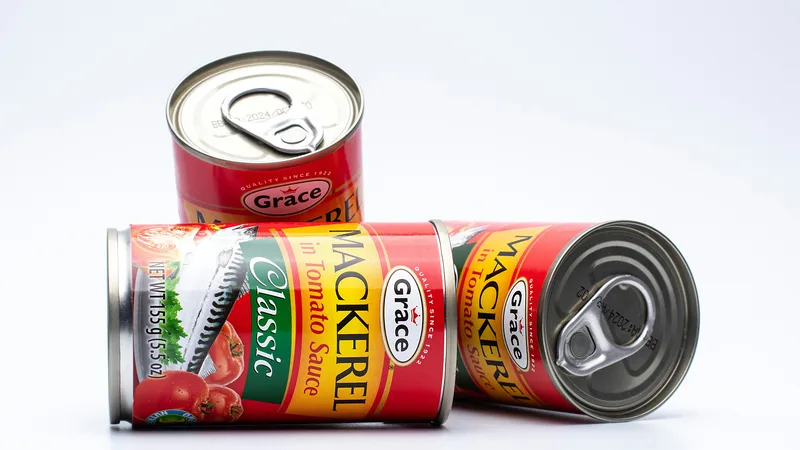
Not even close. But this myth has a grain of truth buried inside it, which is why it persists. Here's the actual distinction food safety experts draw: a dent on the body of a can, meaning the flat sides, is almost always cosmetic. In practice, the can's structural integrity is fine, the seal is intact, and the food inside is safe to eat. This is exactly the kind of product that ends up at a scratch and dent grocery store, dropped in a warehouse, slightly dinged, rejected by a major retailer's cosmetic standards, perfectly edible.
Typically, the dangerous dents are the ones on the seams or on the lid. Seam dents matter because that's where the can is sealed. A compromised seam can allow air and bacteria in, which creates conditions for botulism, a serious concern with canned goods. Same with deep dents that have sharp creases; those can cause micro-fractures in the metal lining that aren't visible but can contaminate the food. If a can has a lid that's bulging outward, put it down immediately. Swelling means gas is building up inside, which usually indicates bacterial activity.
So the rule isn't "avoid all dented cans." The rule is much more specific: avoid dented seams, swollen lids, cans with sharp crease dents, and anything that leaks or smells wrong when opened. A can with a shallow ding on its side? That's groceries on a budget working exactly as it should.
Same logic applies to torn labels. A missing or torn label doesn't affect the food at all, though it does mean you should check if the store has the product information posted somewhere else, since you still need to know what you're buying and whether there are any allergy-relevant ingredients.
Myth #3: Expiration Dates at These Stores Are Always Dangerously Past Due
Here's where people get confused about what those dates actually mean, and it matters a lot for shopping at a discount grocery store.
"Best by" and "use by" are not the same thing, and neither one automatically means the food is unsafe after that date. "Best by" is a quality indicator, the manufacturer is telling you that the product is at peak flavor, texture, or freshness before that date. After that date, it might taste slightly different, but it's not inherently dangerous. "Use by" is closer to a safety-relevant date and applies mainly to perishable items like dairy, deli meat, and fresh-packaged items. "Sell by" is an inventory management tool for retailers, not a consumer safety date at all.
A can of soup that's two months past its "best by" date is almost certainly fine to eat. A container of pre-sliced deli turkey that's a week past its "use by" date is a different story entirely. Knowing this distinction makes shopping at these stores dramatically less stressful and more rational.
What reputable bent-n-dent stores do is price accordingly. Items closer to or past their best-by dates are marked down more steeply. That's the whole economic model, the store pays less for merchandise that conventional retailers can no longer move, and passes the savings to shoppers. A good facility will clearly mark which items fall into which category so you can make an informed choice. If a store is not doing that, if dates are scratched off or totally absent, walk away.
Sell By: For the store, not you. Food is still good after this.
Best By / Best If Used By: Quality peak. Often fine weeks or months after.
Use By: Most safety-relevant. Take this one seriously, especially on perishables.
Myth #4: These Stores Have Low Ratings Because Shoppers Don't Trust Them
As a rule, the data says the opposite. Across 3,183 salvage and discount grocery businesses currently listed in our directory, the average customer rating is 4.3 stars. That's not a marginal pass, that's a strong score by any measure. For context, plenty of conventional grocery chains hover around 3.8 to 4.1 in consumer reviews.
At the top end, the numbers get even more striking. Salvage Saviors in Katy, Texas holds a 5.0-star rating based on 718 reviews. That's not a fluke; that's a consistent pattern of shopper satisfaction at real scale. Re_ Grocery in Studio City, California and their Los Angeles location both sit at 5.0 stars with 224 and 191 reviews respectively. These aren't obscure shops with a handful of loyal regulars, they're building genuine community trust at volume.
(Worth noting: the directory also pulled a couple of 5.0-star listings, House of Milner Jewelers and Hegwood's Towing, that appear to be data classification quirks rather than actual grocery operations. For most shoppers, the grocery-specific businesses, though, tell a clear story.)
High ratings at this scale indicate something real. Shoppers are returning. They're finding value. They're not getting sick or feeling deceived. The 4.3-star average across thousands of businesses reflects an industry that has largely earned consumer trust, not one that's skating by on desperation shopping.
| Business Name | Location | Rating | Reviews |
|---|---|---|---|
| Salvage Saviors | Katy, Texas | 5.0 ★ | 718 |
| Re_ Grocery | Studio City, California | 5.0 ★ | 224 |
| Re_ Grocery | Los Angeles, California | 5.0 ★ | 191 |
Myth #5: You Can't Really Tell a Safe Store From a Sketchy One Until It's Too Late
You absolutely can. And doing it takes maybe five minutes of paying attention when you walk in.
Start with the basics. Is the store organized? Salvage inventory is often varied and unpredictable, but a well-run damaged goods grocery will still have clear signage, grouped products, and visible pricing. Bins of unlabeled mystery items with no price or product information posted nearby are a yellow flag. Not necessarily a dealbreaker on their own, but worth noting.
Smell matters more than people realize. A functioning grocery store, even one selling discount merchandise, should not have a strong odor of rot, mildew, or ammonia. Any of those smells means something is wrong: either food has spoiled and isn't being removed promptly, or there's a moisture issue, or there's pest activity. Pest evidence is serious. Droppings, gnaw marks on packaging, or damaged bags that look chewed rather than torn by handling, those are reasons to leave and report to your local health department.
Check the cold cases. A refrigerated case should be cold enough that you feel it clearly when you open it. Frost-free doesn't mean warm. If items in a freezer case feel soft or show ice crystals on the outside of packaging in uneven patterns, that indicates thawing and refreezing has occurred, which degrades food safety. Thawed and refrozen meat is a particular concern.
One more thing that most shoppers skip: look for the health inspection certificate. It's usually posted near the entrance. A current certificate doesn't guarantee perfection, but its absence is genuinely telling. Ask staff if you don't see it. A reputable store will have it and won't find the question weird.
And if you do encounter a problem, pest evidence, visibly spoiled product being sold, no licensing documentation, products from sources you cannot verify, report it. Your local health department has a complaint line. Using it isn't being difficult. It protects the next shopper, and it holds stores accountable in a way that a bad online review simply doesn't.
✓ Health inspection certificate visible
✓ Products clearly labeled with price and date information
✓ No strong odors of rot or mildew
✓ Cold cases actually cold, freezers actually frozen
✓ No evidence of pest activity on packaging or shelving
✓ Dents on can bodies only, not on seams or lids
✗ Swollen or bulging packaging = leave it
✗ Unlabeled bins with no product info = ask or skip
What This Means For You
Salvage grocery stores are a legitimate, regulated, and increasingly popular way to buy food for less. With over 3,000 businesses listed nationally and a 4.3-star average across the board, this isn't a fringe market anymore, it's a real grocery option that millions of people use regularly and trust.
Shopping smart at a discount grocery store is mostly about knowing the specific things that actually matter for safety: seam dents versus body dents, "best by" versus "use by," cold cases that are genuinely cold, and stores that have their inspection paperwork visible and their products clearly marked. Those aren't complicated checks. They take a couple of minutes and become second nature fast.
Skip the stores that feel disorganized or smell wrong. Give your business to places like Salvage Saviors or Re_ Grocery that have built hundreds of five-star reviews by doing this right. When you're looking for where to find discounted groceries in your area, our directory is a solid starting point, 3,183 listings with real ratings from real shoppers who've already done the vetting for you.
Most savings are real. These safety is manageable. And once you know what you're looking at, shopping these stores stops feeling uncertain and starts feeling like a genuinely smart choice.
Are salvage grocery stores inspected by health departments?
Yes. Legitimate salvage and discount grocery stores are required to hold food retailer licenses and are subject to health department inspections just like conventional grocery stores. Inspection frequency varies by state and city, but the legal requirement applies equally to all food retailers.
How can I tell if a dented can is safe to buy?
A dent on the flat body of a can is generally safe, it's cosmetic damage that doesn't affect the food inside. Avoid cans with dents on the seams or lids, cans with sharp crease dents, and any can that has a swollen or bulging lid. Those are signs of potential contamination or seal failure.
What do "best by" and "use by" dates actually mean?
"Best by" is a quality date, not a safety date. Food past its "best by" date may taste slightly different but is usually safe. "Use by" is more safety-relevant and applies mainly to perishables like dairy and fresh meat. "Sell by" is for store inventory management and not a consumer safety indicator at all.
What should I do if I find a problem at a salvage grocery store?
Report it to your local health department. Most have an online complaint form or phone line. You can report issues like pest evidence, unlicensed operation, spoiled products being sold, or improper refrigeration. Reporting protects other shoppers and holds stores accountable.
Where can I find reputable salvage and discount grocery stores near me?
Our business directory lists 3,183 salvage and discount grocery operations across the country, with customer ratings to help you find well-reviewed options in your area. Top markets include Houston (83 listings), Brooklyn (61 listings), Philadelphia (46 listings), and Los Angeles (41 listings).
Find Discount Grocery Stores Near You
Browse our directory of 3,183+ salvage and discount grocery businesses, complete with real customer ratings to help you shop smart and save more.
Search the Directory