How to Start Shopping at Salvage Grocery Stores Effectively (And Actually Save Real Money)
You're standing in a regular grocery store, watching the total climb past $180 for stuff that's supposed to last two weeks, and you're thinking: there has to be a better way. There is. But most people have never heard of it, or if they have, they assume it's some sketchy setup where the food is half-rotten and the store smells bad.
That assumption is wrong. And it's costing you real money every single week.
Salvage grocery stores, also called bent-n-dent stores, scratch and dent grocery shops, discount food stores, or damaged goods grocery outlets, are a legitimate, well-established part of American retail. With over 3,183 businesses listed across major U.S. cities, this is not some fringe thing happening in one or two towns. This guide covers what these stores actually are, why people get them wrong, and how to shop them so you walk out with real savings, not a cart full of stuff you don't need.
Myth #1: Salvage Grocery Stores Sell Food That's Unsafe or Already Expired
This is the big one. It stops a lot of people from ever walking through the door. And honestly, it makes sense that people worry, "damaged goods grocery" does not exactly sound appetizing on the surface.
Here's what actually happens at these stores. Manufacturers and distributors end up with inventory they cannot sell through normal retail channels for reasons that have nothing to do with food safety. A shipment of soup cans arrives at a warehouse with labels that printed wrong. A retailer discontinues a product line and needs to move the remaining stock fast. A pallet of cereal boxes gets a corner crushed during shipping. None of that affects what's inside the packaging. The food is fine.
There's a meaningful difference between cosmetic damage and actual food compromise. A dented can is worth inspecting, if the dent is on a seam or the can is bulging, skip it. But a label that's torn, a box that got squished, or a snack bag that arrived in a mixed lot with other overstock? That's all just packaging. You were going to throw it out anyway.
"Best by" dates are a different conversation too. Most people do not realize that "best by" dates are quality indicators set by manufacturers, not hard safety deadlines. Dry goods, canned foods, snacks, and many condiments are often perfectly fine for months past those dates. Salvage grocery stores typically sell products that are short-dated, meaning close to but not past their date, or products where the date has technically passed but the food quality is still solid. You're not eating spoiled food. You're eating food that a supermarket would pull from shelves to make room for fresher stock, even though what's being pulled is still good.
Before you put anything in your cart, give it a five-second check. Canned goods: no seam dents, no bulging, no rust. Dry goods: packaging sealed, no moisture inside. Frozen items: no signs of thaw-and-refreeze like ice crystals coating the outside of the bag. That's it. Five seconds.
Look at the customer data. Across 3,183 listed businesses, the average rating sits at 4.3 stars. Salvage Saviors in Katy, Texas has 718 reviews and holds a perfect 5.0. Re_ Grocery in Studio City, California, a discount grocery model built around rescued food, also sits at 5.0 with 224 reviews, and their Los Angeles location has 191 reviews at the same rating. Shoppers are not leaving those ratings while complaining about bad food. They're coming back.
Myth #2: These Stores Are Hard to Find and Only Exist in Small Towns
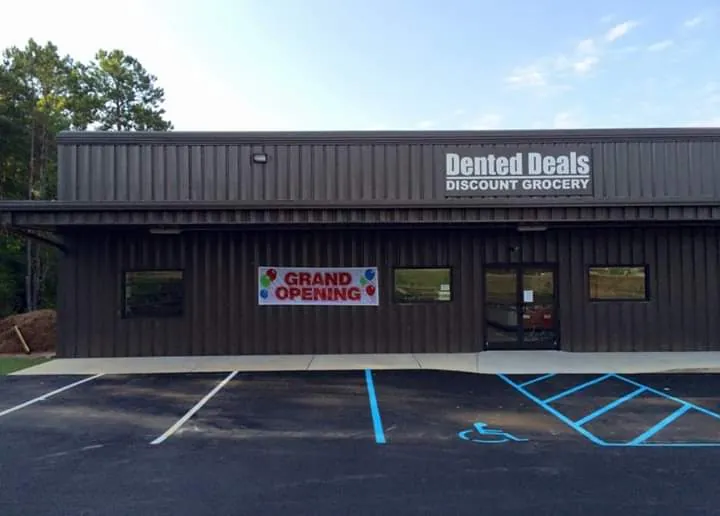
People picture a bent-n-dent store as some barn on a rural highway where the owner's cousin runs the register on Tuesdays. That image is outdated and mostly wrong.
Houston alone has 83 discount grocery listings. Brooklyn has 61. Philadelphia has 46. Los Angeles has 41. Those are not small towns. Urban areas actually have strong concentrations of these stores because the supply chain infrastructure is there, distributors, regional warehouses, and retail closeout operations all cluster around cities. Which means if you're in or near a major metro, you almost certainly have options within a reasonable drive.
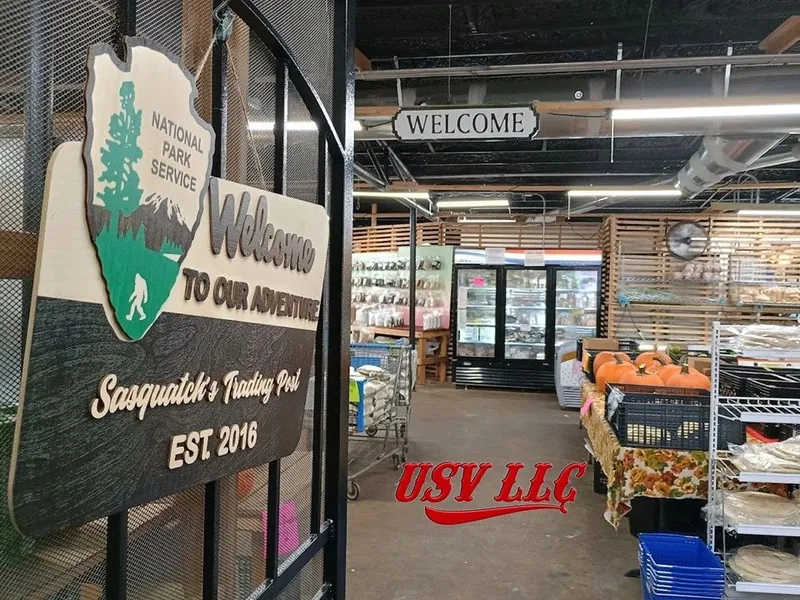
And the range of what counts as a "salvage grocery store" is broader than most people assume. Independent bent-n-dent shops are one end of it, family-run, unpredictable inventory, sometimes cash-only. Regional chains like Grocery Outlet are the other end, more structured, consistent hours, loyalty programs. Both count. Both save you money. Between those two poles, there's a whole spectrum of discount food stores, buying clubs, salvage-focused co-ops, and overstock retailers that function basically the same way.
Finding them is not complicated. Search "discounted grocery store near me" or "food salvage store" on Google and you'll get results. Local Facebook groups are genuinely useful here, people share finds constantly, and a group for your city or neighborhood might have a pinned post listing every discount grocery option in the area. Check the group before you do anything else.
Call the store before you visit. That's not optional for your first trip. Inventory at these places changes fast, and hours are sometimes irregular compared to traditional supermarkets. Nothing worse than driving 25 minutes to find out they're closed on Mondays or that they sold out of everything good the day before.
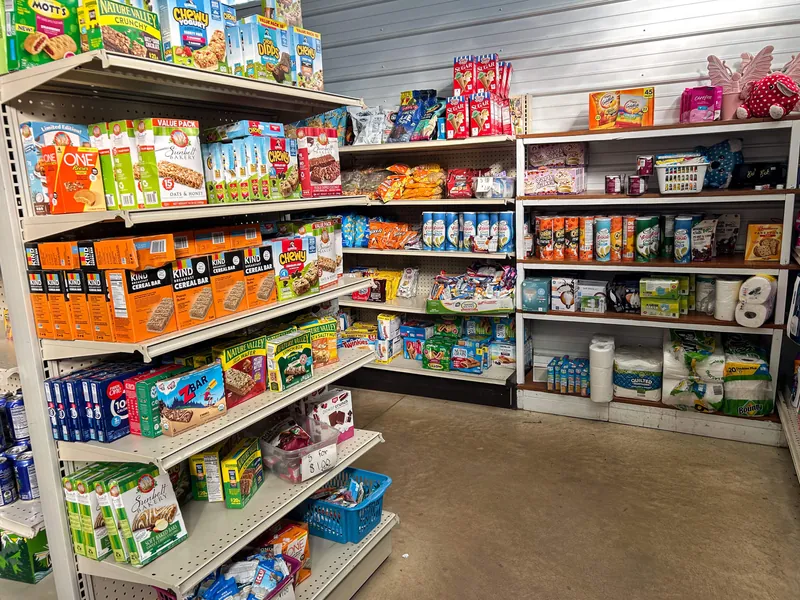
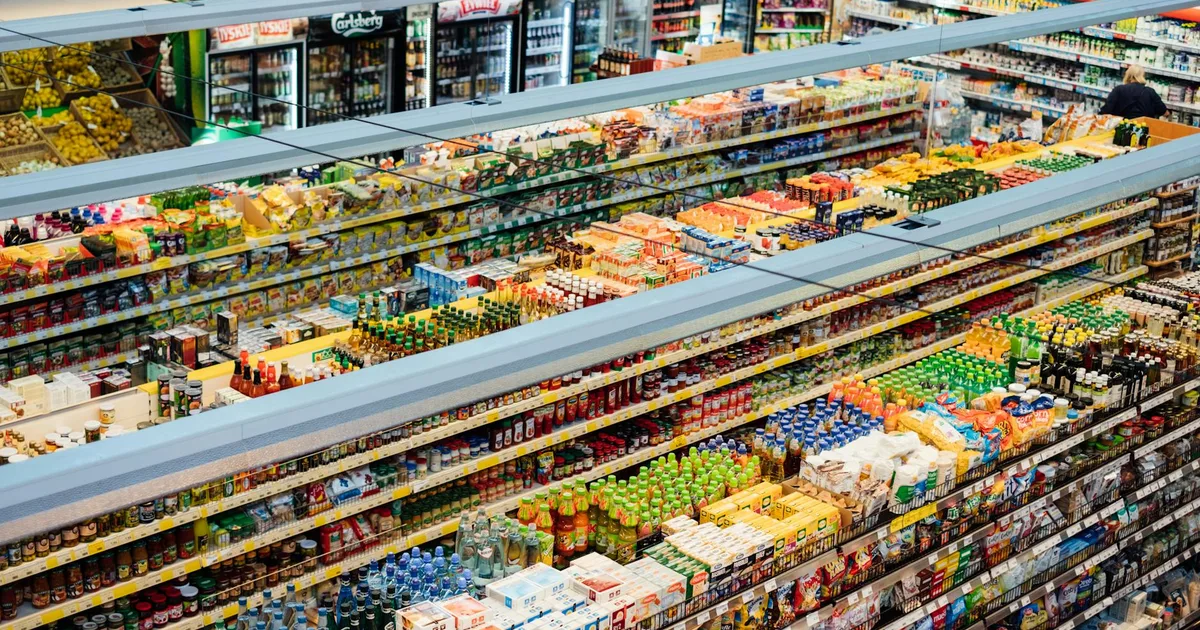
[INLINE_IMAGE_1: discount-grocery-store-canned-goods-shelves.jpg] [INLINE_ALT_1: Rows of name-brand canned goods and packaged snacks on salvage grocery store shelves at steep discounts]Myth #3: You Won't Find Anything You Actually Want to Buy
This one comes from people who picture salvage stores as the Island of Misfit Products, weird off-brand stuff nobody's ever heard of, in flavors that didn't sell for a reason.
Sometimes that's partly true. But name-brand products show up constantly. Think about how overstock works: a major manufacturer overproduces a seasonal item, and now they need to move 40,000 units of something before the season ends. That product ends up in the salvage supply chain. A regional grocery chain gets bought out and liquidates store-brand inventory. That goes somewhere too. The result is that a good scratch and dent grocery shop on a good week might have Heinz ketchup, name-brand pasta, Gatorade, and Oreos, all at 40-70% off what you'd pay at a regular supermarket.
Categories that tend to offer the best savings: canned goods, dry pantry staples, snacks, beverages, condiments, and frozen foods. Buy in bulk when you find something great in those categories. If there are 30 cans of your favorite soup at 60% off, get 15. These are not perishables. You're not going to regret it.
Fresh produce and dairy are trickier. Some salvage stores carry them, and you can find good deals, but you need to inspect everything more carefully and plan to use it within a day or two. Do not buy a flat of strawberries at a discount food store and assume they'll last a week. They won't. Perishables at these stores are high-risk, high-reward. Everything else is pretty low-risk.
Walking into one of these stores for the first time, you'll notice the layout is different from a normal grocery store. Minimal signage. Inventory piled in ways that seem random. No obvious logic to where things are. (I once found peanut butter in the aisle between cleaning supplies and paper towels, not because of a mistake, just because that's where there was space.) Don't fight the layout. Wander. That's actually how you find the best stuff.
Go in without a list. Seriously. Bring a rough idea of what you'd normally buy, staples, snacks, pantry items, but do not lock yourself into specific products. Flexibility is the whole game at a salvage grocery store. If you came for tomato sauce and they have none, but there are 50 jars of a name-brand pasta sauce at $0.75 each, that's a win.
Myth #4: Shopping at Discount Grocery Stores Is Complicated or Requires Special Knowledge
People see articles about shopping at these stores and think it's some elaborate system they have to master before they can save money. It isn't.
There are a few habits that experienced shoppers develop, but they're not complicated. Check dates. Inspect packaging. Buy multiples of non-perishables you know you'll use. Be flexible. That's basically the whole system. You can learn it in one trip.
Experienced shoppers do a few other things worth copying. They shop early in the week when new stock has often just arrived. They check the store's social media pages, because some salvage and discount grocery stores post photos of new inventory on Facebook or Instagram, which lets you know whether the drive is worth it before you leave home. They bring reusable bags because sometimes these places don't have great bagging situations. And they bring cash as a backup because smaller bent-n-dent stores sometimes don't take cards or have card minimums.
Wait, that last point deserves a bit more emphasis. Payment methods matter. Before your first visit to any store you haven't been to before, check whether they take cards or EBT. Some do, some don't. Most of the larger grocery outlet-style stores accept everything. In practice, the small independents are where you might run into cash-only situations.
Ratings and reviews are your friend when scoping out a new store. Before visiting somewhere for the first time, read 10-15 recent reviews. Look for comments about whether the store is clean, whether the staff is helpful, and whether people feel like they actually got good deals. A 4.3-star average across thousands of listings nationally tells you that most of these stores are genuinely good experiences. But individual stores vary, and a 2.8-star store with complaints about expired food and dirty conditions deserves to be skipped.
Myth #5: You'll Only Save a Little Bit, Not Enough to Be Worth the Effort
This is the myth that does the most damage, because it's the one that keeps otherwise frugal, budget-conscious people from trying these stores at all.
Savings at salvage grocery stores are not marginal. They're substantial. Most experienced shoppers report saving 40-70% compared to what the same products would cost at a traditional supermarket. On a $200/week grocery budget, that's potentially $80-140 back in your pocket every single week. Over a year, that number becomes genuinely life-changing for a lot of households.
Here's what nobody tells you about groceries on a budget: the effort-to-savings ratio at these stores is way better than couponing. Couponing takes hours of preparation to maybe save $20-30 on a shop. Walking into a well-stocked discount grocery store and buying stuff you were going to buy anyway, at 50% off, takes no preparation beyond knowing the store exists.
Typically, the strategy that actually works is using these stores for your staples and pantry items, then supplementing at a regular grocery store for specific fresh items you need. You're not replacing your entire grocery routine overnight. You're adding a tool. Stock up on canned goods, pasta, snacks, beverages, and condiments at the salvage store. Get your fresh produce and specific perishables wherever works for your family.
One more thing. Stores like Salvage Saviors in Katy, Texas have built 718 reviews and a 5-star rating by being good at exactly this: offering real products at real discounts, consistently. That doesn't happen by accident and it doesn't happen without genuine value to customers. Re_ Grocery in California built a whole business model around rescued and surplus food specifically because there's real demand for affordable, quality groceries that don't belong in a landfill. These aren't desperation shops. They're smart shopping destinations.
Top-Rated Salvage & Discount Grocery Businesses
| Business Name | Location | Rating | Reviews |
|---|---|---|---|
| Salvage Saviors | Katy, Texas | 5.0 ★ | 718 |
| Re_ Grocery | Studio City, California | 5.0 ★ | 224 |
| Re_ Grocery | Los Angeles, California | 5.0 ★ | 191 |
What This Means For You
Stop letting myths keep money in the grocery store's pocket instead of yours. Salvage grocery stores are real, widespread, well-reviewed, and genuinely worth your time if you care about your food budget at all.
Start simple. Find one discount grocery store near you using Google, a local Facebook group, or a business directory. Go once with no expectations and no rigid list. Spend an hour. See what you find. If you walk out having spent $40 on $90 worth of groceries, you'll understand immediately why people make these stores part of their regular routine.
The 4.3-star average rating across more than 3,183 businesses is not a fluke. These stores work. As a rule, the people shopping them know it. You should too.
Bring cash as a backup. Check the store's social media for recent inventory posts. Go without a rigid list. Inspect dates and packaging on anything you buy. If you find a great deal on a non-perishable, buy enough to last. And go early in the week for the best selection.
Are salvage grocery store products actually safe to eat?
Yes, in the vast majority of cases. Most products end up in salvage channels because of cosmetic packaging damage, overstock situations, or discontinued product lines, not because of food safety issues. Always inspect canned goods for seam dents or bulging, and check dates on anything perishable. But a crushed box or a torn label means nothing about the food inside.
What's the difference between a bent-n-dent store and a regular discount grocery store?
Bent-n-dent stores specifically specialize in products with cosmetically damaged packaging, the dented cans, crushed boxes, and mislabeled goods. A broader discount grocery store might also carry overstock, closeout items, and short-dated products that have no packaging damage at all. In practice, most salvage-style stores carry a mix of both.
How do I find a salvage grocery store near me?
Search "discounted grocery store near me" or "food salvage store" on Google. Check local Facebook community groups. Use grocery business directories. Cities like Houston (83 listings), Brooklyn (61), Philadelphia (46), and Los Angeles (41) have strong concentrations. Call ahead before your first visit since hours and inventory change frequently.
What should I buy and what should I avoid?
Best categories: canned goods, dry pantry staples, snacks, beverages, condiments, and frozen foods. Be cautious with: fresh produce and dairy, which require careful inspection and quick use. Buy multiples of non-perishables when you find a great price. Skip anything with seam-dented cans, signs of moisture damage in dry goods, or obvious thaw-and-refreeze on frozen items.
Do these stores take EBT or credit cards?
Larger discount grocery chains typically accept EBT, credit, and debit. Smaller independent bent-n-dent stores sometimes operate cash-only or have card minimums. Check before you go. Call the store or look at recent reviews mentioning payment methods.
Find a Discount Grocery Store Near You
Browse our directory of 3,183+ salvage and discount grocery businesses across the U.S. Filter by city, read real customer reviews, and find your closest store before you make the drive.
Search the Directory