Mastering the Art of Shopping at Salvage Grocery Stores: Essential Tips and Insights
Most people walk past salvage grocery stores assuming they're only for desperate budgets or risky food. The data tells a different story. Across 3,183 listed salvage and discount grocery businesses in the U.S., the average customer rating sits at 4.3 stars, that's higher than many conventional supermarket chains pull on review platforms. These aren't sketchy back-alley operations. They're a legitimate, fast-growing sector of the grocery industry that smart shoppers have been quietly exploiting for years.
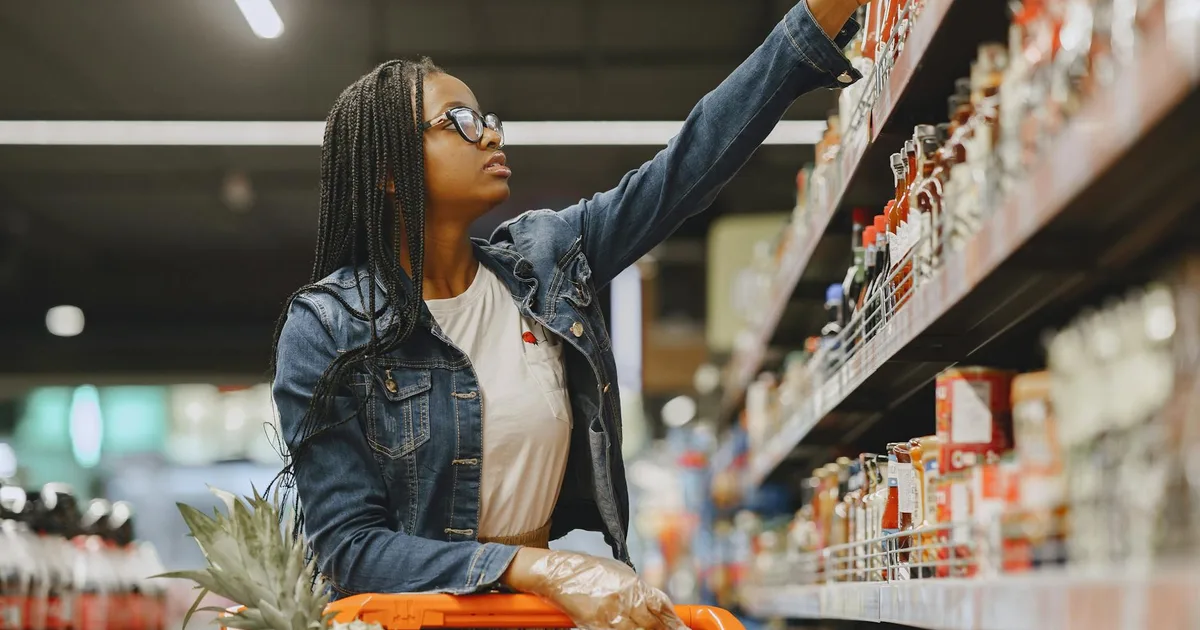
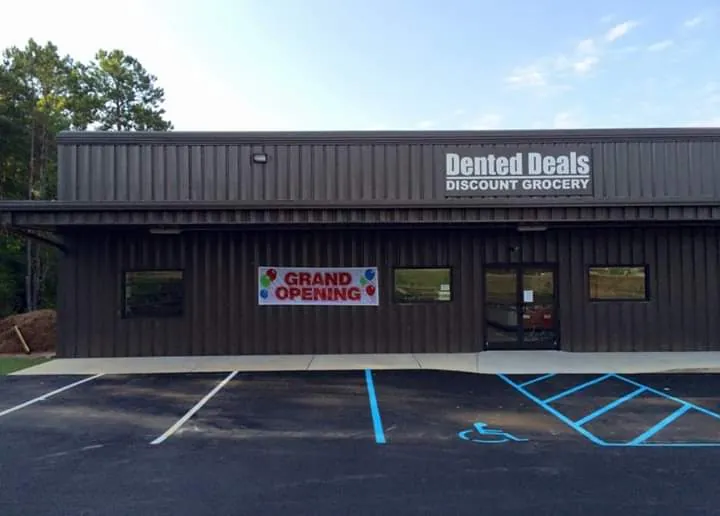
Salvage grocery stores go by a lot of names. You might see them called bent-n-dent stores, scratch and dent grocery shops, discount food stores, or grocery outlets depending on where you live. Some people just search "discounted grocery store near me" and stumble onto one for the first time. However you find them, the shopping experience is different enough from a regular supermarket that it pays to know what you're doing before you walk in. This article covers exactly that: real strategies, real numbers, and the kind of practical guidance that actually changes how much you spend on food each month.
1. Understand What a Salvage Grocery Store Actually Is
A salvage grocery store sources its inventory from situations that normal supermarkets can't or won't deal with: overstock from manufacturers, discontinued product lines, items with cosmetically damaged packaging, and goods that are close to their best-by dates. Retailers return these products rather than mark them down, and salvage stores buy them in bulk at steep discounts, then pass a portion of those savings to shoppers. A dented can of soup is still soup. A box of cereal with a torn corner tastes exactly the same as one with perfect cardboard.
Here's where a lot of first-timers get tripped up: the difference between "best-by" and "expiration" dates. Best-by dates are quality indicators set by manufacturers, not safety cutoffs determined by food scientists or regulators. A best-by date tells you when a product is at peak flavor or texture, not when it becomes dangerous. True expiration dates, the kind that signal actual safety concerns, appear mostly on infant formula and certain medications. Canned goods, dry pasta, condiments, crackers, and most shelf-stable items can remain perfectly safe and usable weeks or even months past the best-by date printed on the package. The USDA has stated this clearly, yet the myth persists that anything past a printed date is trash.
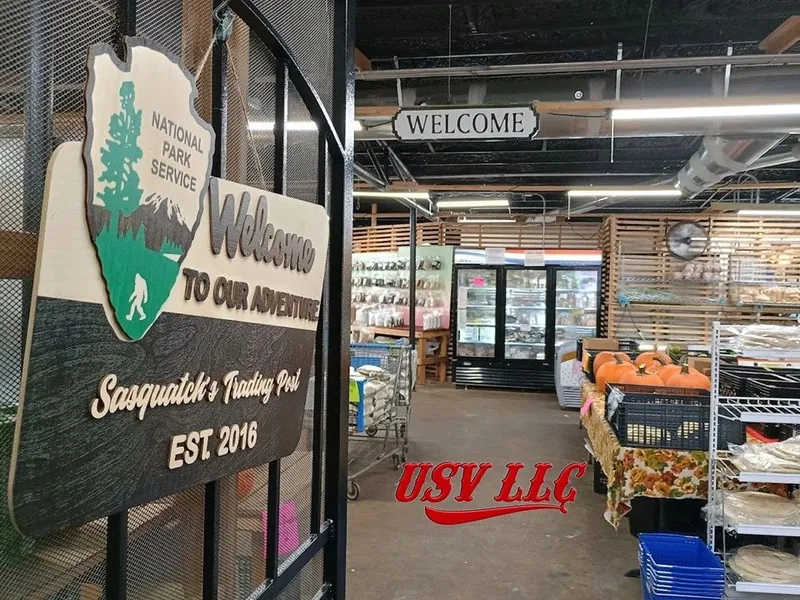
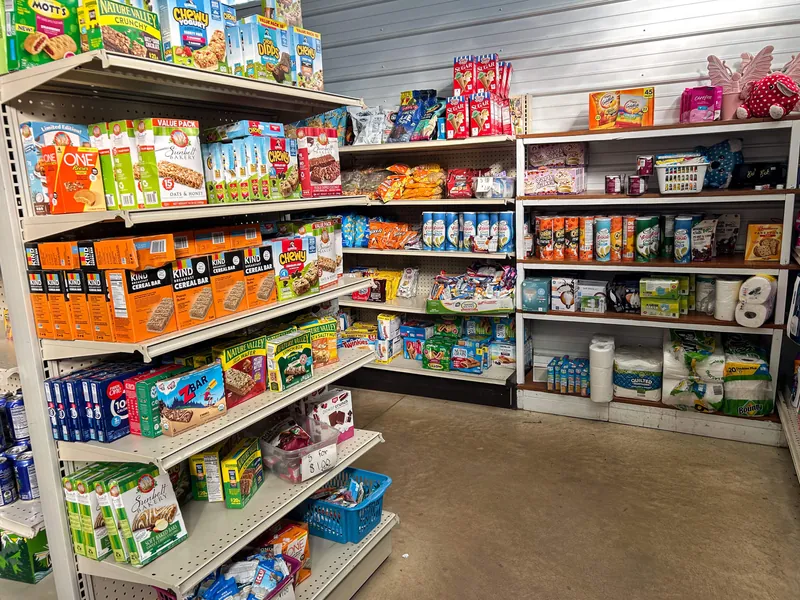
Walking into one of these stores for the first time can be a little disorienting. Inventory changes constantly. A pallet of name-brand pasta sauce might be there Tuesday and completely gone by Friday. Shelves don't always have consistent facings or organized category sections the way a traditional grocery store does. Some discount food stores feel more like a warehouse than a supermarket, with products stacked on pallets and hand-written price signs. That's normal. It's part of the model.
Best-by dates are about quality, not safety. Most shelf-stable products are perfectly fine past these dates. Only infant formula has a federally regulated expiration date in the U.S. When in doubt on a specific product, the USDA's FoodKeeper app gives category-specific guidance.
2. Know the Real Numbers Before You Shop
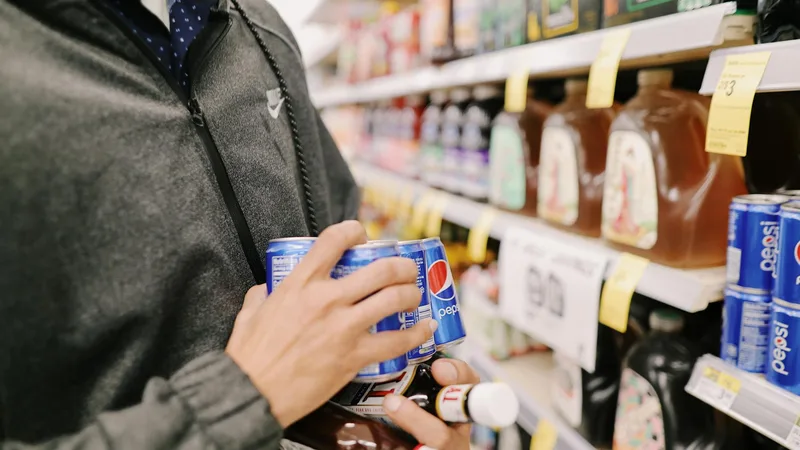
3,183 businesses. That's not a niche category anymore. For context, that's more locations than many regional pharmacy chains. And at 4.3 stars average across thousands of reviews, the sector outperforms what most people expect from a damaged goods grocery operation. Houston leads with 83 listings, followed by Brooklyn with 61, Philadelphia with 46, and Los Angeles with 41. That geographic spread tells you something important: these stores aren't concentrated in low-income rural areas the way the stereotype suggests. They're thriving in dense, urban markets where shoppers have plenty of options and still choose to go here.
Some specific businesses really stand out in the data. Salvage Saviors in Katy, Texas holds a 5.0-star rating across 718 reviews. That's not a fluke, 718 reviews is a statistically meaningful sample, and a perfect rating there means consistent execution over hundreds of transactions. Re_ Grocery appears twice in the top-rated list, with a 5.0 from 224 reviews in Studio City, California and another 5.0 from 191 reviews in Los Angeles. Two separate locations, both perfect. That signals a well-run operation worth tracking down if you're in Southern California. There's also House of Milner Jewelers listed at 5.0 stars in Philadelphia, which, yes, is a jeweler, not a grocery store, and appears to have landed in this directory category by some quirk of classification. Happens sometimes with broad directory databases.
Cities with 40+ listings mean you probably have multiple salvage grocery store options within a reasonable drive. That's leverage. You can comparison shop across locations, find the one that consistently stocks what you need, and skip the ones that don't. Shoppers in smaller markets with fewer listings need to be more strategic, which is covered below.
| Business Name | Location | Rating | Reviews |
|---|---|---|---|
| Salvage Saviors | Katy, Texas | 5.0 ★ | 718 |
| Re_ Grocery | Studio City, California | 5.0 ★ | 224 |
| Re_ Grocery | Los Angeles, California | 5.0 ★ | 191 |
3. Bring a Flexible List, Not a Fixed One
Rigid shopping lists will frustrate you at a scratch and dent grocery store every single time. Contrary to popular belief, the best approach is not to go in with a full week's meal plan locked in. Go in with categories instead. "Canned protein," "pasta or rice," "breakfast items," "condiments", that kind of list lets you buy what's actually there rather than leaving empty-handed because the exact brand you wanted isn't on the shelf today.
Budget flexibility matters too. Set a spending ceiling, not a specific dollar target tied to a predetermined basket. If a store gets in a big shipment of name-brand olive oil at 60% below retail, you want to have room in your budget to grab three bottles. Shelf-stable items that you use regularly are almost always worth buying in multiples when the price is right. That's especially true at discount grocery stores, where the same product may not appear again for months.
One more pre-shopping habit that pays off: call ahead or check social media before you drive over. A lot of these stores post new shipment announcements on Facebook or Instagram. Salvage inventory can move fast, sometimes within hours of hitting the shelf. Knowing that a particular store got a pallet of name-brand canned tomatoes in on Wednesday morning changes your week if you've been waiting for that specific item.
4. Learn How to Inspect Products Properly
Not all damage is equal. A shallow dent on the side of a can, the kind that comes from being stacked or jostled during shipping, is cosmetic. It does not compromise the food inside. What you're actually checking for is dents along the seam or rim of the can, which can break the seal, or any signs of rust, swelling, or leaking. A swollen can is a hard no regardless of price. Botulism is not a bargain.
For packaged dry goods, check that inner seals are intact. A bag of rice with a torn outer package but a sealed inner lining is perfectly fine. A box of crackers where the inner bag has been opened or punctured is different; moisture can degrade the product even if it's still technically within date. Take thirty seconds to actually feel the package. Soft spots in bread, unusual firmness in products that should be pliable, or any discoloration visible through clear packaging are all reasons to put it back.
Frozen items need the same scrutiny. Freezer burn doesn't make food unsafe, but large ice crystals on meat or vegetables can indicate the product thawed and refroze at some point. That affects texture significantly, though it's still edible. For anything requiring temperature control, check that the freezer or refrigerator case is actually cold. A discount food store with a malfunctioning cooler is a store you should walk out of.
Safe to buy: Side dents, label tears, minor scuffs, faded packaging.
Leave it behind: Seam or rim dents, rust, swelling, leaking, any can that spurts liquid when opened.
5. Prioritize the Right Product Categories
Not everything at a bent-n-dent store offers the same savings potential. Canned goods are almost always worth buying here, they're shelf-stable for years, the damage risk is easy to assess visually, and the savings against retail can hit 40% to 70% depending on the product. Dry pantry staples like pasta, rice, dried beans, oats, and flour are similarly low-risk and high-reward at these places.
Condiments deserve a special mention. Ketchup, mustard, hot sauce, salad dressing, soy sauce, these items often show up at salvage stores simply because a manufacturer changed their label design or a retailer over-ordered for a season. Functionally identical to what's on a regular grocery store shelf, often 50% cheaper. Same with spices. A jar of cumin with a slightly damaged label contains the same cumin.
Name-brand items specifically are where the math gets interesting. Store-brand staples at a regular grocery store might cost $1.29. A name-brand version of the same item at a scratch and dent grocery might be $0.89 because it's from an overstocked run. You end up with a better product for less money. That happens more often than people expect. Contrary to what you might assume, these stores don't just carry obscure brands, they regularly stock recognizable national labels.
Categories to be more careful with: fresh produce (unless you know the store has high turnover), refrigerated items with very short remaining shelf life, and anything with complex multi-component packaging where one damaged piece compromises the rest. Vitamins and supplements are often fine, but check that the seal is intact and the date hasn't passed.
6. Use Online Directories and Local Networks to Find Stores Near You
Searching "food salvage store" or "discounted grocery store near me" pulls up a mix of directory listings, Google Maps results, and local business pages. Start with a grocery-specific directory if you can find one, they tend to have more accurate category filtering than general search. Look for listings with at least 20 reviews before trusting the rating, since a 5-star store with 3 reviews doesn't tell you much. At the sector average of 4.3 stars across thousands of listings, you have a reasonable benchmark: a store below 3.8 stars with substantial reviews is worth approaching cautiously.
Community Facebook groups are genuinely underrated for this. Local buy-nothing groups, neighborhood pages, and coupon communities often surface salvage grocery store deals before they appear anywhere else. Someone will post a photo of a pallet of name-brand pasta they found for $0.50 a box, tag the store, and suddenly you know exactly where to go Thursday morning. Neighborhood apps like Nextdoor work similarly.
Word of mouth still moves faster than most digital tools for hyper-local stuff like this. If you know anyone who's frugal about groceries, ask them directly. People who shop at these places regularly tend to be enthusiastic about sharing because the savings feel personal and concrete. A $200-a-month grocery budget that used to be $380 is the kind of change people talk about.
7. Stack Your Savings Strategies for Maximum Impact
Salvage grocery shopping works even better when combined with other savings tactics. Couponing directly at these stores is less common because inventory doesn't match standard coupon releases, but manufacturer coupons sometimes apply to items you find here. It's worth checking your coupon apps before shopping; a 25-cent coupon on an item already priced at 60% off turns a good deal into a great one.
Meal planning around what's available, rather than planning meals first and then shopping, is probably the single most effective mindset shift for regular salvage shoppers. It sounds backwards to people used to traditional grocery shopping, but it's actually how most serious savings happen. You find 12 cans of coconut milk for $0.75 each. You now make a lot of Thai-inspired dishes that month. Total food cost drops, variety stays interesting, nothing goes to waste.
Bulk buying shelf-stable items when prices are low is also worth thinking through carefully. Storage space is the real constraint. If you have the space to store 24 cans of black beans at $0.45 each, that's a better investment than buying 4 cans at $1.10 at a regular store three times over the next few months. The math on bulk buying shelf-stable items at salvage prices is almost always favorable.
Building a relationship with the staff at your regular bent-n-dent store matters more than most guides acknowledge. Staff know when trucks arrive, which items are about to get marked down further, and whether there's a back-stock of something you've been looking for. A quick genuine conversation goes a long way. These aren't big-box warehouse operations with rigid protocols; most are smaller businesses where the people working there actually know the inventory.
Track your spending. Seriously, just keep a simple note on your phone with what you spent and roughly what the same basket would have cost at a regular store. After a few months, the savings number becomes concrete and motivating in a way that abstract advice about budgeting never is. Some regular salvage shoppers report 30% to 50% reductions in monthly grocery spend. That's not theoretical, that's $100 to $200 back in your pocket every month for a family of four.
Keep a simple note each shopping trip: what you spent, and the estimated retail price of the same items. After 60 days, total both columns. Most regular salvage shoppers are surprised by how fast the gap adds up.
8. Don't Let the Stigma Stop You
There's still a social awkwardness around discount grocery shopping that doesn't attach to, say, using a coupon app or waiting for a sale. In practice, the data doesn't support the stigma. A 4.3-star average across 3,183 businesses means real shoppers, in large numbers, are having consistently good experiences at these stores. Salvage Saviors in Katy, Texas has 718 reviews at a perfect 5.0. That's not a store people are embarrassed to talk about. That's a store people are recommending enthusiastically to their friends.
Groceries on a budget used to carry a connotation of hardship. That framing is shifting, and the sector's growth supports it. Younger shoppers especially are gravitating toward salvage and scratch and dent grocery options not just because of price, but because buying near-expiry or cosmetically damaged goods reduces food waste. An estimated 30% to 40% of food produced in the U.S. goes to waste, and a significant chunk of that waste happens at the retail level before it ever reaches a consumer. Shopping at these stores is one of the few ways an individual consumer can directly reduce that number.
You're getting better food for less money while reducing waste. That's not a compromise. That's a better outcome by almost every measure.
FAQ: Are salvage grocery stores safe to shop at?
Yes, with appropriate inspection of products. Typically, the key is knowing what to look for: avoid cans with seam dents, swelling, rust, or leaking. Check seals on packaged goods. Understand that best-by dates indicate quality, not safety, for most shelf-stable products. At 4.3 stars average across thousands of reviews, these stores consistently meet customer expectations for quality and safety.
FAQ: How much can I realistically save?
Savings vary by location, available inventory, and product type. Typical discounts range from 30% to 70% off retail price on individual items. Regular shoppers who plan meals around available inventory and buy shelf-stable items in bulk often report total grocery spending reductions of 30% to 50% per month compared to shopping exclusively at traditional supermarkets.
FAQ: What's the difference between a salvage grocery store and a grocery outlet?
As a rule, the terms overlap significantly. "Grocery outlet" sometimes refers to larger chain-format discount grocery retailers, while "salvage grocery," "bent-n-dent," and "scratch and dent grocery" usually describe smaller independent operations dealing specifically in overstock, cosmetically damaged, and near-date goods. Both offer real savings. Independent salvage stores tend to have more variable inventory and more direct relationships with customers.
FAQ: How do I find new shipment days at my local store?
Follow the store on Facebook or Instagram. Many post about new shipments in real time. You can also simply ask the staff directly, most are happy to tell you what days trucks typically arrive. Getting there within a day or two of a new shipment gives you first pick of the best items before they sell out.
FAQ: Are name-brand products common at salvage stores?
More common than people expect. Name-brand items end up at salvage stores through overstock, label redesigns, discontinued SKUs, and retailer returns. Finding a national brand at 50% to 60% below its normal retail price is not unusual. It's actually one of the strongest arguments for adding a discount food store to your regular shopping rotation.
Find a Salvage Grocery Store Near You
Browse our directory of 3,183+ salvage and discount grocery businesses across the U.S. Filter by