Maximize Your Savings: A Complete Guide to Shopping at Salvage Grocery Stores
Your grocery bill keeps climbing. You walk out of a conventional supermarket having spent $180 on what feels like half a cart of food, and somewhere between the cereal aisle and the checkout line, a quiet frustration sets in. There has to be a better way. And honestly? There is. Salvage grocery stores, sometimes called bent-n-dent stores, scratch and dent grocery shops, or discount food stores, have been quietly saving shoppers serious money for decades, and most people have never even heard of them.
This guide covers everything: what these stores are, how they source their products, how safe the food actually is, how much you can realistically expect to save, and how to find a discounted grocery store near you. By the end, you will know exactly how to shop these places like someone who has been doing it for years.
What Is a Salvage Grocery Store?
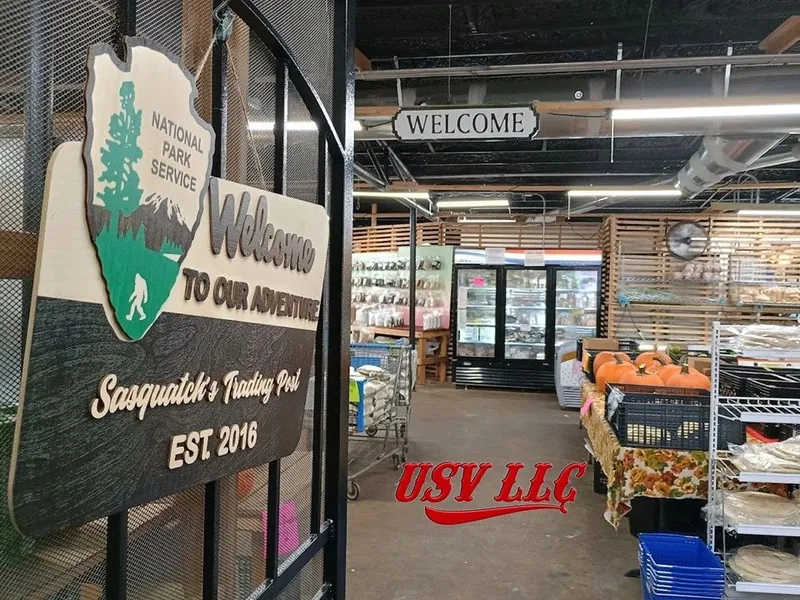
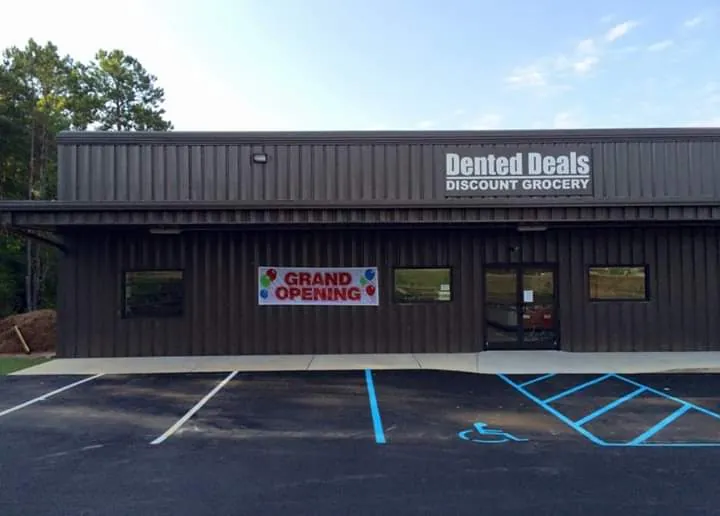
Most people picture dented cans in a dingy back-room warehouse when they first hear the term "salvage grocery store." That image is outdated. Modern salvage and discount food stores range from surprisingly well-organized operations with clean shelving and clear signage to yes, the occasional warehouse-style space where you are basically sorting through pallets yourself. But the core idea is the same across all of them.
These stores buy food inventory that the conventional grocery supply chain does not want anymore. That can mean a lot of different things. Overstock from manufacturers who produced too much of a seasonal item. Products that are approaching, or just past, their "best by" dates. Items with cosmetically damaged packaging, a dented can, a crushed box corner, a label that got wet in transit. Discontinued product lines that a big retailer cleared out. Sometimes even insurance claim merchandise from warehouse fires or floods, where the food itself is perfectly fine but the pallets got smoky or wet on the outside.
And here is something worth knowing: the "best by" date on most shelf-stable foods is a quality indicator, not a safety cutoff. Canned tomatoes that are three months past their printed date are not dangerous. They might be slightly less vibrant in flavor, but they are safe. The food industry and the FDA both acknowledge this distinction, and discount grocery stores are built around it.
Walking into a bent-n-dent store for the first time can feel a little disorienting. Inventory rotates constantly, sometimes weekly, sometimes faster. You might find 200 boxes of a specific granola brand stacked to the ceiling one Saturday and never see it again. That unpredictability is part of what makes these places interesting, honestly. It is a treasure hunt. You never quite know what you will find, and regulars learn to grab things they like when they see them.
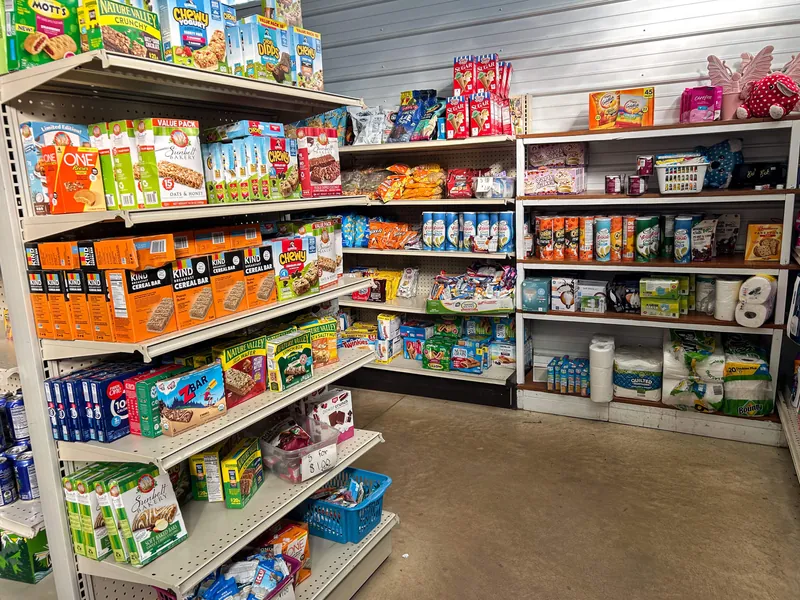
The layout tends toward function over aesthetics. Shelves are often wire racks or basic metal fixtures. Lighting is usually industrial. Prices are marked simply, sometimes with handwritten tags or just a posted sign for a whole section. It is a different vibe than a polished supermarket, but the savings are real and the products are name-brand.
One thing that confuses people: salvage grocery stores are not the same as discount grocery chains like Aldi or Lidl. Those chains are discount by design, with controlled private-label products, streamlined supply chains, and a consistent inventory. Salvage stores are opportunistic by nature. Their stock depends entirely on what became available from the broader food supply chain that week. It is a fundamentally different model, and once you understand that, the shopping experience makes a lot more sense.
The Real Numbers: Salvage Grocery Stores by the Data
There are currently 3,183 salvage and discount grocery businesses listed in our directory. That number surprised me when I first looked at it. This is not a niche little thing happening in a few cities. It is a real, substantial market with deep roots in communities across the country.
Average customer rating across all those listings sits at 4.3 stars. For context, that is a higher average than you get from a lot of conventional supermarket chains on Google Reviews. Shoppers are not just tolerating these stores; they are enthusiastic about them. That says something meaningful about what people actually experience when they shop at a food salvage store.
City-level concentration is interesting too. Houston leads with 83 listings. Brooklyn comes in at 61. Philadelphia has 46, and Los Angeles has 41. Major metro areas dominate, which makes sense given population density and the volume of food distribution that flows through those regions. But salvage stores exist in smaller cities and rural areas too, often serving communities where every dollar of grocery savings matters more acutely.
What does a 4.3-star average actually mean, practically speaking? It means that when people show up expecting savings and a decent product, they are leaving satisfied more often than not. These places are not getting away with selling garbage. In practice, the model works because the value is genuinely there.
Some of the top-rated businesses in the directory back that up directly. Salvage Saviors in Katy, Texas holds a perfect 5.0 stars across 718 reviews. That is not a fluke. Re_ Grocery shows up twice, once in Studio City with 224 reviews at 5.0 stars and again in Los Angeles with 191 reviews, also at 5.0. Both locations of Re_ Grocery are worth mentioning specifically because they represent a more modern take on the discount grocery concept, clean, organized, and marketed toward a younger audience that cares about food waste reduction as much as savings.
| Business Name | Location | Rating | Reviews |
|---|---|---|---|
| Salvage Saviors | Katy, Texas | 5.0 ★ | 718 |
| Re_ Grocery | Studio City, California | 5.0 ★ | 224 |
| Re_ Grocery | Los Angeles, California | 5.0 ★ | 191 |
Growing popularity is real. More people searching for groceries on a budget, especially over the past few years as food prices climbed, has driven new shoppers into salvage stores who would have never considered them before. And a lot of those shoppers are staying.
How Much Can You Actually Save?
Okay, the numbers. This is what most people actually want to know.
Typical discounts at salvage grocery stores run from 30% to 70% off standard retail prices. That range is wide because the discount depends on a few specific factors. Products that are close to their best-by date get marked down more aggressively. Severe cosmetic damage to packaging pushes prices lower. Seasonal overstock items, holiday candy in January, summer drinks in October, often end up deeply discounted because retailers need them gone fast.
Canned goods are usually the sweet spot. You can routinely find name-brand canned tomatoes, beans, soups, and vegetables at 40 to 60 percent off. Snack foods, cereals, crackers, and cookies show up frequently and tend to be discounted 30 to 50 percent. Beverages, bottled water, sports drinks, juice, and even soda cases, often move at significant cuts. Frozen items, when available, can be dramatic deals, though you need to be more careful there (more on that in the next section).
Sample grocery list at a conventional supermarket: 2 cans of name-brand diced tomatoes ($3.98), a box of name-brand cereal ($5.49), a 12-pack of sparkling water ($7.99), a bag of tortilla chips ($4.29), two cans of black beans ($3.18). Total: $24.93. That same list at a typical bent-n-dent store, assuming 40-50% off on each item, comes out to roughly $13 to $15. On one small list. Multiply that across a full monthly grocery shop and you are looking at hundreds of dollars in savings.
Typically, the factors that drive discounts deeper are worth understanding if you want to get the best deals. First, timing: products with closer expiration dates get cheaper faster, so if you shop often and plan to use something within a week or two, you can sometimes score 60 to 70 percent off. Second, packaging condition: a can with a deep dent near the seam is a safety concern (skip it), but a can with a surface crush nowhere near the seam is perfectly fine and usually costs almost nothing. Third, how the store itself sources its inventory that week. A store that just got a big insurance claim load or a major overstock run might have prices that seem almost unbelievably low.
One store I read about through customer reviews was selling full cases of name-brand sparkling water, 24 cans, for $3. That is the kind of deal that stops you in your tracks in the middle of the aisle.
What to Look for and What to Avoid
Shopping at a discount food store well is a skill. It takes maybe two or three visits to develop, but once you know what to check, it becomes second nature.
Canned goods first, because that is where most people have questions. Check the seams. A dent along the side of a can, away from both the top and bottom seams, is fine. A dent on or near a seam is a different situation entirely; that is where the seal can fail, and a compromised seal on a canned good is a real food safety risk. Do not buy those. Also skip anything that is swollen or bulging at the top or bottom, that is a sign of bacterial activity inside.
Dry goods: check that the packaging is fully sealed. A cereal box that has been crushed but is still sealed inside is fine. A box where the inner liner is torn or open means the food may have absorbed moisture or been exposed to air, and the quality will have suffered. Give the box a gentle squeeze and a listen if you need to.
Frozen items require the most scrutiny. If a bag of frozen vegetables has been thawed and refrozen, you can often tell because the contents are fused together in a solid block rather than loose and separate. Do not buy those. Refreezing after a thaw does not make food safe again once spoilage has started.
Best-by versus use-by is a distinction worth drilling into your memory. "Best by" means quality peak. "Use by" is more serious and tends to appear on perishable items where safety genuinely degrades after that date. At a scratch and dent grocery store, you will mostly encounter best-by dates on shelf-stable goods, and being a few weeks or even months past that date on canned or packaged items is generally not a concern.
Best categories to focus on at these stores: shelf-stable pantry staples (canned goods, pasta, rice, dried beans), name-brand snacks, beverages, breakfast cereals, condiments, and household goods like paper towels and cleaning supplies. Yes, many salvage stores carry non-food items too, and those deals can be equally good.
Skip or be very careful with: severely dented refrigerated items, anything with visible mold (obviously), products where the seal is clearly broken, and anything that smells off when you open it. Also be cautious with baby food and infant formula; those categories have stricter standards and you should not buy them past their dates at all.
Cans: No dents at seams, no swelling, no rust through the coating. Dry goods: Inner seal intact. Frozen: Contents loose, not fused. Dates: "Best by" is quality, "use by" is safety. Any product: If something looks wrong or smells wrong, put it back.
How to Find a Salvage Grocery Store Near You
Start with a search. Typing "discount grocery store near me" or "food salvage store" into Google will surface options in your area that you might not know about. Also try "bent-n-dent store" or "scratch and dent grocery" as search terms, because different regions use different names for the same type of business. In some areas, the term "grocery outlet" is common (though Grocery Outlet is also a specific chain, so results may mix).
Our directory lists 3,183 of these businesses with ratings, locations, and contact information, and using it to search by city is probably the fastest way to find verified options near you. When you are evaluating a store before making the drive, look at the customer reviews carefully. Pay attention to what people say about cleanliness, how recently inventory rotates, and whether prices are consistently good or just occasionally interesting.
A 4.3-star average is a reasonable benchmark for what a well-run damaged goods grocery operation looks like. Anything consistently below 3.5 stars, especially with reviews mentioning expired food or poor conditions, is worth skipping. There are plenty of good options out there.
One practical note: many salvage stores keep unusual hours, often closed on Sundays or closing early on weekdays. Call ahead or check their listed hours before you go, especially if you are driving any distance. Some of the best ones are tucked into industrial areas or strip malls that do not get much foot traffic, and the parking lot situation can be a little chaotic on busy days. Worth it, but worth knowing in advance.
If you find a store you like, go back regularly. Inventory turns over fast, and the deals shift week to week. Regular shoppers who visit twice a month tend to get dramatically better value than someone who wanders in once and does not know what they are looking at. Some stores even have email lists or social media accounts where they post new arrivals.
Salvage Saviors in Katy, Texas with its 718 reviews and perfect rating is a good example of a store that clearly communicates with its community. Stores like that are worth seeking out and following. When a place earns that kind of loyalty, it is usually because they are consistent, honest about what they have, and actually invested in the customer experience.
I would pick a 5.0-star salvage store with 700 reviews over a flashy new supermarket concept any day of the week.
Frequently Asked Questions
Is food from salvage grocery stores safe to eat?
Yes, with appropriate care. Shelf-stable foods past their "best by" date are generally safe. As a rule, the key is inspecting items before buying: check cans for seam dents or swelling, make sure dry goods are properly sealed, and avoid anything that looks or smells wrong. The FDA distinguishes between quality dates and safety dates, and most salvage store inventory falls into the quality-date category.
How much can I actually save at a bent-n-dent store?
Most shoppers save 30% to 70% compared to conventional supermarket prices. For most shoppers, the exact amount depends on what is in stock that day, how close items are to their best-by dates, and the specific store's sourcing. On a full monthly grocery run, savings can easily reach $100 to $300 for a family.
What kinds of products do salvage grocery stores usually carry?
Canned goods, boxed dry goods, snack foods, cereals, beverages, condiments, and household items are the most common. Frozen items and refrigerated goods show up less frequently but can be excellent deals when they do. Many stores also carry non-food products like cleaning supplies and paper goods.
How do I find a discount food store near me?
Search for terms like "discount grocery store near me," "bent-n-dent store," or "food salvage store" online. Our directory lists over 3,183 verified businesses with ratings and locations, which is a fast way to find options in your city with customer reviews already attached.
Are salvage grocery stores the same as Aldi or Lidl?
No. Aldi and Lidl are discount chains with controlled, consistent inventory and mostly private-label products. Salvage grocery stores source opportunistically from overstock, damaged packaging, discontinued items, and other supply chain surplus. Their inventory rotates constantly and is unpredictable, which is part of the appeal.
What should I never buy at a salvage grocery store?
Avoid cans with dents at or near the seams, swollen or bulging cans, frozen items that appear thawed and refrozen, products with broken seals, anything with visible mold, and baby food or infant formula past its use-by date. When in doubt, leave it on the shelf.
Find a Salvage Grocery Store Near You
Browse our directory of 3,183+ discount grocery businesses, rated by real customers, and start saving on your next grocery run.
Search the Directory