Salvage Grocery Stores: The Rising Popularity of Finding Quality and Savings
Have You Ever Paid Full Price for a Dented Can?
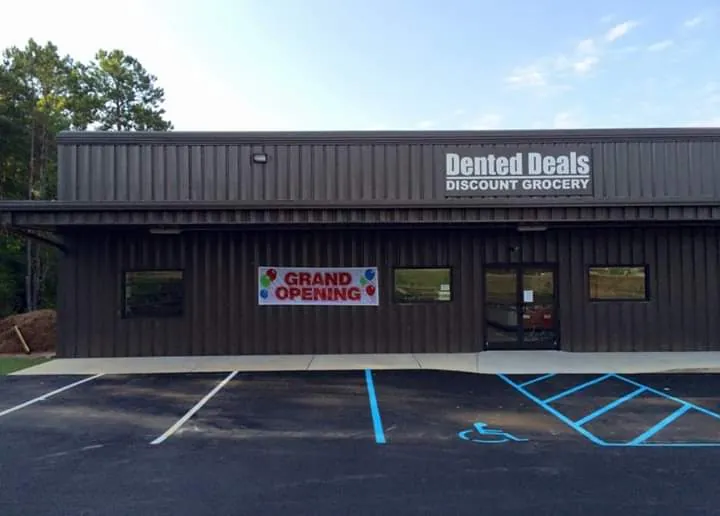
Probably not on purpose. But here's the thing that most shoppers don't realize: there are entire stores built around exactly that idea, and they're saving families hundreds of dollars a year. Salvage grocery stores, also called bent-n-dent stores, scratch and dent grocery shops, discount food stores, or damaged goods grocery outlets, have been around for decades quietly operating in strip malls and warehouse spaces while mainstream supermarkets got all the attention. That's changing fast. With grocery prices stubbornly high and food waste becoming a real cultural conversation, more and more people are asking where to find discounted groceries, and the answer is closer than most of them expect.
This article is going to walk you through what these stores actually are, how they work, what the numbers say about their growth, and how to shop them smartly. Whether you're stretching a tight food budget or just hate watching good food go to waste, salvage grocery stores are worth understanding.
1. What Salvage Grocery Stores Actually Are (And How They Source Their Goods)
Most people assume salvage means spoiled or unsafe. It doesn't. Salvage grocery stores source their inventory from a surprisingly wide range of channels, and most of what ends up on their shelves is perfectly good food that simply lost its place in the normal retail supply chain. Think about what happens when a grocery chain discontinues a product, or a warehouse flood ruins the outer boxes of a pallet of canned tomatoes, or a manufacturer overproduces seasonal items that didn't sell. That inventory has to go somewhere. Salvage stores buy it cheap, pass the savings along, and keep it out of the landfill.
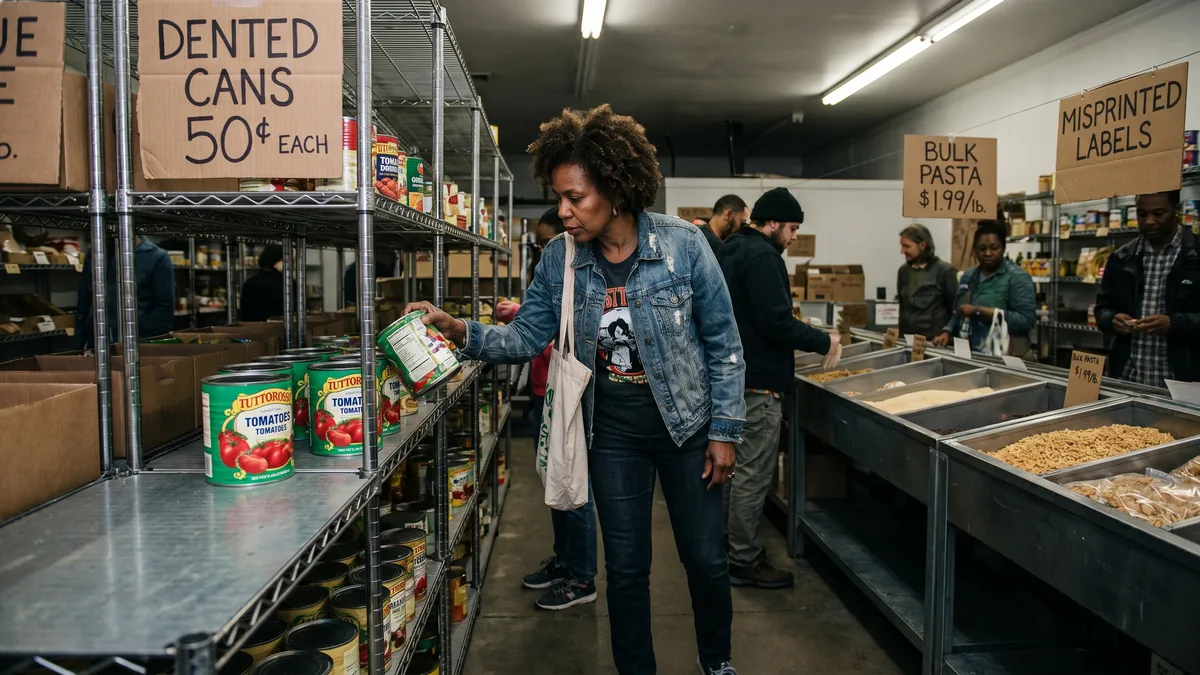
Specific sources include overstock from major retailers and distributors, products with cosmetically damaged packaging (dented cans, torn labels, crushed boxes), items near or just past their "best by" dates, discontinued or limited-edition products, and goods recovered from insurance claims after warehouse incidents. None of that sounds alarming when you actually think about it. A can of black beans with a dent on the side still has black beans in it.
The business model is straightforward. Buying surplus and imperfect goods at wholesale prices, sometimes pennies on the dollar, means these stores can price things at 30 to 70 percent below what you'd pay at a regular supermarket. A box of name-brand crackers that retails for $4.99 might sit on a salvage shelf for $1.50. Multiply that across a full cart and you're suddenly spending $40 on groceries that would have cost you $120 somewhere else.
"Best by," "sell by," and "use by" dates are manufacturer quality guidelines, not federal safety deadlines. Most packaged shelf-stable foods are safe and perfectly edible well past these dates. The USDA has said as much publicly. When you're shopping at a discount food store and see a "best by" date from two months ago on a bag of pasta, that pasta is almost certainly fine. Use your nose and common sense, and don't let a date printed by a marketing department scare you off good food.
2. The Real Financial and Environmental Benefits of Shopping at These Stores
Let's talk money first because that's why most people show up. Groceries on a budget used to mean buying the cheap store-brand version of everything or clipping coupons for an hour every Sunday. Salvage grocery shopping blows both of those strategies out of the water in terms of raw savings. We're talking about name-brand products at fractions of their original prices, not cheap knockoffs.
A family spending $800 a month on groceries could reasonably cut that to $400 or less by shifting even half their shopping to a good discount food store. That's real money. That's a car payment, a utility bill, a month of savings. And unlike coupon-clipping, there's no prep work involved. You walk in, you see what's there, you buy what makes sense.
Okay, but here's something that doesn't get talked about enough: the environmental angle is genuinely compelling, not just as a feel-good bonus but as a real measurable thing. Food waste in the United States is staggering. Around 30 to 40 percent of the entire food supply gets wasted, according to the USDA, and a huge chunk of that happens before it ever reaches a consumer, sitting in warehouses and distribution centers waiting to be thrown out. Every time someone buys a dented can of soup or a box of slightly-smashed cereal from a food salvage store instead of letting it rot in a warehouse, they're directly diverting usable food from a landfill. It's one of the most practical and low-effort ways to shop more sustainably, no lifestyle overhaul required.
And then there's the discovery factor. This is something first-timers do not expect at all.
Salvage and bent-n-dent stores regularly carry regional products you can't find in mainstream chains, limited-edition flavors that sold out everywhere else, imported specialty items, and occasionally really interesting stuff from brands you've never heard of. Loyal salvage shoppers often describe the experience as a treasure hunt, and that's not exaggeration. You might find a case of Japanese snacks, a specialty hot sauce from a regional producer, or a discontinued flavor of something you loved years ago. It's genuinely fun shopping in a way that a normal grocery run is not.
3. What the Numbers Say About This Growing Market
Data from our business directory puts the current count at 3,183 salvage and discount grocery businesses listed nationwide. That number is big enough to tell you something real: these stores are not a fringe thing. They exist in meaningful quantities across the country, from rural towns to dense urban cores.
Average customer rating across all listed businesses sits at 4.3 stars. For context, that's higher than many traditional grocery chains score on review platforms. People who shop at these places are not just tolerating them, they're enthusiastic about them.
| Business Name | Location | Rating | Reviews |
|---|---|---|---|
| Salvage Saviors | Katy, Texas | 5.0 ★ | 718 |
| Re_ Grocery | Studio City, California | 5.0 ★ | 224 |
| Re_ Grocery | Los Angeles, California | 5.0 ★ | 191 |
Salvage Saviors in Katy, Texas leads the pack with a perfect 5.0 rating across 718 reviews. That's not a fluke, that's a store that has built real trust with a large and loyal customer base. Re_ Grocery, which appears twice in the top-rated listings (Studio City and Los Angeles), shows that the model works in high-cost urban markets too, which is interesting because you might assume discount grocery shopping is mostly a small-town or low-income phenomenon. Los Angeles tells a different story.
City-level data shows Houston leading with 83 listings, followed by Brooklyn with 61, Philadelphia with 46, and Los Angeles with 41. Urban markets have the highest concentration, which makes sense: dense populations, higher cost of living, and more diverse supply chains all create better conditions for salvage grocery businesses to thrive. If you live in or near any of these cities, you've got real options.
If you're in Houston, Brooklyn, Philadelphia, or Los Angeles, you're in one of the top markets for discount grocery stores in the country. Search specifically for "bent-n-dent stores" or "scratch and dent grocery" alongside your city name and you'll likely find several options within a reasonable drive.
4. What to Actually Expect Your First Time Walking In
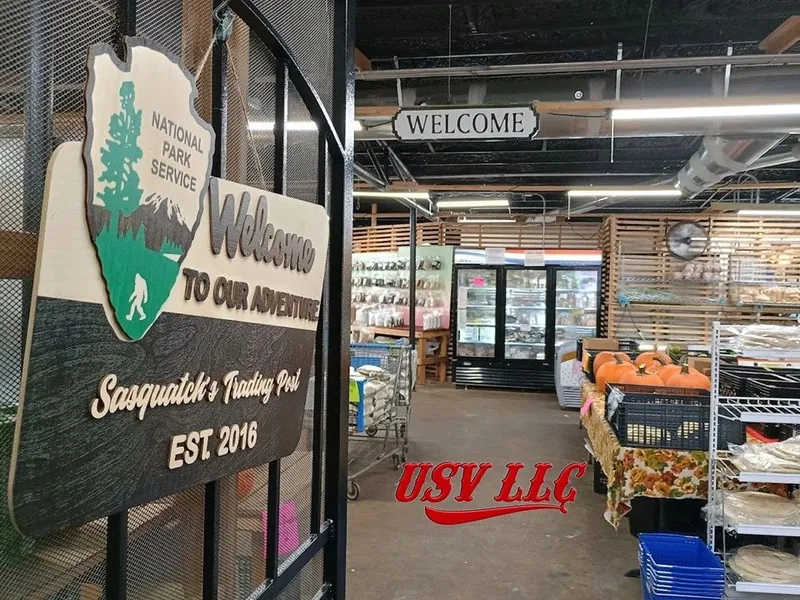
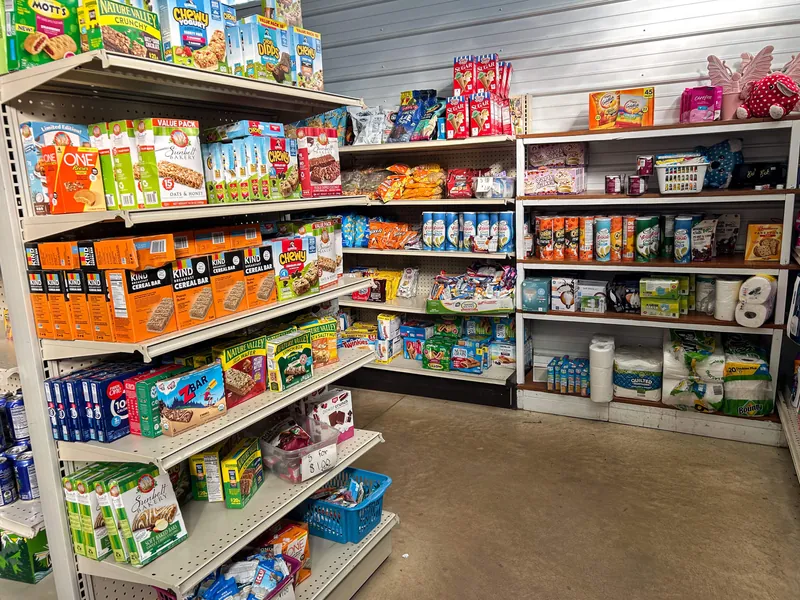
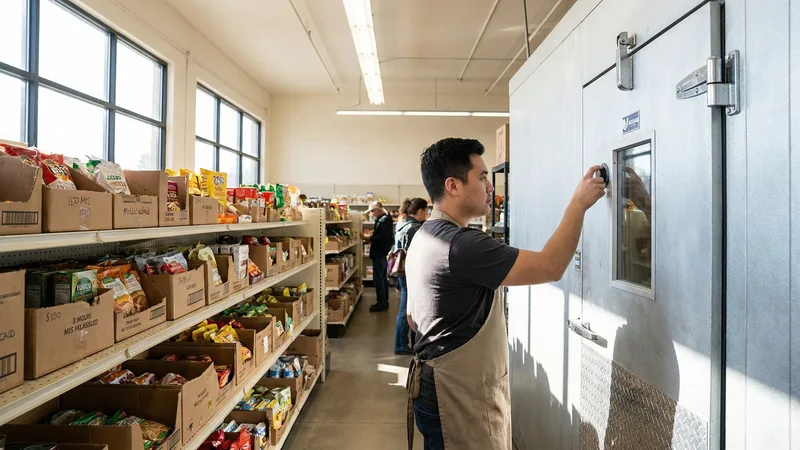
Walking into a salvage grocery store for the first time is a little disorienting if you're used to the polished aisles of a big chain supermarket. These places are typically no-frills. Concrete floors, metal shelving, maybe fluorescent lighting that hums a little louder than it should. Products are often stacked in their original shipping boxes. Signage is minimal. Price tags are sometimes handwritten. None of that is a bad sign, it's just the aesthetic of a store that's spending its money on inventory margins, not decor.
Inventory varies wildly by location and by week. This is the biggest adjustment for new shoppers. You cannot plan a specific meal around what you'll find at a salvage store because you don't know what's going to be there. What you can do is build your meals around what you find, which is actually a more flexible and often more creative way to cook anyway. Go in with an open mind and a general sense of what categories you need rather than a rigid list.
Stock tends to refresh earlier in the week, often Monday through Wednesday, as new deliveries come in from suppliers. Go on a Thursday afternoon and you might be picking through what's left. Go on a Tuesday morning and you might find pallets of something genuinely exciting that just arrived. Timing matters more at these stores than at conventional grocers.
A few practical things to do every time you visit: check cans for deep dents near seams (those can compromise seal integrity, unlike dents in the middle of the can body), look at frozen items for signs of thaw-and-refreeze like ice crystals on the outside of packaging, and give any refrigerated products the same scrutiny you'd give them anywhere else. Most of what you'll find is totally fine. But a quick visual check takes five seconds and is just good practice.
Bring reusable bags. A lot of these stores don't provide them, or charge for them, and having your own saves a small hassle. Also bring cash if you can; some smaller salvage and scratch and dent grocery operations are cash-only or have card minimums.
Product categories you'll reliably find: canned goods of all kinds, dry pantry staples like pasta, rice, beans, flour, and oats, snacks ranging from chips to granola bars to crackers, beverages including sodas, juices, energy drinks, and sometimes sparkling water, cleaning supplies and paper products, and occasionally frozen foods or refrigerated items. Fresh produce and meat are less common but not unheard of at larger discount food stores.
5. How to Find a Salvage Grocery Store Near You
Searching for a discounted grocery store near me online works, but you'll get better results if you vary your search terms. These businesses operate under a lot of different names, and not all of them use "salvage" in their branding. Try searching for grocery outlet, bent-n-dent, scratch and dent grocery, discount food store, food salvage store, and damaged goods grocery in addition to the obvious terms. Different stores use different labels, and a store that calls itself a "food depot" or "closeout grocery" might not show up if you only search one phrase.
Directory searches are often more reliable than general Google searches for this category because directory listings include verified addresses, hours, ratings, and sometimes photos. Using a business directory with location filters lets you sort by proximity and see ratings before you drive anywhere. With 3,183 businesses currently listed across the country, there's a good chance one is closer to you than you'd guess.
Rating filters are worth using. Stores with 4.0 stars and above and a solid number of reviews are a safer bet for a first visit. A store with 200 reviews averaging 4.5 stars has proven itself to a real community of shoppers. Salvage Saviors in Katy, Texas with its 718-review, 5.0-star profile is a good example of what a well-run, high-trust salvage grocery operation looks like.
Call ahead if you can, especially for your first visit. A quick phone call can tell you what day new stock usually arrives, whether they take cards, and what categories they tend to carry. Most of these places are small operations run by real people who are happy to answer a few questions. That one phone call can save you a wasted trip and set you up for a much better first experience.
Visit a salvage grocery store two or three times before you decide if it's right for your household. Inventory varies so much week to week that a single visit gives you an incomplete picture. The second or third visit is usually where shoppers start to understand the rhythms of a specific store and figure out how to work it into their regular grocery routine.
6. Why Salvage Grocery Shopping Is Becoming Mainstream
A few years ago, shopping at a bent-n-dent store had a stigma to it for some people. That's fading quickly, and good riddance. Higher grocery prices have pushed a much wider range of households toward discount shopping out of practical necessity, and once people experience the savings, they tend to stick with it. It's not sacrifice. You get the same name-brand products. You just pay a lot less for them.
Social media has played a real role here too. People post their salvage grocery hauls online, showing what they found and what they paid, and those posts regularly go viral because the numbers are genuinely shocking to people who've never done it. A $200 worth of groceries for $60 kind of shocking.
In practice, the environmental consciousness piece is pulling in a different demographic: younger shoppers who care deeply about food waste and sustainability. For them, shopping at a food salvage store isn't just about the price, it's about making a choice that aligns with values around waste reduction. That's a new and growing motivation that's broadening the customer base considerably.
And honestly, once you've experienced the treasure-hunt aspect of salvage grocery shopping, the predictable sameness of a regular supermarket feels a little dull by comparison.
With 3,183 businesses listed, a 4.3-star average, and strong representation in major cities like Houston, Brooklyn, Philadelphia, and Los Angeles, the salvage grocery market is real, it's healthy, and it's growing. These stores are delivering genuine value to a growing number of shoppers who've figured out that dented packaging and slightly-past-best-by dates are not actually problems worth paying full price to avoid.
Are products at salvage grocery stores safe to eat?
Yes, in the vast majority of cases. Most products at salvage and discount grocery stores are safe and consumable. "Best by" dates are quality guidelines, not safety cutoffs. Shelf-stable products like canned goods, dry pasta, crackers, and most packaged snacks remain safe well past printed dates. Always check cans for deep seam dents or swelling, and use the same common-sense checks you'd apply anywhere else.
How much can I actually save at a bent-n-dent or scratch and dent grocery store?
Savings typically run between 30 and 70 percent compared to regular retail prices. Typically, the exact amount depends on what's in stock on any given visit, but most regular salvage shoppers report cutting their grocery bills significantly. A cart that would cost $100 at a mainstream grocery store often rings up at $40 to $60 at a good salvage store.
What kinds of products will I find at a discount food store?
Expect canned goods, dry pantry staples (pasta, rice, beans, flour), snacks, beverages, cleaning supplies, and paper products as your consistent categories. Frozen foods and refrigerated items show up at some locations. Fresh produce and meat are less common but possible at larger stores. Inventory changes constantly, which is part of the appeal for regular shoppers.
How do I find a salvage or discount grocery store near me?
Search using multiple terms: "salvage grocery," "bent-n-dent stores," "scratch and dent grocery," "discount food store," "grocery outlet," and "food salvage store" all describe the same category of business. Business directories with location filters and rating tools are often more effective than general search engines for finding verified, reviewed options in your area.
Why do salvage grocery stores have such high ratings if they sell damaged goods?
Because shoppers judge the experience based on value delivered, not packaging aesthetics. A 4.3-star average across 3,183 businesses is genuinely high. Shoppers who find $60 worth of name-brand food for $25 tend to be pretty happy about it. As a rule, the top-rated stores, like Salvage Saviors in Katy, Texas with 718 reviews at 5.0 stars, earn those ratings through consistent inventory quality, fair pricing, and good customer service.
Find a Discount Grocery Store Near You
Browse our directory of 3,183+ salvage grocery, bent-n-dent, and discount food store listings across the country. Filter by location, rating, and store type to find the best options in your area.
Search the Directory