Smart Savings: How to Find Top-Quality Salvage Grocery Stores in Your Area
You're standing in the grocery store checkout line watching the total climb past $180 for what feels like half a cart of food, and somewhere around the third bag of pasta you think: there has to be a better way. Maybe you've heard a neighbor mention a "bent-n-dent store" nearby but had no idea what that even meant. Maybe you've driven past a warehouse-looking place with hand-painted signs and wondered if it was worth stopping. That frustration is real, and it's also completely fixable once you know where to look and what to look for.
Salvage grocery stores, discount food stores, scratch and dent grocery shops, call them whatever your region calls them, are one of the most underused tools in the budget shopper's arsenal. They carry real food from real brands at prices that can honestly feel like a mistake. And there are more of them out there than most people realize. This article walks through what these stores actually are, how to find ones near you, how to tell a good one from a bad one, and how to shop them so you actually save money instead of just buying a lot of weird things you don't need.
What Is a Salvage Grocery Store, and Why Does Everyone Call It Something Different?
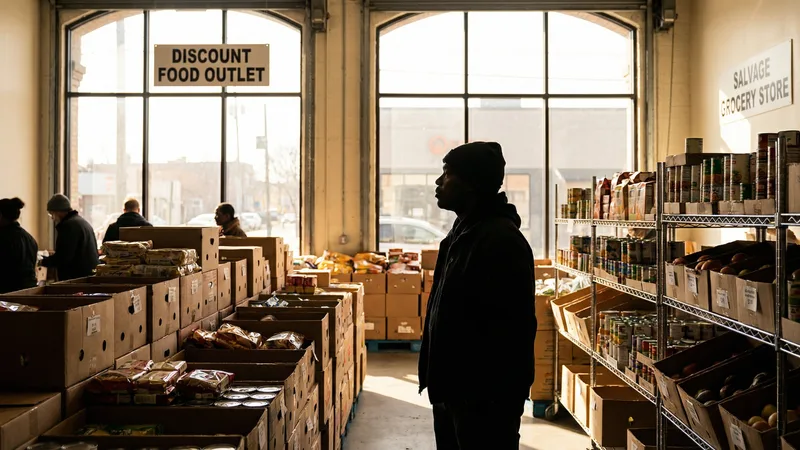
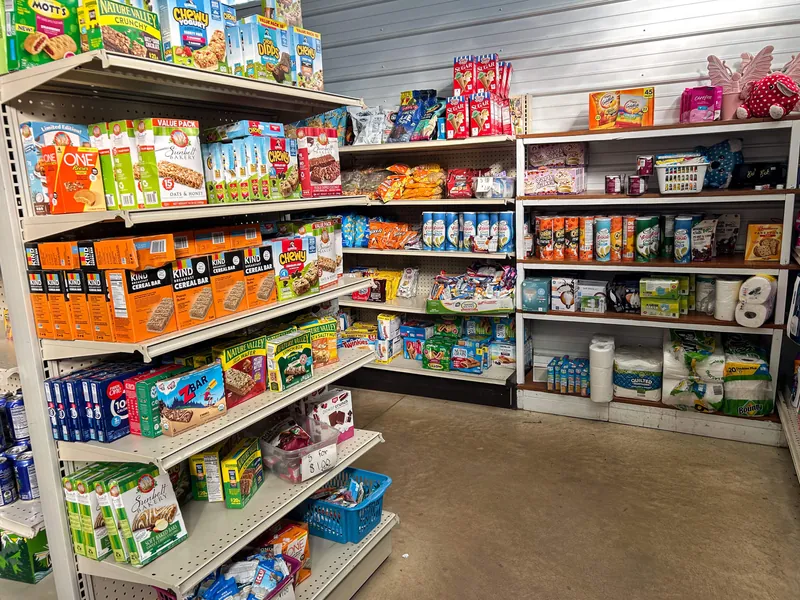
A salvage grocery store buys food products that traditional retailers can't or won't sell at full price, then passes those discounts on to you. That sounds simple, but the sourcing is actually pretty varied. A store might pick up overstock from a manufacturer that made too much of a seasonal item. They might buy a truckload of goods where the outer packaging got crushed in transit but the product inside is completely fine. They buy discontinued lines, items with printing errors on the label, close-to-expiration stock, or products that got pulled from a chain store's shelves during a rebranding. None of that makes the food bad. It just makes it cheap.
The name confusion is real and honestly kind of annoying if you're trying to search for one. Depending on where you live, these stores go by bent-n-dent stores, scratch and dent grocery, discount food stores, food salvage stores, damaged goods grocery, or just "the cheap grocery place" in neighborhood conversation. Some regional chains have their own branding entirely. A grocery outlet in Ohio might look nothing like a food salvage store in Texas, but they're operating on basically the same model: buy surplus and sell it for less.
Here's what matters about the name thing practically: if you're searching online or in a directory, you need to try multiple terms or you'll miss options that exist right in your city.
Now, about safety. This comes up every time someone new encounters these stores and it's worth being direct about. Dented packaging does not automatically mean compromised food. A dented can of tomatoes is almost always fine. What you do want to avoid is any can with a bulge, a deep crease along the seam, or obvious rust, because those are signs the seal may be broken and that actually matters for safety. Same with anything that smells off or packaging that looks like it got wet and dried. Beyond those commonsense checks, most of what you'll find at a discount food store is perfectly good food in slightly imperfect packaging.
Pass on bulging cans, anything with a broken seal, severely damaged refrigerated packaging, or products with no readable expiration date. Everything else is worth considering on its own merits.
The Real Numbers Behind This Industry
More than 3,183 salvage and discount grocery businesses are currently listed across major U.S. cities. That's not a niche. That's not a fringe movement. That is a well-established retail category operating at scale, quietly saving people money in nearly every metro area in the country.
And here is the part that might actually surprise you: the average customer rating across those businesses sits at 4.3 stars. Four point three. For context, plenty of mainstream grocery chains would kill for that average. People are not just tolerating these stores out of financial necessity. They're going back, recommending them to friends, and leaving positive reviews. That number tells you something real about what the experience is actually like.
City-level data is interesting too. Houston leads with 83 listings, which makes sense given its size and its culture of small independent businesses. Brooklyn comes in at 61, Philadelphia at 46, and Los Angeles at 41. What you notice in that list is that dense, working-class urban neighborhoods tend to have the highest concentrations of these stores. That's partly economic, partly logistical, since these stores often set up near distribution hubs. If you live in or near a major city, your odds of finding a good scratch and dent grocery option nearby are genuinely high.
Small towns are not out of luck, though. The directory data covers major cities, but salvage stores are common in rural areas too, often operating out of converted warehouses or standalone buildings along state routes. You just have to look a little harder.
Top-Rated Salvage Grocery Stores in the Directory
| Business Name | Location | Rating | Reviews |
|---|---|---|---|
| Salvage Saviors | Katy, Texas | 5.0 ⭐ | 718 |
| Re_ Grocery | Studio City, California | 5.0 ⭐ | 224 |
| Re_ Grocery | Los Angeles, California | 5.0 ⭐ | 191 |
| House of Milner Jewelers | Philadelphia, Pennsylvania | 5.0 ⭐ | 531 |
| Hegwood's Towing LLC | Brandon, Mississippi | 5.0 ⭐ | 277 |
*Note: Some 5-star listings in the directory are cross-category businesses. Always confirm a store's primary focus before visiting.
Salvage Saviors in Katy, Texas is worth calling out specifically. A 5.0 rating across 718 reviews is not an accident. That kind of consistency across that many customers means the store is doing something genuinely right, whether that's product quality, pricing transparency, or just treating people decently when they walk in. Worth a drive if you're in the Houston area.
How to Actually Find These Stores Near You
Online search is your fastest starting point, but you have to be strategic about which terms you use. Searching "discount grocery store near me" will get you some results. Searching "bent-n-dent store" will get you different ones. "Food salvage store," "scratch and dent grocery," "damaged goods grocery," "groceries on a budget near me," these all pull up different listings depending on how the business registered itself. Run at least four or five of those searches before you decide there's nothing in your area.
Google Maps specifically is useful because it shows you hours, photos, and reviews all at once. Drop in search terms like "discount food store" or "grocery outlet" and then zoom out on the map to see what's in a reasonable driving radius. Sometimes the best store is 20 minutes away in a direction you wouldn't normally travel.
Business directories dedicated to these categories are even better than general search, because they've already done the work of categorizing stores by type. A directory that lists 3,183 salvage grocery businesses is organizing information that Google Maps might spread across a dozen different search terms. Bookmarking a good directory and checking it when you move to a new city, or just when you want to find discounted groceries, saves real time.
Community Facebook groups are an underrated resource. Seriously. Search for your city name plus "deals" or "budget" or "frugal" and you'll usually find a local group where people share their finds. Members of those groups often know about stores that haven't bothered to claim their Google listing yet, small family-run spots that operate more by word-of-mouth than by internet presence.
Food banks sometimes know, too. Call a local food pantry or community resource center and ask if they know of any discount food stores in the area. They work with food distribution networks and often have knowledge of wholesale and salvage sources that the general public doesn't think to ask about.
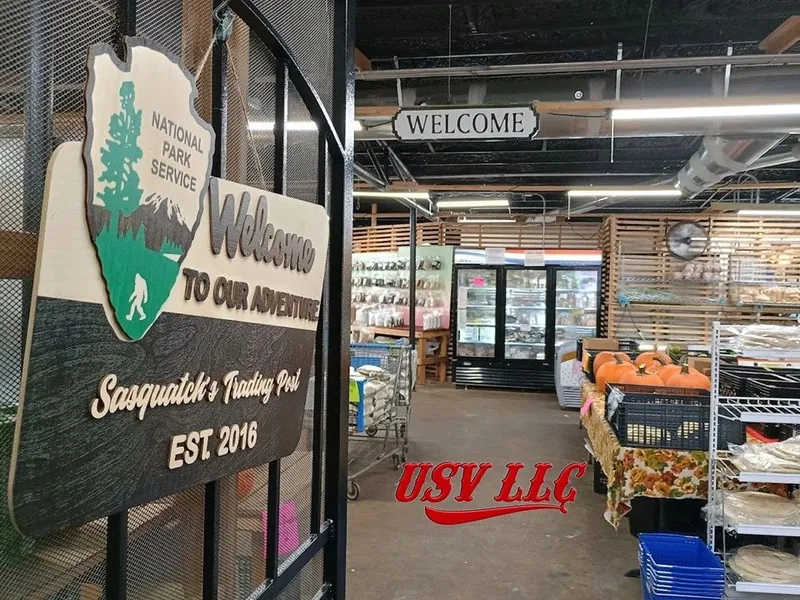
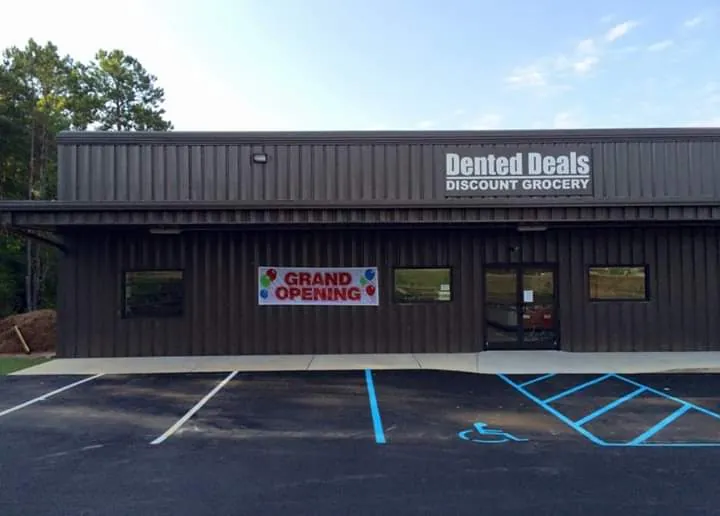
Offline discovery is genuinely underrated. Driving commercial and light-industrial areas on the outskirts of your city will sometimes turn up stores you'd never find online. These places often set up in spaces with low rent: strip mall end-caps, converted warehouses, standalone buildings near rail yards or trucking depots. In practice, the parking lots are usually big and utilitarian, and the signage is often hand-lettered or printed on a banner. You know the vibe. Don't drive past without stopping at least once.
Use these in Google, Maps, and directory searches: "bent-n-dent store near me," "scratch and dent grocery," "food salvage store," "discount food store," "damaged goods grocery," "grocery outlet," "discounted grocery store near me," "where to find discounted groceries." Each one may surface different results.
How to Tell a Good Salvage Grocery Store From a Bad One
Walking into one for the first time, you'll probably feel a little uncertain. Typically, the layout is different from a normal grocery store. Prices might be handwritten. Products might be organized by size of shipment rather than by category. That's all normal. What you're really evaluating is a handful of things that actually matter.
Cleanliness is the first thing. Not "does it look like Whole Foods" cleanliness, but basic sanitation. Floors swept, shelves not sticky, refrigeration cases actually cold. A well-run discount food store is not a glamorous space, but it should not feel neglected either. If the place smells musty or the floor is wet in ways that don't have an obvious cause, those are signals worth taking seriously.
Expiration dates should be readable on every product. Good stores either leave the manufacturer's date visible or mark it clearly themselves. If you're picking up an item and can't find any date on it anywhere, that's a problem worth asking about. Staff at a well-run store should be able to tell you when a product came in and roughly how long they've been carrying it. If they can't or won't answer basic questions about sourcing, that tells you something.
A return policy matters more than people think at these stores. Not because the products are likely to be bad, but because you might get home and realize you bought six jars of a sauce your family hates. Stores that will let you return or exchange something, even for in-store credit, are stores that stand behind what they sell. Ask before you buy a large quantity of anything new.
Online reviews, when a store has them, can tell you a lot if you read past the star number. Look for mentions of how frequently the inventory changes, whether staff are helpful, and whether the store is honest about product condition. A store with a 4.3 rating and 200 reviews that consistently mention "friendly staff" and "great finds every week" is worth a visit. A store with 4 stars but reviews that mention "confusing prices" or "expired items on shelves" deserves more caution.
Inventory rotation is something experienced salvage shoppers pay attention to. Good stores turn their stock regularly because their supply is always changing. If you visit twice and the shelves look identical, that's either very slow turnover or a stale supply chain. Stores that get fresh shipments often are the ones worth making into a habit.
Basic cleanliness and working refrigeration. Readable expiration dates on products. Staff who can answer sourcing questions. Some form of return or exchange policy. Inventory that appears to rotate regularly. Online reviews mentioning positive repeat experiences.
Getting the Most Out of Your Salvage Grocery Shopping
Go without a fixed list the first few times. That's actually useful advice, not just a license to wander aimlessly. Salvage grocery shopping rewards flexibility. You might go in looking for pasta and leave with a case of organic soup at 70 percent off because that's what the shipment brought in that week. Shoppers who can adapt their meals to what's available save more than shoppers who are hunting for one specific thing.
Buy in quantity when something you actually use shows up at a steep discount. Shelf-stable items especially. If you find a brand of canned beans you like for $0.35 a can, buying twenty of them is not hoarding, it's math. Just make sure you have somewhere to put them and that the dates give you enough time to work through the supply.
Check dates on everything before it goes in your cart, not as a paranoid exercise but as a basic habit. Most salvage stores are honest about what they carry, but you're still the last check before those products enter your house. A few seconds per item is a small investment.
Go back often. As a rule, the inventory at a good discount food store changes constantly, sometimes week to week. Shoppers who stop in regularly catch the good shipments before they sell out. Some regulars treat it like a weekly stop alongside a regular grocery run, using the salvage store for pantry staples and non-perishables and filling in fresh produce and dairy elsewhere.
Bring cash or check what payment methods the store accepts before you go. Smaller salvage stores sometimes don't take cards, or they take cards but add a processing fee. Finding that out in the parking lot after you've already shopped is its own kind of frustrating.
Who Benefits Most, and Why It's Worth Telling People About
Budget-conscious families are the obvious beneficiaries. When you're feeding four people on a tight income, shaving $40 or $60 off a grocery run every week adds up to real money over a year. But small restaurant owners and food service operators also shop at these stores, picking up bulk quantities of pantry staples at margins that help their bottom line. Bargain hunters who just like the game of finding a deal. People building emergency food supplies. Anyone who'd rather spend less on groceries and more on literally anything else.
Knowing where to find discounted groceries is actually a skill that takes a little time to build but pays back the investment quickly. Once you know two or three good salvage grocery stores in your area, know their rhythms, know their staff, know which days the trucks usually come, you've unlocked a genuinely useful resource that most of your neighbors don't know about.
Tell someone. Seriously. For most shoppers, the best-kept secret in budget grocery shopping shouldn't stay a secret.
Frequently Asked Questions
Are salvage grocery stores safe to shop at?
Generally, yes. Products with damaged packaging are usually safe as long as the food itself hasn't been compromised. Check for bulging cans, broken seals, and missing expiration dates. Avoid anything that looks, smells, or feels off. Most products at a reputable discount food store are perfectly safe.
What's the difference between a salvage grocery store and a grocery outlet chain?
Grocery outlet chains operate on a similar model but are larger, more standardized retailers. Independent salvage stores and bent-n-dent stores tend to be smaller, locally owned, and more variable in inventory. Both can offer great deals, and they're worth treating as complementary options rather than substitutes for each other.
How do I find salvage grocery stores in my city?
Search online using multiple terms: "bent-n-dent store," "scratch and dent grocery," "food salvage store," "discount grocery store near me." Check business directories that specialize in these categories. Ask in local community Facebook groups. Food banks and community centers sometimes have referrals to nearby discount food resources as well.
Why do salvage grocery stores have so many different names?
Because they developed regionally without a unified industry label. Different operators coined different terms, and those terms stuck in different parts of the country. "Bent-n-dent" is common in the Midwest. "Grocery outlet" is used more broadly. "Scratch and dent grocery" and "damaged goods grocery" are more descriptive terms used across regions. They all