Stretch Your Budget: A Guide to Shopping at Salvage Grocery Stores
Over 3,100 salvage and discount grocery businesses are listed across the United States right now, and most people have never set foot in one. That is a lot of stores most of us are walking right past. These places go by a dozen different names, bent-n-dent stores, scratch and dent grocery shops, damaged goods grocery outlets, discount food stores, but they all share the same basic idea: food that could not stay on a mainstream supermarket shelf for one reason or another, sold at a fraction of what you would have paid at a regular store.
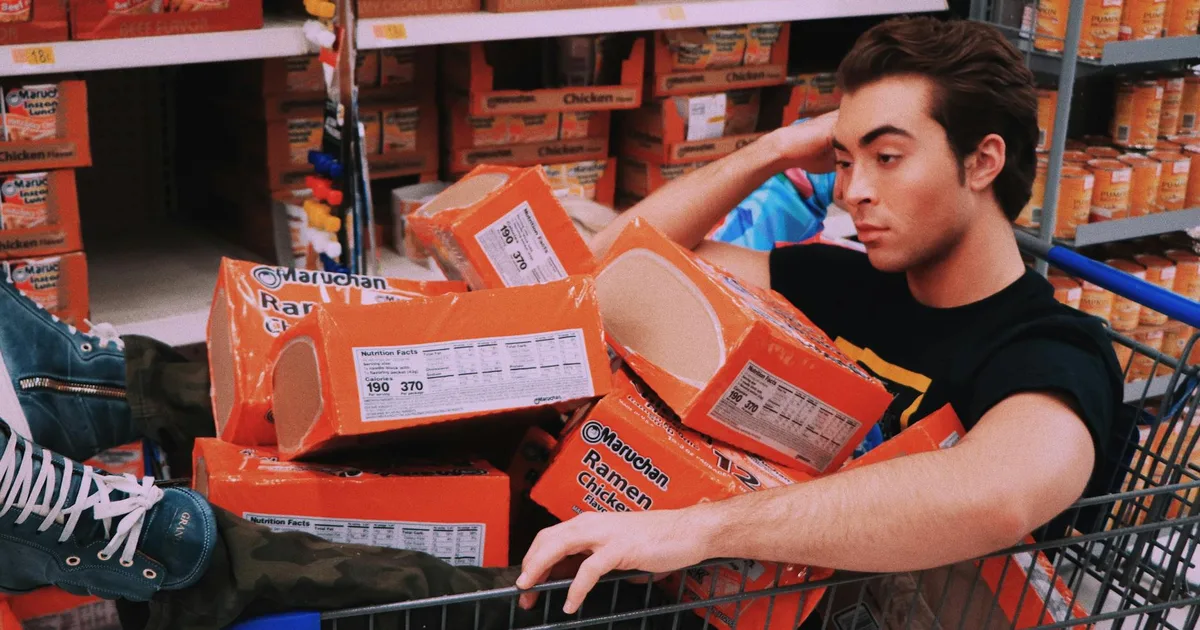
The savings are real. Not coupon-clipping real, but genuinely jaw-dropping sometimes. Families who shop these stores regularly report cutting their grocery bills by 30 to 70 percent on brand-name products they would have bought anyway at full price. A box of cereal with a slightly dented corner. A case of canned tomatoes where the label got torn in shipping. A pallet of chips that a big retailer over-ordered for a promotion that ended. None of that changes what is inside the package, but it changes the price dramatically.
This guide is for anyone who wants to understand how these stores actually work, what to expect walking in, how to shop smart, and how to find a good one near you. Whether you are stretched thin this month or just someone who hates paying full price for a can of soup, there is something here for you.
What Is a Salvage Grocery Store?
Salvage grocery stores exist because the mainstream food supply chain produces an enormous amount of product that cannot be sold through normal retail channels, for reasons that have almost nothing to do with whether the food is safe or good. Think about how a big supermarket operates. Products get pulled if they are close to their best-by date, if packaging was damaged in transit, if a brand discontinued a product line, or simply if the retailer ordered too much and needs the shelf space. Where does all that food go? A lot of it used to just get thrown away, which is a whole conversation on its own. But salvage grocers step in and buy it in bulk, at steep discounts, and resell it to shoppers like you.
Inventory at these stores typically comes from a few different sources. Overstock is huge, a grocery chain orders ten pallets of a seasonal item, sells six, and needs the rest gone. Discontinued items are another big source; when a brand stops making a product or changes its packaging, the old stock has to go somewhere. Cosmetically damaged goods are probably the most visible category, which is where the "scratch and dent grocery" name comes from. A case gets dropped in a warehouse, some cans get dented, some boxes get crushed on the corners. The food inside is completely fine. And then there are short-dated products, meaning things whose best-by dates are coming up soon, which makes them unsellable to a regular retailer but totally usable for a household that is going to eat them within a few weeks.
Here is something worth saying clearly: damaged packaging is not the same as compromised food. A dented can of green beans is not a health hazard (with some specific exceptions we will get to later). A box of pasta with a torn label is not spoiled pasta. Most of the stigma around these stores comes from conflating "looks rough" with "unsafe," and that conflation costs a lot of families real money every year.
Salvage grocery stores are distinct from other discount formats in ways that matter. A grocery outlet chain like Grocery Outlet (which is its own specific brand) operates on a similar opportunistic buying model but usually has a more conventional store format and slightly higher price points. Warehouse clubs like Costco give you bulk prices but require a membership and are selling primarily first-quality current merchandise. Dollar stores carry some food, but it is a narrow, often low-quality selection. A true salvage grocery store, sometimes called a discount food store or food salvage store, is its own category: constantly changing, no-frills, often independently owned, and genuinely surprising in what you can find on any given day.
How Much Can You Actually Save?
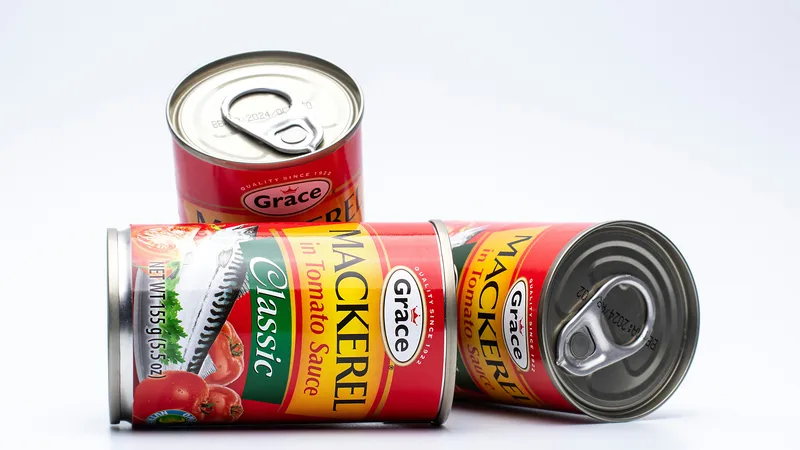
In practice, the honest answer is: it depends, but the ceiling is high. Most salvage grocery shoppers report saving somewhere between 30 and 70 percent off what they would have paid at a conventional supermarket for the same product. That range is wide because the savings really do fluctuate based on what shipments the store received that week, what category of product you are buying, and how close the best-by dates are.
Dry goods and canned items tend to carry the deepest discounts. A can of name-brand soup that retails for $2.49 might be $0.75 at a bent-n-dent store. A box of crackers that goes for $4.50 at a regular grocery store might be $1.50 with a slightly dinged corner. Snacks, cereals, condiments, beverages, and pasta are all categories where you can find genuinely shocking deals. Frozen foods show up too, though less consistently. Refrigerated items are rarer and require a bit more scrutiny when you do find them.
Run the math on a family that spends $800 a month on groceries. If they can source even 40 percent of their staples from a discount food store at an average of 50 percent off, that is $160 saved per month. Over a year, that is nearly $2,000. And honestly, some families do better than that.
Typically, the catch is inventory variability. You cannot plan a weekly meal menu and then reliably shop it at a salvage grocery store the way you would at a supermarket. What they have on Tuesday may be completely different from what they have on Saturday. Regulars at these stores learn to think in terms of stocking up when something great shows up rather than shopping for specific items on a list. That shift in shopping mindset is actually the most important adjustment new customers have to make.
A family spending $800/month on groceries that sources 40% of their pantry staples from a salvage grocery store at an average 50% discount could save roughly $160/month, that adds up to about $1,920 per year in grocery savings without changing what brands they buy.
Salvage Grocery Stores by the Numbers
Our business directory currently lists 3,183 salvage and discount grocery businesses across the country. That number is worth sitting with for a second, because it means this is not some niche thing happening in a handful of cities. These stores are everywhere, and a huge portion of Americans live within a reasonable drive of at least one.
Across all 3,183 listed businesses, the average customer rating is 4.3 stars. That is notably high for any retail category. People who shop at salvage grocery stores are, generally speaking, happy shoppers. Part of that is probably selection bias, if you are already interested enough to seek out a bent-n-dent store, you are likely to be pleasantly surprised by what you find. But part of it is also that these stores tend to be run by people who genuinely care about what they are doing, often small business owners with strong community ties.
Houston leads all cities with 83 listed salvage grocery businesses, which makes sense given the city's size and the strong deal-hunting culture in Texas generally. Brooklyn comes in second with 61 listings, which is interesting because that reflects the density of New York's urban neighborhoods where smaller format stores thrive. Philadelphia has 46 listings, and Los Angeles follows with 41. Shoppers in those metro areas are sitting on a huge number of options for discounted groceries near them, and most of them probably do not know it.
| Business Name | Location | Rating | Reviews |
|---|---|---|---|
| Salvage Saviors | Katy, Texas | 5.0 ★ | 718 reviews |
| Re_ Grocery | Studio City, California | 5.0 ★ | 224 reviews |
| Re_ Grocery | Los Angeles, California | 5.0 ★ | 191 reviews |
Salvage Saviors in Katy, Texas holds a perfect 5.0-star rating across 718 reviews, which is a remarkable number of reviews for any independent grocery store. That kind of volume with a perfect score suggests a genuinely excellent operation. Re_ Grocery has two California locations listed, both with 5.0 stars and combined reviews in the hundreds, which points to a concept that has found real traction with shoppers looking for groceries on a budget without sacrificing quality.
Worth noting: two of the five top-rated businesses in the directory are not grocery stores at all. House of Milner Jewelers and Hegwood's Towing LLC both appear in the top five by rating, which is a quirk of how directory data works across business categories. As a rule, the grocery-specific names tell the real story here.
What to Expect When You Shop at a Salvage Grocery Store
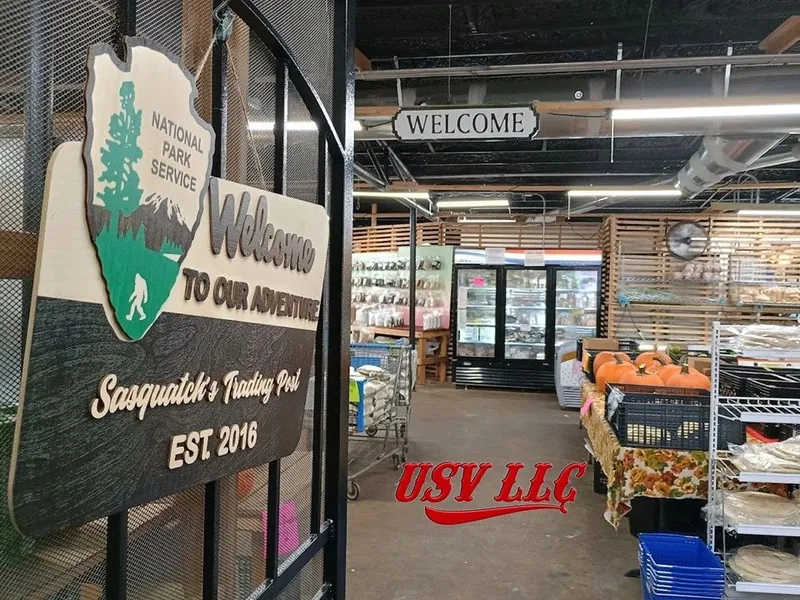
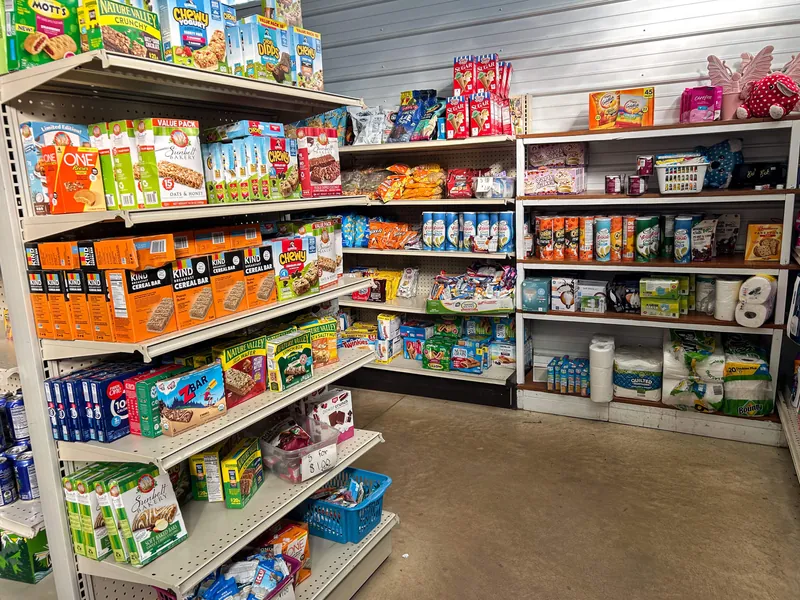
Walking into one for the first time can feel a little disorienting if you are used to the pristine, carefully organized aisles of a major supermarket chain. Salvage grocery stores are almost always no-frills operations. Lighting is functional rather than atmospheric. Products are often stacked on pallets or in bins rather than arranged on shelves. Signage can be hand-written. There might be a strong smell of cardboard.
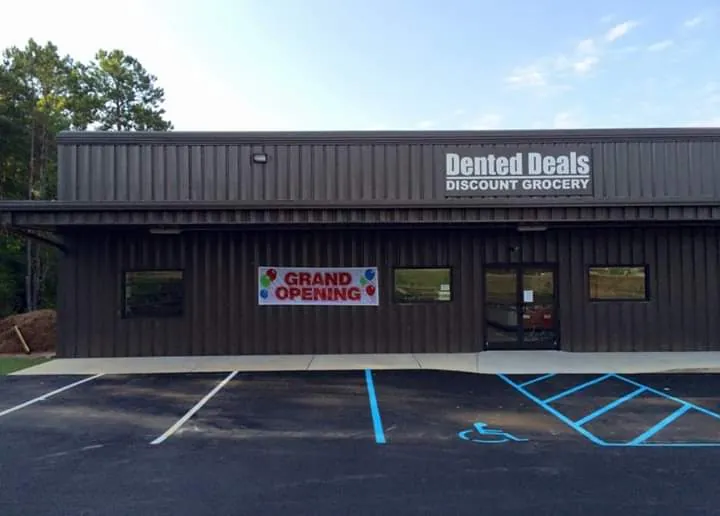
And the parking lot is usually just a regular strip mall parking lot with some extra pallet wrapping blowing around. Small thing, but you notice it.
Products will frequently have dented cans, torn or water-stained labels, crushed box corners, or packaging that looks like it had a rough trip. Some items will have best-by dates coming up in the next few weeks or months. None of that is necessarily a problem, but it does mean you need to pay attention rather than just grabbing things off the shelf on autopilot the way you might at a regular store.
Canned goods deserve specific attention. A slight dent on the side or top of a can is generally fine. What you do not want to buy is a can with a bulging lid (indicates bacterial activity inside), a deep dent along the seam where two pieces of metal join, or any can that spurts liquid or has an off smell when opened. The FDA guidelines on this are actually pretty clear, and most experienced salvage shoppers develop an eye for it quickly.
Product categories you will reliably find at most discount food stores include canned vegetables, fruits, and soups; dry pasta, rice, and beans; breakfast cereals and oatmeal; snacks of all kinds; beverages including soda, juice, and sometimes specialty drinks; condiments and sauces; and baking supplies. Frozen foods come and go. Refrigerated items are less common but show up at some stores. Do not expect fresh produce to be a reliable category at most salvage grocers, though some do carry it.
Safe to buy: Small side dents, torn labels, dented box corners, near-term best-by dates on shelf-stable items.
Skip it: Bulging lids, deep dents along can seams, rust, leaking cans, any swollen or damaged packaging on refrigerated or frozen items.
Cash is still king at a lot of these stores, especially smaller independent ones. Bring some. Many do accept cards now, but do not assume. Also, bring bags. These are not the stores that have a rack of free bags at the checkout.
Tips for Getting the Most Out of Your Salvage Grocery Shopping
Shop often. That is the single most useful piece of advice for anyone new to this format. Because inventory rotates based on what shipments come in, the person who stops in every week or two will find dramatically better deals than the person who goes once a month. Regulars at these stores often describe it as a kind of treasure hunt, which sounds clichéd until the first time you find a brand of pasta sauce you love for forty cents a jar and you buy twenty of them.
Stocking up when prices are great is the natural corollary to that. If you find something shelf-stable that your family uses regularly and it is priced at 60 percent off, buy as much as you can reasonably store. Pantry staples with long shelf lives, like canned goods, dried pasta, rice, oats, and condiments, are perfect candidates for this approach. You are not buying things you do not need; you are buying things you would have bought anyway, just ahead of schedule.
Understanding date labels makes a real difference here. "Best by" and "best before" dates are quality indicators, not safety cutoffs. A box of crackers past its best-by date is probably a little stale but is not going to make you sick. "Use by" dates on perishables like meat and dairy are more serious and should be respected. "Sell by" dates are inventory management tools for retailers and have limited meaning for the end consumer. Most of what you find at a salvage grocery or discount food store will be shelf-stable goods with best-by dates, and buying something a week or two before that date is completely reasonable.
Combining salvage store trips with regular grocery runs is the smartest approach for most families. Buy your unpredictable fresh items, meat, and specific ingredients you need for planned recipes at a regular supermarket. Use the salvage store to stock your pantry, replenish staples, and grab whatever deals happen to be there. These two shopping patterns complement each other well. Trying to do all your shopping at a bent-n-dent store will frustrate you because the inventory just is not consistent enough. Using it as a pantry-building supplement to your normal grocery routine, though? That is where the real savings stack up over time.
Finding a good store near you is easier than it used to be. Searching for "discounted grocery store near me" or "scratch and dent grocery" in a business directory will surface options in your area, and with 3,183 businesses listed nationally, there is a good chance something is closer than you think. In cities like Houston, Brooklyn, Philadelphia, and Los Angeles, you are spoiled for choice. In smaller cities and suburbs, there might be just one or two options, but they are worth knowing about.
One more thing: get friendly with the staff. At most independent salvage grocers, the employees know when new shipments are coming in, which days have the best selection, and sometimes they will hold things for regular customers. This is less true at bigger chain-style discount stores, but at a small independent operation, a two-minute conversation at the register can be worth more than any tip in this article.
Bring cash (and a card just in case). Bring your own bags. Check cans for bulges and seam dents. Look at best-by dates on perishables. Don't plan a specific recipe around what you'll find. Buy extra when you find something great at a price you love.
Frequently Asked Questions
Are salvage grocery stores safe to shop at?
Yes, for the most part. Products sold at salvage grocery stores are generally safe to eat, though you should inspect items before buying. Avoid canned goods with bulging lids, deep seam dents, or visible rust. Check best-by dates on anything perishable. Shelf-stable items with cosmetically damaged packaging are almost always perfectly fine inside.
What is the difference between a salvage grocery store and a grocery outlet?
They operate on similar principles but differ in scale and format. True salvage stores, also called bent-n-dent stores or scratch and dent grocery stores, tend to be smaller, independently owned, and more variable in what they carry. Grocery Outlet is a specific chain that uses opportunistic buying but operates more like a conventional supermarket in terms of store format and consistency.
How much can I realistically save at a salvage grocery store?
Most shoppers save 30 to 70 percent on items they purchase at these stores compared to regular retail prices. Actual savings depend on what is in stock when you visit, how much you buy, and how well the selection matches your household's needs. Families that shop these stores regularly and stock up on staples tend to see the biggest savings over time.
How do I find a discount food store or salvage grocery store near me?
Searching a business directory for "salvage grocery," "discount food store near me," or "bent-n-dent store" will usually surface options in your area. Our directory lists 3,183 businesses nationwide, with the heaviest concentrations in Houston, Brooklyn, Philadelphia, and Los Angeles. Smaller cities often have at least one local option worth finding.
What products do salvage grocery stores typically carry?
Canned goods, dry pantry staples like pasta and rice, cereals, snacks, beverages, condiments, and baking supplies are the most common finds. Frozen foods appear at many stores but inventory varies. Fresh produce and refrigerated items are less common but do show up at some locations.
Do salvage grocery stores accept credit cards?
Some do, some don't. Smaller independent stores often prefer or require cash. Larger or newer operations are more likely to accept cards. Bringing cash as a backup is always a good idea when visiting a store you have not been to before.
Find a Salvage Grocery Store Near You
Browse our directory of 3,183+ discount and salvage grocery businesses across the country and start saving on your grocery bill today.
Search the Directory