Salvage Grocery Stores Are More Popular Than Ever, and Here's Why That Makes Total Sense
Most people assume that discount grocery stores are a last resort, the kind of place you only visit when money is really tight. That assumption is wrong, and the numbers prove it. Across the United States, thousands of shoppers are actively choosing salvage grocery stores over their neighborhood supermarkets, not because they have to, but because they've figured out something the average consumer hasn't yet: you can eat extremely well for a fraction of the price, and often find things you wouldn't find anywhere else.
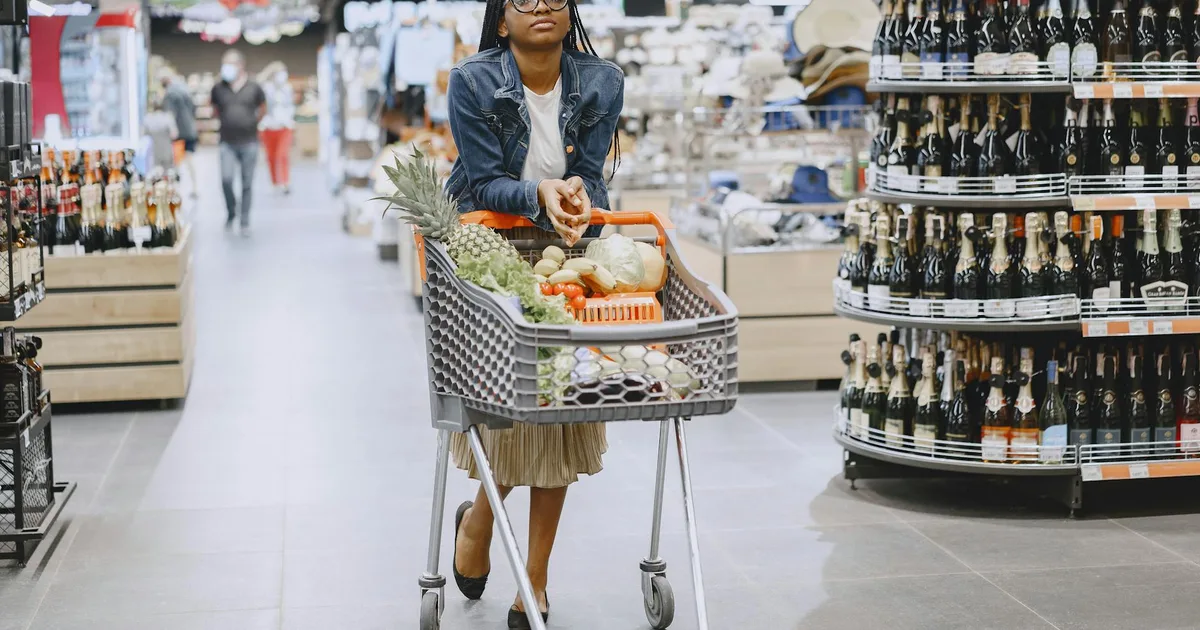
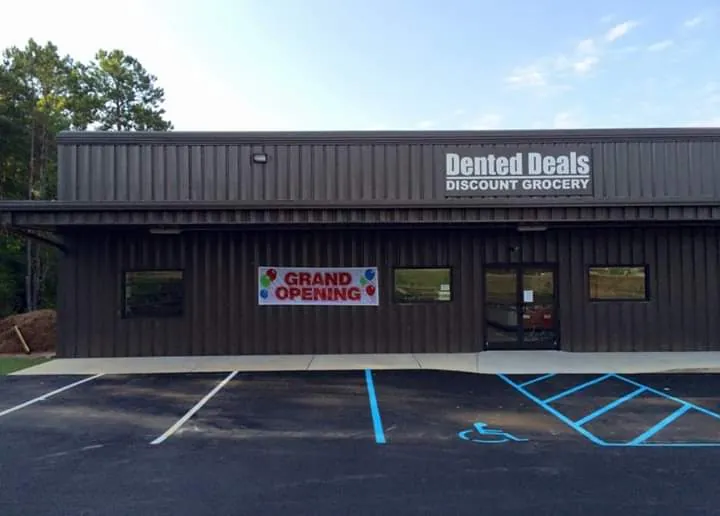
These stores go by a lot of names. Bent-n-dent stores. Scratch and dent grocery. Damaged goods grocery. Discount food stores. Some people just call them grocery outlets or food salvage stores. Whatever you call them, they all operate on the same basic idea: buy surplus, overstock, near-date, or cosmetically imperfect goods from manufacturers and larger retailers, then pass the savings directly to shoppers. Simple concept. Surprisingly powerful in practice.
Grocery prices have climbed hard over the past few years, and that pressure has pushed a lot of people to look at alternatives they might have dismissed before. But here's the interesting part: many shoppers who found these stores out of financial necessity have stayed loyal customers even when their budgets improved. That says something real about the experience itself, not just the price tags.
What Salvage Grocery Stores Actually Are (And How They Work)
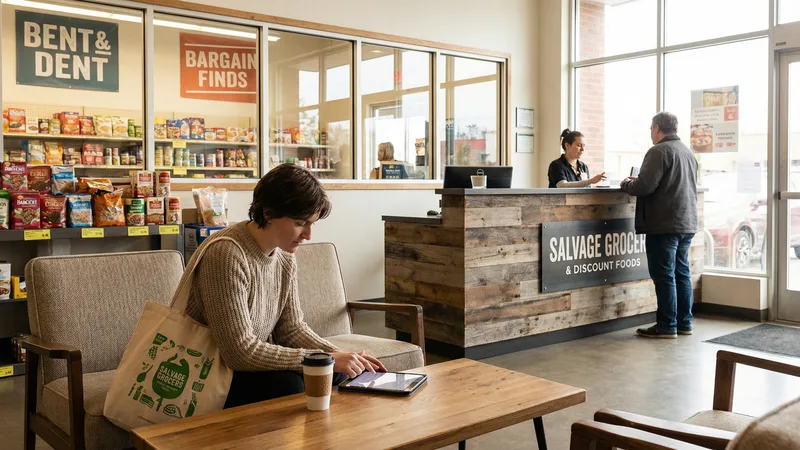
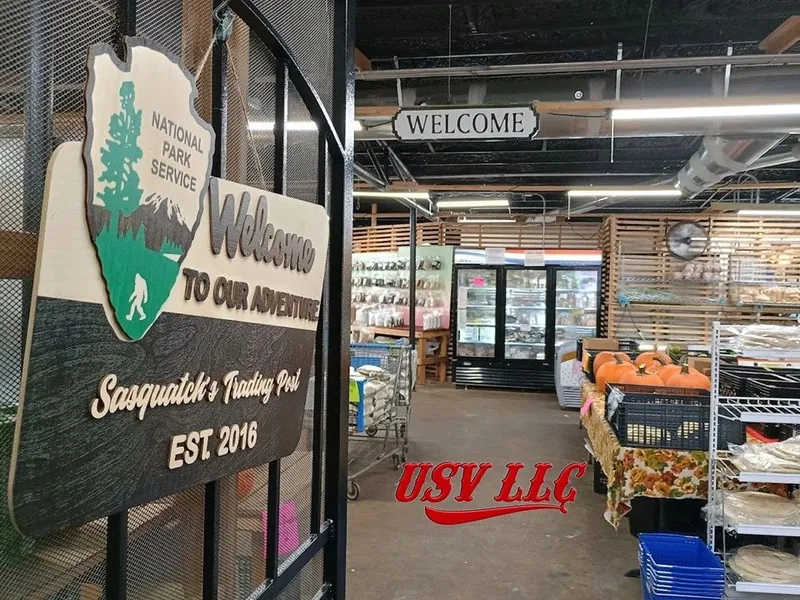
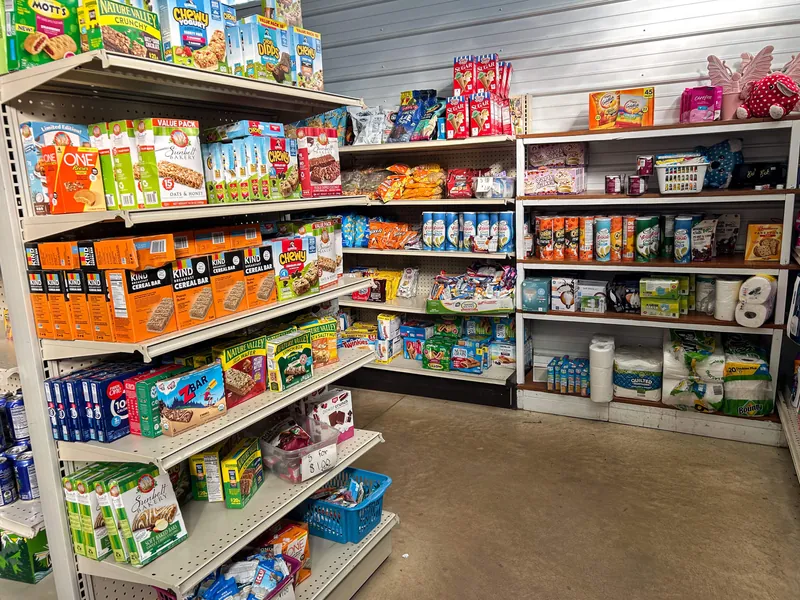
Walking into a salvage grocery store for the first time can feel a little disorienting if you're used to the perfectly organized aisles of a big chain supermarket. Products are stacked in ways that feel more warehouse than retail. Labels might be in a different language. A can might have a small dent on the side. And the product mix changes week to week, sometimes day to day, which means the store you visited last Tuesday will look noticeably different this Tuesday.
That's by design, because of how these businesses source their inventory.
Salvage grocers buy from a wide range of suppliers: manufacturers sitting on overstock they can't move, retailers clearing out discontinued product lines, insurance adjusters selling goods from warehouse fires or floods (where packaging got wet or smoky but the food inside is fine), and distributors with short-dated items that regular grocery chains won't accept because the sell-by window is too close. All of that product has to go somewhere. Salvage stores are where it goes.
One of the biggest misconceptions about these places is that "damaged" means "unsafe." That's almost never the case. A dented can does not automatically mean the food inside has been compromised. A box that got crushed during shipping still has perfectly good crackers inside. A label printed in Spanish on a product destined for the U.S. market is just an overstock situation, not a quality problem. Salvage store owners know this, and most of them pull anything that shows real signs of spoilage or seal failure before it ever hits the shelf.
The date label question comes up constantly, so it's worth being direct about it. "Best by" dates are about quality, not safety. A bag of chips that's two weeks past its best-by date will taste slightly less crisp, but it won't hurt you. "Sell by" dates are for store inventory management, not consumer guidance. "Use by" dates are the ones to actually pay attention to, especially on meat and dairy. Good discount grocery stores will have their own policies on what they accept, and many won't carry anything where the use-by date has already passed.
Best By / Best If Used By: Quality indicator, not a safety deadline. Fine to buy even if the date is close or passed.
Sell By: For store use. Doesn't mean the product is bad after this date.
Use By: The most important one, especially for perishables. Take this one seriously.
The Real Scale of This Market
There are 3,183 salvage grocery businesses listed across major U.S. markets. That is not a small niche. That's a full-blown retail category that most mainstream food coverage ignores almost entirely.
Houston leads by listing volume with 83 businesses, followed by Brooklyn with 61, Philadelphia with 46, and Los Angeles with 41. Those four cities alone account for a big chunk of listings, and the pattern makes sense when you think about it. Dense urban populations, high cost of living, and culturally diverse communities that are already accustomed to seeking out specialty and imported goods at lower prices. Brooklyn shoppers in particular are notorious for knowing their options, and a 61-listing count reflects that.
And the customer satisfaction numbers are genuinely impressive. An average rating of 4.3 stars across thousands of businesses is not what you'd expect from a category that critics sometimes dismiss as low-quality or disorganized. That rating is higher than many chain supermarkets pull in their own reviews. Shoppers are not just tolerating these stores. They are actively happy with them.
| Business Name | Location | Rating | Reviews |
|---|---|---|---|
| Salvage Saviors | Katy, Texas | 5.0 ★ | 718 |
| Re_ Grocery | Studio City, California | 5.0 ★ | 224 |
| Re_ Grocery | Los Angeles, California | 5.0 ★ | 191 |
Salvage Saviors in Katy, Texas sits at 5.0 stars across 718 reviews, which is a number that most established businesses never reach. 718 people took the time to leave a review and every single rating averaged out to perfect. That does not happen by accident. Re_ Grocery, with locations in both Studio City and Los Angeles, pulls 5.0 stars across a combined 415 reviews, suggesting they've built something genuinely worth seeking out in the Southern California market.
(Worth noting: two other businesses in the top-rated list, House of Milner Jewelers and Hegwood's Towing LLC, appear to be directory misclassifications rather than actual food salvage operations. The data is still useful for understanding the overall rating picture across legitimate grocery listings.)
Why More Shoppers Are Choosing Discount Grocery Stores Right Now
Food inflation hit hard, and people noticed. When eggs doubled in price and a bag of name-brand cereal started costing seven dollars, a lot of households started actually looking at what they were spending at the grocery store for the first time in years. Discount food stores offer a direct answer to that problem. Shoppers consistently report saving 30 to 70 percent compared to regular retail prices on comparable items, and that range is wide because it depends heavily on what's in stock on any given day.
But savings alone don't explain the loyalty these stores generate.
There's a real environmental angle here too, and it's driving a younger demographic into these stores more than any price pressure. Roughly 30 to 40 percent of the food produced in the United States never gets eaten. It gets thrown away somewhere in the supply chain, often at the retail or manufacturing level, before it ever reaches a consumer. Buying near-date goods, overstock items, and cosmetically imperfect products directly diverts that food from landfills. Some shoppers care about this as much as the savings, maybe more. A scratch and dent grocery run becomes a small act of environmental responsibility, which is a much easier sell to a 28-year-old than "here's a cheaper option."
And then there's the hunt. This is genuinely hard to explain to someone who hasn't experienced it, but walking into a bent-n-dent store and finding a $14 jar of high-end Italian pasta sauce for $2.50, or stumbling across a case of a fancy sparkling water brand you've seen at Whole Foods for triple the price, gives you a small but real hit of excitement. It's not shopping. It's foraging. And people who get into it tend to get really into it.
Regular supermarket shopping is predictable by design. You go in, you get what's on the list, you leave. Salvage grocery stores break that pattern entirely, and for a lot of people, that's actually more fun.
Expect a rotating mix of: canned goods, dry pantry staples, snack foods, condiments, cereals, frozen items (at stores with freezer sections), beverages, personal care products, cleaning supplies, and occasionally specialty or imported foods. Produce and fresh meat are less common but not unheard of at larger operations.
What to Actually Expect on Your First Visit
Go in without a fixed shopping list. Seriously. If you walk in expecting to check off 20 specific items the way you would at a regular supermarket, you'll leave disappointed every time. Salvage grocery shopping works best when you approach it with flexibility, both in what you're willing to buy and in how much time you're willing to spend looking.
Products are usually grouped by category but don't expect the same visual merchandising you'd see at a chain store. Cans might be stacked in open cardboard boxes on pallets. Packaging might be marked up with a grease pencil price rather than a printed label. Some items will have no English on them at all, which can be a delightful surprise or mildly confusing depending on your mood. I've seen full pallets of South Korean instant noodles appear in a small-town Pennsylvania discount food store, sold for about forty cents a pack. Completely inexplicable, extremely good.
Check dates on everything you pick up. Most good salvage stores do their own sorting, but you are still your own best advocate here. Flip the can over. Look at the seal on the jar. Give the bag a gentle squeeze to see if it's still pressurized. These are habits that take about thirty seconds per item and become second nature fast.
Visit often and visit without urgency. Inventory turns over constantly. A lot of regulars at these stores stop in two or three times a week, not to do a full shop each time, but to see what's new. Some stores get deliveries on specific days and local regulars figure out the schedule pretty quickly. Ask the staff. They usually know.
Bring reusable bags. Many of these stores do not offer bags at all, or charge for them. Cash is often preferred, though most places accept cards. Store hours can be irregular compared to big chains, so checking before you make the trip is a good habit.
Store layout is what it is. Warehouse-style shelving, concrete floors, no fancy ambient lighting. Clean and organized in most cases, but not aesthetically polished. If you need the full retail experience to feel comfortable grocery shopping, this might be an adjustment. Most people stop noticing within about ten minutes of their first visit.
Finding a Discounted Grocery Store Near You
Grocery directory websites are the most straightforward way to find salvage grocery stores and bent-n-dent shops in your area. You can search by city, ZIP code, or region and pull up listings that include addresses, hours, payment methods, and often customer reviews. With 3,183 businesses in the directory, there's a real chance one is closer to you than you'd expect.
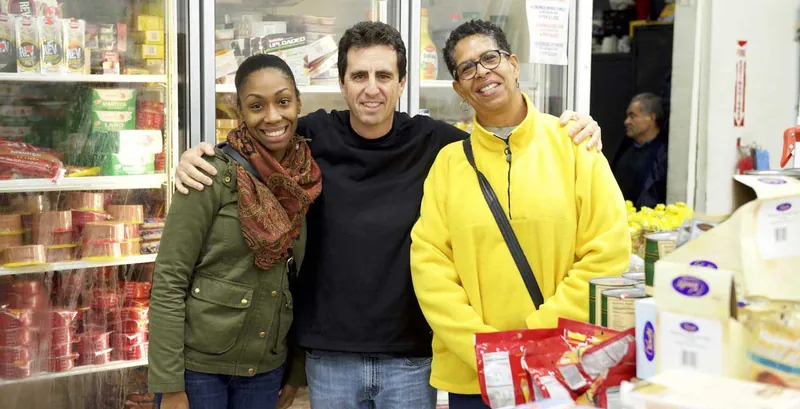
But honestly, word of mouth is how most loyal customers found their store. Ask around. Post in a neighborhood Facebook group or a local community app and ask where people find discounted groceries nearby. You'll almost always get a few answers, often with strong opinions attached. People who love their local salvage store tend to love it loudly.
Community boards, local subreddits, and even church bulletin boards are all places where these stores get mentioned, especially in smaller towns where the store might not have a big online presence or consistent social media. Some of the best discount food stores barely have a website. They don't need one because their regulars keep them busy.
When you find a listing or a recommendation, check a few things before you go: hours (these can be shorter or more irregular than typical grocery stores), whether they accept credit cards or prefer cash, and whether they have any specialty focus like a store that's mainly bulk dry goods versus one that carries a lot of frozen and refrigerated items. A quick call ahead saves a wasted trip.
1. Search a grocery directory by ZIP code or city name.
2. Ask in local Facebook groups or neighborhood apps.
3. Search terms like "discount food store near me," "bent-n-dent store [your city]," or "scratch and dent grocery [your area]" in Google Maps.
4. Check community boards, local subreddits, or ask neighbors.
5. Call ahead to confirm hours and payment methods before your first visit.
Frequently Asked Questions
Are salvage grocery store products safe to eat?
In most cases, yes. Cosmetic damage to packaging, like dents, torn labels, or crushed boxes, does not indicate that the food inside is unsafe. Reputable salvage stores inspect their inventory and remove items with compromised seals or obvious spoilage. That said, always check dates and packaging condition yourself before buying, especially on canned goods (avoid deep dents on seams) and anything with a use-by date that's already passed.
How much can I actually save at a discount grocery store?
Savings vary widely depending on what's in stock and what you're comparing against, but 30 to 70 percent off regular retail prices is a realistic range. Some items, particularly overstock specialty goods, can be marked down even further. Name-brand items are common finds, often at prices well below what you'd pay at a major chain.
What's the difference between a salvage grocery store and a regular discount grocery chain?
Chains like Aldi or Lidl offer low prices through efficient private-label sourcing and simplified operations. Salvage or bent-n-dent stores are different: their inventory is opportunistic and unpredictable, sourced from overstock and surplus rather than standard supply chains. In practice, the prices can be lower, but the selection changes constantly and you can't count on finding the same items twice.
Do these stores accept credit cards and EBT?
Many do, but not all. Cash is commonly preferred at smaller operations, and EBT acceptance varies by store. Always check before you go. Directory listings often include payment method information, or you can call the store directly.
How do I know if a salvage store near me is reputable?
Customer reviews are your best starting point. A store averaging 4 stars or above across a solid number of reviews is generally a good sign. Check whether the store looks clean and organized on your first visit, whether staff can answer questions about product sourcing, and whether anything past its use-by date is being sold without disclosure. A good salvage grocer is proud of how they source and will tell you.
Find a Salvage Grocery Store Near You
Browse our directory of 3,183+ discount grocery businesses across the U.S. Search by city, ZIP code, or store name to find bent-n-dent stores, scratch and dent groceries, and discount food stores in your area.
Search the Directory