The Growing Demand for Salvage Grocery Stores: Why Millions of Shoppers Are Embracing Bent-N-Dent Finds
Picture this: you're standing in a regular supermarket, staring at a $6 can of coffee that cost $4 just two years ago, and somewhere in the back of your head a small voice says there has to be a better way. For millions of Americans right now, there is. Salvage grocery stores, also known as bent-n-dent stores, scratch and dent grocery shops, and food salvage stores, have quietly built a massive following among shoppers who are done paying full retail for groceries they could get cheaper somewhere else.
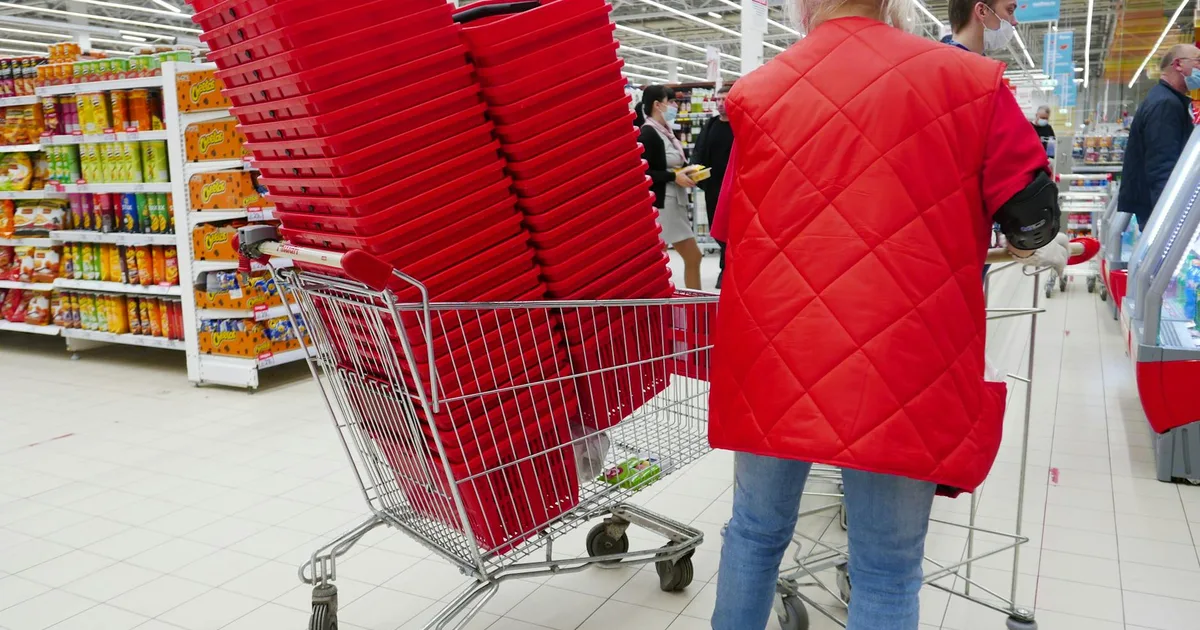
These stores are not a new idea. Discount food stores have existed in rural communities for decades, often tucked into old warehouses or strip malls with hand-painted signs and no loyalty card program in sight. But something has shifted recently. Rising food costs, a growing awareness around food waste, and honestly just a vibe shift in how people feel about "imperfect" products have pushed salvage grocery shopping from a niche habit into something much bigger. This article covers how these stores work, why shoppers love them, what the data says about where they're thriving, and how you can find one near you.
What Is a Salvage Grocery Store and How Does It Actually Work?
Most people's first question is: where does all this stuff come from? Fair question. Salvage grocers source their inventory from a few different places: manufacturer overstock, products that got discontinued mid-production run, items with damaged or misprinted packaging, short-dated goods that are approaching their best-by dates, and sometimes insurance claims from warehouse accidents or transport mishaps. A pallet of canned beans that got wet in a truck accident might be perfectly fine inside but looks rough on the outside. A snack brand that changed its logo might have thousands of units in the old packaging it can't sell at full retail. That is where a salvage grocery store steps in.
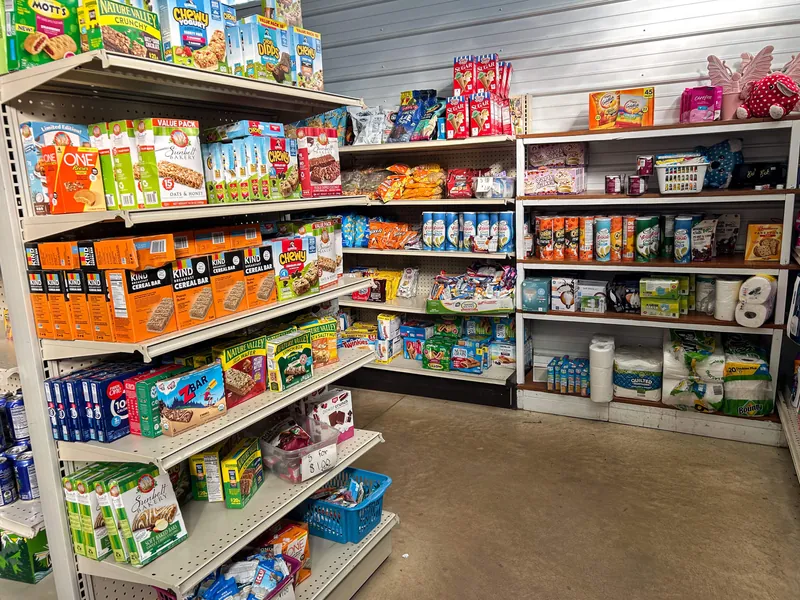
Shelves at these places typically carry canned goods, dry goods like pasta and cereal, snacks, condiments, beverages, and sometimes frozen or refrigerated items depending on the store's setup. Inventory is almost never consistent from week to week, which is part of the charm (more on that in a minute). Prices are marked low because the store bought the product cheap, not because something is wrong with what's inside the package.
And this is the part worth repeating clearly: a dented can does not mean bad food. A "best by" date is a manufacturer's estimate of peak quality, not an expiration date tied to safety. Most dry goods, canned items, and packaged snacks are safe and fully consumable well past that printed date. Salvage grocery stores do not sell spoiled food. They sell food that did not make it through the conventional retail system for reasons that have almost nothing to do with what is actually in the package.
Best-by and sell-by dates are about quality, not safety, for most shelf-stable products. The USDA has stated that canned goods can remain safe to eat for years beyond the printed date as long as the can is not bulging, rusting, or badly dented along the seam. Shopping at a discount food store does not mean compromising on food safety. It means understanding what those labels actually mean.
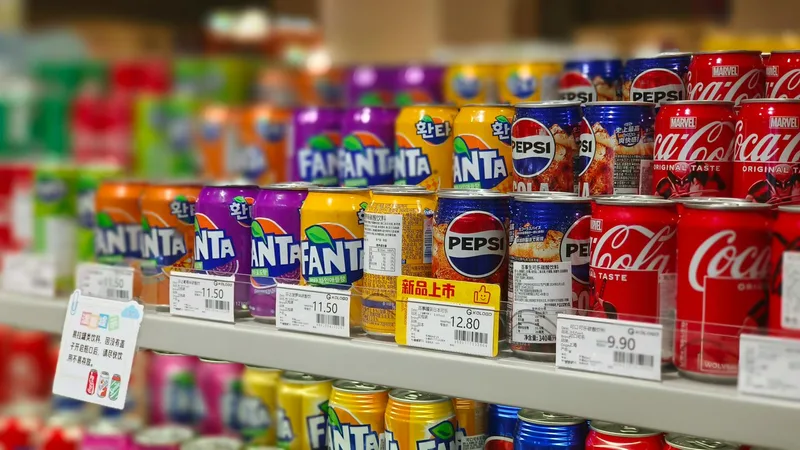
By the Numbers: A Growing Industry With Strong Ratings
Here is something that genuinely speaks to how this sector is performing. Across our business directory, there are 3,183 salvage and discount grocery businesses listed, and they carry an average customer rating of 4.3 stars. That is not a marginal satisfaction score. For context, that kind of rating in any service-based industry reflects a customer base that is not just tolerating their experience but actively recommending these stores to other people.
Geography tells an interesting story too. Houston leads with 83 listings, followed by Brooklyn with 61, Philadelphia with 46, and Los Angeles with 41. That concentration in dense urban markets makes sense when you think about it. City residents often have smaller budgets for groceries, less car access for big-box store runs, and a higher general tolerance for non-traditional retail formats. Brooklyn in particular has a long history of discount and closeout shopping culture that goes back generations.
But the presence of places like Houston on that list, a sprawling city with plenty of traditional grocery options, suggests something else: people are actively choosing these stores, not just defaulting to them. Shoppers in Houston are seeking out a discount grocery store as a preference, not just a fallback.
Now look at the top-rated individual businesses in the directory:
| Business Name | Location | Rating | Reviews |
|---|---|---|---|
| Salvage Saviors | Katy, Texas | 5.0 ★ | 718 |
| Re_ Grocery | Studio City, California | 5.0 ★ | 224 |
| Re_ Grocery | Los Angeles, California | 5.0 ★ | 191 |
| House of Milner Jewelers | Philadelphia, Pennsylvania | 5.0 ★ | 531 |
| Hegwood's Towing LLC | Brandon, Mississippi | 5.0 ★ | 277 |
*Note: Some listings in the directory reflect businesses categorized across multiple sectors. Salvage Saviors and Re_ Grocery represent the strongest pure grocery performers on this list.
Salvage Saviors in Katy, Texas has 718 reviews at a perfect 5.0. That is not luck. A business does not earn 718 positive reviews without doing something consistently right, whether that is pricing, product selection, or just being a genuinely good place to shop. Re_ Grocery showing up twice in California (Studio City and Los Angeles) with top marks is also worth noting. It signals a concept strong enough to replicate successfully.
Why Shoppers Keep Coming Back
Money is the obvious reason. Savings at bent-n-dent stores and similar discount grocery outlets typically run between 30 and 70 percent below conventional retail prices. On a family grocery budget of $800 a month, that math adds up fast. Even at the conservative end of that range, a shopper saving 30 percent is keeping $240 in their pocket every month, or nearly $3,000 a year. That is not a rounding error. That is a car payment, a vacation, a chunk of credit card debt gone.
Saving money on groceries this way is not just for people who are struggling. That is the demographic shift that has surprised a lot of observers over the past few years. Middle-income households, dual-income families, people with college degrees and full-time jobs, they are all showing up at these stores. Groceries on a budget is no longer a phrase with a stigma attached. Being smart about food spending has become a point of pride in a lot of communities.
And then there is the treasure-hunt factor. Walk into a salvage grocery store on a Tuesday and the shelves might have discontinued Trader Joe's sauces, a Japanese snack brand you have never heard of, six flavors of a regional chip brand, and a case of sparkling water for a dollar. Walk in on Friday and the whole thing has changed. People genuinely enjoy this. The unpredictability is a feature, not a bug.
One thing worth knowing if you are new to these stores: go with a flexible list. Shoppers who walk in expecting to find exactly what they planned for dinner will be frustrated. Shoppers who walk in curious and adaptable usually leave very happy.
Canned goods, boxed dry goods, condiments, coffee, tea, shelf-stable snacks, and packaged cereals are almost always a safe and smart buy at a damaged goods grocery store. Be more careful with refrigerated or frozen items and always check that packaging seals are intact. Skip anything with a can that's bulging or seam-damaged, regardless of the price.
The Environmental Argument for Shopping at Food Salvage Stores
Roughly 30 to 40 percent of food produced in the United States never gets eaten. It gets tossed at the farm, the warehouse, the store, or at home. That is a staggering number when you sit with it for a second. A food salvage store is one of the few places in the retail system specifically designed to catch food before it hits that last step toward a landfill.
Overstock products that did not sell before a retailer's promotional period ended. Packaged goods with a printing error on the label. Discontinued flavors cleared out of a warehouse. All of this material would otherwise get destroyed. A scratch and dent grocery store gives it a second chance at actually being eaten, which is, you know, the entire point of food.
For shoppers who care about sustainability, this is a genuinely appealing angle. Buying from a discount food store means you are participating in a system that reduces waste, not just personally saving money. Both things can be true at the same time, and increasingly that combination is what's drawing younger, environmentally conscious consumers into these stores alongside longtime bargain shoppers.
Re_ Grocery in California, which earned perfect ratings at both its Studio City and Los Angeles locations, has built its entire identity around this idea. Food that would otherwise be wasted, sold at prices people can actually afford. That framing resonates. A lot.
Parking lots at salvage grocery stores, at least the ones I have been near, are usually full. That small observation says more than most marketing surveys could.
How to Find and Evaluate a Salvage Grocery Store Near You
Searching for "discounted grocery store near me" or "grocery outlet near me" in Google or any major search engine will pull up options in most mid-size to large cities. Business directories are another strong resource, and often more thorough than search engines for this particular category since many smaller salvage grocers do not invest in SEO or paid advertising. They rely on word of mouth and repeat customers, which honestly says something good about them.
Local Facebook groups and neighborhood apps are surprisingly useful for this. People post tips constantly about which stores just got a new shipment or which one has the best prices on pantry staples this week. If you are looking for where to find discounted groceries in a new city, these community sources will often beat a generic web search.
Once you find a store, here is what to look for before you trust it with your grocery budget. The place should be clean and organized. Lighting matters because it affects your ability to read dates and inspect packaging. Check that canned goods are not bulging and that dry goods packaging is sealed. A good salvage grocery store will clearly mark dates on items and often organize by category even with inconsistent inventory. Staff should be able to answer basic questions about where products came from.
Skip any store where you feel pressured to buy quickly, where refrigerated items are stored at questionable temperatures, or where the staff cannot tell you anything about the products. Those are red flags in any grocery context, but they matter more when you are buying non-standard inventory.
Salvage Saviors in Katy, Texas is a good benchmark for what a well-run store looks like in practice. Nearly 720 reviews at five stars means shoppers are not just visiting once. They are coming back, telling friends, and writing about it. That kind of loyalty in the grocery space is genuinely hard to build.
Bring a cooler if the store carries refrigerated or frozen items. Bring cash as some smaller salvage grocers do not accept cards. Go without a rigid shopping list and treat it like a farmers market: see what's good today. And check the bottom shelves. That's usually where the deepest discounts end up, because most shoppers never look down there.
Frequently Asked Questions About Salvage Grocery Stores
Are salvage grocery stores safe to shop at?
Yes, in general. Most products sold at salvage grocery stores are fully safe and consumable. Cosmetic damage to packaging does not affect food safety in shelf-stable products. You should always inspect cans for bulging, seam damage, or rust, and check that sealed packages are intact. Treat refrigerated and frozen items the same way you would anywhere else.
How much can I actually save at a bent-n-dent store?
Savings typically range from 30 to 70 percent compared to conventional grocery retail prices. In practice, the exact amount depends on the product category and the specific store. Canned goods, beverages, and snacks tend to see the highest discounts. Some items might only be 20 percent off while others are 80 percent off. You will rarely pay close to full retail at these stores.
What kinds of products do salvage grocery stores carry?
Canned goods, dry goods (pasta, rice, cereal, flour), packaged snacks, condiments, beverages, coffee and tea, and sometimes refrigerated or frozen items. Inventory changes frequently because it depends on what overstock or closeout products the store has sourced recently. Expect variety, expect inconsistency, and expect some genuine surprises.
How do I find a discount grocery store near me?
Search online directories, use Google with terms like "salvage grocery store near me" or "scratch and dent grocery near me," and check local community groups on Facebook or neighborhood apps. Word of mouth is strong in this category, so asking around in your community often turns up stores that do not show up in regular web searches.
Is this type of shopping only for people on tight budgets?
Not at all. While financial savings are a major driver, a growing number of middle-income and higher-income shoppers choose salvage and discount grocery stores for the unique products, the treasure-hunt experience, and the environmental benefit of reducing food waste. These stores appeal across income levels, and that trend has grown significantly in recent years.
How many salvage grocery businesses are there in the United States?
Our directory currently lists 3,183 salvage and discount grocery businesses, with strong concentrations in Houston (83 listings), Brooklyn (61 listings), Philadelphia (46 listings), and Los Angeles (41 listings). That number reflects a sector that has grown considerably as consumer interest in discounted grocery shopping has increased.
Find a Salvage Grocery Store Near You
Browse our directory of 3,183+ salvage and discount grocery businesses across the country. Filter by city, check ratings, and find your next great deal on groceries.
Search the Directory