Top 10 Money-Saving Tips for Shopping at Bent-n-Dent Stores
Grocery prices have climbed roughly 25% over the last four years, and most households are feeling it every single week at checkout. But here's what a lot of people still don't know: there are more than 3,183 bent-n-dent stores operating across the country right now, averaging a 4.3-star customer rating, offering 40% to 70% off what you'd pay at a conventional grocery store. The savings are real, they're consistent, and they're available in almost every major metro area.
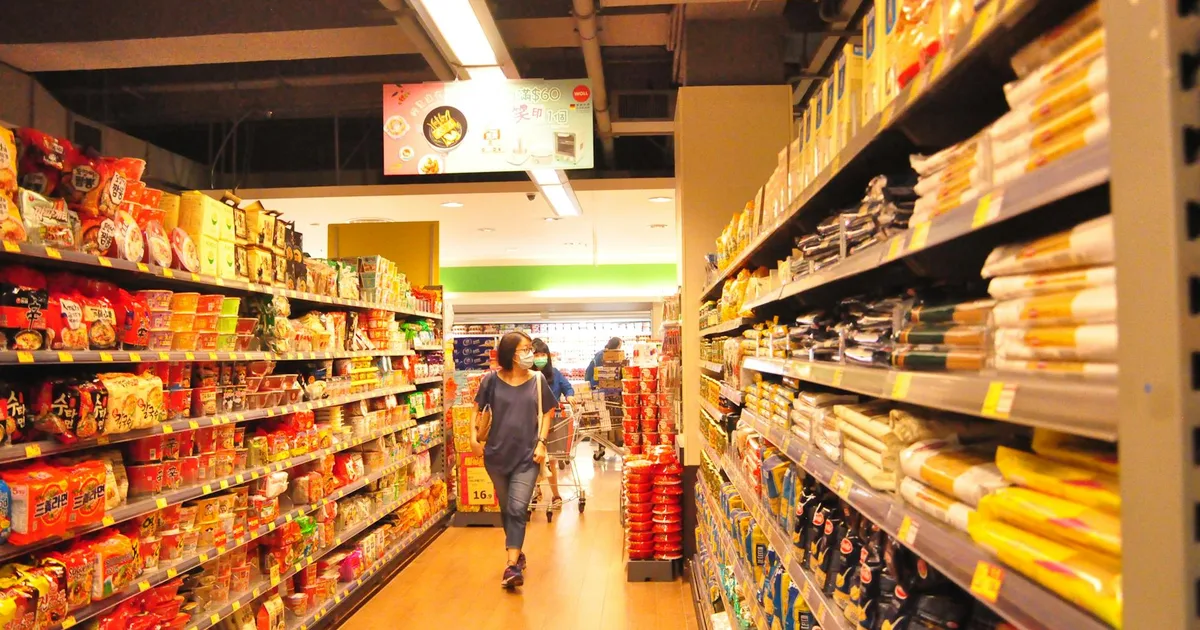
So what exactly is a bent-n-dent store? These are also called scratch and dent grocery stores, salvage grocery stores, discount food stores, or damaged goods grocery outlets, depending on where you live. Inventory comes from three main places: products with cosmetically damaged packaging (a dented can, a crushed cereal box), overstock items that major retailers couldn't sell, and short-dated products approaching but not past their best-by dates. None of those categories mean the food is unsafe. They just mean the original seller had a problem moving it at full price.
This guide covers 10 specific, actionable tips that will help you stretch your dollar further at these stores. Whether you're a first-time visitor trying to understand how pricing works, or someone who already shops at a discount food store and wants to get more out of each trip, there's something here for you. We'll cover pricing structures, timing strategies, what categories to focus on, how to read date labels correctly, and more.
Understanding How Bent-n-Dent Stores Work Before You Walk In
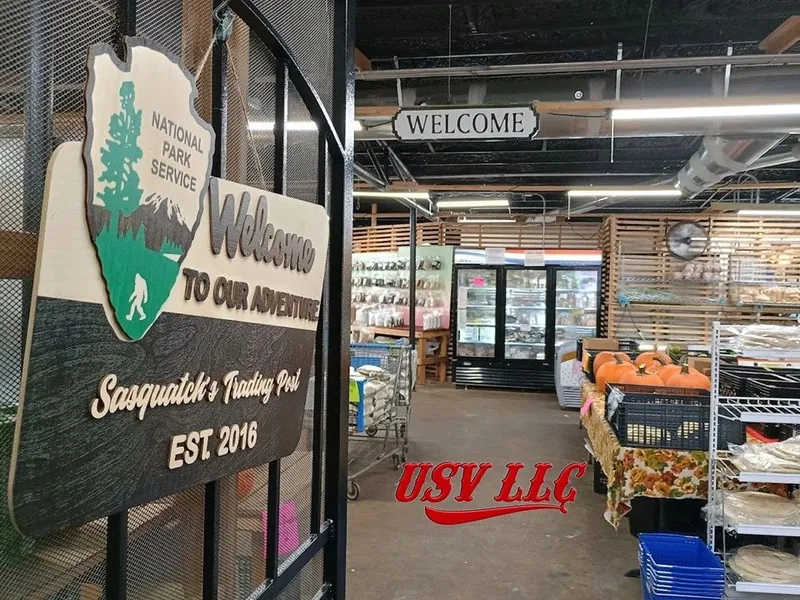
Most people who've never been to a salvage grocery store expect something like a liquidation warehouse with mystery boxes and expired products stacked to the ceiling. That's not quite right. A well-run discount grocery store looks more like a small neighborhood market, just with more interesting finds and much lower price tags. Salvage Saviors in Katy, Texas, for example, holds a 5.0-star rating across 718 reviews, that's not the kind of score a chaotic, unpredictable store earns.
Pricing at these stores usually works in one of three ways. Some products sit on regular shelves with a percentage already knocked off the retail price, often 30% to 50%. Others are tossed into flat-rate bins where everything costs the same amount regardless of what it is, $1 a can, $2 a box, that sort of thing. And then there are rotating weekly markdowns, which is where you find the deepest cuts if you time your visits right. Knowing which system a store uses before you go in saves a lot of confusion.
Inventory is inconsistent. That's just the nature of these places, and it's better to walk in knowing that than to be frustrated when your favorite brand isn't there. One week you'll find 40 cases of a name-brand pasta sauce. Next week it's gone and they've got a wall of granola bars instead. Honestly, that unpredictability is part of what makes it fun, but only if you're shopping with flexibility instead of a rigid list.

Tip 1: Know the Real Numbers Before You Shop
Going in without a price reference is one of the most common mistakes shoppers make at a scratch and dent grocery store. You see a jar of pasta sauce for $1.29 and assume it's a deal, but is it? Check the table below. At a conventional grocery store, a 24 oz jar typically runs $3.49. At a bent-n-dent store, the same jar runs $0.99 to $1.49, which works out to a 57% to 72% savings. That's a meaningful number when you're buying six jars.
| Product Category | Avg. Conventional Price | Avg. Bent-n-Dent Price | Estimated Savings |
|---|---|---|---|
| Canned vegetables (per can) | $1.49 | $0.49–$0.69 | 50–67% |
| Breakfast cereal (name brand, 18 oz) | $5.99 | $1.99–$2.49 | 58–67% |
| Pasta sauce (24 oz jar) | $3.49 | $0.99–$1.49 | 57–72% |
| Snack bars / granola bars (box) | $6.49 | $1.99–$2.99 | 54–69% |
| Dry pasta (16 oz) | $1.79 | $0.59–$0.79 | 56–67% |
| Condiments (ketchup, mustard, etc.) | $3.99 | $1.29–$1.79 | 55–68% |
| Canned soup (per can) | $2.29 | $0.69–$0.99 | 57–70% |
Save a screenshot of this table or jot down the conventional prices for your most-bought items before your first trip. When you're standing in the aisle trying to decide whether to grab 12 cans of soup, you want that reference point in your hand, not in your head.
Before your first visit to a discount food store, spend 10 minutes writing down the regular prices of your top 15 grocery staples. Take that list with you. Shoppers who do this report making faster, more confident buying decisions and avoid "deal fatigue" where everything starts looking cheap regardless of actual savings.
Tip 2: Focus on the Best Categories First
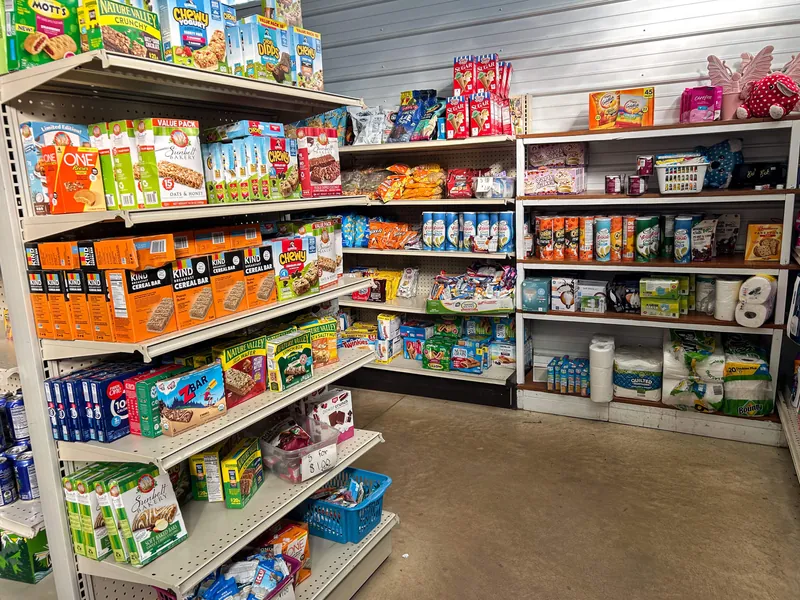
Not everything at a damaged goods grocery outlet is discounted equally. Canned goods, dry pasta, breakfast cereals, condiments, and snack foods tend to show the deepest and most consistent discounts. Canned vegetables at 50 to 67% off. Cereal at 58 to 67% off. Dry pasta at 56 to 67% off. These categories hold up well because a dented can or a crushed box does not affect the product inside at all.
Produce and refrigerated items are a different story. Some stores carry them, some don't, and the discount is usually smaller because the margin for the store is tighter on perishables. Focus your first few trips on shelf-stable categories. Build your pantry cheap. Then, once you know a particular store well, you can decide if their refrigerated section is worth adding to your rotation.
Bulk buying in the high-savings categories makes sense here. If canned soup is $0.69 to $0.99 versus $2.29 at a regular store, and you eat soup twice a week, buying 20 cans at once saves you roughly $25 to $30 compared to buying them one at a time over a month at full price. That compounds fast.
Tip 3: Learn the Date Label System, It's Not What You Think
This is probably the most misunderstood part of shopping at any discount grocery store. A lot of shoppers see a "best by" date that's two weeks out and put the product back. That's leaving money on the table. "Best by" and "sell by" dates are manufacturer quality suggestions, not safety deadlines. They're telling you when the product will taste its best, not when it becomes dangerous to eat.
The data tells a different story than common fear suggests. Canned goods can remain safe for years past their printed date if the can is intact and undamaged. Dry pasta, cereals, and most packaged snacks have a similar story. The USDA and FDA both make clear that most "best by" dates have nothing to do with safety. Short-dated products at a salvage grocery store are not a risk. They're an opportunity.
Actually, there's one exception worth noting: products with a "use by" date on meat, dairy, or fresh items. Those dates do carry more weight. But the shelf-stable products that make up the bulk of what bent-n-dent stores carry? A "best by" date is mostly about peak flavor, not a hard stop.
Best By / Best If Used By: Quality suggestion only. Safe well past this date for most shelf-stable products.
Sell By: Inventory management for retailers. Not a safety date.
Use By: Closest to a true expiration. Pay more attention on perishables.
Freeze By: Recommendation for freezing, not a safety cutoff.
Tip 4: Go Early in the Week for the Best Selection
Most salvage grocery stores get new shipments in the early part of the week. Monday through Wednesday is when inventory is freshest and most varied. If you shop on Saturday afternoon, you're picking through what nobody else wanted. That's not always bad, sometimes the leftovers are still great deals, but for the best selection, earlier in the week wins.
Re_ Grocery in Studio City, California holds a 5.0-star rating from 224 reviews. Re_ Grocery in Los Angeles holds 5.0 stars from 191 reviews. Stores that earn that kind of rating typically have a loyal following, which means popular inventory moves fast. Being an early-week shopper at a high-rated store makes a real difference in what you take home.
Tip 5: Use a Flexible Shopping List, Not a Fixed One
Here's the fundamental mindset shift that separates shoppers who love these places from shoppers who feel frustrated by them. You can't walk into a bent-n-dent store expecting to find exactly what's on your grocery list. Inventory is whatever came in from overstock, cosmetic damage returns, or short-dated lots. It changes every week.
A flexible list works much better. Instead of writing "Hunt's pasta sauce, 24 oz," write "pasta sauce, any brand, 24 oz or larger." Instead of "Cheerios," write "breakfast cereal, any variety." This approach lets you shop the deals that are actually there, rather than hunting for something specific that probably isn't. Shoppers who work this way report significantly larger savings per trip because they're not leaving empty-handed when one item is unavailable.
Plan your meals around what you find, not before you go. This is a real habit change, but once you get used to it, it works well. You walk out with $80 worth of pantry staples for $30, instead of $12 worth of one specific item you were determined to find.
Tip 6: Stock Up on Pantry Staples, Not Perishables
In practice, the math is simple. Canned goods don't expire quickly. Dry pasta keeps for months or years. Cereals, condiments, cooking oils, sauces, and soups all have long shelf lives. These are your core targets at any discount grocery store. Buy more than you think you need when the price is right, because it might not be there next visit.
A good rule of thumb: if a product is 50% or more off and you'd normally buy it anyway, grab as much as you can reasonably store. Buying 10 cans of diced tomatoes at $0.49 instead of $1.49 saves you $10 in one move. Do that across a dozen categories in a single shopping trip and you've cut your monthly grocery bill by a serious amount.
One more thing worth saying directly: storage space is actually an investment here. If your pantry is tiny, consider adding a few shelving units just for bulk salvage grocery purchases. Typically, the upfront cost of $30 in shelves pays for itself the first time you stock up on canned goods at 60% off.
Tip 7: Check Multiple Stores in Your Area
Houston has 83 listings in the directory. Brooklyn has 61. Philadelphia has 46. Los Angeles has 41. Those numbers mean most urban shoppers have multiple options within a reasonable driving distance, and each store gets different inventory because they're sourcing from different suppliers and retailers.
Store A might specialize in grocery overstock from big-box retailers and always have great cereal and snack deals. Store B might focus more on cosmetically damaged premium products and carry a lot of condiments and cooking sauces. Knowing two or three stores in your area and what each one tends to carry turns your shopping into a real system rather than a single weekly stop. Even in smaller cities, searching "where to find discounted groceries near me" in the directory often pulls up more options than people expect.
Visiting two stores per shopping trip sounds like extra work, but if they're geographically close, you can cut your grocery spending significantly in one run. Think of it as a circuit, not a chore.
Tip 8: Inspect Before You Buy, There Is a Right Way to Do It
A dented can is usually fine. A bulging can is not. That distinction matters. Bulging, rusted through, or deeply punctured cans can indicate bacterial contamination and should be skipped without exception. But a can with a ding on the side from being dropped in a warehouse? That's exactly the kind of product these stores are built around, and the food inside is perfectly safe.
For packaged dry goods, check that the bag or box seal is intact. A cereal box with a crushed corner is fine if the inner bag is sealed. Pasta in a torn-open bag is a skip. Condiment jars with intact lids and seals are safe regardless of label damage. Spend 10 seconds checking each item before it goes in your cart, and you'll have zero issues.
✅ Cans: No bulging, no deep rust, no open seams
✅ Jars: Lid sealed, no cracks in glass
✅ Dry goods: Inner packaging intact
✅ Boxes: Contents sealed inside even if exterior is damaged
❌ Skip: Bulging cans, broken jar seals, torn inner bags
Tip 9: Build a Relationship With the Store Staff
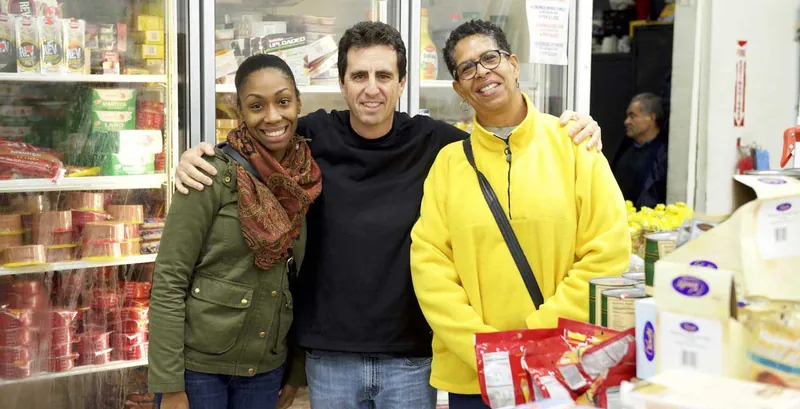
This one sounds soft but it's backed by practical results. Staff at discount food stores often know when new shipments are coming in and what's going to be on the floor. Regular customers who ask questions and show genuine interest sometimes get first access to new inventory or a heads-up about a particular product coming in.
Stores like Salvage Saviors in Katy, Texas, with 718 reviews and a 5.0-star rating, didn't build that reputation by accident. Those high-rated bent-n-dent stores typically have staff who actually enjoy talking about their inventory. Ask. "Do you get cereal in often?" or "When do you usually restock?" are simple questions that give you a real shopping advantage over time.
And honestly, small local salvage grocery stores appreciate loyal customers in a way that a giant chain does not. Being known there has real perks.
Tip 10: Track Your Savings to Stay Motivated
This might sound like extra work, but it takes about 90 seconds per trip and the results are motivating in a way that keeps the habit going. Keep a simple note on your phone: what you bought, what you paid, and what the conventional price would have been. After four or five trips, you'll have a clear picture of actual monthly savings.
Shoppers who track their savings at discount grocery stores consistently report $50 to $150 in monthly savings once they've built a routine. Over a year, that's $600 to $1,800 back in your pocket, and that's a conservative estimate for a household of two or more. Families with kids and bigger grocery bills frequently report even more.
Contrary to popular belief, shopping at a damaged goods grocery outlet isn't just a strategy for people in financial hardship. It's smart money management regardless of income level. A dollar saved on pasta sauce is a dollar you didn't have to earn.
A Few Last Thoughts
Bent-n-dent stores work best when you approach them as a system rather than an occasional experiment. Shop consistently, track savings, learn your local stores, and build your pantry around what's available at deep discounts. The 4.3-star average rating across 3,183 listed businesses tells you that shoppers who try these places mostly love them. That's not an accident.
If you've never been to a scratch and dent grocery store, the first visit can feel a bit disorienting, the layout is different, the brands are unpredictable, the parking lots at some of these spots are genuinely chaotic. But stay with it. By your third visit you'll know exactly what you're doing, and your grocery bill will show it.
Start with the directory. Find what's near you. And bring a flexible list.
Find Salvage Grocery Stores Near You
Browse our directory of 3,183+ bent-n-dent and salvage grocery businesses across the country. Search by city, read real customer reviews, and find discounted groceries close to home.
Search the Directory