Summer Salvage Grocery Finds: Seasonal Items Worth Stocking Up On
The Discount Grocery Secret That Savvy Shoppers Already Know
Ever wonder where all that extra sunscreen goes after Memorial Day weekend? Not back to the manufacturer. A large chunk of it ends up at salvage grocery stores, priced at 40 to 70 percent below what you paid at the big-box retailer three weeks earlier. Salvage grocery stores, also called bent-n-dent stores, scratch and dent grocery shops, or discount food stores, are retail outlets that buy surplus, overstock, short-dated, or cosmetically imperfect goods from manufacturers, distributors, and major retailers, then pass the savings to shoppers. They operate on thin margins and high volume, which means their shelves turn over fast and the deals are real.
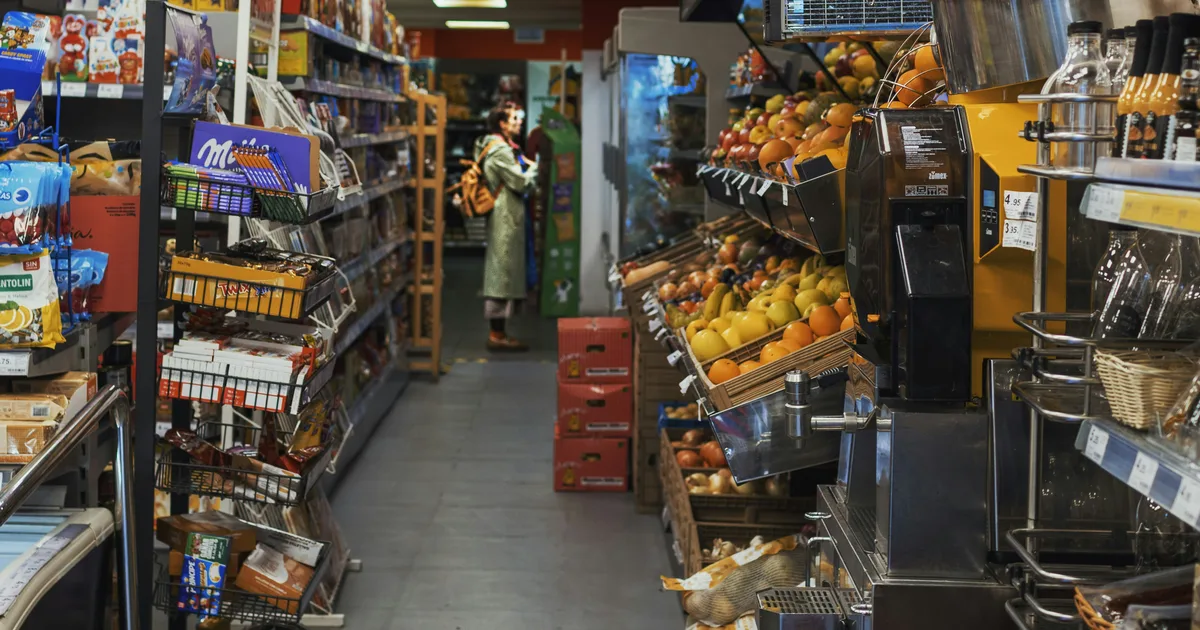
Summer is actually one of the best times of year to shop at these places, and the data backs that up. Seasonal overstock cycles peak twice in summer: once after Memorial Day when retailers over-ordered grilling supplies and once after the Fourth of July when beverage and snack inventories get dumped into secondary markets. Add in the post-spring clearance of canned goods, condiments, and household paper products, and you have a genuinely wide selection hitting salvage store shelves between June and August. Our directory currently lists 3,192 salvage and discount grocery businesses across the country, averaging a 4.3-star customer rating, which tells you consumers who try these stores tend to come back. This article walks through what to buy, how to shop smart, and how to find a store near you.
Where Summer Surplus Actually Comes From
Most people assume salvage grocery inventory is just dented cans and expired chips. The data tells a different story. A significant portion of what lands on salvage store shelves is perfectly fine product that got caught in a supply chain problem, not a food safety one. Manufacturers overproduce for summer promotions, retailers cancel orders mid-season, distributors get stuck holding pallets of short-dated goods, and packaging gets updated, making the old design technically "discontinued" even though the product inside is identical. All of that has to go somewhere.
Summer specifically generates a few reliable surplus streams. Grilling season creates enormous demand forecasting pressure on condiment and sauce manufacturers. Ketchup, barbecue sauce, mustard, and specialty marinades get produced in bulk starting in March and April, and any units that do not sell through by late July often flow into the discount food store network within weeks. Same goes for canned beans, corn, and tomatoes that were packaged with "summer grilling" promotional labels that retailers no longer want on shelves once September approaches.
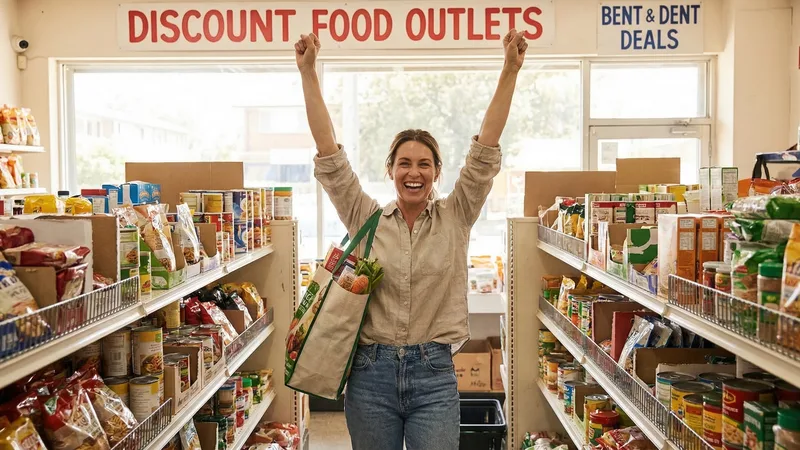
Beverages are another big one. Sports drinks, flavored sparkling water, and canned lemonade get ordered in massive quantities for summer. Brands release limited-edition summer flavors that, if they don't sell through, end up at a damaged goods grocery or food salvage store at a steep markdown. Some of this product is short-dated, meaning it's within a few months of its best-by date, but a lot of it is simply seasonal packaging that the market no longer wants at full price.
And sunscreen. Every summer, sunscreen overproduction is almost comically predictable. SPF 50 and SPF 70 products that retail for $14 to $18 regularly show up at bent-n-dent stores in August and September for $3 to $5. Stock up heavily. That stuff doesn't expire for two or three years.
Salvage does not mean unsafe. Most products at these stores are cosmetically imperfect (torn label, dented can), short-dated (within a few months of best-by), or simply overstock from seasonal promotions. Best-by dates are manufacturer freshness estimates, not safety deadlines, except on infant formula. Always inspect packaging for integrity before buying, but don't let a wrinkled label scare you off a perfectly good product.
Top Summer Categories Worth Loading Up On
Not everything at a discount grocery store is worth buying in bulk. Some categories reward stocking up; others don't. Here's where to spend your time and money this summer.
Condiments and Marinades
This is the single best category at salvage grocery stores in summer. Condiments have long shelf lives, generally 12 to 24 months, and they show up in volume after grilling season winds down. Barbecue sauces, hot sauces, steak marinades, salad dressings, and specialty mustards are common finds. Brands you'd recognize, often in the same bottles you'd pay $4 to $7 for at a regular grocery store, show up here for $0.75 to $2.00. Buy a case if you have pantry space. They keep.
Canned Fruits and Vegetables
Canned peaches, pineapple, corn, green beans, tomatoes, and chickpeas are almost always available at scratch and dent grocery stores, and summer brings extra supply because of seasonal promotional overruns. A can with a slight dent on the side panel (not the seam, which would be a problem) is food safe and often marked down 50 percent or more. Buy canned goods by the case when pricing allows. Most have two to five years of shelf life remaining.
Snack Foods and Breakfast Items
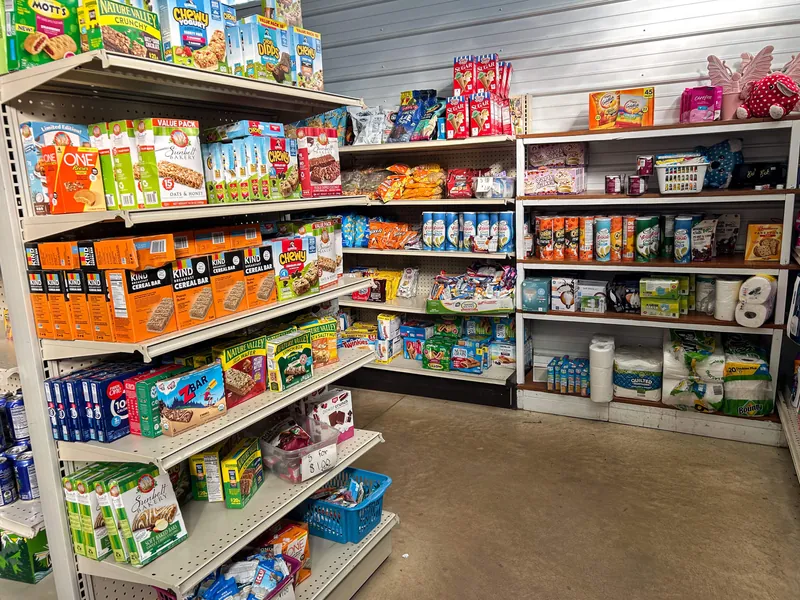
Chips, crackers, granola bars, and cereal show up constantly at these stores. Summer travel and entertainment seasons push snack overproduction hard, and what doesn't sell flows into secondary markets fast. Granola and cereal in particular tend to be a good deal since they have reasonable shelf lives and kids go through them constantly. Watch the best-by dates on opened or soft-package snacks more carefully since air and moisture exposure matters more for these than for canned goods.
Non-Food Summer Essentials
This category is underrated. Disposable plates, napkins, aluminum foil pans, plastic utensils, and paper towels all show up at discount food stores regularly. Sunscreen and bug spray, mentioned earlier, are genuinely great buys here. So are things like hand sanitizer and travel-size personal care items that got overproduced for summer convenience packaging. One small caveat: check expiration dates on sunscreen (they do expire, usually after three years) and always verify that sealed packages have not been opened or tampered with.
Buy in bulk: Canned goods, condiments, paper products, sunscreen, non-perishable snacks
Buy with care: Short-dated dairy, bread products, refrigerated items
Skip unless you need it now: Highly perishable produce, items with damaged seams on cans, products with no visible expiration date
How to Actually Shop Smart at These Stores
Walking into a salvage grocery store without a plan is how people end up buying three jars of anchovy paste they'll never use. Go with a list, but stay flexible. The inventory changes constantly, sometimes weekly, so you won't always find what you came for. That's part of the deal.
Check expiration dates first on everything. Not because everything near its date is bad, but because you need to know whether you'll actually use it before it expires. Buying 12 cans of coconut milk is great if you cook with it regularly. It's wasteful if they'll sit in your cabinet until they're two years past date. Be honest with yourself about your consumption habits.
Inspect packaging carefully. For cans, avoid anything with a bulge (indicates bacterial activity) or a deep seam dent (structural compromise). Side dents and label damage are cosmetic and not safety issues. For dry goods, check that bags and boxes are fully sealed and show no signs of moisture damage or pest activity. Bottles and jars should have intact seals. It takes about 30 seconds to check a product properly.
Pricing at these stores is not always intuitive. Some items are individually marked, some are on shelf tags, and some discount grocery stores use a color-coded label system where sticker color tells you the discount tier. Ask a staff member to explain the pricing system when you first walk in. Most are happy to explain, and knowing the system can save you real money, because sometimes the "sale" items aren't actually the best deals in the store.
Building a Rotating Pantry
Contrary to popular belief, stocking up at a bent-n-dent store doesn't mean hoarding. A rotating pantry strategy means you buy a reasonable quantity of items you use regularly, consume them in order of purchase date (oldest first), and replenish on your next visit. This approach turns a salvage grocery store from a one-off treasure hunt into a legitimate part of your monthly grocery budget. Families that do this consistently report saving 20 to 35 percent on their annual grocery spend, which over a year adds up to hundreds of dollars.
Compare unit prices. Not all deals are equal. A big container of oats might be cheaper per ounce at a regular grocery store on sale than at a discount food store on a regular day. Do the math before you celebrate.
Salvage Grocery Stores by the Numbers
Our directory lists 3,192 salvage and discount grocery businesses, and they carry an average rating of 4.3 stars across thousands of customer reviews. That's a strong number. For context, the average Yelp rating across all food retail businesses in the U.S. sits around 3.7 to 3.9 stars, meaning salvage grocery customers are, on balance, more satisfied than typical grocery shoppers. That 4.3 average reflects something real: people who find a good store tend to feel like they've discovered something others haven't, and that satisfaction shows up in reviews.
Geographic distribution of listings is telling. Houston leads with 83 listings, Brooklyn has 61, Philadelphia has 46, and Los Angeles has 41. These are dense urban markets with large price-sensitive consumer bases and strong secondary distribution networks nearby. Houston in particular benefits from proximity to Gulf Coast distribution hubs and a large wholesale food market infrastructure.
| Business Name | Location | Rating | Reviews |
|---|---|---|---|
| Salvage Saviors | Katy, Texas | 5.0 ★ | 718 |
| Re_ Grocery | Studio City, California | 5.0 ★ | 224 |
| Re_ Grocery | Los Angeles, California | 5.0 ★ | 191 |
Salvage Saviors in Katy, Texas holds a perfect 5.0 rating across 718 reviews, which is genuinely remarkable at that review volume. Most businesses see ratings drift toward 4.5 or below once they accumulate several hundred reviews. Re_ Grocery appears twice in the top tier, with locations in both Studio City and Los Angeles earning 5.0 ratings with 224 and 191 reviews respectively. These aren't flukes. Stores that maintain that kind of rating at scale are doing something operationally right, likely around product selection, store cleanliness, and staff transparency about product conditions.
Broader growth trends confirm what the directory numbers suggest. Budget grocery shopping has expanded sharply in the U.S. over the past several years. Consumer spending on discount and salvage food channels grew an estimated 18 percent between 2021 and 2024, driven by inflation concerns, shifting consumer attitudes about food waste, and growing mainstream awareness that discount grocery stores carry quality products. Groceries on a budget isn't just a survival strategy anymore. It's become a genuine lifestyle choice for a wide range of income levels.
How to Find a Salvage Grocery Store Near You This Summer
Searching "salvage grocery store near me" or "food salvage store" in Google or in a business directory will surface most options in your area. Other useful search terms include "scratch and dent grocery," "discount food store," and "grocery outlet." Some stores go by very specific local names, so searching the generic category terms rather than brand names tends to produce better results.
When evaluating a store you haven't visited before, check reviews specifically for comments about cleanliness, product rotation, and staff helpfulness. Those three factors predict your experience better than overall star rating alone. A 4.2-star store with 200 reviews mentioning "fresh stock every week" and "clean aisles" is probably a better bet than a 4.6-star store with 12 reviews.
If you live in or near Houston, Brooklyn, Philadelphia, or Los Angeles, you have real options. Houston's 83 listings mean you likely have multiple stores within a 15-minute drive. Brooklyn's 61 listings serve a dense population where transit access makes store-hopping genuinely practical. In cities like these, it's worth visiting two or three different stores over a month to see which ones carry the categories you care about most. Inventory varies significantly from store to store even within the same city.
One more thing worth knowing: some of the best salvage grocery stores are not in downtown areas. They tend to cluster near industrial parks, warehouse districts, and secondary highways where commercial real estate is cheaper and delivery truck access is easier. Don't limit your search to the obvious neighborhoods.
Frequently Asked Questions
Are products at salvage grocery stores safe to buy and consume?
Yes, with normal attention to inspection. Most products at these stores are safe and simply cosmetically imperfect, short-dated, or overstocked. Best-by and sell-by dates are manufacturer quality estimates, not federal safety deadlines (infant formula is the main exception). A can of beans two months past its best-by date is almost certainly fine; a bulging can is not, regardless of date. Check packaging integrity before buying and use common sense. In practice, the same judgment you'd apply to your own pantry applies here.
What's the difference between a salvage grocery store and a regular discount grocery store?
A regular discount grocery store (think Aldi or Lidl) sells first-quality goods at lower prices through operational efficiency and private label strategies. A salvage grocery store, sometimes called a bent-n-dent store or scratch and dent grocery, specifically buys distressed inventory: overstock, short-dated goods, cosmetically damaged products, and discontinued packaging from manufacturers and retailers. Both save you money, but through different mechanisms. Salvage stores tend to have more unpredictable inventory but deeper discounts on specific items.
How much can I realistically save shopping at a salvage or discount food store?
Savings vary significantly by category and store, but 30 to 60 percent off retail is a realistic range for a typical basket of non-perishables. Some categories, especially condiments, canned goods, and personal care items, can yield 60 to 70 percent discounts. Families that make salvage grocery shopping a regular part of their routine, rather than an occasional trip, tend to report the highest savings, often 20 to 35 percent on their total annual grocery spend.
Do these stores carry name-brand products?
Frequently, yes. Name-brand condiments, cereals, snacks, beverages, and personal care products are common at salvage grocery stores because major brands produce in volume and create surplus regularly. You might find a major brand's barbecue sauce or a recognizable sports drink sitting next to store-brand items. Typically, the brand variety changes week to week, which is part of what makes these stores worth visiting regularly rather than just once.
What should I avoid buying at a salvage grocery store?
Avoid cans with bulges or seam dents, products with no visible expiration date, anything with obvious moisture damage or pest evidence, and refrigerated or frozen items if you cannot verify the cold chain was maintained. Also be cautious with infant formula (has hard expiration rules), medications, and supplements. For everything else, inspect it the same way you would a product in any store and use your judgment.
Is summer actually a better time to shop at these stores?
Summer generates two predictable surplus waves, post-Memorial Day and post-Fourth of July, that push grilling supplies, condiments, beverages, and seasonal snacks into the salvage market in volume. Sunscreen and bug spray also hit these stores in late summer after the season peaks. Combined, this makes June through September one of the stronger inventory periods at most discount food stores, particularly for the non-perishable and personal care categories that offer the best stocking-up value.
Budget grocery shopping in summer used to mean clipping coupons and waiting for sales. Now it means knowing where to look. With 3,192 businesses in our directory, averaging 4.3 stars, there's almost certainly a salvage grocery store near you worth visiting before summer ends.
Find Salvage Grocery Stores Near You
Browse our directory of 3,192+ salvage, bent-n-dent, and discount grocery businesses. Find stores near you, read real customer reviews, and start saving this summer.
Search the Directory