Name-Brand Groceries for Half the Price (Yes, Really)
Most people assume cheaper groceries mean cheaper quality. That assumption is wrong, and salvage grocery stores have been proving it wrong for decades. These stores sell name-brand, perfectly good food at 40 to 70 percent off regular retail prices, and the savings are real enough to change how a family budgets for food every single month.

Salvage grocery stores work by buying closeout inventory, overstock, short-dated products, and items with cosmetic packaging damage from manufacturers and distributors. The food inside is fine. The box might be dented. That distinction matters a lot when you're looking at $1.29 for a box of cereal that costs $4.99 at a regular supermarket.
Where the Savings Actually Come From
It helps to understand the supply chain a little, because the discounts at salvage grocery stores are not random. Manufacturers produce more than they can sell. Retailers cancel orders. Seasonal items get discontinued. All of that product has to go somewhere, and salvage stores are where it goes.
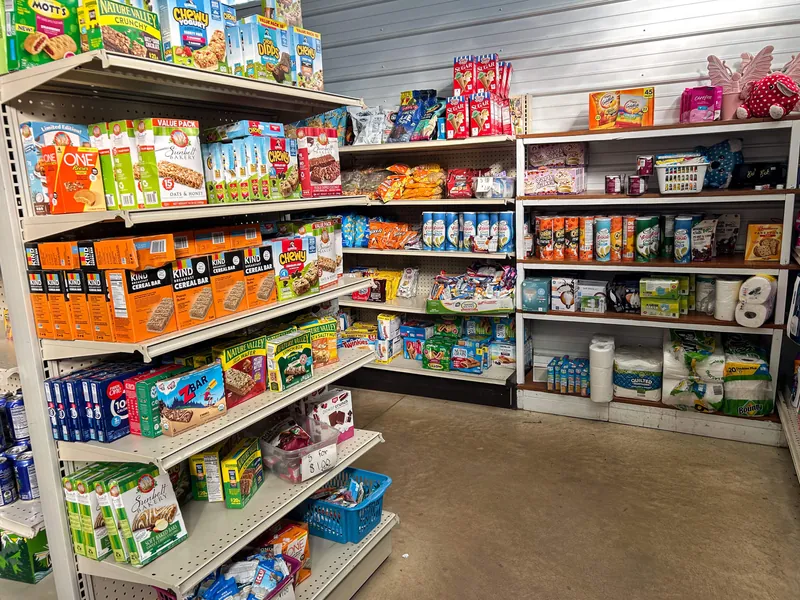
Forty to seventy percent off is not a marketing stretch. That range reflects real pricing differences on real products. A can of name-brand soup that retails for $2.50 might sit on a salvage shelf for $0.75. Pasta, canned vegetables, snack foods, condiments, baking supplies, these categories tend to have the deepest cuts because they move through closeout channels constantly.
And that's the part that catches people off guard the first time they walk into one of these stores. It's not a discount bin of obscure brands. It's Heinz. It's General Mills. It's the exact same product they bought last week at full price somewhere else.
Actionable point: Go in with a flexible list rather than a rigid one. Salvage grocery stores thrive on variety, and the inventory shifts week to week. If you walk in looking for a specific item, you might not find it. But if you walk in knowing what categories you need, like canned goods or breakfast items, you'll almost always leave with something useful at a fraction of what you'd pay elsewhere.
What 40-70% Off Looks Like Over a Month
Run the numbers for a second. Average American household grocery spending sits around $400 to $500 per month. A consistent 40 percent discount on even half of that spending saves $80 to $100 a month. Over a year, that's close to $1,000 back in a family's pocket without changing what they eat.
Salvage grocery stores work especially well for pantry staples. Canned goods, dry goods, sauces, cereals, snack foods. These are the items that don't need to be consumed immediately, so short dates are less of a concern if you plan to use them within a few weeks. Buying a case of canned tomatoes at 60 percent off makes sense when you know you'll cook with them.
Perishables show up too, sometimes. Bread, dairy, produce, even meat. In practice, the savings on those items can be just as steep, but the strategy is different: buy what you'll use in the next day or two, not what you'll stockpile.
- Stock up on shelf-stable staples with the longest remaining dates you can find.
- Check perishables carefully and plan to use them fast. They're usually priced to move for a reason.
- Compare unit prices, not just sticker prices. A bigger package at 50 percent off isn't always the better deal if you won't finish it.
Finding a Store Worth Your Time
Not every salvage grocery store operates the same way. Some are meticulous about checking dates and rotating stock. Others are more chaotic, which can mean better deals but requires more attention on your end. Quality varies by location, ownership, and how carefully the store manages incoming inventory.
This is where a directory with 3,190-plus verified listings and an average rating of 4.3 stars becomes genuinely useful. You're not guessing. Other people have already been there, and their ratings reflect real experiences with cleanliness, stock quality, pricing, and staff. A 4.3 average across that many stores is actually a strong signal. These places earn those ratings by being worth returning to.
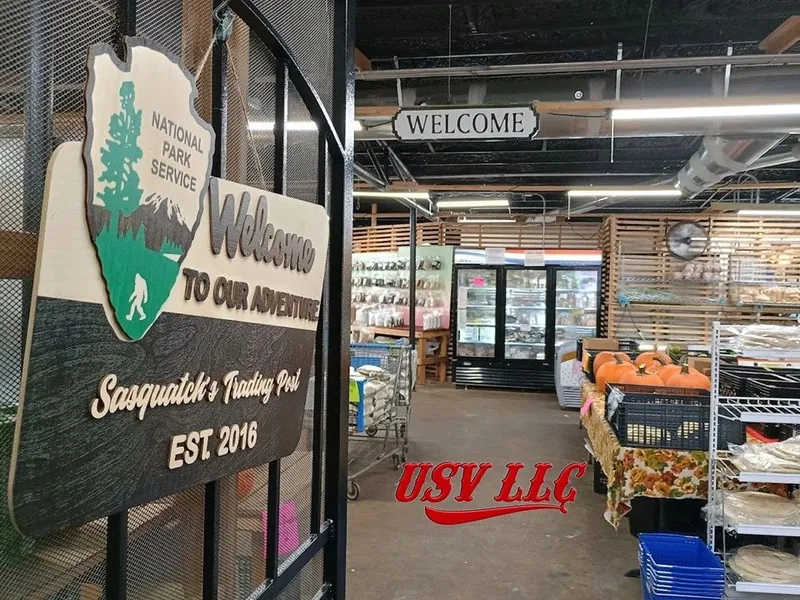
One thing worth knowing: the parking lots at salvage grocery stores tend to be utilitarian at best. These aren't destination retail experiences. They're often in industrial areas or strip malls that have seen better days. Don't let the exterior put you off. Some of the best-stocked stores look rough from the outside and are completely well-organized inside.
I would choose a well-rated salvage grocery store over a regular supermarket for pantry shopping every single time. Typically, the savings compound, the brands are familiar, and once you know how to shop these places, it takes about the same amount of time as a regular grocery run.
Making the Most of What These Stores Offer
Regularity pays off. People who shop at salvage grocery stores once and don't go back often miss the rhythm of how inventory works. New stock comes in constantly, and the best items move fast. Going weekly or even twice a month puts you in a position to catch good deals before they're gone.
Bring cash or check ahead about payment methods. Some smaller salvage stores are cash-only or have limited card processing, which is a minor logistical thing but worth knowing before you fill a cart.
Also, do not be embarrassed to inspect products before you buy. Check dates. Look at the packaging. Make sure a dented can isn't actually breached. Most salvage grocery stores expect this behavior and won't blink at a customer who spends two minutes looking at a label. That's just smart buying.
- Visit on a consistent schedule so you catch new inventory arrivals.
- Ask staff when new shipments come in. Many stores have specific days for restocking, and timing your visit around those days makes a real difference.
- Keep a running list of staples you use regularly so you can stock up quickly when you find them at a steep discount.
Frequently Asked Questions
Is the food at salvage grocery stores safe to eat?
Yes, in the vast majority of cases. Salvage stores sell products that are past their best-by dates, overstocked, or cosmetically damaged, not products that have failed food safety standards. Best-by dates indicate peak quality, not safety. Use common sense, check packaging, and you'll