The Salvage Grocery Store That Had Everything Last Month Might Look Completely Different Today
Someone walks into a salvage grocery store, spots a great deal on a case of organic pasta sauce, and decides to come back in three weeks to grab more. They remember exactly where it was on the shelf. They even tell a friend about it. Then they show up, and it is completely gone. Not moved. Not restocked. Just gone, replaced by something entirely different. This is not a fluke. It is basically how salvage grocery stores work, and understanding it changes how you shop at them.
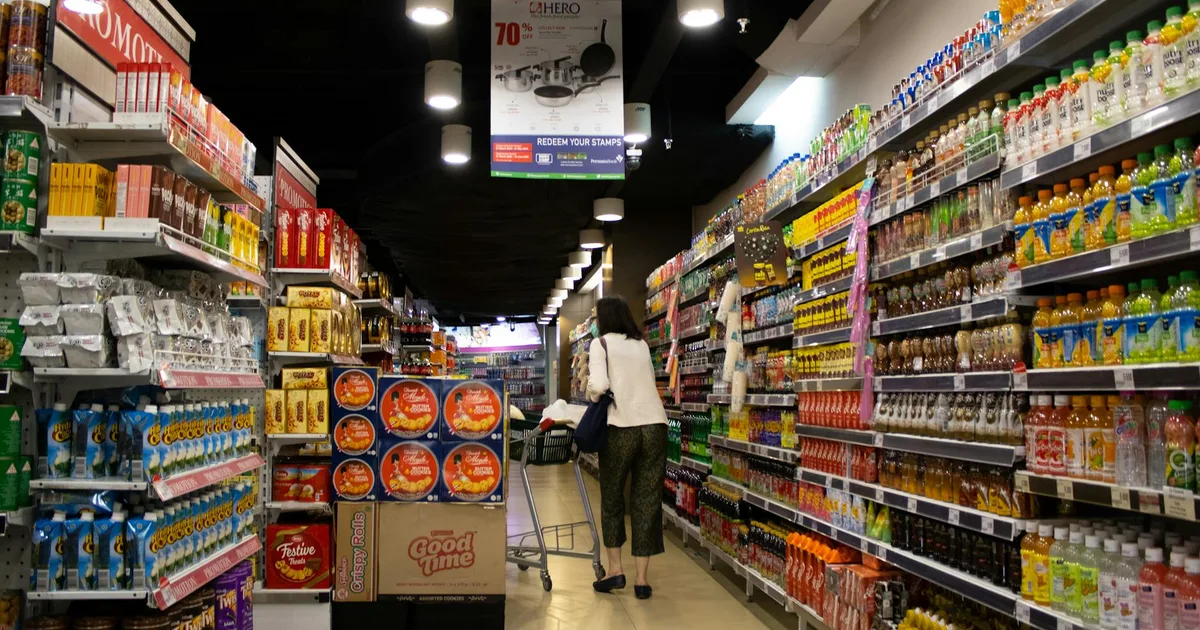
Salvage grocery stores operate on incoming shipments of surplus, discontinued, and overstocked products. No two shipments are the same. What arrives this Tuesday has nothing to do with what arrived last Tuesday, and that unpredictability is actually the whole point. You are not shopping a set catalog. You are catching a moving window.
Why Inventory Moves So Fast at These Stores
Most grocery stores reorder the same products week after week. Salvage grocery stores cannot do that. They buy what is available, which means closeout lots, seasonal overruns, short-dated items, and discontinued lines that other retailers could not move. A shipment might include 200 cases of a snack brand that just got reformulated, or a pallet of imported pasta that a distributor needed to clear out before the end of the quarter.
Once it sells, that is it. There is no reorder button.
This matters because it means the best stuff disappears fast. Not "fast" like a weekend sale. Fast like sometimes within a day or two of hitting the floor. Anybody who has found a legitimate deal, think premium olive oil for two dollars or name-brand cereal for a quarter of the regular price, knows how quickly other people find it too.
And honestly, that is part of what makes these stores genuinely fun to visit. You never quite know what you will find.
How to Actually Make Weekly Visits Work for You
Going once and hoping for the best is the least effective way to shop a salvage grocery store. Weekly visits change the math completely. You start to learn the rhythm of that specific store, when new shipments tend to arrive, which days the floor gets restocked, and what categories they consistently carry versus what shows up randomly.
Pick a consistent day. Mid-week visits, Tuesday through Thursday, often catch fresh stock before the weekend crowd moves through it. That said, every store is different. Some get their big loads on Mondays. If you go weekly and pay attention, you will figure it out within a month.
Keep a short mental list of things you actually use regularly. Canned goods, pantry staples, snacks, cleaning supplies. When you see those items at a steep discount, you can buy enough to last a while. That is the real savings strategy at salvage grocery stores, not just grabbing one of something interesting, but stocking up on things you know you will go through.
A directory like this one, with over 3,190 verified salvage grocery store listings averaging 4.3 stars, shows just how many of these stores are out there. If you have more than one in reasonable driving distance, rotating between them on a weekly schedule can dramatically expand what you find.
What Changes Week to Week (and What Stays Consistent)
Here is a practical breakdown. The specific products almost always change. The price range tends to stay predictable. In practice, the categories covered, dry goods, canned food, snacks, beverages, frozen items, household products, usually remain similar even as individual items rotate in and out.
So you might not find the same brand of crackers twice, but you will probably find crackers. You might not see that specific hot sauce again, but there will likely be some kind of condiment deal. Once you understand that pattern, you stop being disappointed by what is gone and start being curious about what replaced it.
One thing worth knowing: pricing labels at salvage grocery stores can be a little chaotic. Sometimes items come in without standard shelf tags, or a price is hand-written on a piece of masking tape. Do not assume something is full price just because it is not clearly marked. Ask. Most staff are used to the question.
Also, check dates carefully every visit. Salvage inventory often includes items close to or past their best-by date. Best-by dates on shelf-stable products are usually about quality, not safety, but it is still worth checking before you buy six cans of something.
Building a Simple Routine That Pays Off
Weekly visits sound like a commitment, but realistically they do not need to take long. A focused 20-minute walk through a salvage grocery store is enough to see what is new and decide what is worth grabbing. You do not have to buy something every visit. Sometimes the best thing you find is that nothing new came in that week for your list, and that is fine.
Going regularly also builds familiarity with the store layout. You learn which aisles tend to get the newest stock first, where they put the "just arrived" items, and which corners get picked over fastest. That knowledge is genuinely useful and it only comes from repeat visits.
Bring a reusable bag you can stuff full on short notice. Sounds obvious, but plenty of people show up to these stores without one and end up juggling items or paying for a bag. Worth mentioning because it happens more than you'd think.
And if a store near you is consistently good, leave a review. Other people find good salvage grocery stores partly through verified listings and ratings, and a current, honest review from a regular visitor is more useful than a two-year-old one.
Frequently Asked Questions
- How often do salvage grocery stores get new shipments? It varies by store, but most receive new stock at least once a week. Some larger locations get multiple shipments per week. Weekly visits cover most windows.
- Is it worth visiting if I didn't find much last time? Yes. Inventory is genuinely different week to week. A slow visit one week does not predict the next one.
- Can I call ahead to ask what's in stock? You can try, but most stores do not track inventory in a way that allows for detailed phone answers. Visiting in person is really the only reliable way to see what is there.
- Do salvage grocery stores restock the same items? Occasionally a popular item comes in again if a second lot becomes available, but it is not something you can count on. Buy enough when you see it.
- What time of