How Salvage Grocery Stores Are Quietly Saving Local Economies One Dented Can at a Time
Picture this: someone walks past a salvage grocery store, glances at the hand-painted sign, and keeps walking. Too sketchy, they think. Probably expired stuff. Maybe fine for someone else, but not for my family. That assumption costs them real money every single week, and it also costs their community something bigger than most people realize.
Salvage grocery stores, also called bent-n-dent stores, scratch and dent grocery shops, or discount food stores, are retail operations that buy surplus inventory, discontinued products, overstock, and slightly damaged goods from manufacturers, distributors, and retailers, then resell everything at steep discounts to everyday shoppers. We are talking 30 to 70 percent off regular grocery store prices on products that are completely safe to eat.
And here is what nobody tells you about this whole sector: it is enormous, it is growing, and it is quietly doing more economic good at the neighborhood level than most people give it credit for. From job creation to food access to reducing millions of pounds of waste, salvage grocery stores punch way above their weight.
1. What These Stores Actually Are (And Why People Get Them Wrong)
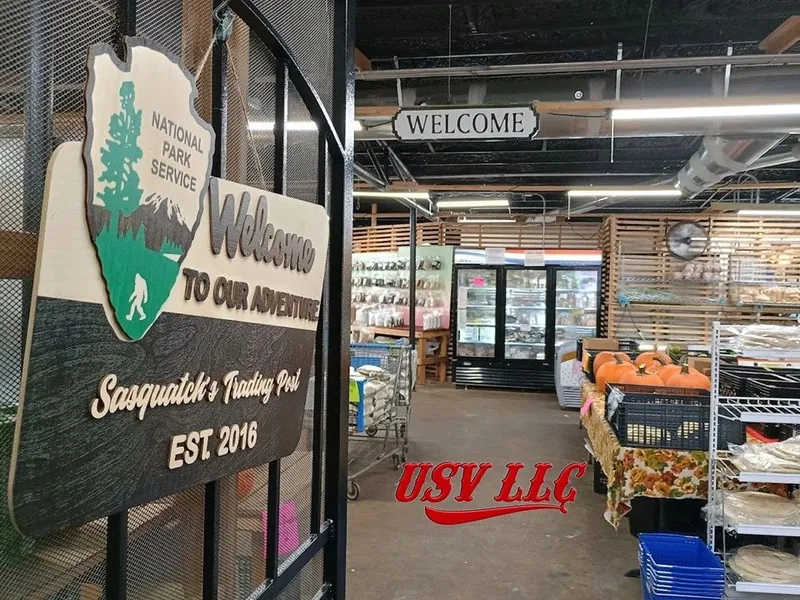
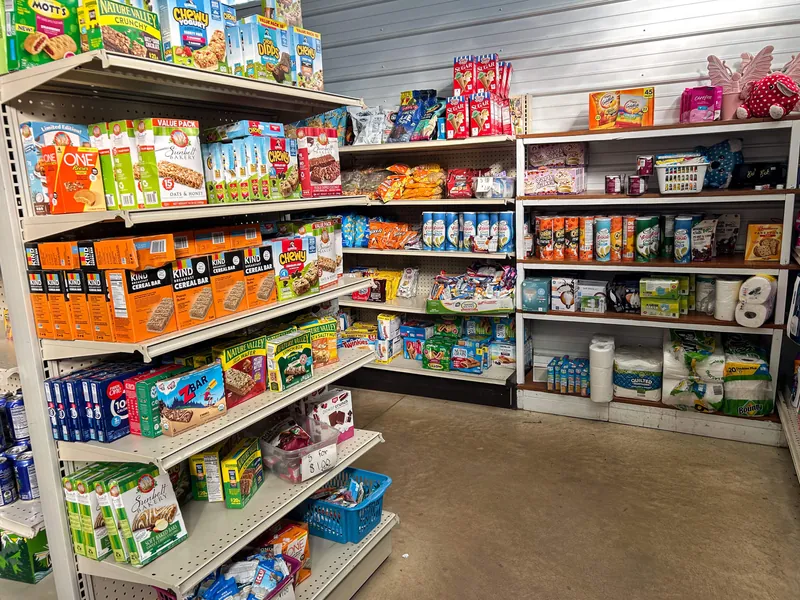
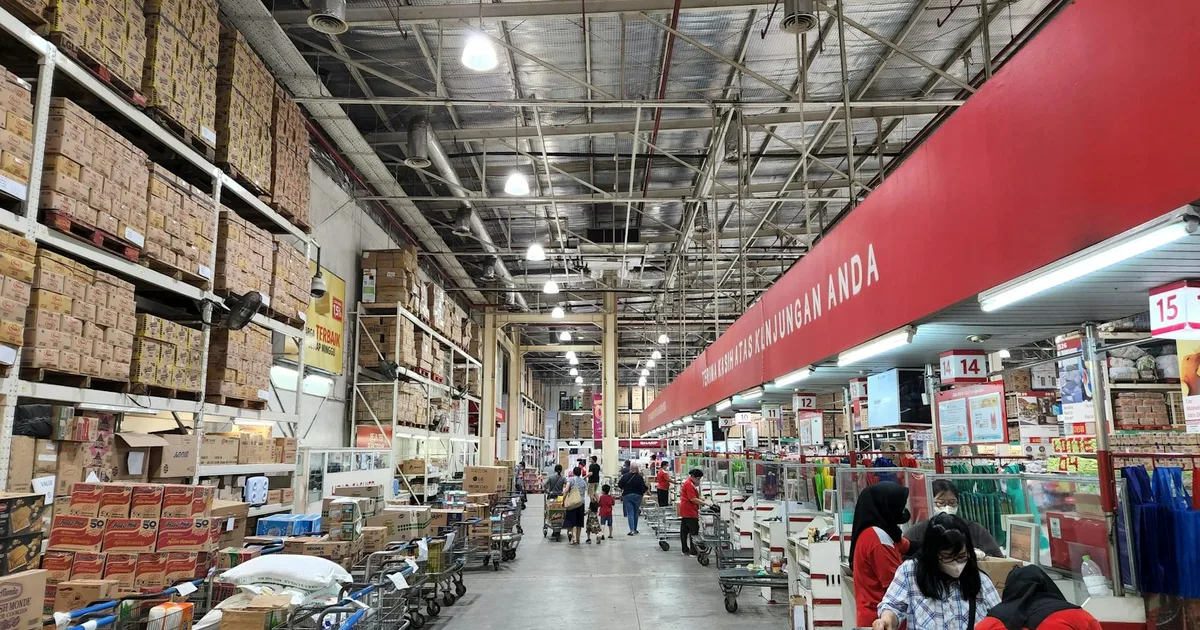
Most people imagine a salvage grocery store as a dark, disorganized warehouse full of mystery cans with no labels. Walk into a well-run discount food store and you will find something completely different. Bright lights. Organized aisles. Name-brand cereal, pasta, canned soup, snacks, condiments, and sometimes even frozen goods. Salvage Saviors in Katy, Texas has 718 customer reviews and a perfect 5.0-star rating. That is not the profile of a sketchy operation.
Inventory comes from a bunch of different places. Manufacturers overproduce and need to offload surplus. Retailers close stores or discontinue product lines. Packaging gets updated and the old version becomes unsellable through normal retail channels even though the food inside is identical. Natural disasters, warehouse floods, and transportation mishaps can damage outer boxes while leaving the product inside totally fine. Short-dated products, meaning items approaching their best-by dates but still well within safe consumption windows, are another major source.
Pricing at a damaged goods grocery is usually determined by how sellable the item looks and how much time is left before the best-by date. A box of granola bars with a crushed corner might be 60 percent off. A case of soup cans with a water-stained label might be 40 percent off. Products that are perfectly normal but just discontinued might only be 25 percent off. Prices are often marked per item or per case, and buying in bulk is almost always available.
One thing that trips up first-time shoppers: inventory changes constantly. Do not walk in expecting to find the same products week after week. That is actually part of the appeal for regulars, who treat the unpredictability like a treasure hunt, but if you need a specific ingredient for a specific recipe, a discount grocery store is probably not your first stop for that one item.
Bring a cooler bag if you think you might find frozen or refrigerated deals. Salvage grocery stores occasionally get cold food inventory and it moves fast. Also, check the actual product seal, not just the box. A dented box means nothing. A broken seal means skip it.
2. How Big This Industry Actually Is
3,183 businesses. That is the current count of salvage and discount grocery businesses listed in our directory. That is not a niche. That is a full industry sector with serious market presence across every region of the country.
Houston leads with 83 listings, which makes sense given the city's size and economic diversity. Brooklyn comes in at 61 listings, which is striking for a borough that already has no shortage of grocery options, suggesting that demand for groceries on a budget runs deep even in dense urban markets. Philadelphia has 46 listings, Los Angeles has 41.
What that geographic spread actually tells you is interesting. These are not rural-only stores serving people with no other options. Major metropolitan markets are deeply represented. Shoppers in big cities with full-service supermarkets nearby are still choosing to visit scratch and dent grocery stores regularly. That means price is a real motivator, not just convenience or lack of alternatives.
And shoppers are happy with what they find. Across all 3,183 listings, the average customer rating sits at 4.3 stars. For context, most conventional grocery chains hover around 3.8 to 4.1 stars in consumer satisfaction surveys. Discount food stores are outperforming the conventional sector on customer experience. Nobody talks about that enough.
| Business Name | Location | Rating | Reviews |
|---|---|---|---|
| Salvage Saviors | Katy, Texas | 5.0 ★ | 718 |
| Re_ Grocery | Studio City, California | 5.0 ★ | 224 |
| Re_ Grocery | Los Angeles, California | 5.0 ★ | 191 |
| House of Milner Jewelers | Philadelphia, Pennsylvania | 5.0 ★ | 531 |
| Hegwood's Towing LLC | Brandon, Mississippi | 5.0 ★ | 277 |
*Note: A small number of top-rated directory listings appear to be miscategorized businesses from adjacent sectors. This is common in broad business directories and does not affect the overall data picture for salvage grocery specifically.
3. Real Economic Benefits at the Neighborhood Level
Let's talk money. Specifically, the money that stays in local communities because of these stores.
Salvage grocery stores create jobs. Not corporate warehouse jobs in a distant city, but actual neighborhood-level positions: cashiers, stock workers, buyers who source inventory, drivers who move product, and managers who keep operations running. In areas where large grocery chains have pulled out or never moved in, a locally-owned discount grocery store can be one of the few retail employers on the block.
Honestly, the employment angle gets almost zero press coverage compared to the savings angle, and that is a mistake.
On the household budget side, the math is straightforward. A family spending $800 a month on groceries might cut that to $500 or even lower by shopping primarily at a salvage grocery store, supplementing with a regular supermarket for fresh produce and specific staples. That $300 monthly difference is $3,600 a year. For a household earning $45,000 annually, that is a real, substantial portion of take-home income freed up for rent, utilities, medical costs, or savings.
And here is the ripple effect part that economists actually study. When low- and middle-income households save money on necessities, they tend to spend those savings locally. At the local restaurant, the local hardware store, the kids' activities. That recirculation of saved grocery dollars through the broader local economy adds up, especially in neighborhoods where every dollar of consumer spending matters.
Shop salvage grocery stores for shelf-stable staples: canned goods, pasta, rice, breakfast items, snacks, condiments, and beverages. Use a regular store for fresh produce, dairy, and meat. Splitting your shopping this way captures most of the savings without sacrificing fresh food quality.
4. Food Insecurity, Food Deserts, and the Role Salvage Stores Play
Food deserts are areas, usually low-income urban neighborhoods or rural communities, where residents have limited access to affordable, nutritious food. Full-service supermarkets are expensive to build and operate, and they follow profit margins, not community need. So they cluster in higher-income zip codes and leave gaps elsewhere.
Bent-n-dent stores fill some of those gaps. They have lower overhead than conventional supermarkets, which means they can operate profitably in locations and markets where a Kroger or Safeway would not bother. A scratch and dent grocery store does not need a massive floor space or a full fresh produce department to be viable. That operational flexibility makes them more likely to land in neighborhoods that need affordable food access most.
This is not a perfect solution. Salvage stores are not a substitute for full grocery access, and nobody should pretend otherwise. But for families in areas where the nearest supermarket requires a 45-minute bus ride, a local discount food store that stocks name-brand canned goods, cooking staples, and packaged foods at half price is genuinely meaningful.
On the waste side, the numbers are staggering. USDA data estimates that roughly 30 to 40 percent of the entire U.S. food supply is wasted. A huge portion of that waste happens before food ever reaches a consumer, at the manufacturing, distribution, and retail levels. Products get rejected for cosmetic reasons. Overstocked warehouses can't sell through inventory before dates hit. Packaging changes make perfectly good product "unsellable" through normal channels.
Salvage grocery stores are a direct intervention in that waste stream. Every case of soup cans with a dented lid that ends up on a salvage store shelf is one less case in a landfill. Multiply that across 3,183 businesses running year-round and the environmental math becomes genuinely significant, even if it is hard to put a single clean number on it.
5. What the Data Tells Us and What to Do With It
Pull back and look at the full picture. 3,183 businesses. 4.3-star average. Concentrated presence in Houston, Brooklyn, Philadelphia, and Los Angeles. Top performers like Salvage Saviors in Katy, Texas pulling 718 reviews at a perfect 5.0. Re_ Grocery running two California locations, both at 5.0 stars.
This is not a fringe sector. This is a mature, geographically distributed retail category with high customer satisfaction and clear community value.
If you are someone looking for where to find discounted groceries in your area, the directory alone has thousands of options. Searching "discounted grocery store near me" will pull up local options you probably didn't know existed. A lot of these stores do not have big marketing budgets or flashy websites, so they are genuinely hard to find without a directory.
If you are a local economic developer, a city planner, or a nonprofit working on food access, salvage grocery stores deserve a seat at the table in your conversations. They are creating jobs, reducing waste, and putting money back in people's pockets without requiring subsidies or government intervention.
Skip the hype around high-tech food solutions for a second. A well-run bent-n-dent store in a low-income neighborhood does more practical good than most food-tech startups have managed to deliver.
Salvage grocery stores often struggle with zoning classifications, commercial lease costs, and the perception problem that comes from the "damaged goods" label. Small policy changes, like favorable commercial zoning treatment or inclusion in food access grant programs, could meaningfully expand this sector's reach in underserved areas.
6. Common Mistakes to Avoid When Shopping Salvage Groceries
Not all salvage grocery stores are equal. Some are well-organized, well-lit, and carefully curated. Others are genuinely chaotic and you should know what you are walking into before you make it your primary grocery source.
Check the actual food safety basics. A dented can that has no damage to the seal is safe. A can that is bulging, leaking, or has a compromised lid is not, regardless of price. Same with any packaging that shows signs of pest damage or significant moisture exposure. Use your eyes. The discount is not worth a food safety risk.
Do not overbuy perishables you cannot realistically use before they expire. One of the most common mistakes at a discount grocery store is grabbing ten containers of yogurt at 80 percent off and then throwing away six of them. That is not savings. That is waste with extra steps.
Build a rotation. Buy shelf-stable staples in volume when the price is right. Canned tomatoes, dried pasta, rice, beans, breakfast cereal, coffee, cooking oils. These things keep and the savings stack up. Buy perishables in realistic quantities only.
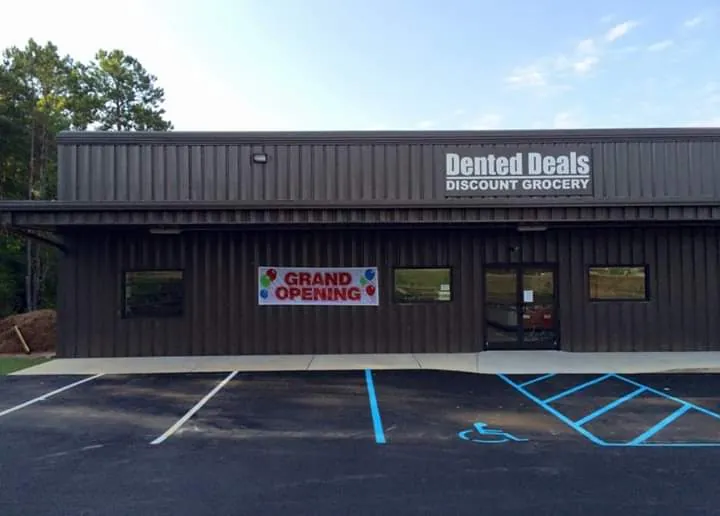
And honestly, do not skip the salvage grocery store just because the parking lot looks a little rough or the storefront is not polished. Some of the best deals in this sector come from stores that put their money into inventory, not aesthetics. Salvage Saviors in Katy, Texas doesn't need a fancy exterior when 718 customers have already told you what's inside.
Are salvage grocery store products actually safe to eat?
Yes, in the vast majority of cases. Most products at salvage grocery stores are safe because they have cosmetic packaging damage, not product damage. Best-by and sell-by dates are quality indicators set by manufacturers, not hard safety deadlines in most cases. Use common sense: check seals, avoid bulging cans, and if something smells or looks wrong, skip it regardless of price.
How much can I realistically save at a bent-n-dent store?
Most regular shoppers report saving between 30 and 60 percent on their overall grocery bill when they shift shelf-stable purchases to salvage grocery stores. The range varies depending on what's in stock when you visit, but consistent savings of $100 to $300 per month for an average household are reported frequently.
How do I find a discount food store near me?
Start with our directory, which lists 3,183 salvage and discount grocery businesses across the country. Houston, Brooklyn, Philadelphia, and Los Angeles have the highest concentrations, but stores exist in most major cities and many smaller communities. Searching your zip code in the directory is the fastest way to find local options.
What products do salvage grocery stores typically carry?
Mostly shelf-stable goods: canned foods, packaged snacks, breakfast cereals, pasta, rice, condiments, beverages, and sometimes household products like cleaning supplies and paper goods. Some stores carry frozen food or refrigerated items, but that is less consistent. Inventory changes frequently, so repeat visits often surface different products.
Why are some products at these stores so cheap?
Because the salvage grocer bought them cheap. Manufacturers and retailers need to offload overstock, discontinued lines, and slightly damaged product fast and at a loss. Salvage buyers purchase in bulk at very low cost, which gets passed to the consumer. Nobody is cutting corners on the food itself. In practice, the discount reflects supply chain inefficiency, not product quality.
Find Salvage Grocery Stores Near You
Browse our directory of 3,183+ salvage grocery, bent-n-dent, and discount food store businesses across the country. Find real customer ratings, locations, and store details in your area.
Search the Directory