Salvage Grocery Stores: A Growing Trend in Sustainable Shopping
3086+
Businesses Listed
4.3
Avg Rating
5
Cities Covered
Understanding Salvage Grocery Stores
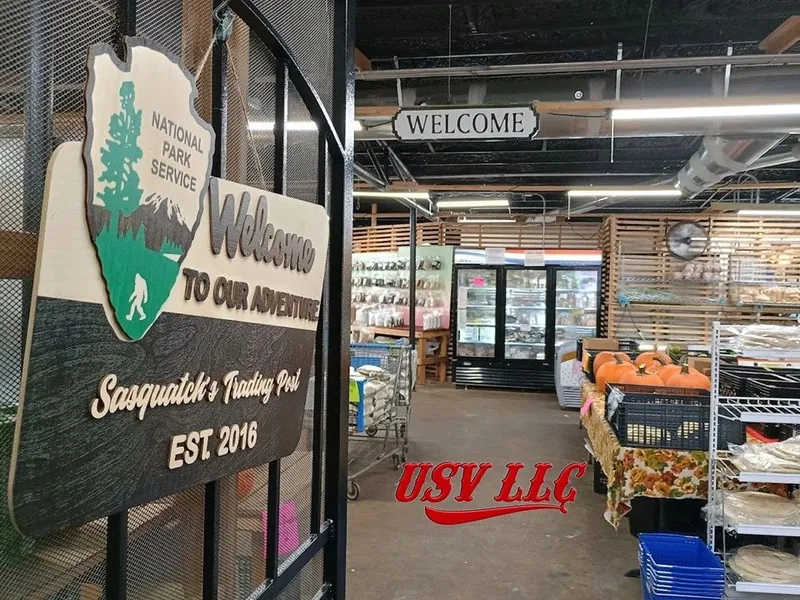
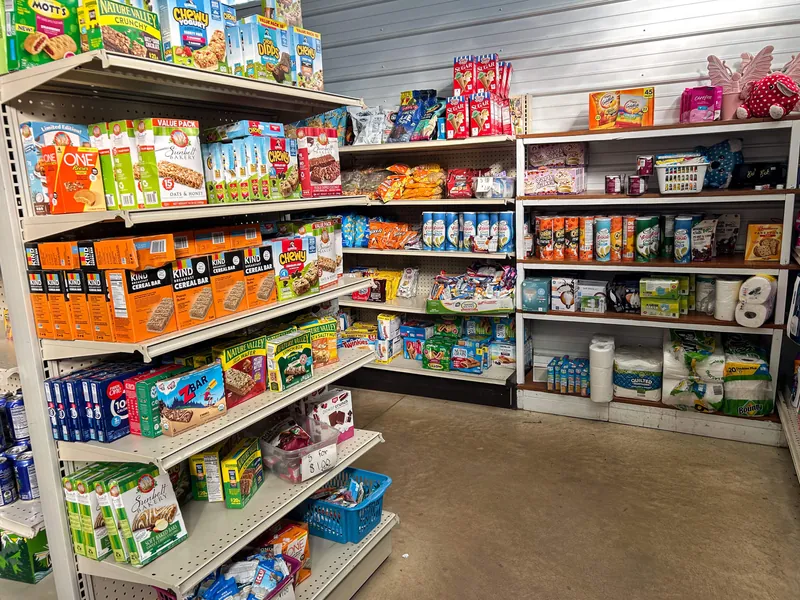
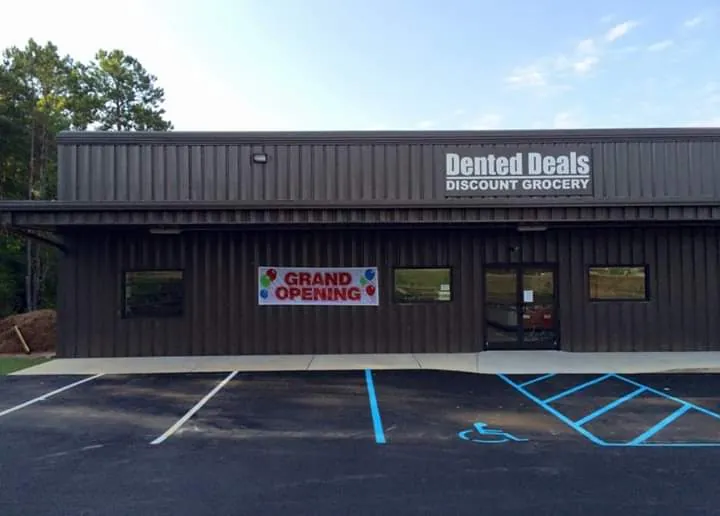
Salvage grocery stores specialize in selling products that are often near their expiration dates, discontinued items, or surplus inventory from manufacturers. These stores provide consumers with an opportunity to purchase goods at significantly reduced prices, making them an attractive option for budget-conscious shoppers.The Growing Demand
Several factors contribute to the increasing popularity of salvage grocery stores: 1. Economic Considerations: With inflation and rising costs of living impacting household budgets, many consumers are seeking ways to save money on groceries. Salvage grocery stores often offer steep discounts compared to traditional grocery retailers. 2. Environmental Awareness: More consumers are becoming aware of food waste and the environmental impact of discarded food products. Salvage grocery stores play a vital role in reducing waste by providing a second chance for products that would otherwise be thrown away. 3. Unique Finds: Shoppers enjoy the thrill of finding unique items and brands that may not be available in mainstream grocery stores. This novelty aspect contributes to the appeal of salvage grocery shopping.Finding Quality Providers
With over 3086 salvage grocery stores listed, finding a quality provider can be overwhelming. However, there are a few strategies to ensure you choose a reputable store: - Check Reviews: Look for stores with high ratings and positive customer feedback. The average rating across salvage grocery stores is 4.3 stars, indicating a generally positive experience among shoppers. - Top Locations: Some cities have a higher concentration of salvage grocery stores. For instance, Houston leads with 83 listings, followed by Brooklyn with 61, and Philadelphia with 46. Exploring stores in these areas can yield quality options. - Inquire About Products: Before making a trip, call the store to ask about their inventory and what types of products they typically carry.Practical Tips for Choosing a Salvage Grocery Store

Pro Tip
Visit multiple stores in your area to compare prices and product availability. Each store may have different suppliers and inventory, so spreading your visits can maximize your savings.
The Top Rated Salvage Grocery Stores
To further guide consumers, here is a list of some of the highest-rated salvage grocery businesses:| Business | Location | Rating | Reviews |
|---|---|---|---|
| Salvage Saviors | Katy, Texas | 5.0 stars | 718 reviews |
| House of Milner Jewelers | Philadelphia, Pennsylvania | 5.0 stars | 531 reviews |
| Hegwood's Towing LLC | Brandon, Mississippi | 5.0 stars | 277 reviews |
| Re_ Grocery | Studio City, California | 5.0 stars | 224 reviews |
| Re_ Grocery | Los Angeles, California | 5.0 stars | 191 reviews |
Conclusion
The market signal score for salvage grocery stores stands at 70/100, indicating a strong position in the retail landscape. This sector is not only economically viable but also encourages sustainable shopping habits among consumers. With the novelty score at 50/100, it is evident that while salvage grocery shopping is gaining traction, there is still room for growth and innovation. As more consumers embrace this trend, the future of salvage grocery stores looks promising. By following the tips outlined above, shoppers can find quality providers that offer significant savings while contributing to a more sustainable food system.Find Salvage Grocery Stores Near You
Browse our directory of 3086+ verified businesses.
Search the DirectoryFAQ Section
Frequently Asked Questions
What types of products can I find in salvage grocery stores?
You can find a variety of products including canned goods, snacks, beverages, and sometimes fresh produce that are nearing their expiration dates or are surplus inventory.
Are the products safe to consume?
Yes, most products sold in salvage grocery stores are safe to consume, but it is important to check expiration dates and the condition of packaging before purchasing.