Setting Up a Home Cooking Routine Using Salvage Groceries
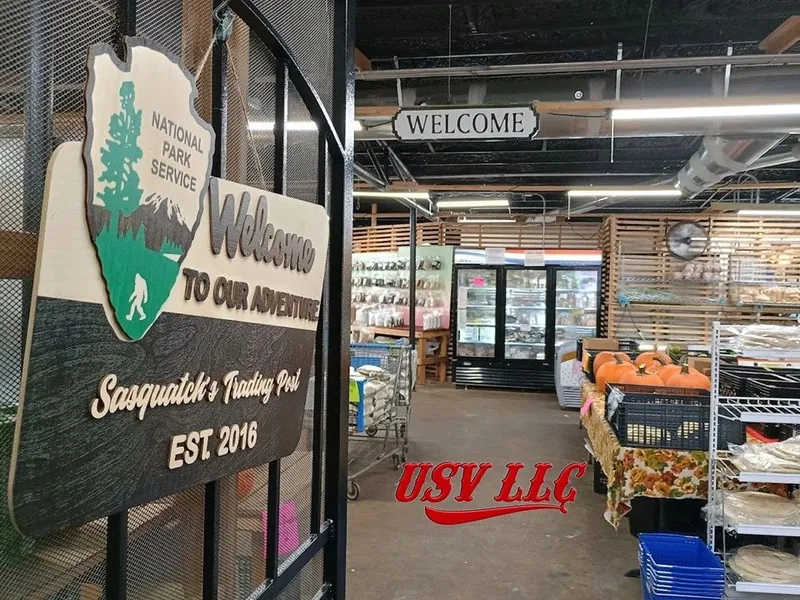
Imagine walking into a store where every aisle feels like a treasure hunt. You push your cart down narrow lanes stacked high with boxes of cereal, jars of sauces, and, wait, is that a jar of gourmet pickles with a quirky label? Welcome to the world of salvage groceries, a hidden gem for those looking to stretch their food budget without sacrificing quality or variety. These stores are not just about saving money, they’re about discovering new flavors and reducing food waste.
Understanding Salvage Groceries
Salvage groceries, often referred to as bent-n-dent stores, discount grocery stores, or scratch and dent grocery outlets, operate on a simple premise: selling products that conventional grocery stores can’t. This might be due to minor packaging flaws, nearing expiration dates, or surplus stock. While this may raise eyebrows, it’s crucial to understand that these products are safe, and often just as delicious as their full-price counterparts.
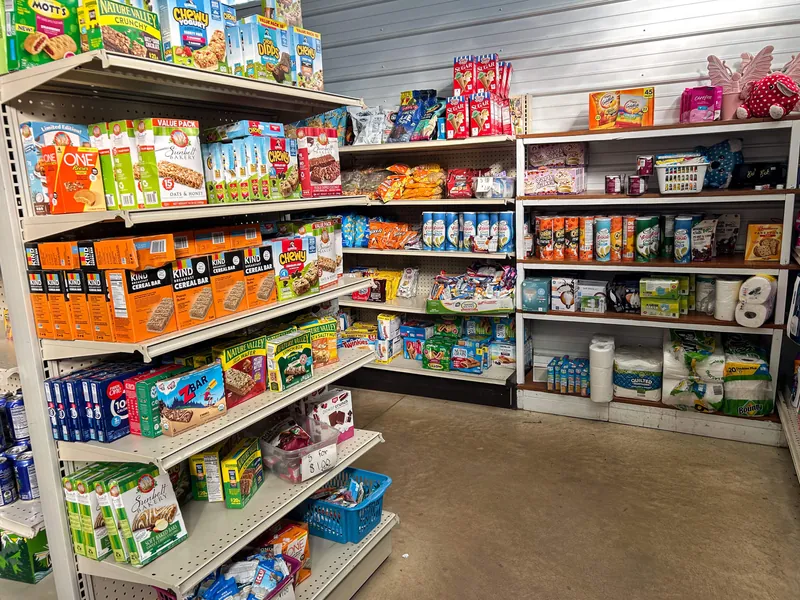
There’s a common misconception that salvage groceries are inferior in quality. However, most of the time, the difference is merely cosmetic. For instance, a cereal box might have a dent or a label misprint, but the cereal inside is perfectly fine. Many consumers who frequent these stores praise the variety of products they can find, from organic snacks to gourmet sauces, items that might be out of their budget otherwise.
These places usually carry a range of products, including canned goods, dry pasta, sauces, and sometimes even fresh produce. It’s like walking into a culinary adventure, where each visit can bring a delightful surprise. So next time, don’t shy away from that oddly named discount food store, it might just have your next favorite snack.
Benefits of Using Salvage Groceries for Home Cooking
The biggest draw of salvage grocery stores is, undeniably, the cost savings. Shopping at these stores can significantly cut down on your grocery bills. In fact, some shoppers report saving up to 50% compared to regular retail prices. That’s a big deal, especially if you’re feeding a family or trying to stick to a tight budget.
Start with a list, but be open to new finds. Flexibility is key!
But it’s not just about the money. Buying from salvage groceries also helps reduce food waste. Every year, an astounding amount of food goes to waste simply because it doesn’t meet the aesthetic standards of regular grocery stores. By purchasing these items, you’re doing your part to help the environment, turning potential waste into delicious meals.
And let’s not forget the element of surprise and discovery. You’ll often stumble upon products and brands you’ve never heard of. This variety can be a real boon for your cooking routine, encouraging you to try new recipes or ingredients you wouldn’t typically buy. Ever tried cooking with quince paste or experimenting with different types of exotic spices? Now’s your chance.
Finding and Choosing Salvage Grocery Stores
Locating a good salvage grocery store might seem daunting, but it’s easier than you think. Start by searching online using terms like “discount grocery stores” or “grocery outlet near me.” Also, check community bulletin boards or local online groups for recommendations. Some cities have more of these stores than others, so it’s worth asking around.
When choosing a store, consider factors like product variety, cleanliness, and customer reviews. A clean, well-organized store is often a good sign that the products are handled with care. Take note of the top cities with significant listings: Houston with 83, Brooklyn with 61, Philadelphia with 46, and Los Angeles with 41. Each of these places has its own charm and might offer different treasures.
Check out stores like Salvage Saviors in Katy, Texas, which has an impressive 5.0-star rating from 718 reviews. That’s just one example of a store where quality and customer satisfaction go hand in hand. Visiting these stores could turn into a fun routine, where each trip brings the excitement of a new find.
Setting Up a Home Cooking Routine
With salvage groceries, meal planning becomes a dynamic process. Start by assessing what’s available on your visit and plan meals around those ingredients. You might find yourself inspired by a batch of discounted ripe avocados or a jar of intriguing chutney. Keep your pantry stocked with staples like pasta, rice, and canned goods, items you can easily complement with your unique finds.
Buy bulk items when they’re available and in good condition, especially if they’re non-perishable. However, for perishables, consider how quickly you can use them. This approach not only saves money but also keeps your kitchen stocked with essentials.
Cooking with salvage groceries invites creativity. Why not try a new recipe each week based on what you pick up? Who knows, you might create a signature dish that becomes a family favorite. This experimentation can be especially fun with kids, turning meal prep into a family activity. And, it’s a great conversation starter when friends and family come over—“Guess where I got this ingredient?”
Use salvage store apps or newsletters to get alerts on new stock and special deals.
Data and Statistics
Now, let’s talk numbers. There are 3183 businesses listed across the top cities we’ve mentioned. That’s a pretty extensive network, which shows just how many people are catching onto the benefits of salvage grocery shopping. With an average rating of 4.3 stars, it’s clear that customers are generally satisfied with their experiences at these stores.
Let’s break down the listings by city:
| City | Listings |
|---|---|
| Houston | 83 |
| Brooklyn | 61 |
| Philadelphia | 46 |
| Los Angeles | 41 |
These figures highlight the widespread appeal and accessibility of these stores. So, whether you’re in a bustling city or a quiet suburb, there’s likely a salvage grocery store nearby just waiting for you to explore.
Frequently Asked Questions
Are salvage groceries safe to eat?
Yes, salvage groceries are generally safe to eat. They might have minor packaging flaws or be close to their sell-by date, but they still meet safety standards.
How often should I visit a salvage grocery store for the best deals?
It depends on the store's restocking schedule. Some people find visiting weekly or bi-weekly gives them the best chance of catching new arrivals and deals.
What types of products can I find at salvage grocery stores?
You can find a wide range, including canned goods, snacks, beverages, cleaning products, and sometimes fresh produce. It varies by store.
How can I ensure the quality of items purchased from salvage stores?
Inspect products for packaging integrity and check expiration dates. Ask staff about storage conditions if you're unsure.
Conclusion
Integrating salvage groceries into your home cooking routine is not just about saving money, it's a chance to be part of a more sustainable lifestyle and to bring a sense of adventure to your meals. Exploring these stores can open up a world of possibilities in the kitchen, allowing you to create flavorful dishes without breaking the bank.
So, next time you think about grocery shopping, consider taking a detour to a salvage grocery store. You might be surprised at what you find and how much you save. Plus, you’ll be contributing to reducing food waste, one shopping cart at a time. Why not start today?