The Role of Salvage Grocery Stores in Food Waste Reduction
The Role of Salvage Grocery Stores in Food Waste Reduction
Every year, over a billion tons of food are wasted globally, and it's a frustration many of us feel, throwing away food that just a few days ago seemed fine. With the world grappling with food insecurity and environmental concerns, one would think we'd be more cautious. Yet, contrary to popular belief, salvage grocery stores offer a viable solution to this problem, operating under the radar of most people's shopping routines. This article will explore how these stores not only reduce waste but also offer economic and community benefits.
1. Understanding Salvage Grocery Stores
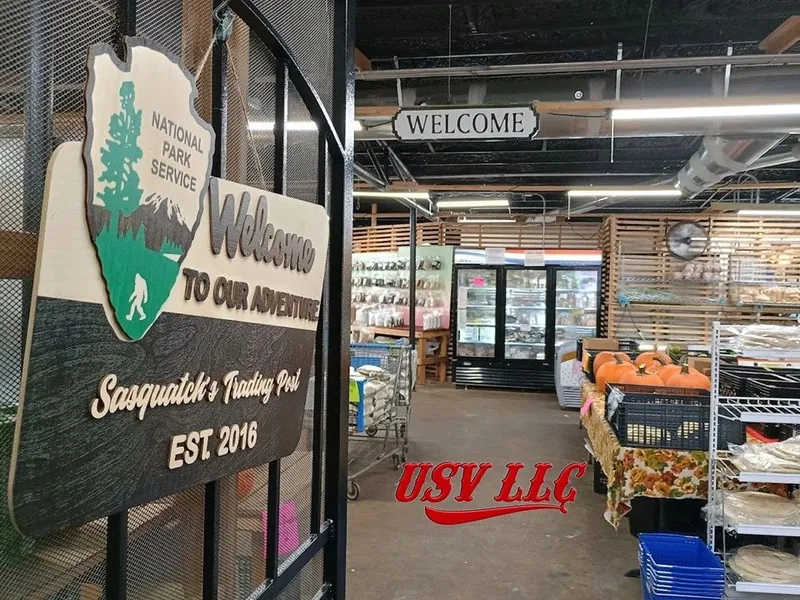
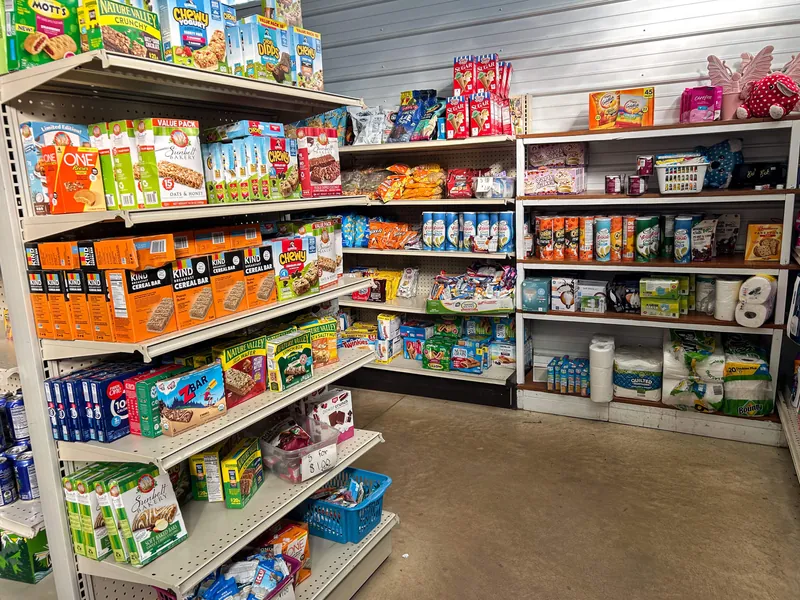
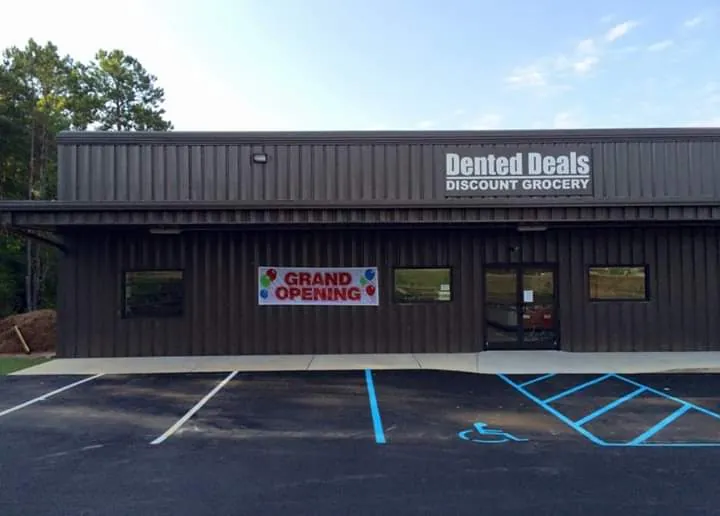
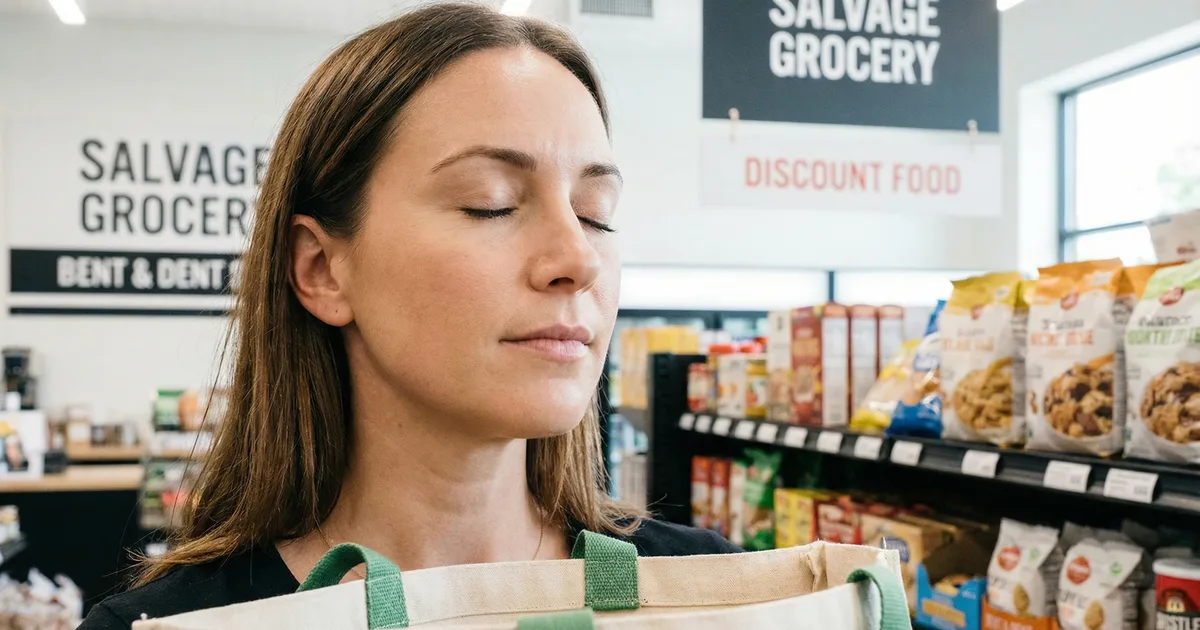
Salvage grocery stores, also known as bent-n-dent stores or discount grocery stores, are not your typical supermarkets. These places specialize in selling products that mainstream retailers might discard. These goods include items that are near their expiry date, overstocked, or have cosmetic defects. Because these products are generally considered less desirable by larger chains, they often end up in the trash, adding to the already massive food waste issue.
But walking into one for the first time, you’ll notice that these stores cater to budget-conscious consumers by offering food at a fraction of the usual cost. In fact, they often have pricing that's 30-50% lower than standard grocery stores. For families trying to stretch their food dollars, this is a significant draw. Plus, shopping here contributes to less waste, which is a win-win.
2. Environmental Impact of Food Waste
Globally, approximately 1.3 billion tons of food is wasted every year, which amounts to about one-third of all food produced for human consumption. In the U.S., food waste is estimated at between 30-40 percent of the food supply. Now, that's staggering. When food is discarded, it doesn't just go away. It decomposes in landfills and produces methane, a potent greenhouse gas. Salvage grocery stores help alleviate this environmental burden by redirecting food that would otherwise contribute to landfill overflow.
By reducing the amount of food waste, these stores also lessen the strain on local ecosystems. Keeping food out of landfills reduces pollution and can have a positive effect on surrounding communities. Think about it: fewer methane emissions mean cleaner air, and that’s something we all can get behind.
3. Economic Benefits of Salvage Grocery Stores
Salvage grocery stores offer substantial economic benefits, both for consumers and suppliers. Shoppers save money by purchasing discounted goods, a boon for families on a tight budget. With prices often significantly lower than conventional stores, consumers can cut their grocery bills drastically.
Moreover, these stores bolster local economies by creating jobs and reducing food insecurity. They offer a market for products that might not sell elsewhere, helping suppliers and producers avoid waste-related losses. Now, isn’t that a pleasant surprise? As more consumers become aware of the benefits, these stores can continue to grow and provide even more economic stability to the communities they serve.
4. Consumer Experience and Community Impact
Shopping at a salvage grocery store is a unique experience. Unlike your usual grocery trips, expect a diverse range of products that can change weekly or even daily, depending on the inventory. These stores boast an impressive average customer satisfaction rating of 4.3 stars, based on feedback from 3183 businesses. That’s no small feat.
| Business | Location | Rating |
|---|---|---|
| Salvage Saviors | Katy, Texas | 5.0 (718 reviews) |
| House of Milner Jewelers | Philadelphia, Pennsylvania | 5.0 (531 reviews) |
| Hegwood's Towing LLC | Brandon, Mississippi | 5.0 (277 reviews) |
| Re_ Grocery | Studio City, California | 5.0 (224 reviews) |
| Re_ Grocery | Los Angeles, California | 5.0 (191 reviews) |
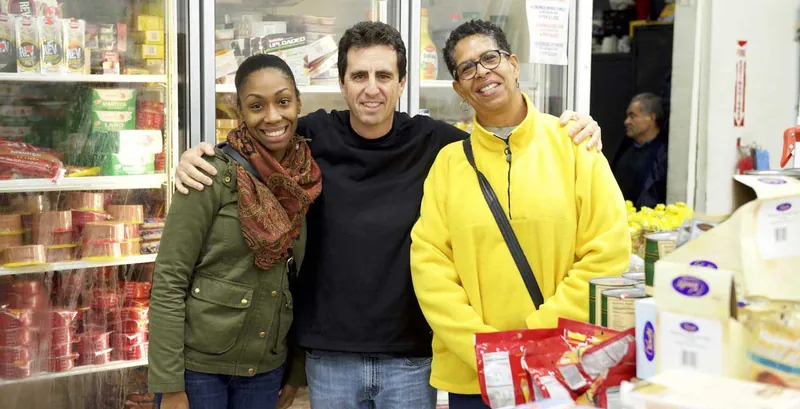
These places often engage with their communities through outreach and educational programs. Whether it’s teaching families about food preservation or offering workshops on cooking with reduced-waste recipes, the impact goes beyond just food. It’s about building a sustainable mindset.
5. Challenges Facing Salvage Grocery Stores
However, these stores are not without challenges. Logistical and supply chain issues can be complex, given the unpredictability of surplus goods. Not to mention, they must comply with stringent regulatory and safety standards to ensure food safety. Misconceptions about the quality of food offered can also deter potential customers. Yet, the data tells a different story: these stores maintain high ratings and strong customer loyalty.
For example, one might wonder, are the savings guaranteed? Generally, yes, but like any store, it depends on the day’s offerings. To find one near you, a quick online search for terms like "bent-n-dent stores" or "discount food store" can be helpful.
6. FAQ
What are the typical products available at salvage grocery stores?
Products often include items near their expiration date, overstock, or those with minor packaging defects.
How do salvage grocery stores ensure food safety?
They adhere to strict health and safety regulations, often exceeding those standards to reassure customers.
Are there any savings guarantees when shopping at these stores?
While savings are generally significant, they can vary depending on the day's stock and availability.
How can someone find a salvage grocery store near them?
Using search terms like "discount grocery stores near me" or "food salvage store" can yield results.
7. Conclusion
Salvage grocery stores play a critical role in reducing food waste, a fact underscored by their environmental, economic, and community benefits. From saving food from landfills to offering low-cost alternatives to consumers, these stores contribute significantly to a more sustainable future. I would pick shopping at these facilities over regular stores every time for the impact alone.