Check All Dates
You grab a can of soup off the shelf, toss it in the cart, and move on. Most people do. But at salvage grocery stores, that two-second habit of not checking the date could mean you're leaving the best deals sitting right there on the shelf in front of you.
Dates matter more here than at a conventional supermarket. And once you understand why, you'll never skip checking them again.
Why Most People Miss the Best Markdowns
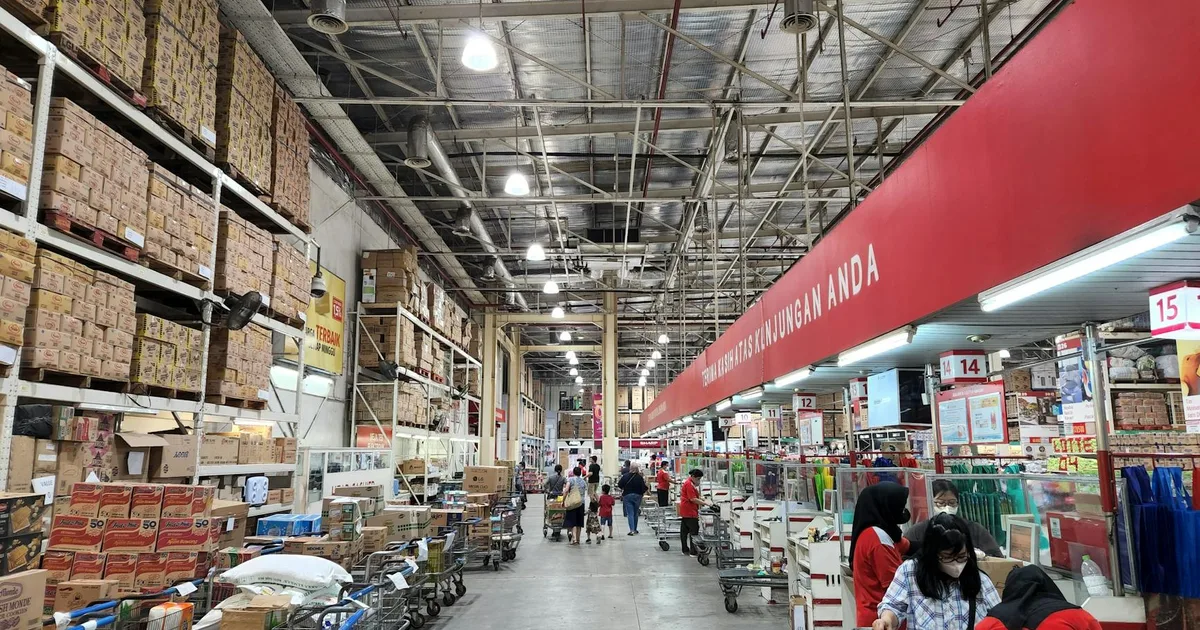
Salvage grocery stores work differently from regular grocery chains. Products arrive in bulk, often because they're close to their best-by date, slightly overstocked, or pulled from a retailer's normal rotation. That's the whole model. Prices are already lower than what you'd find at a full-price store, sometimes by 30 to 70 percent.
But here's what a lot of people don't realize: not everything on the shelf is priced the same, even within the same product category. Items with dates coming up in the next few days or weeks are often marked down a second time, below the already-reduced salvage price. That second markdown is where the real savings are hiding.
Most shoppers walk in, see a low price, and assume that's the best they'll do. They don't scan the shelf for the item with the closest date. So those extra-discounted products just sit there until someone who knows to look picks them up.
Honestly, it's a little wild how consistent this pattern is across different stores.
What "Best By" Actually Means (And What It Doesn't)
A lot of people are more cautious about expiration dates than they need to be. "Best by" and "sell by" dates on most packaged, canned, and dry goods are quality indicators, not safety cutoffs. They tell you when the manufacturer thinks the product tastes best, not when it becomes dangerous to eat.
Canned goods are a good example. A can of black beans or diced tomatoes marked "best by" next month is almost certainly fine. The date just means the company can't guarantee peak flavor after that point. For most pantry staples, that difference is barely noticeable.
Frozen items are similar. If you buy something with a date two weeks out and put it straight in the freezer that day, the clock basically stops. Freezing extends shelf life well beyond the printed date for most proteins, vegetables, and prepared foods. Salvage grocery stores are actually a great source for buying freeze-worthy items precisely because the dates push the price down right when freezing makes the most sense.
That said, do not ignore dates on dairy, fresh meat, or anything refrigerated. Those categories follow different rules and the dates carry more weight. Check those carefully every single time.
How to Actually Work the Dates in Your Favor
Walk the shelf slowly. Pull items forward and check the dates on the ones behind them too. Products get restocked and shuffled, and the item with the closest date isn't always the most visible one. Sometimes it's pushed to the side or sitting slightly behind a row of later-dated stock.
Sort your cart into two mental piles as you shop: things you'll use this week, and things you can freeze or store. For the first pile, grab the closest dates and get the deepest discounts. For the second pile, check that the date gives you enough buffer to actually freeze or use the item before it hits the cutoff.
A small detail worth noting: price tags at salvage grocery stores are not always updated in real time. Sometimes a sticker on the shelf says one price but the item scans for less at checkout because of a date-based markdown applied to the system. Worth keeping an eye on your register total as you go.
And bring a reusable bag that's easy to sort into. It sounds minor, but being able to quickly separate "use today" from "freeze this" at the checkout saves a lot of confusion when you get home.
Putting It Together on Your Next Visit
Across the 3,190+ verified listings in this directory, salvage grocery stores consistently earn strong reviews from people who've figured out the date-checking habit. Average ratings sit at 4.3 stars, and a recurring theme in positive reviews is that regulars know to look deeper on the shelf, not just grab the first item they see.
Start with the protein section. That's usually where date-based markdowns are most significant, and it's also where freezing makes the most sense. Grab what's close to its date, go home, and freeze it that day. You'll stretch your grocery budget in a way that takes maybe 45 extra seconds per shopping trip.
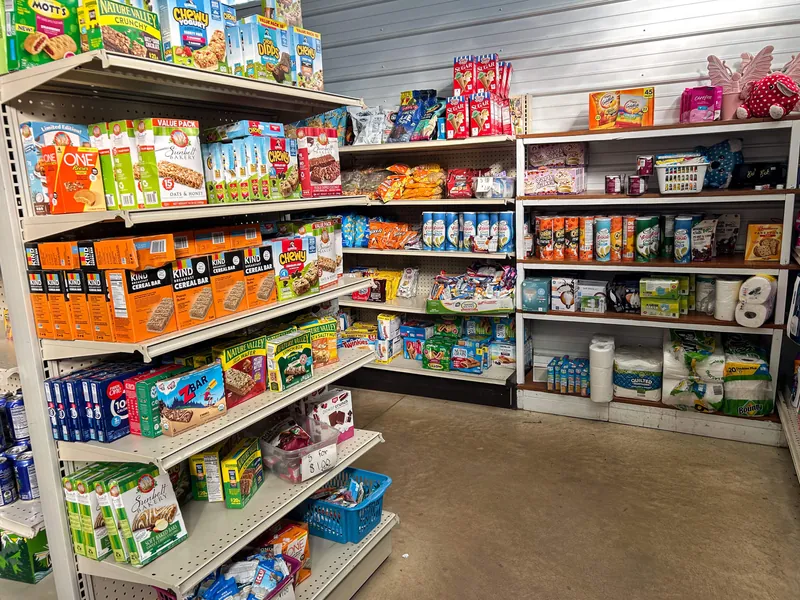
Dry goods are worth a slow scan too. Pasta, rice, beans, crackers, cereal. These products tolerate close dates extremely well, and the extra markdowns on them can be surprisingly steep. A box of pasta that's two weeks from its best-by date is going to taste exactly like pasta.
Check all the dates. Every visit. It takes almost no time and it consistently leads to better finds than just grabbing whatever's at the front of the shelf.
- Check dates on every item before it goes in your cart, not just the ones that look discounted.
- Sort items by intended use: immediate versus freezer-bound.
- Look behind the front row on shelves. Closer dates are often pushed to the back or sides.
- Pay attention at checkout for any additional markdowns that didn't show on the shelf tag.
- Do not apply the same flexibility to refrigerated dairy or fresh meat as you would to canned or dry goods.
- Bring a bag or bin you can easily sort into on the way out.
Find a salvage grocery store near you using the directory and start putting this into practice on your next visit. The deals are already there. Checking the dates is just how you find the best ones.