Cold Chains and Close Dates: What Actually Keeps Salvage Grocery Food Safe
Over 3,190 verified salvage grocery stores carry an average rating of 4.3 stars across the directory, and a big part of earning those stars comes down to one unglamorous detail: keeping food cold enough, consistently enough, that it's still good when it reaches your hands. Storage conditions don't make for exciting marketing copy. But they matter more than almost anything else about how these stores operate.
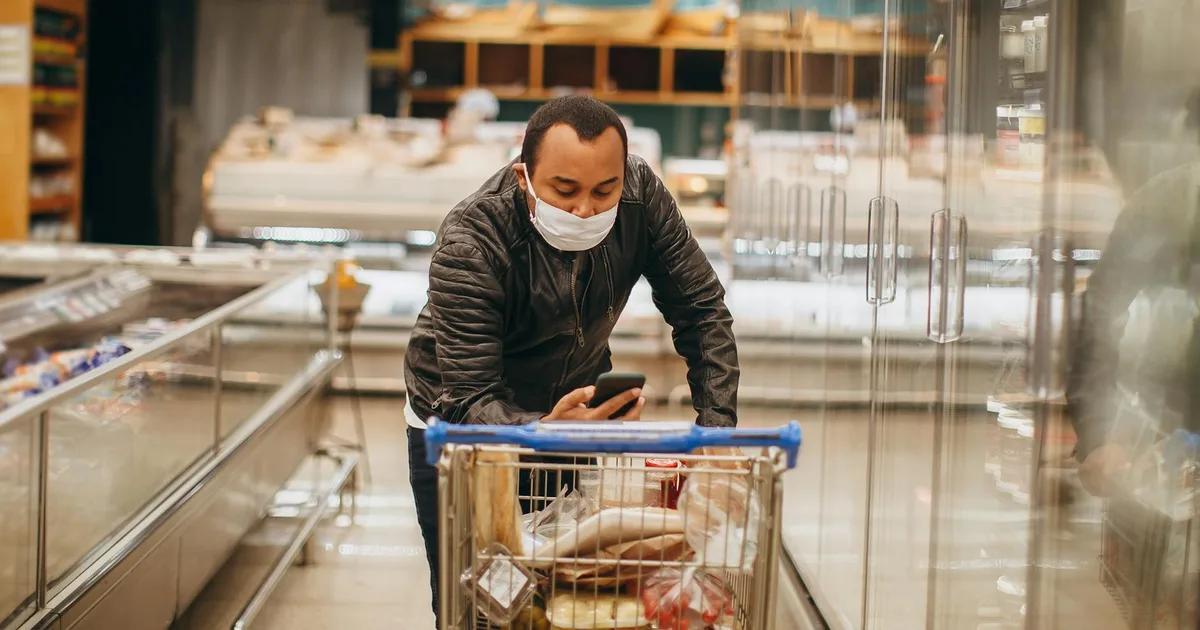
There's a lot of confusion about what salvage grocery stores actually do with perishable products. Some of it is fair skepticism. Some of it is just myth that has stuck around because nobody bothered to correct it. Let's work through the most common ones.
Myth 1: Salvage Stores Just Leave Food Sitting Around Until Someone Buys It
This is probably the most persistent misconception. People imagine a back room full of dented cans and bruised produce sitting in ambient temperatures until they move off the shelf. That picture does not match how reputable salvage grocery stores work.
Temperature-controlled storage is not optional for any food business that sells perishables. It's regulated. Dairy, meat, prepared foods, and many produce items require specific temperature ranges to stay safe. A store selling those categories has to maintain cold storage, period. What varies between a good facility and a poor one is how well that chain is maintained from the moment product arrives to the moment it's sold.
At well-run salvage grocery stores, perishables come in and go directly into refrigeration or freezer units. They don't sit on a loading dock for hours. They don't pass through a warm staging area before being shelved. Good receiving protocol looks almost identical to what a conventional grocery store does, just with a different sourcing pipeline on the front end.
Check the temperature display on refrigerated cases when you walk in. Most reputable stores have them. If the number reads above 40°F for a dairy case, that's worth noticing.
Myth 2: "Salvage" Means the Cold Chain Was Already Broken Before It Got There
Not necessarily. And honestly, this one deserves some nuance.
Salvage inventory comes from a lot of different places: overstock from distributors, short-dated items from manufacturers, cosmetically damaged shipments that failed retail inspection for reasons that have nothing to do with the food inside. A dented can of soup was not sitting in the sun. A box of cereal with a torn corner wasn't mishandled in temperature terms.
Where it gets more complicated is with fresh or frozen items. Frozen products that have partially thawed and been refrozen lose quality. You can often tell by checking for ice crystals inside the packaging or by noticing that the product has an odd texture after cooking. A good salvage grocery store will not sell product it received in a compromised state. The business model depends on volume and repeat customers; selling bad food is a quick way to lose both.
Dry goods are a different story entirely. Canned food, boxed pasta, shelf-stable sauces, these categories are not sensitive to the cold chain in the same way. Most of what you'll find at a salvage store falls into this category, which is part of why the model works at all.
Buy frozen items with the same scrutiny you'd apply anywhere. Pick packages from the back of the freezer case, where temperatures tend to be more stable.
Myth 3: You Can't Trust the Expiration Dates on Salvage Products
This one conflates two separate issues: date labeling accuracy and food safety.
Salvage grocery stores source products that are close to or past their "best by" dates. That is part of the value proposition. But "best by" is a quality marker, not a safety cutoff, for most shelf-stable products. Canned goods, dried beans, pasta, crackers, these do not become unsafe the day after their printed date. They may lose some flavor or texture over time, but proper storage slows even that degradation significantly.
For refrigerated items, the calculus is different. Proper cold storage extends the usable life of a product even when it's close-dated. A package of cheese kept at 34°F will outlast the same package kept at 42°F by several days. This is exactly why temperature control matters so much in these stores specifically. The products are already working with tighter margins on time.
Honestly, the date labeling system in the U.S. is chaotic enough that "best by" versus "use by" versus "sell by" confuses most people even at regular grocery stores. Salvage stores just make that confusion more visible.
Look at refrigerated items before buying. Smell them. Check the packaging for signs of swelling or liquid leakage. These sensory checks work better than date anxiety.
Myth 4: Only Dry Goods Are Safe to Buy at These Stores
Dry goods are the easiest category, sure. But limiting yourself to them means missing out on some of the best deals salvage grocery stores offer.
Dairy is frequently available at steep discounts and is perfectly fine when the store maintains proper refrigeration. Eggs, butter, hard cheeses, these categories hold up well even when close-dated, especially under consistent cold. Frozen items are similar. A bag of frozen vegetables or a box of frozen waffles that's two weeks from its date and has been stored at 0°F is not meaningfully different from the same product at a conventional store.
Produce is the category where I'd be most selective. Some salvage stores carry fresh produce, and the quality range is wide. Bananas that are three days from perfect are a great buy if you're baking. Strawberries that are two days from perfect are not. Walk through the produce section with your eyes and nose, not just your budget in mind.
These places often rotate stock quickly, which actually works in your favor for fresh categories. High turnover means product doesn't sit long even in a smaller facility.
What This Means For You
Proper storage at salvage grocery stores is not a bonus feature. It's the baseline requirement that makes the whole model trustworthy. A store with 4+ stars in the directory has almost certainly earned that rating partly because customers kept coming back without getting sick, which only happens when cold storage is handled correctly.
Know what to look for. Cold cases should be cold. Frozen cases should be genuinely frozen, not just cool. Packaging should be intact. Staff should be able to tell you when a shipment came in if you ask.