Freeze to Extend Life
You grab a loaf of artisan bread, two blocks of sharp cheddar, and a pack of chicken thighs, all for under ten dollars. You get home, feel great about it, and then three days later half of it is on its way out. Sound familiar? That gap between buying smart and actually using everything you bought is exactly where the freezer comes in.
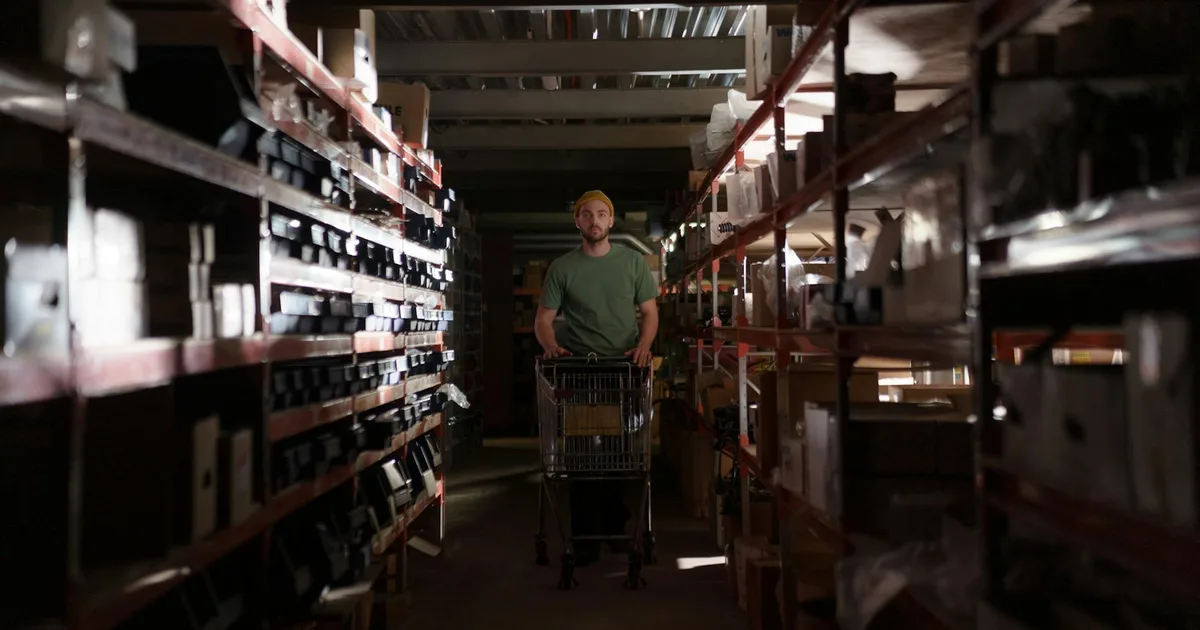
Salvage grocery stores sell food that is close to its best-by date, which means the clock is already ticking when you walk out the door. Putting a few things straight into the freezer the moment you get home changes the whole math. You stop racing the calendar and start actually saving money instead of just feeling like you did.
1. Bread Freezes Better Than You Think
A lot of people hesitate to freeze bread. They worry it comes out soggy, or the texture goes off, or it just does not taste right. Mostly that is not true, as long as you do it right.
Slice the loaf before freezing it. This sounds like a small thing, but it makes a real difference. You can pull out exactly what you need, toast it straight from frozen, and the rest stays perfectly fine for weeks. Bagels, English muffins, pita bread, rolls, all of these behave the same way. Freeze them sliced or split, and they are ready whenever you need them.
Salvage grocery stores often carry bakery surplus and day-old bread at steep discounts. Honestly, this is one of the best deals in the whole store. A loaf that costs a dollar or less is worth buying even if you do not plan to eat it this week, because frozen it will last two to three months without any meaningful loss in quality.
Wrap tightly in plastic wrap or slide into a zip bag with the air pressed out. Freezer burn on bread is almost always an air problem, not a cold problem.
2. Cheese and Dairy Are Underrated Freezer Items
Hard cheeses freeze surprisingly well. Cheddar, mozzarella, Parmesan, Monterey Jack, these all hold up fine when frozen and thawed. The texture can get slightly crumbly after freezing, which means they work better melted or cooked than eaten cold on a cracker. But for pizza, pasta, casseroles, and grilled cheese? You would not notice any difference at all.
Cut cheese into smaller blocks before freezing. About eight ounces per portion is a good size. That way you're thawing only what you need instead of the whole chunk.
Soft cheeses and fresh cheeses like ricotta or cottage cheese do not freeze as well. The water content separates and the texture suffers. Stick to the firm, aged varieties when you are shopping the dairy section at a salvage grocery store and planning to freeze your haul.
And yes, shredded cheese freezes perfectly. Buy the big bag, spread it flat to freeze it in one layer, then break it up and store it loose. It pours straight from the bag even when frozen. That trick alone saves a lot of wasted cheese.
3. Meat Is Almost Always Safe to Freeze Same-Day
Meat is where the freezer really earns its place at a salvage grocery store. These stores often carry meat that is at or near its sell-by date, which makes people nervous. Do not let the date stop you if you freeze it right away.
"Sell by" is a store stocking guideline, not a safety cutoff. Meat that goes straight from the store bag into the freezer is just as safe as anything else in there. In practice, the cold stops the clock. Ground beef, chicken thighs, pork chops, sausage links, all of them freeze well and last two to four months depending on the cut.
Portion the meat before you freeze it. This is the most practical thing you can do. A family pack of chicken thighs is a great deal, but freezing it as one giant block means you have to thaw all of it at once. Split it into meal-sized amounts, wrap each one separately, and label with a date. Thirty seconds of work saves a lot of headache later.
Some salvage grocery stores carry vacuum-sealed meat that is already portioned and close-dated. Those packages go straight into the freezer without even opening them. That is as easy as it gets.
4. Prepared and Packaged Foods Deserve a Second Look
Frozen meals, soups, boxed pasta dishes, and other prepared foods are common finds at salvage grocery stores, and they are already built for long storage. But a lot of people overlook the refrigerated prepared foods section, things like deli soups, pre-made casseroles, and heat-and-eat entrees.
Most of these can be frozen if they have not been opened yet. Check the label for a "freeze by" note or just look at the ingredients. Anything that is mostly protein, starch, and cooked vegetables will freeze fine. Cream-based soups can separate slightly when thawed, but they usually come back together with a stir over heat.
With more than 3,190 verified salvage grocery store listings averaging 4.3 stars across the directory, there is clearly a lot of variety out there in what these stores carry. Some locations get a lot of bakery and deli surplus. Others are heavy on canned goods and boxed meals. Typically, the freezer strategy adapts to whatever your local store tends to stock.
One thing worth doing on every visit: walk the store with the freezer in mind. Not just "would I eat this today?" but "could I freeze half of this and eat it next month?" That second question opens up a lot more options, and it is the difference between a good deal and a genuinely great one.
Check your local salvage grocery store listings to find a location near you, and go with a cooler bag in the car. Get things home cold and into the freezer fast. That one habit makes the whole system work.