Listings Verified: Why Salvage Grocery Stores Are Worth Visiting
Picture this: someone walks past a store with a hand-painted sign reading "Scratch and Dent Groceries" and keeps moving, assuming the food inside is expired, unsafe, or just not worth their time. They drive to a regular supermarket, spend $180 on the same cart they could have filled for $60, and head home feeling fine about it. That person is leaving real money on the table every single week, and the only reason is a misconception that these stores are somehow sketchy or a last resort. They are not. Salvage grocery stores are a legitimate, well-rated, widely available shopping option that most people have never seriously considered.
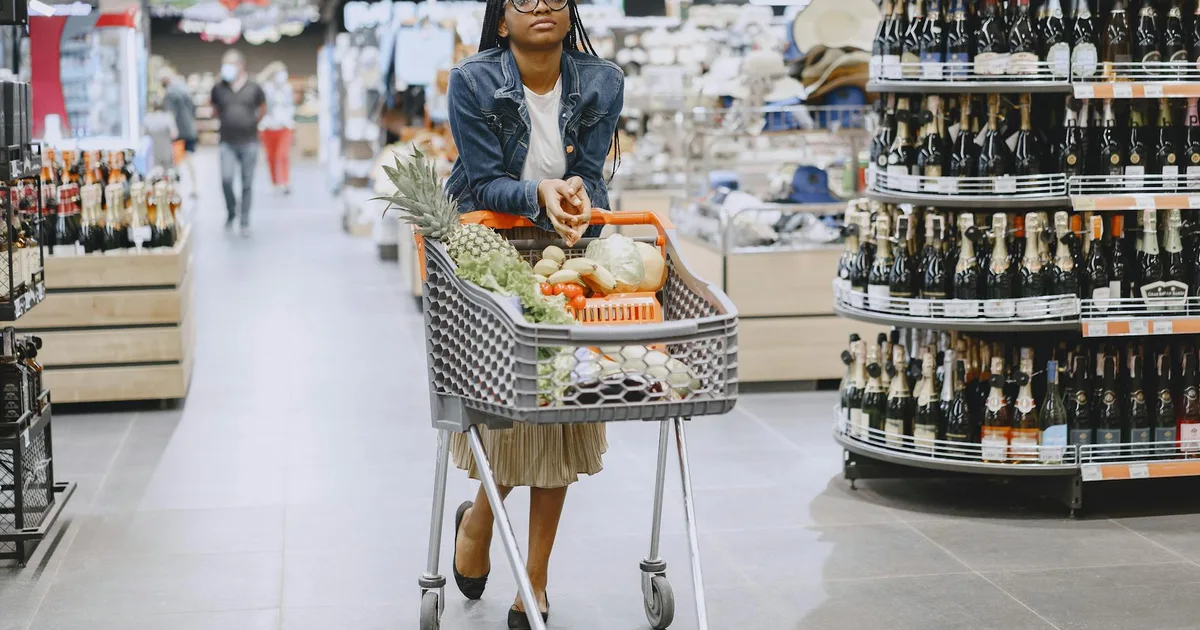
This guide covers everything you need to know to shop these places with confidence. You'll learn how they work, what the real data says about them, how to find a verified one near you, what to look for (and avoid) on the shelves, and how to build a shopping routine that actually saves you money. By the end, you will know exactly how to locate a verified salvage grocery store near you and walk in ready to shop smart.
What Is a Salvage Grocery Store, Anyway?
Go by whatever name you want: bent-n-dent stores, scratch and dent grocery, discount food store, damaged goods grocery, grocery outlet. They all refer to roughly the same thing. A salvage grocery store buys food inventory that major retailers, manufacturers, and distributors can't or won't sell through normal channels, then sells it to shoppers at steep discounts.
That inventory comes from a bunch of different places. Overstock that didn't move before a seasonal reset. Products with label redesigns where the old packaging becomes worthless to a big retailer overnight. Freight-damaged shipments where a pallet got jostled and a few boxes got crushed. Short-dated items that are still well within safe consumption windows but too close to the "best by" date for a regular grocery chain to bother with. Discontinued products that manufacturers are clearing out. All of it ends up at these stores for a fraction of wholesale cost, and that savings gets passed directly to you.
You might search "discounted grocery store near me" or "where to find discounted groceries" and get different results depending on your area. Some regions call them bent-n-dent stores. Others call them food salvage stores or grocery outlets. Same concept, different local branding. Cast a wide net when searching.
Here's what nobody tells you about the damage issue: there is a huge difference between cosmetic damage and actual food safety damage. A dented can does not mean the food inside is compromised. A torn box of cereal is not a health hazard. A label that got wet in the warehouse doesn't change what's in the bottle. You do need to watch out for certain things, like deeply dented cans with seam damage, bulging lids, or broken seals, but those are problems you'd check for at any store. Most of what you find in a salvage grocery store is structurally fine. The packaging just looks roughed up.
Inventory changes fast. Some stores restock daily, others a few times a week, and what's on the shelf Tuesday might be completely different by Friday. That unpredictability is actually part of the appeal for regular shoppers who treat a visit like a treasure hunt.
What the Numbers Actually Say
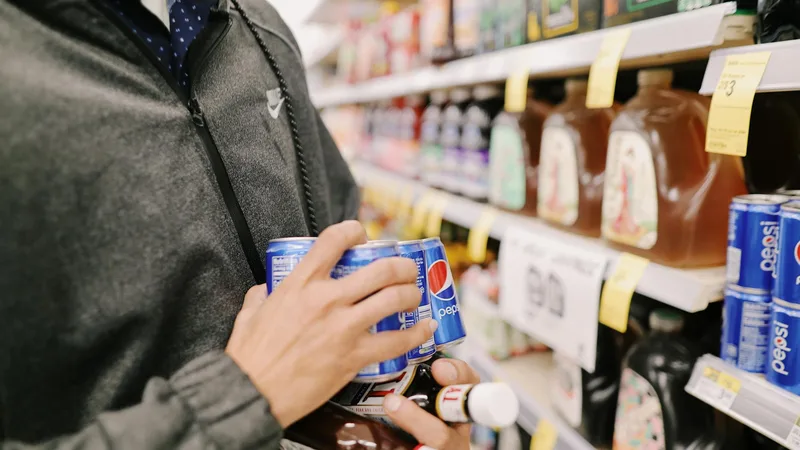
Let's talk data, because the scale of this industry surprises most people who discover it late.
3,190 businesses. That's not a niche. That's a real retail category with serious reach across the country. Houston leads with 83 listings, Brooklyn has 61, Philadelphia has 46, and Los Angeles has 41. And those are just the top cities. Hundreds of smaller cities and suburban areas are represented too, which means you probably have more options nearby than you'd expect.
A 4.3-star average across nearly 3,200 businesses is genuinely impressive. For context, that's on par with well-regarded mainstream grocery chains. People are not grudgingly tolerating these stores; they're rating them highly and coming back.
Among the top-rated individual businesses in the directory: Salvage Saviors in Katy, Texas sits at a perfect 5.0 stars with 718 reviews. That's not a fluke. Re_ Grocery has two California locations, both at 5.0 stars, one in Studio City with 224 reviews and one in Los Angeles with 191. These are stores with hundreds of real customer reviews and a spotless record.
(Side note: 718 reviews for a salvage grocery store. Think about what that means. That's a deeply loyal, very vocal customer base. Those people aren't leaving reviews because they were mildly satisfied.)
High ratings in big cities like Houston and Brooklyn also tell you something important: this isn't just extreme bargain hunters keeping these places alive. Mainstream consumers in dense urban markets are choosing these stores regularly. Groceries on a budget has moved from a fringe behavior to a smart, accepted shopping strategy.
How to Find a Verified Salvage Grocery Store Near You
This is where most people get tripped up. Salvage grocery stores don't always have the advertising budgets of big chains. They don't run national TV campaigns. Many don't even maintain a strong web presence. So if you just Google "grocery store near me," you're probably not going to find them.
Here's a step-by-step approach that actually works:
- Step 1: Start with the directory. A verified business directory with 3,190+ listings is your best starting point. Filter by city or zip code. You'll see ratings, review counts, and often store details all in one place.
- Step 2: Search with the right terms. Try "bent-n-dent stores," "scratch and dent grocery," "food salvage store," or "discount food store" in your area. These terms will surface stores that don't rank for generic grocery searches.
- Step 3: Check ratings before you drive. Prioritize stores with 50+ reviews and a rating above 4.0. A store with 4 reviews and 3 stars isn't worth a trip yet. Let other shoppers do the vetting for you.
- Step 4: Look up their hours and call ahead. Seriously, call. Hours change, some stores close early when inventory runs out, and a quick phone call saves you a wasted drive.
- Step 5: Check for social media activity. Many of the better salvage grocery stores post their new inventory on Facebook or Instagram. Following them is the best way to know when fresh stock arrives.
If you have two or three options in your area, visit all of them at least once. Stores source from different suppliers, so their inventory varies a lot. One might always have great snacks and canned goods. Another might specialize in frozen items or beverages. You'll figure out which one fits your household needs best after a couple of visits.
One more thing about finding these places: word of mouth is underrated. Ask neighbors, coworkers, or people in local community groups. People who shop salvage grocery stores regularly tend to be enthusiastic about them and will often give you a specific store name, a day of the week that's best for fresh stock, and tips on what to grab. That's more useful than any search result.
What to Look For (and Skip) on the Shelves
Walking into a discount food store for the first time can feel a little chaotic. Shelves aren't always organized the way a regular supermarket would be. Pricing stickers sometimes look handwritten. Products from three different years might be sitting next to each other. That's just how these places work, and it's fine once you know what to look for.
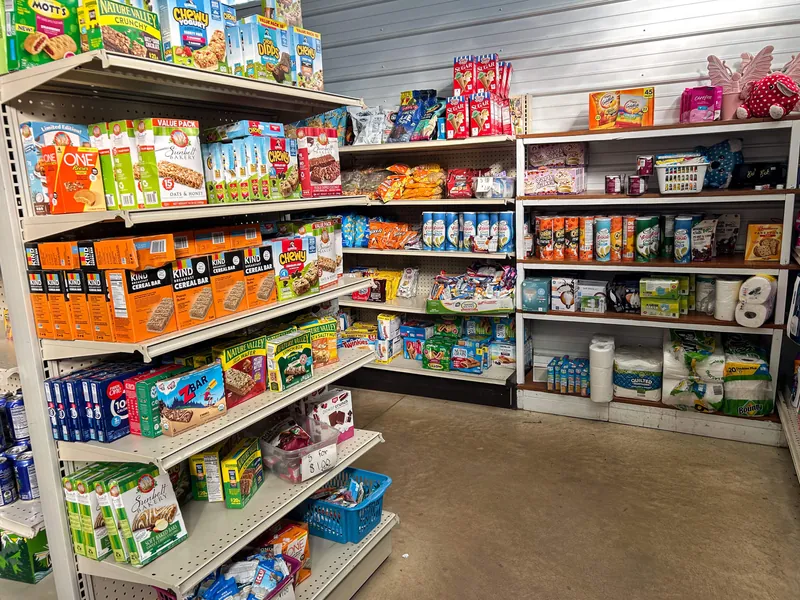
Start with packaged, shelf-stable goods. Canned goods, boxed pasta, cereals, condiments, snacks, drinks. These are where salvage stores shine. A box of crackers with a dented corner is still a box of crackers. Canned tomatoes with a torn label taste identical to canned tomatoes with a perfect label.
Check dates, but don't be rigid about it. "Best by" dates are about quality, not safety, for most shelf-stable products. A "best by" date two weeks ago on a box of rice doesn't mean the rice is dangerous. It means the manufacturer can't guarantee peak flavor. You can make that judgment call yourself.
What you actually want to inspect carefully:
- Cans with deep dents along the seam or at the top and bottom edges. Those seams are structural. A dent in the middle of the can wall is usually fine. A dent that's compromised a seam is a skip.
- Any can or jar that's bulging. That's a hard no regardless of the price.
- Bags or boxes that have been opened, even if they're resealed. Unless the store is selling them as partial items clearly marked, pass.
- Refrigerated or frozen items that show signs of thaw and refreeze. Ice crystals on the outside of a frozen item, pooled liquid in the bottom of a frozen bag, or a package that feels soft and refrozen. Trust your instincts on those.
Produce and fresh meat are trickier. Some salvage grocery stores carry them, most don't. If they do, apply the same judgment you'd use anywhere else. Fresh food is fresh food regardless of the store format.
Frozen and refrigerated packaged goods can be great deals if the cold chain has been maintained. Check that the freezer cases are actually cold, that items aren't stacked above the load line, and that nothing looks melted or re-frozen. Most good stores are diligent about this, but it pays to look.
Always do a quick mental price-per-unit comparison. Some items at salvage stores are genuinely 50-70% cheaper than retail. Others are only marginally discounted. Knowing your regular prices helps you spot the real wins fast. A national brand pasta sauce for $0.89 is a buy-everything-on-the-shelf situation. A name-brand cereal for $3.50 when the regular store sells it for $4.00 is fine but not exciting.
Building a Salvage Grocery Shopping Routine That Actually Saves You Money
One visit is not a strategy. The shoppers who get the most out of discount grocery stores are the ones who go regularly, know their prices, and stockpile the right stuff.
Going once a month means you miss restocks and lose out on the best deals to shoppers who come in twice a week. Going every day is probably overkill for most households. Once or twice a week is the sweet spot if you have a store nearby.
Build a simple stockpile mindset. When you find something you use regularly at a great price, buy more than you need right now. Canned goods, dried pasta, sauces, condiments, beverages, snacks, these things keep. Buying 12 cans of your favorite soup at $0.49 each instead of $1.89 at a regular store is the kind of math that adds up to hundreds of dollars in savings over a year.
Keep a running list of your household's regular items and what you normally pay for them. Not in your head. An actual list. Even just a note on your phone. That list is what lets you recognize a good deal instantly without second-guessing yourself in the aisle.
- Know your regular prices for the 20-30 items you buy most often
- Bring a cooler or insulated bag for frozen/refrigerated finds
- Check social media for the store before you go to see what's new
- Go early in the week if the store restocks on weekends
- Don't overbuy on items with short remaining shelf life unless you'll use them fast
- Bring cash or check their payment policies before assuming they take cards
One thing worth saying directly: salvage grocery stores work best as a supplement to your regular shopping, not a complete replacement, at least at first. Start by shifting 30-40% of your grocery budget to these places and see how it goes. Most people who try this end up shifting more over time because the quality is there and the savings are real.
Common Mistakes to Stop Making Right Now
People mess this up in predictable ways.
Biggest mistake: going in without knowing your prices. You can't tell if something is a deal if you have no baseline. You might end up buying a "discounted" item that's actually cheaper at your regular store. It happens more than you'd think.
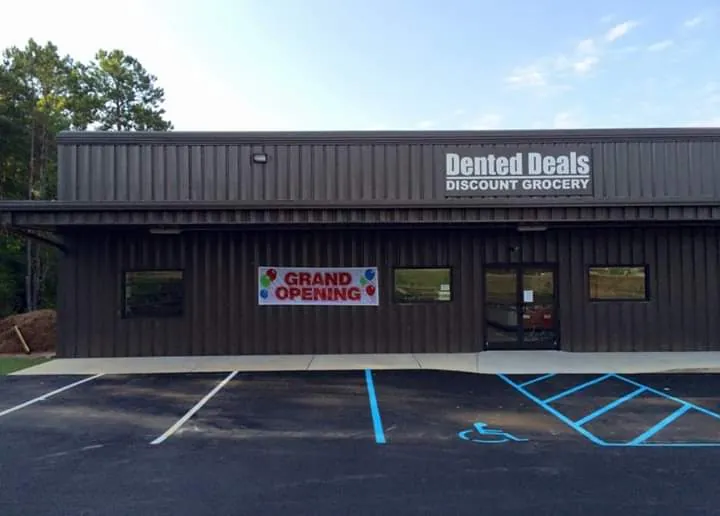
Second biggest mistake: skipping a store because it looks rough from the outside. Some of the best salvage grocery stores are in plain buildings with minimal signage. Salvage Saviors in Katy, Texas has 718 reviews and a perfect 5.0 rating. You think the exterior looks like a Whole Foods? Probably not. Judge by the reviews, not the curb appeal.
Also: don't buy more perishables than you can use. This seems obvious but it's easy to get caught up in the deals. A bag of apples for $0.99 is not a deal if half of them go bad before you can eat them.
And stop assuming everything is expired or low quality. A 4.3-star average across 3,190 businesses is the market telling you something. Shoppers are satisfied. Products are fine. In practice, the stigma is outdated.
Some salvage grocery stores have a loyalty system or mailing list. Ask at checkout. Getting a heads-up about big incoming shipments before they hit the floor is a genuine advantage, especially for popular items that sell out fast.
Frequently Asked Questions
Is food from salvage grocery stores safe to eat?
Yes, for the most part. Most inventory comes from overstock, label changes, discontinued products, and freight damage, where the packaging is affected but the food is not. You should still check for seam-damaged cans, bulging lids, broken seals, and signs of thaw-refreeze on frozen items. But cosmetic damage to packaging does not mean the food inside is unsafe.
How do I find a salvage grocery store near me?
Search the directory on this site and filter by your location. Also try searching terms like "bent-n-dent stores," "scratch and dent grocery," or "discount food store" plus your city. Many of these stores don't rank well in generic grocery searches, so specific terms help a lot.
Are the prices really that much lower?
Often, yes. Savings of 40-70% off regular retail prices are common for shelf-stable items. Typically, the range varies by product and by store. Knowing your regular prices is the only way to immediately recognize the best deals when you see them.
How often does inventory change?
It varies by store. Some restock daily, others a few times a week. Following the store on social media is the best way to know when new shipments arrive. Asking staff which days they typically restock is also completely reasonable and most will tell you.
Are these stores only in big cities?
No. While cities like Houston (83 listings), Brooklyn (61), and Philadelphia (46) have high concentrations, the directory includes stores in smaller cities and suburban areas across the country. Even if you're not in a major metro, it's worth checking the directory for your area.
What's the difference between a salvage grocery store and a regular discount grocery chain?
Regular discount grocery chains (like Aldi or Lidl) buy standard inventory at volume discounts and keep consistent stock. Salvage grocery stores buy irregular inventory, so products change constantly and often come from well-known national brands at steep markdowns. Both are good options for groceries on a budget, but they serve different shopping habits.
Salvage grocery stores are not a secret anymore, but a lot of people still haven't given them a real shot. 3,190 verified businesses with a 4.3-star average rating is not a fringe movement. It's a mainstream retail category that rewards shoppers who pay attention and show up regularly. Find one near you, go twice, learn the rhythm, and see what happens to your grocery bill.
More Ways to Save
Find Salvage Grocery Stores Near You
Browse our directory of 3,190+ verified businesses and read real ratings from real shoppers before your first visit.
Search the Directory