Scratch and Dent Grocery vs. Traditional Supermarkets: A Real Cost Comparison for Budget Shoppers
Your Grocery Bill Is Too High. Here's What Most People Don't Know.
You're standing in the cereal aisle at your regular supermarket, and a box of name-brand granola is $7.49. You've bought it a hundred times. You put it in the cart anyway. That quiet resignation, that moment where you just accept the price, is exactly what scratch and dent grocery stores are banking on you never questioning. And most shoppers never do.
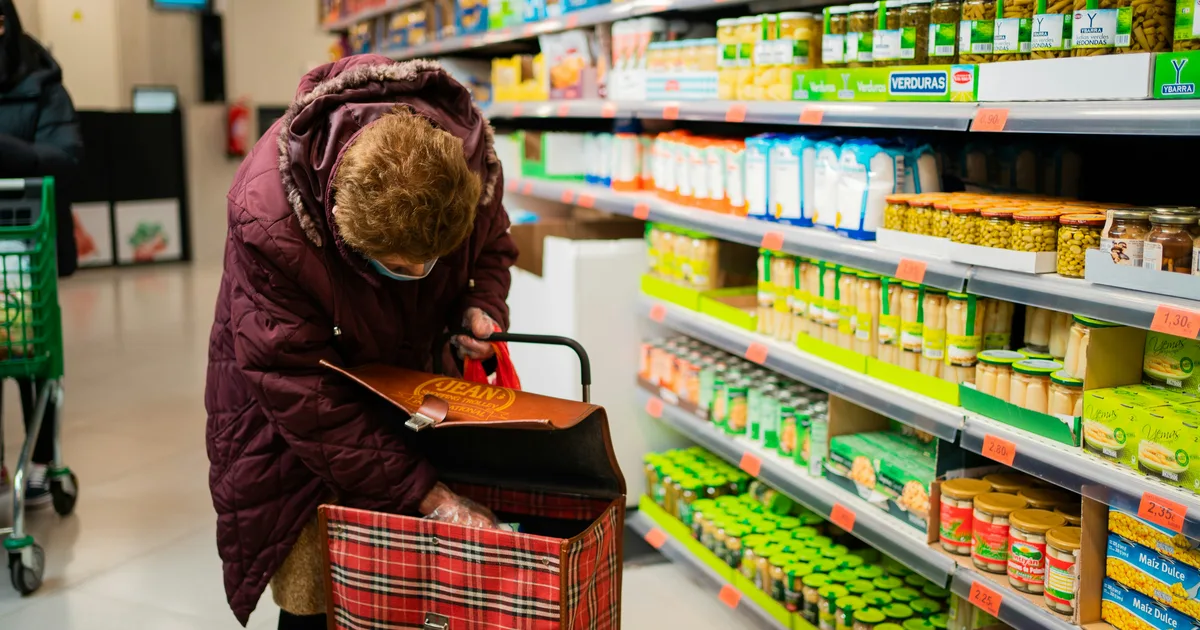
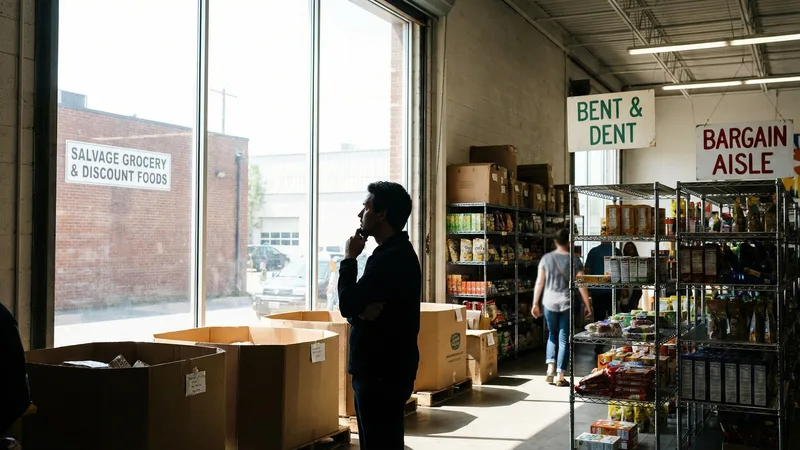
Scratch and dent grocery stores, sometimes called bent-n-dent stores or food salvage stores, sell the same products you'd find at a regular supermarket. Same brands, same formulas, same food inside. The difference is that the packaging might be dented, the label might be slightly off-center, or the item is approaching its best-by date faster than a traditional retailer wants to deal with. That's it. That's the whole secret. And because of that cosmetic imperfection or timing issue, prices can drop 30 to 70 percent below what you'd pay at a conventional store.
This guide breaks down how these stores actually work, runs a real cost comparison against traditional supermarkets, and gives you practical tools to figure out whether shopping at a discount food store near you makes sense for your household. No fluff. Just numbers and honest observations.
What Scratch and Dent Grocery Stores Actually Are (And Why They Exist)
How the Inventory Gets There
Here's something most people genuinely don't know: the supply chain for groceries generates a massive amount of perfectly good product that traditional retailers simply will not put on their shelves. Manufacturer overruns, mislabeled packaging, discontinued product lines, warehouse damage during transit, and retailer returns all create a constant stream of sellable food that needs somewhere to go.
Salvage grocery stores buy that inventory, often at pennies on the dollar, and pass the savings on to shoppers. A can of soup where the label got wrinkled in a warehouse is still a can of soup. A case of granola bars whose box got a corner crush during shipping tastes exactly the same as the pristine version. The food itself is not compromised. Federal regulations still apply. Products are still inspected. You're not buying mystery food, you're buying food that had a rough day on its way to the shelf.
Worth noting: not all discount grocery stores operate the same way. Some are independently owned single locations. Others are small regional chains. Some focus almost entirely on canned and dry goods. Others carry a wider mix including beverages, cleaning supplies, and occasionally frozen items. In practice, the model varies a lot by region.
Before your first visit to a salvage grocery store, call ahead and ask what categories they carry most reliably. Some stores are heavy on snack foods and light on pantry staples. Knowing this in advance saves you a wasted trip and helps you plan around what you'll still need to buy elsewhere.
What You'll Actually Find on the Shelves
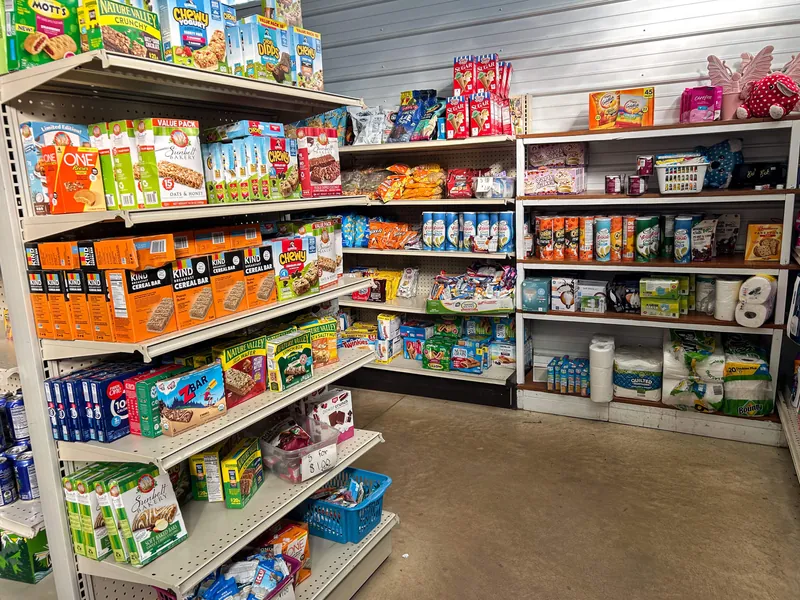
Canned goods are the backbone of almost every scratch and dent grocery store. Canned vegetables, soups, beans, tomatoes. They're durable, forgiving of warehouse conditions, and common in the salvage supply chain. Dry pantry staples come next: pasta, rice, cereals, crackers, snack mixes. Beverages show up constantly, especially sodas, energy drinks, and bottled water with label damage. Cleaning supplies are surprisingly common too, since a dented bottle of dish soap works just as well as a perfect one.
And this is the part that actually gets people hooked once they start going regularly: name-brand items at deep discounts. Not store-brand substitutes. Not knockoffs. Actual name-brand cereal, actual name-brand pasta sauce, actual name-brand chips, at prices that feel almost wrong. That's a real differentiator from generic discount stores, which usually just offer cheaper versions of things. At a damaged goods grocery, you get the brand you already know at a fraction of the price.
Inventory rotates unpredictably. Some weeks the shelves are full of things you'd go out of your way to buy. Other weeks it's slim. That unpredictability frustrates some shoppers, but for deal hunters it's actually the appeal. Each visit is different.
Who Actually Shops at These Places
Budget-conscious families are the obvious core customer. But small restaurant owners buy here too, stocking up on canned tomatoes and bulk dry goods. Food pantry volunteers make regular runs for donations. Resellers pick up discounted beverages and snacks to sell at flea markets or online. And increasingly, middle-income households that just want to stretch their grocery budget without giving up the brands they actually like have started showing up. These aren't thrift stores for food. They're just smarter sourcing.
The Numbers: What Our Directory Data Actually Shows
Our directory lists 3,183 salvage grocery businesses across the United States. That's not a niche market or a fringe option. That's a mature, geographically distributed industry that's been quietly serving shoppers for decades while most people drove right past to get to the big chain supermarket.
Average customer rating across all listed stores is 4.3 out of 5 stars. Honestly, that surprised me when I first looked at it. Four-point-three is a strong number for any retail category, let alone one where people might reasonably expect inconsistency or lower quality. What it tells you is that shoppers who try these stores tend to come back and rate them well. That's a signal worth paying attention to.
Where These Stores Are Concentrated
Houston leads nationally with 83 listings in our directory. Brooklyn comes in second at 61 listings. Philadelphia has 46, and Los Angeles has 41. Urban concentration makes sense: dense populations, diverse income levels, and strong discount-shopping cultures in all four of those metros create consistent demand.
But suburban and rural shoppers shouldn't write this off. Typically, the directory's location search makes it easy to find a discounted grocery store near you regardless of where you live. Smaller cities often have at least a few options, usually independently owned stores that have been around for years without much advertising.
Top-Rated Stores Worth Knowing About
Several businesses in the directory have hit a 5.0-star average across hundreds of reviews. Salvage Saviors in Katy, Texas has 718 reviews at 5.0 stars, which is a genuinely remarkable number of reviews for any local grocery retailer. Re_ Grocery operates two locations in the Los Angeles area, one in Studio City with 224 reviews at 5.0 stars, and one in Los Angeles proper with 191 reviews at the same rating. Both have built loyal followings by focusing on near-expiration and surplus items from quality brands.
A quick note on the data: House of Milner Jewelers and Hegwood's Towing LLC also show up as 5-star businesses in the directory at 531 and 277 reviews respectively. Those are clearly misclassified listings, not grocery stores. Happens with directory data. As a rule, the point is the grocery-specific listings still paint a picture of high shopper satisfaction across the board.
Sort your local directory search results by rating, not just proximity. A store that's five minutes farther away but has 200+ reviews at 4.8 stars is almost always worth the extra drive over a closer store with 12 reviews at 3.5.
Side-by-Side Cost Comparison: Scratch and Dent vs. Traditional Supermarket
Let's get specific. Here's a real comparison of common grocery categories, using typical pricing ranges based on what shoppers report finding at scratch and dent stores versus average national supermarket prices.
| Product Category | Traditional Supermarket | Scratch & Dent Store | Typical Savings | Reliability at S&D Stores |
|---|---|---|---|---|
| Canned vegetables (15 oz) | $1.20–$1.80 | $0.30–$0.70 | 50–75% | ⭐⭐⭐⭐⭐ Very consistent |
| Name-brand cereal (family size) | $5.50–$7.50 | $1.50–$3.50 | 40–70% | ⭐⭐⭐⭐ Common but varies |
| Pasta (16 oz, name brand) | $1.50–$2.50 | $0.50–$1.00 | 50–65% | ⭐⭐⭐⭐⭐ Very consistent |
| Snack bars / granola bars (box) | $4.00–$6.50 | $1.00–$2.50 | 50–75% | ⭐⭐⭐⭐ Common |
| Beverages / soda (12-pack) | $6.00–$9.00 | $2.00–$4.00 | 40–60% | ⭐⭐⭐⭐ Common |
| Cleaning supplies (dish soap, etc.) | $3.00–$5.50 | $0.75–$2.00 | 50–75% | ⭐⭐⭐⭐⭐ Very consistent |
| Fresh produce / meat | Widely available | Rarely available | N/A | ⭐ Not a strength |
That last row is the honest part. Scratch and dent stores are not a replacement for your full grocery run. Fresh produce, meat, dairy, and bread are mostly absent or unreliable. You'll still need a traditional supermarket for perishables. But for everything in the middle of that table, the math is hard to argue with.
Pros and Cons, Honestly
- Pros of scratch and dent grocery stores: Dramatic savings on shelf-stable items, name-brand products at discount prices, cleaning supplies at a fraction of retail, low overhead stores often with fast checkout, and the occasional spectacular find on specialty items.
- Cons of scratch and dent grocery stores: Inventory is unpredictable and you can't plan a full week's meals around it, fresh items are mostly unavailable, some stores have limited hours, product dating requires attention on your part, and the shopping experience is less polished than a conventional store.
Do your salvage grocery run first, stock up on everything shelf-stable you can find at deep discount, then hit the regular supermarket only for fresh items and specific things you didn't find. Most households that do this report cutting 25 to 40 percent off their total monthly grocery spend without changing what they actually eat.
How to Shop at a Scratch and Dent Store Without Making Rookie Mistakes
Most people walk into one of these places for the first time and either buy too much of something impulsively or leave confused because the store doesn't look like what they're used to. Neither outcome is great. Here's a practical checklist to actually get value out of the visit.
Walking into a bent-n-dent store for the first time can feel a little like a weird warehouse sale where someone organized the shelves after one too many coffees. Prices are sometimes on stickers, sometimes on signs above the shelf, sometimes handwritten. That's part of the format. Don't let it throw you.
Pre-Visit Checklist
- Check the store's hours before you go. Many independently owned salvage grocery stores have shorter hours than chains.
- Bring a list of the shelf-stable items you buy regularly. That's your shopping baseline.
- Know your household's brand preferences. This matters more here than at a regular store because selection varies wildly.
- Bring reusable bags. Some smaller stores don't provide bags or charge for them.
- Check if the store accepts EBT/SNAP. Most do, but not all. Worth confirming in advance.
In-Store Checklist
- Always check the best-by date before you buy. Not because the food is dangerous after that date, but because you need to know if you'll realistically use it in time.
- If a can is severely bulging or the seal is broken, skip it. That's different from a dent or a label problem.
- Stock up on anything shelf-stable that you use constantly and that has a good best-by date. Canned goods, pasta, and cleaning supplies are your best bets.
- Don't impulse-buy perishables you won't use quickly just because the price is good.
- Grab more than one of something you know you'll use. Inventory may not be there next week.
After Your Visit
- Track what you spent versus what you would have paid at your regular supermarket. Actual numbers make the case better than assumptions.
- Note which categories gave you the best savings. Plan future visits around stocking up on those.
- Tell someone about the store. These places survive on word of mouth, and they're worth supporting.
One more thing: check if the store has a social media page or mailing list. Some discount food stores post weekly inventory updates, which lets you plan visits around what's currently in stock. That solves the unpredictability problem almost entirely.
Finding Discounted Grocery Stores Near You
Our directory has 3,183 listings across the country. Houston alone has 83. If you're in a major metro, you almost certainly have options within a reasonable drive. Use the directory's location search, sort by rating, and read a few recent reviews to get a sense of current inventory and pricing.
For shoppers in smaller markets, the search term "discount food store" or "bent-n-dent stores near me" will surface options that don't necessarily market themselves heavily online. Some of the best ones have been operating for 20 years with zero advertising budget and a parking lot full of regulars every Saturday morning.
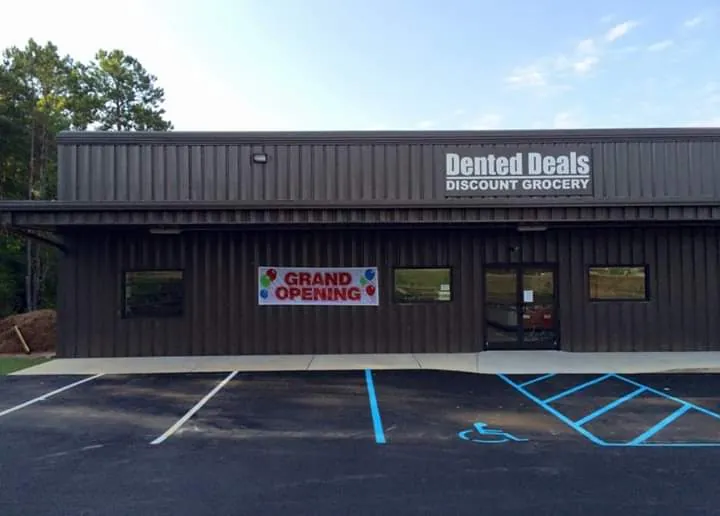
Smaller towns sometimes have one excellent salvage store that most locals don't know about because it doesn't look like a regular grocery store from the outside. Worth a look.