Stock the Pantry Cheap: Getting Serious About Bulk Buys at Salvage Stores
The Problem Most People Walk In With
Over 3,190 verified salvage grocery store listings across the country average a 4.3-star rating. That's not a fluke. People keep coming back, and a big reason is that these stores reward a specific kind of thinking that most grocery runs don't require: buying more than you need right now.

But here's where a lot of first-timers go wrong. They walk into a salvage grocery store the same way they'd walk into a regular supermarket. One jar of pasta sauce. Two cans of beans. Maybe a box of cereal if it's on their list. They grab what they need for the week, pay, and leave feeling pretty good about saving a few dollars.
Good, but not great.
Salvage grocery stores are not set up like regular stores. Inventory rotates fast, deals don't repeat on a schedule, and the item you passed on Tuesday might genuinely be gone by Friday. Shopping with a week-by-week mindset leaves a lot of money on the table. The shoppers who get the most out of these places think in a completely different unit of time.
Why Salvage Store Inventory Works Against Cautious Buyers
Salvage grocery stores source products from overstock, discontinued lines, packaging changes, and warehouse closeouts. That's exactly why prices can be so low. A manufacturer ends a product run and needs it gone. A distributor over-ordered. A label gets redesigned and the old packaging suddenly needs a new home. These stores pick it up cheap and pass that savings along.
The catch, and it's a real one, is that this supply is finite. There's no reorder button. When a pallet of, say, 48-count granola bars sells through, that's it. Not next week. Not ever, at that price. You can find the same brand at a regular grocery store, sure, but you'll pay two or three times more.
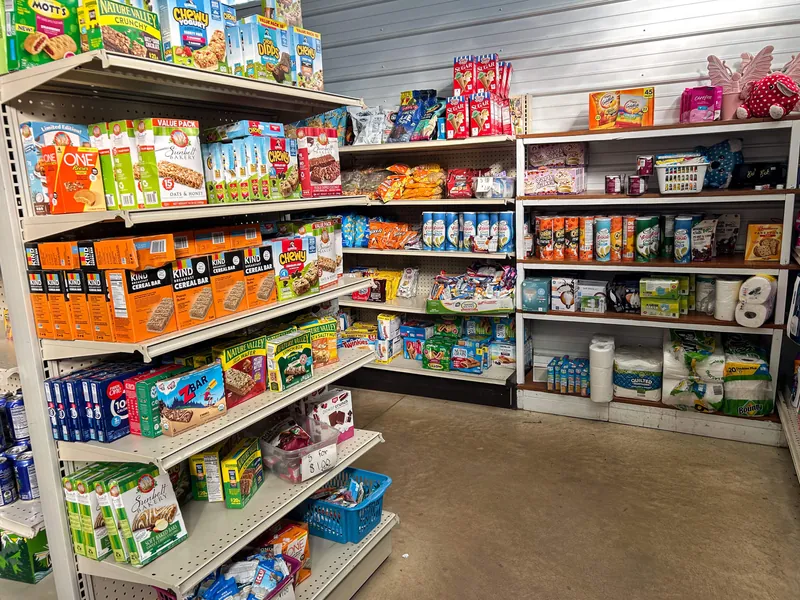
And honestly, some of the best finds I've seen described by regular salvage shoppers are things that only showed up once. Whole cases of name-brand coffee. Bulk quantities of canned tomatoes at under fifty cents a can. Protein bars by the box for what you'd normally pay per bar. These aren't things you want to buy one of.
That scarcity is built into the model. It's not a bug; it's the whole point. Understanding that changes how you shop.
What Bulk Buying Actually Looks Like Here
Let's get specific. Bulk buying at a salvage grocery store does not mean you need a warehouse membership or a giant SUV. It means adjusting your default quantity on non-perishables when you find a price worth locking in.
Here's a practical way to think about it:
- Canned goods with a long shelf life, things like beans, tomatoes, tuna, corn, broth, are almost always worth grabbing in quantity when the price is right. If you'd normally buy two cans, buy eight. Cans don't go bad for years.
- Dry goods like rice, pasta, oats, and lentils store well and get used constantly. A salvage store with a good deal on a 5-pound bag of pasta is worth buying three or four of, not one.
- Paper products and cleaning supplies are non-perishables too. People forget this. Dish soap, laundry detergent, paper towels: if the price is genuinely low, these are some of the best bulk buys you can make because they never expire and you will always use them.
- Snacks and shelf-stable items you already know your household eats are worth stocking up on. Not new-to-you items, because if nobody ends up liking them, you've got a lot of them now. Stick to proven favorites first.
One thing worth knowing: salvage grocery stores often price by the item, not the case. But some locations will offer an additional discount if you buy a full case. Ask. Seriously, just ask. In practice, the worst they say is no, and a lot of the time there's a deal to be had that isn't posted anywhere.
Wait, that's not quite right to say it's never posted. Some stores do mark case pricing clearly on the shelf. But plenty don't, and it's always worth a quick question to whoever's stocking shelves.
Making Your Cart Work Harder on Every Visit
Before you walk in, do a fast mental inventory of your pantry. Not a detailed list, just a rough sense of what you're low on and what you go through fast. Pasta, canned soup, cooking oil, whatever applies to your household. Keep that in your head as you walk the aisles.
When you find a strong price on something in that mental category, that's your green light to buy more than one.
A good rule of thumb: if the price is less than half of what you'd normally pay, and you'll definitely use it, buy enough to last two to three months. That's the sweet spot where you're genuinely saving money without overstocking to the point where things get lost in a cabinet and forgotten.
Also worth mentioning: bring a bigger bag or a box from home. Salvage grocery stores are not always set up for heavy hauls the way warehouse clubs are. Parking lots at these places can be interesting, sometimes it's a strip mall tucked next to a dollar store, sometimes it's a standalone building with a big loading area. Either way, having your own sturdy bags makes a big difference when you're walking out with twelve cans of black beans.
One more thing, and this matters more than it sounds: keep a running list on your phone of what you've stocked up on and roughly how much of it you have. It sounds like overkill. It's not. Nothing wastes the savings from bulk buying faster than accidentally buying more of something you already have plenty of, while forgetting you're completely out of something else.
Salvage grocery stores reward the shoppers who show up prepared. Typically, the inventory is unpredictable by nature, but your response to it doesn't have to be. Go in with a sense of what you need, recognize a good price when you see one, and buy enough to actually benefit from the deal. That's the whole strategy, and it works every time.