The Brands Nobody Bought Are Sitting Right There Waiting for You
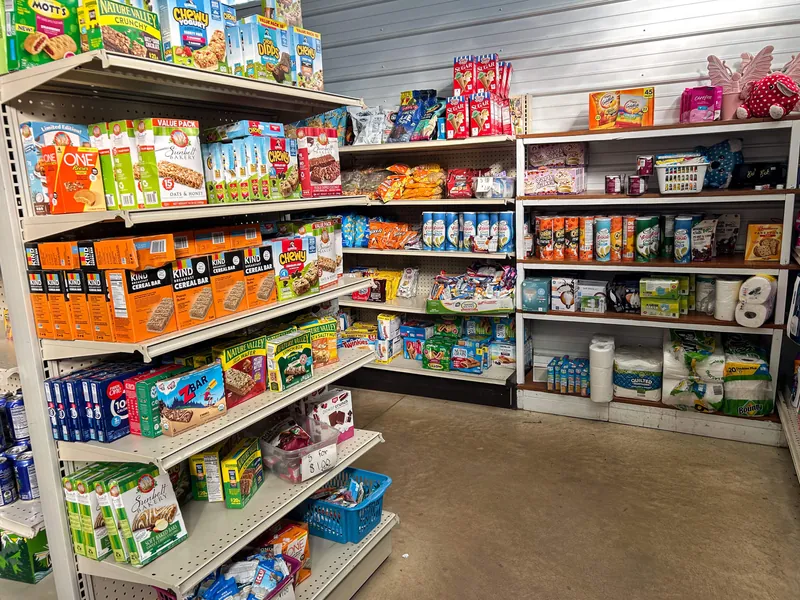
Over 3,190 verified salvage grocery stores across the country carry products that never had a fair shot on regular store shelves, and most of those products are perfectly good. Not expired. Not damaged. Just unlucky. A cereal brand that launched with a bad logo, a pasta sauce that came out the same week three bigger brands ran major promotions, a granola bar that got discontinued because the regional distributor folded. The stuff ends up at salvage grocery stores, and it's usually marked down 30 to 70 percent compared to what you'd pay at a conventional supermarket.
Most people walk past unfamiliar brands without a second thought. That's understandable. Brand recognition is genuinely useful shorthand when you're in a rush. But at a salvage grocery store, skipping unknown labels means leaving a lot of value on the table.
Why Unknown Brands Land at Salvage Stores in the First Place
Marketing failure is not the same as product failure. A lot of people do not realize this, and it costs them at checkout.
A brand can fail to sell for dozens of reasons that have nothing to do with quality. Maybe the packaging was confusing. Maybe the company couldn't afford end-cap displays at major retailers. Maybe a big grocery chain dropped it to make room for a store-brand version of the same thing. Whatever the reason, the remaining inventory has to go somewhere, and salvage grocery stores are where it goes.
Honestly, some of the best olive oils, hot sauces, and specialty crackers on the market have passed through these stores at a fraction of their actual worth. Not knock-off products. Real, well-made goods that just did not find their audience in time.
One thing worth keeping in mind: salvage stores also carry overstock from brands that are still active and selling well. A large retailer orders 10,000 units, sells 7,000, and offloads the rest. That's not a failed product. That's just surplus. So not every unfamiliar label is a cautionary tale. Some are just brands you haven't run into yet.
Actionable point: when you pick up an unfamiliar product, flip it over and read the ingredient list before you put it back. If the ingredients look similar to a brand you already trust, there's a decent chance the product itself is comparable. Ingredient lists don't lie the way packaging does.
How to Actually Evaluate an Unknown Brand on the Shelf
Give yourself two minutes. That's all this takes.
Check the manufacturer's name, which is usually printed in small text near the barcode or on the back panel. Sometimes you'll recognize the manufacturer even if you don't recognize the brand. A lot of smaller labels are produced by the same facilities that make national brands; they're just sold under different names. If the manufacturer's name rings a bell, that's a reasonable signal the product is solid.
After that, look at the country of origin and the certifications printed on the label. USDA Organic, Non-GMO Project Verified, Kosher, Halal. Those certifications require third-party audits. A product that passed those audits went through more scrutiny than most brand-name items.
Wait, that is not quite right. I should say: those certifications don't guarantee you'll like the taste, but they do tell you the product was made to a documented standard. That matters.
You can also do a quick search on your phone while you're in the store. Type in the brand name. If it has a website, even a basic one, that's a sign it was a real commercial product, not a rushed imitation. If reviews exist anywhere, skim them fast. Thirty seconds of searching can tell you whether a brand had genuine fans who just couldn't find it anymore.
Actionable point: start with low-stakes categories. Canned beans, dried pasta, cooking oils, and spices are forgiving. If you spend $1.49 on an unfamiliar brand of chickpeas and they turn out to be fine, you've just found a cheaper source of something you already buy. If they're not great, you're out less than two dollars.
Building a Short List of Brands Worth Buying Again
Salvage grocery stores change their inventory constantly. A brand you find this week may not be there next week.
Because of that, keeping a small running list on your phone pays off more than it sounds. When you find an unfamiliar brand you actually like, write down the brand name, the product, and roughly what you paid. Next time you're in a different salvage store, you'll know what to look for. Stores within the same region often carry similar surplus inventory, so there's a real chance you'll see it again somewhere.
This is especially worth doing with condiments, snack foods, and specialty ingredients. Those categories have the most brand variety at salvage stores, and they also tend to have the widest price gap compared to regular grocery chains.
I would pick a curious mindset over a cautious one in these stores every single time. Caution makes sense when you're evaluating safety. It does not make sense when you're evaluating a jar of salsa with a weird label.
And the math on this is simple. If you try five unfamiliar brands per visit and like two of them, and those two cost half what you'd normally pay, you've reduced your regular grocery spending on those items by 50 percent going forward. That compounds over months.
A Few Things That Actually Help When You're Not Sure
Buy one unit first. Don't grab three cans of something you've never tried just because the price is good. Buy one, try it at home, and go back for more if it works out. Salvage grocery stores often have multiples of the same item sitting on shelves for a few weeks at a time, so there's usually an opportunity to return.
Smell the package if it's dry goods. Stale spices and old crackers sometimes give themselves away through the packaging. Not always, but sometimes. It's a quick check that takes no time at all.
Some salvage stores organize unfamiliar brands in dedicated sections near the front of the store, almost like a clearance aisle within a clearance store. Worth noting because those sections sometimes get restocked more frequently than the regular shelves, and they tend to have the steepest discounts.
One more thing, because it comes up: don't confuse "unfamiliar brand" with "store label" at a salvage grocery store. Some salvage stores have their own house brands for things like dried goods and cleaning supplies.