The Dented Can Problem Is More Common Than You'd Think
Over 3,190 verified salvage grocery stores are listed in our directory, with an average rating of 4.3 stars. That's a lot of happy shoppers finding real value. But mixed into those positive experiences are occasional stories of people grabbing a can without looking closely, getting home, and realizing something was off. It happens more than you'd expect, and it's almost always avoidable.
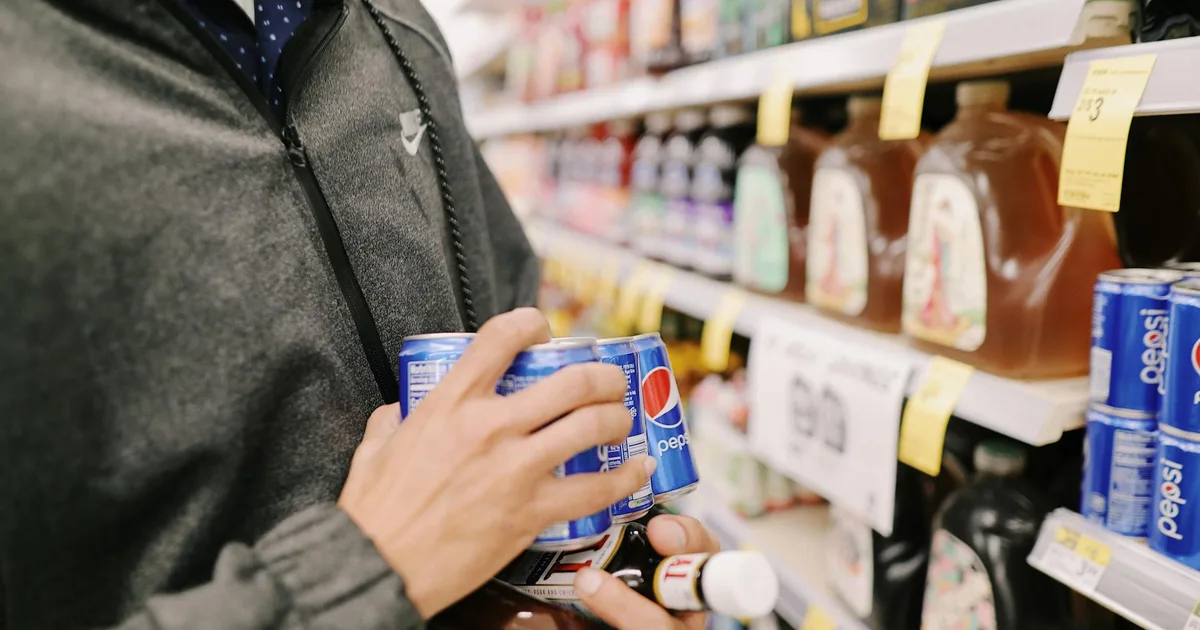
Salvage grocery stores are genuinely great places to stretch a food budget. Products come in at steep discounts because packaging got dinged in transit, labels got wet, or a retailer over-ordered. Most of it is perfectly fine. But "most of it" is not the same as "all of it," and knowing the difference comes down to one habit: actually looking at what you're picking up.
What Goes Wrong When Packaging Gets Damaged
Not every dent is a problem. A shallow dent on the body of a can, away from the edges, is usually cosmetic. That's actually fine to buy. But a dent along a seam is a different story entirely.
Seams are where the can is sealed. A dent there can compromise that seal, letting in bacteria or air. Botulism, specifically, is the real concern with improperly sealed canned goods. It's rare, but it's also odorless and tasteless, which means you can't detect it without a lab. You can only prevent it by not buying the compromised can in the first place.
Bulging containers are a clear signal something has gone wrong inside. Gas buildup from bacterial activity causes that swelling. Put it back. Do not buy it, regardless of the discount.
Torn or open flexible packaging is a separate issue. A bag of rice with a small rip at the corner might just mean a few grains spill. But a package of nuts or dried fruit with a tear exposing the food to open air is a contamination risk, and also just unpleasant to deal with when you get home and find bugs or moisture damage.
Salvage grocery stores are upfront about selling imperfect goods. That's the whole model. But there's a line between "imperfect label" and "compromised food safety," and understanding where that line is will save you real grief.
Why This Stuff Ends Up on the Shelf in the First Place
Salvage inventory moves fast. These stores often receive large pallets of mixed goods from warehouses, liquidators, and distributors. Staff sort through what comes in, but they're working quickly. A single pallet might have a hundred cans, and not every one gets a thorough individual inspection before it hits the shelf.
That's not a criticism. It's just the reality of how the supply chain works at this price point.
Some of these places also buy from retailers who are clearing out seasonal stock or discontinuing a product line. The packaging damage happened upstream, somewhere in transit or storage, and by the time a product reaches the salvage store, it's been handled multiple times. Each handling is another chance for a seam to get stressed or a bag to get nicked.
Worth knowing: some salvage grocery stores specifically grade their products and mark damaged cans with a different price tag or section them off. If you see a store doing that, it's a good sign they're being careful. Many of the highest-rated stores in our directory do exactly this. A store that takes the time to separate "cosmetic damage" from "structural damage" is one worth returning to.
How to Actually Inspect Products Before You Put Them in Your Cart
Pick up the can. Turn it over in your hand. Run your thumb along both seams, top and bottom, feeling for any dips or sharp ridges where a dent has distorted the metal. If you feel something unusual there, set it down.
Check the body for dents that are deep enough to have creased the metal. A shallow smooth depression is usually fine. A sharp V-shaped crease means the metal has been stressed, and that can affect the integrity of the whole can even if it's not on the seam directly.
For jars: look at the lid. A properly sealed jar lid should be slightly concave, curving downward in the middle. If it's flat or bulging upward, the seal has failed. Press the center of the lid gently. It should not flex or make a clicking sound. If it does, leave it.
For flexible packaging: hold the bag up to the light and look for pinhole tears, especially along the bottom seam. Manufacturers often print on or near seams, and damage there can be easy to miss at a glance. Squeeze the bag gently; if air escapes, there's a breach somewhere.
Honestly, this whole inspection takes about ten seconds per item once you get used to it. Ten seconds is nothing compared to throwing food away, or worse.
What Good Stores Do, and What You Can Learn From It
Some salvage grocery stores have bins specifically labeled "as-is" or "damaged," priced even lower than the already-discounted shelf items. Buying from those bins is fine if you know what you're getting into, but inspect those items even more carefully. They're there because something obvious was wrong.
A few specific things worth noticing when you walk into any of these stores: check whether the canned goods are stored on shelves that keep them upright and stable, or piled loosely in bins where they roll around and knock into each other. Bins mean more handling, more impact, more potential seam stress. Not a dealbreaker, but worth extra scrutiny.
Also, look at the label condition as a secondary indicator. A label that's water-damaged or moldy suggests the product was stored somewhere damp at some point. That doesn't mean the can is compromised, but it's a flag worth noting. Water and metal are not friends over time.
Stores that are well-organized, with products grouped logically and clearly priced, tend to have better overall inventory management. That correlation isn't guaranteed, but in general, a store that cares about presentation probably cares about other things too. Among the top-rated salvage grocery stores in our directory, the reviews frequently mention cleanliness and good organization as reasons people keep coming back.
Frequently Asked Questions
- Is a dented can always unsafe? No. Dents on the body of a can, away from seams, are usually cosmetic. Dents on the seams, or any bulging, are the ones to avoid.
-
More Ways to Save