Those Dates on the Label Are Not the Whole Story
Over 3,190 verified salvage grocery stores are listed in our directory, and the single most common question people ask before walking into one is some version of: "Is this stuff still good?" It's a fair question. And the answer is almost always yes, but you do need to know what you're looking at on the label.
Date labels are confusing even at a regular grocery store. At a salvage grocery store, where products are often sold precisely because they're close to or past those printed dates, understanding what those labels actually mean is the difference between a great deal and a wasted trip. Here are four practical things to know before you shop.
1. "Best By" Does Not Mean "Bad After"
Most people treat best-by dates like an expiration date on medicine. They're not. Best-by dates are a manufacturer's estimate of when the product is at peak quality, not a safety cutoff. A bag of rice with a best-by date of last March is almost certainly fine. Same with canned beans, pasta, cereal, and dozens of other shelf-stable items.
Honestly, the food industry has known this for decades and the labeling just never caught up with public understanding.
Canned goods in particular have a much longer actual shelf life than the printed date suggests. Studies from the U.S. Army and university food science programs have found that commercially canned foods remain safe and nutritionally adequate for two to five years past their labeled dates, sometimes longer, as long as the can is undamaged. So when you see a dented-free can of tomatoes at a salvage grocery store marked down to 40 cents because it's "past date," that's just a good deal. Full stop.
Actionable step: Before you shop, write a quick mental list of which categories you're open to buying past-date. Shelf-stable pantry items like pasta, canned goods, dried beans, oils, and vinegars are almost always safe well past the printed date. Commit to those categories first and work outward from there.
2. "Sell By" Is for the Store, Not for You
Sell-by dates are inventory management tools. They tell store staff when to pull a product from shelves so customers always see fresh stock. That date has almost nothing to do with when the food becomes unsafe to eat.
Milk, for example, is typically good for five to seven days past its sell-by date if it's been stored properly. Eggs can last three to five weeks past the pack date. Bread sold at salvage grocery stores a few days past its sell-by date is often still perfectly good, especially if you're planning to toast it or use it for sandwiches within a day or two.
Wait, that is not quite right on the eggs: the date stamped on egg cartons is usually a "Julian date" pack date, not a sell-by date at all, which makes it even less useful as a freshness indicator than most people think.
Actionable step: At these stores, look at the product condition rather than fixating on the date. Is the packaging intact? Does the product look and smell normal? Those are more reliable signals than a date printed months ago by a machine at a distribution center.
3. What to Actually Watch Out For
Not everything at a salvage grocery store is a safe bet. Some products do have real safety windows, and it's worth knowing which ones.
Fresh meat and dairy with broken seals, cans with bulging lids or deep dents along the seam, and anything with visible mold are genuinely worth skipping. Bulging cans in particular signal bacterial activity inside. That's a hard no, regardless of the price. And baby formula is one product where the expiration date does carry real weight. Formula nutrients degrade over time in ways that matter for infant development, so buying that one past-date is not worth the savings.
Beyond those specific categories, most of what you find at a salvage grocery store is perfectly fine. Products end up there for all kinds of reasons: overstocked warehouses, packaging changes, discontinued lines, minor label damage. None of those reasons affect what's inside the package.
I would pick a slightly dented outer box of crackers over nothing every single time. The crackers don't know their box got scuffed.
Actionable step: Make a short mental "skip list" for your salvage grocery runs. Baby formula, anything with a broken seal, visibly bulging cans, and refrigerated meat past its use-by date. Everything else is worth a closer look.
4. Building a Simple Habit at the Store
Good salvage grocery shopping comes down to a quick physical check, not paranoia. Squeeze the package. Smell it if you can. Check the seal. Read the date and then ask yourself which kind of date it is.
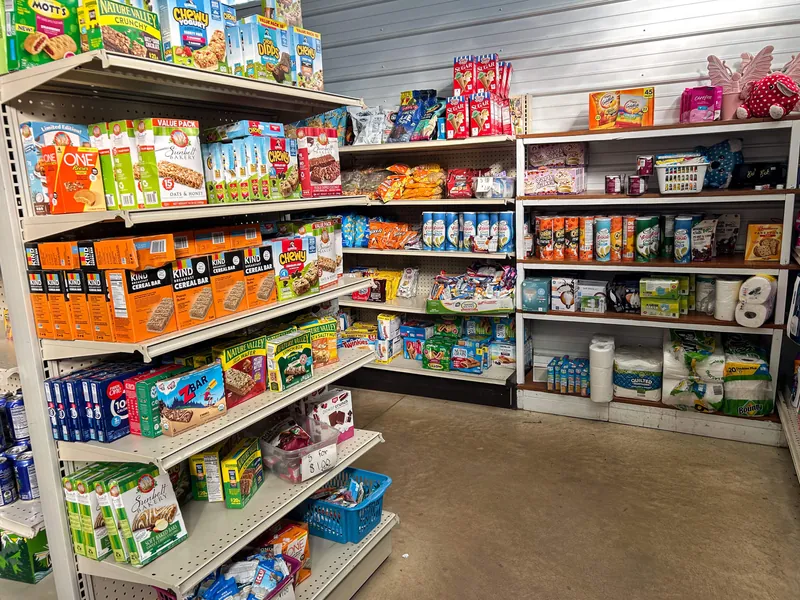
Some of the best deals in these stores are in the dry goods aisle, where a six-month-old best-by date on a box of quinoa or a bag of lentils is genuinely meaningless. Stock up there. Be more selective with refrigerated items. And if a store has a clear dating policy posted, read it. Many salvage grocery stores do their own quality checks before putting items on the shelf, which adds another layer of confidence on top of your own inspection.
One more thing worth knowing: bring a small flashlight or use your phone torch when you shop at these places. Lighting in the back aisles can be dim, and reading small date text on a dark label under fluorescent shadows is harder than it sounds. A small detail, but it saves a lot of squinting.
Dates on food labels are one piece of information. They're not a verdict. Once you start reading them correctly, salvage grocery stores go from feeling like a gamble to feeling like the obvious choice for pantry staples.
Ready to find a store near you? Browse our directory of 3,190+ verified salvage grocery stores and read reviews from people who shop there regularly.