What "Best By" Really Means on a Salvage Store Shelf
You pick up a can of diced tomatoes, flip it over, and the date stamp is smudged. Or worse, there's a sticker slapped right over the allergen warning. It's a small thing, but it stops you cold. You don't know if this product is still good, and you can't tell if it contains something you're trying to avoid. That moment of uncertainty is exactly what clear labeling is supposed to prevent, and it's one of the core quality standards that separates a trustworthy salvage grocery store from one you probably shouldn't visit twice.
1. What Clear Labeling Actually Means in a Salvage Context
Salvage grocery stores sell products that have been overstocked, discontinued, or cosmetically damaged. That's the whole point. But "cosmetically damaged" should mean a dented can or a torn box, not a product where you can't read the ingredients list because the label is half peeled off.
Clear labeling means every date, every ingredient, and every allergen warning needs to be visible and legible before a product hits the shelf. Not partially visible. Not readable if you hold it under a bright light at a certain angle. Actually readable, the way it was when it left the manufacturer.
And yes, that matters more here than at a conventional grocery store. At a regular supermarket, you're buying products with full supply chain documentation and fast turnover. At a salvage store, products may have been sitting in a warehouse for months, transferred between facilities, or repackaged. There are more opportunities for label damage, which means there's a higher standard of care required to make sure the label information still holds up.
Actionable point: Before you put any product in your cart, check the date and the ingredient panel directly. Don't assume the shelf tag reflects what's on the individual item. A store following this standard will have done this check already, but you're your own best safeguard.
Weird observation worth mentioning: some salvage stores use their own secondary stickers to add price or department information, and occasionally those stickers land right over the allergen section. A store with good labeling practices will never let that happen. If you see a price sticker covering a warning label, that's a real problem.
2. Why Dates Are the First Thing to Check
Best-by dates are not expiration dates. Most people know this in theory but forget it in the moment. "Best by" means quality, not safety, for most shelf-stable products. "Use by" on refrigerated or perishable items is a different story and should be taken more seriously.
Salvage grocery stores can legally sell products past their best-by dates in most states, and many products are perfectly fine weeks or even months after that date. But you need to be able to see the date to make that call yourself. A store that's following proper clear labeling standards will never carry a product where the date has been obscured, scratched off, or made unreadable through damage.
Out of 3,190+ verified salvage grocery store listings in this directory, the ones with strong ratings tend to get this part right consistently. It's not glamorous, but it's reliable.
Actionable point: Learn the difference between "best by," "sell by," and "use by." Shelf-stable goods like canned vegetables, pasta, and dry beans are almost always fine past a best-by date if the packaging is intact. Refrigerated dairy or deli items with a "use by" date need more scrutiny. A good store labels both types clearly so you can make that distinction without guessing.
3. Allergen Information and Why It Cannot Be an Afterthought
This is the one area where unclear labeling stops being an inconvenience and starts being a genuine health risk.
The nine major allergens, including peanuts, tree nuts, milk, eggs, wheat, soy, fish, shellfish, and sesame, are federally required to appear clearly on food labels in the United States. That requirement doesn't disappear because a product ended up at a salvage store. A box of crackers that contains wheat still has to say so, clearly, whether it's selling for $4.00 or $0.79.
Wait, that's not quite right to frame it as just a legal issue. It's also just basic decency. Someone with a peanut allergy can have a serious reaction. Labeling is the only tool they have to protect themselves in a store where they may not recognize every brand on the shelf. Salvage stores often carry lesser-known or regional brands that shoppers haven't seen before, which makes clear allergen labeling even more critical, not less.
Actionable point: If you have a food allergy, do not buy any product where the allergen panel is damaged, covered, or missing. No price discount is worth that risk. A store that's doing things right will have already pulled those items before they reach the floor.
Some stores, particularly the better-run ones, also add a secondary shelf tag for major allergens when the original packaging is partially damaged but the product itself is still safe. That's a good sign. It means someone actually looked at the product before putting it out.
4. How to Spot a Store That Takes This Seriously
You can tell pretty quickly. Walk in and look at the shelves.
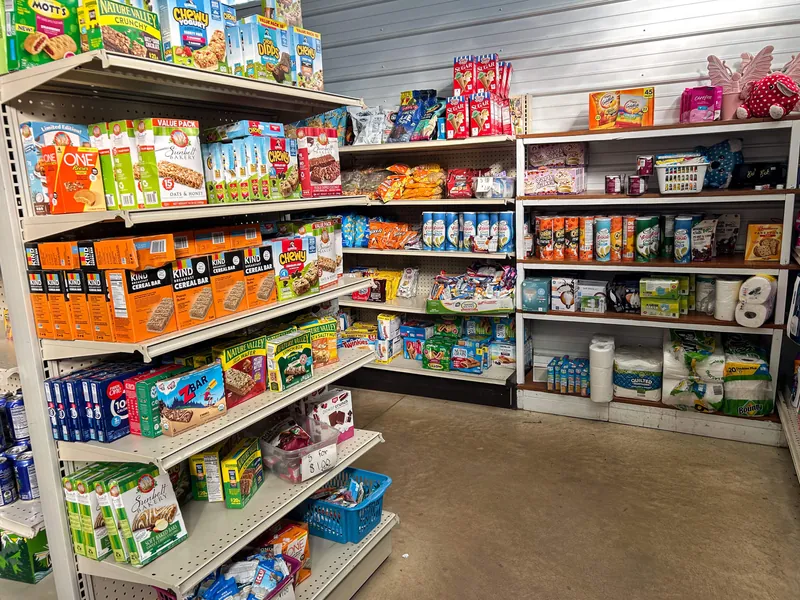
Products should be facing forward with labels visible. Dates should not require you to rotate the can three times to find them. If a label is torn, there should be a secondary tag with the key information. Stickers added by the store, for price or category, should be placed on a neutral part of the packaging, never over ingredient lists or allergen warnings.
Stores that take clear labeling seriously also tend to be cleaner overall. It sounds unrelated, but it's really not. The same attention to detail that goes into proper labeling shows up in how products are organized, how bins are maintained, and how staff respond when you ask about a product's origin. These things cluster together.
If you find a store that meets this standard, go back. A salvage grocery store with good labeling practices is genuinely useful: real savings on food that's safe and clearly documented. That combination is harder to find than it should be, so when you find it, it's worth becoming a regular.
Browse verified listings to find salvage grocery stores near you and filter by rating to find the ones that other shoppers consistently trust.