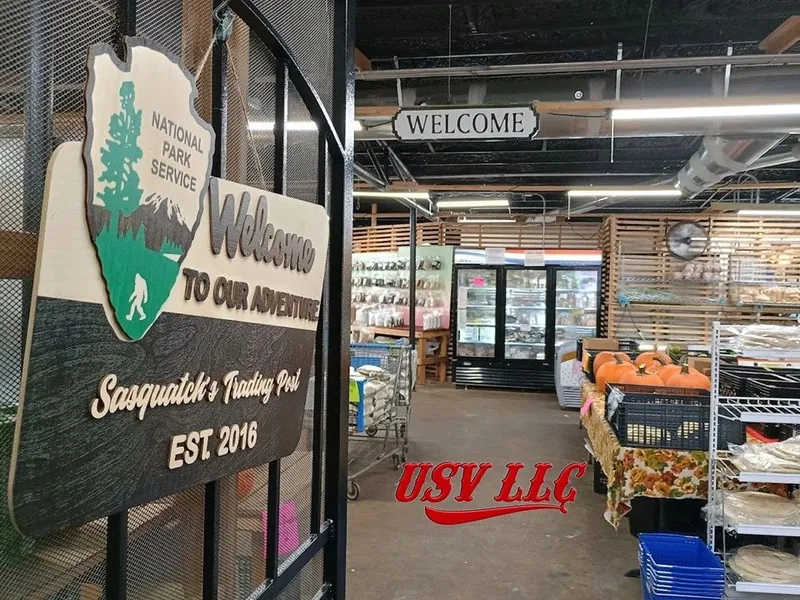
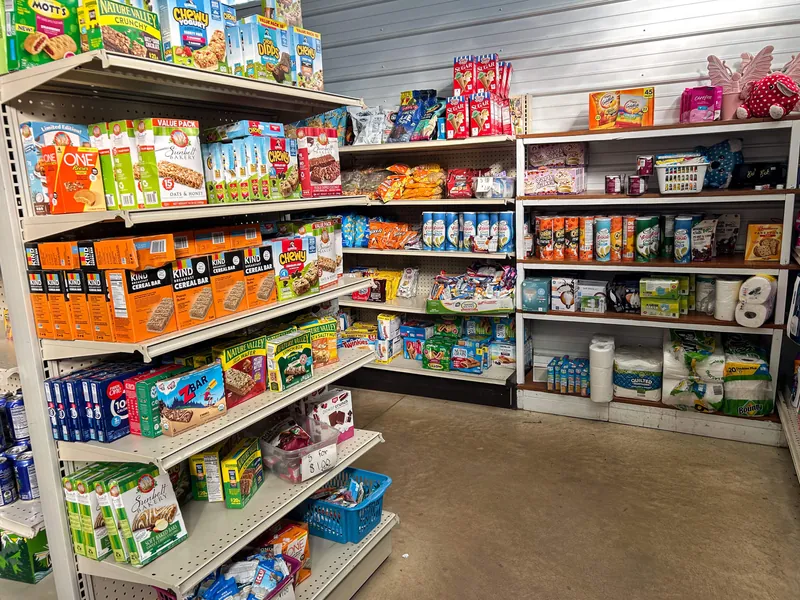
When Your Nose Knows Better Than the Price Tag
You're standing in the aisle, holding a can of tomato sauce with a dented rim and a price tag that says 49 cents. Your brain says "great deal." Something else says "put it back." That second voice is worth listening to. Salvage grocery stores offer real value, but getting the most out of a visit means knowing when to buy and when to walk away, and your senses are the best tool you have for that call.
1. Look Before You Grab
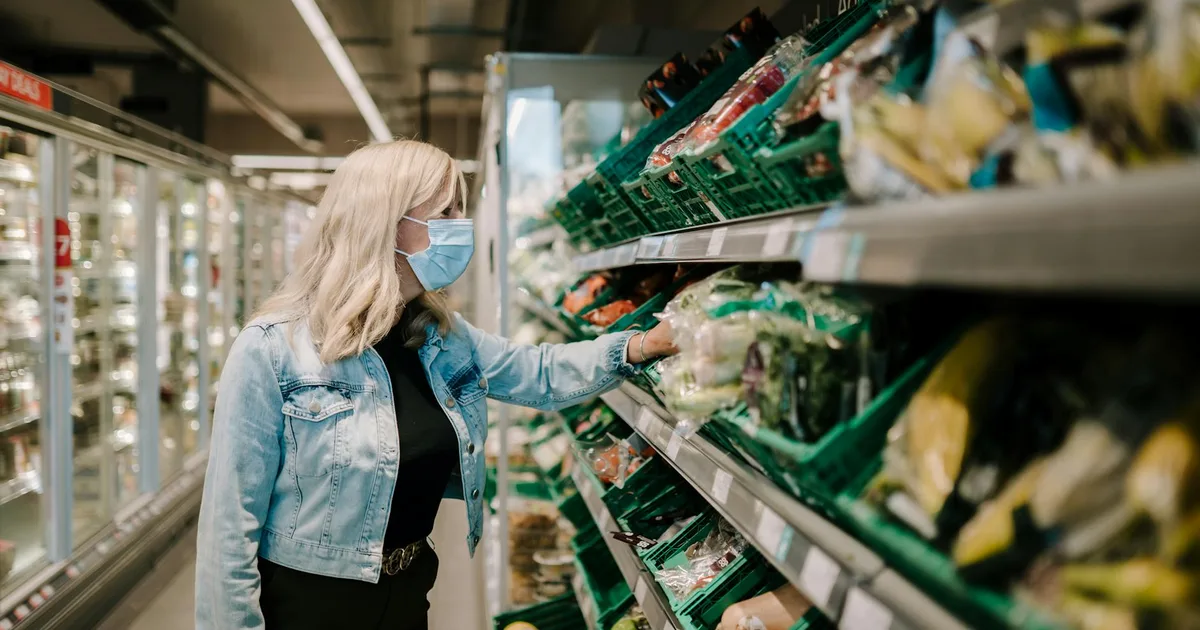
Most people reach for the closest item on the shelf without really looking at it. Slow down. Give the product a proper visual scan before it goes in your cart.
Check the packaging first. Swollen cans are a hard stop, no exceptions. Bulging means gas buildup inside, which is a sign of bacterial activity, and no discount justifies that risk. Torn or missing labels are less alarming, but if you can't tell what's actually in the container, that's a problem too. Minor dents along the seam of a can are worth skipping as well, since seam integrity matters more than most people realize.
Look at the product itself when the packaging allows it. Jarred goods, boxed cereals, and bagged snacks often let you see the contents. Discoloration, unusual clumping, or anything that looks "off" compared to what you'd expect is a signal. Honestly, a lot of salvage grocery shoppers get comfortable with cosmetic imperfections on packaging and forget to check the food inside. Don't let the low price make you skip that step.
One practical habit: hold jars and bottles up to the light. Cloudiness in something that's supposed to be clear, like a salad dressing or a vinegar-based sauce, can indicate spoilage or contamination. Takes about two seconds. Worth doing every time.
2. Trust What You Smell
Smell is genuinely underrated as a quality check. It works fast, it doesn't require any equipment, and it's surprisingly reliable.
Dry goods and pantry staples don't always have a strong odor, but baked goods, nuts, grains, and oils absolutely do. Rancid oil has a sharp, almost paint-like smell that you will not miss once you've encountered it. Whole nuts and nut-based products go rancid too, especially if they've been stored warm or past their prime. If a bag of almonds smells like old crayons, skip it regardless of the price.
Meat and dairy are obvious, but produce needs attention too. A lot of salvage grocery stores carry close-dated or slightly imperfect fruits and vegetables, and the difference between "needs to be used today" and "already gone" often comes down to how it smells. Citrus that's starting to ferment has a faintly boozy, off-putting scent. Leafy greens going bad smell faintly sour and swampy. You know the smell. Trust it.
And here's a small but useful thing: some stores allow you to open and smell certain products before buying. Not all do, and you should ask before opening anything sealed. But for loose produce, fresh items, or anything in open bins, use your nose freely.
3. Take a Small Taste When It Makes Sense
Tasting is the most direct check, and it's also the one that requires the most judgment about when it's appropriate.
For packaged goods you've already bought and opened at home, taste a small amount before committing to a full serving. Stale crackers, off-flavored cereals, or cooking oils with a bitter finish are worth tossing even if they look and smell fine. Your palate catches things the other senses miss. A bag of chips that tastes faintly soapy, for example, may have absorbed a nearby cleaning product during storage. Rare, but it happens.
Wait, that deserves a bit more emphasis: "looks fine, smells fine" does not always mean "is fine." Some forms of spoilage don't produce visible or odor-based signals at all, which is why taste remains part of the process, not a replacement for the other checks.
At the store itself, some salvage grocery stores offer samples or demo stations, particularly for shelf-stable snacks and packaged foods. If that's available, take advantage of it. You'll quickly learn which brands hold up well even close to their best-by date and which ones don't. That kind of firsthand knowledge is genuinely useful across multiple visits.
4. Know When to Put It Back
Good instincts are only useful if you actually act on them.
Salvage grocery stores operate across a wide range of quality standards. With 3,191+ verified listings in our directory carrying an average rating of 4.3 stars, most of these places are run by people who care about what they're selling. But even in a well-run store, individual products slip through that shouldn't be on the shelf.
If something sets off even one of your senses, put it back. Not "put it somewhere else in the store" and not "put it in your cart to decide later." Put it back on the shelf or hand it to a staff member. The 89-cent price tag is not worth a sick afternoon.
A useful rule: if you're standing in the aisle debating whether a product is okay, the answer is usually no. Healthy food doesn't make you hesitate. I'd rather walk out of a salvage grocery store with a shorter list than go home with something I'm not confident about.
Check the stores near you, read recent reviews, and bring your senses with you every time you go. They're the most reliable quality-control system you've got.