
Are you ready to unlock the secrets of saving big on your grocery bill? Welcome to the “Salvage Shopping Secrets Guide,” your ultimate companion to navigating the world of salvage grocery services. Imagine walking out of a store with a cart full of groceries, knowing you’ve saved 50-90% compared to regular prices. This isn’t a dream; it’s a reality for savvy shoppers who have tapped into the treasure trove of salvage grocery stores.
In this guide, you’ll discover why salvage shopping is the ultimate money-saving strategy and how you can make the most of it. With over 3,000 businesses in our directory, including top-rated gems like Mission Foods in Plano, Texas, and River’s Mouth Resale in Wrangell, Alaska, the opportunities are endless. You’ll learn where to find these high-quality stores, particularly in regions known for their stellar ratings, such as Ohio, Pennsylvania, and Kentucky.
Armed with data-driven insights and expert tips, you’ll gain the confidence to explore this growing market. Whether you’re in Houston, with its competitive cluster of top performers, or nationwide, this guide is your trusted resource for unlocking exceptional deals while ensuring quality and satisfaction. Let’s dive in and start saving!
Introduction to Salvage Grocery Shopping
What is Salvage Grocery?
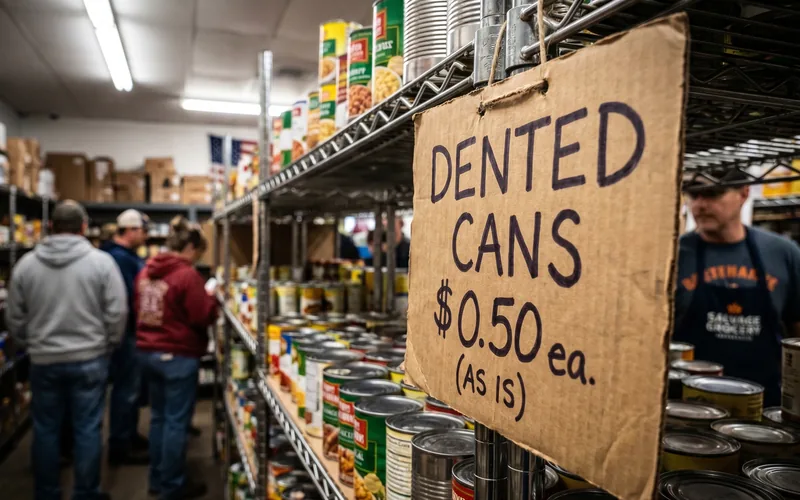
Salvage grocery shopping offers a unique opportunity for consumers to purchase food and household items at significantly reduced prices. Salvage grocery stores specialize in selling products that cannot be sold in conventional grocery stores due to reasons such as nearing or past sell-by dates, overstock, or packaging imperfections. These products are typically safe to consume, making salvage grocery shopping an excellent strategy for budget-conscious consumers who want to save money while reducing food waste.
How Stores Source Products
Salvage grocery stores source their inventory from wholesalers, manufacturers, and traditional grocery chains. These suppliers often have excess stock due to overproduction, discontinued products, or packaging errors. By partnering with these suppliers, salvage stores can offer products at a fraction of the retail price.
For instance, Mission Foods in Plano, Texas, might source surplus items directly from manufacturers, ensuring a steady influx of quality products. This supply chain enables stores to keep their shelves stocked with diverse items, from pantry staples to specialty goods, allowing customers to discover new products at incredible savings.
Types of Discounts
Salvage grocery stores are renowned for offering substantial discounts, often ranging from 30% to 70% off regular retail prices. The extent of these discounts can vary based on product type, condition, and market demand. For example, Warehouse Salvage in Lexington, Tennessee, might provide deep discounts on non-perishable items that are close to their best-by dates, allowing consumers to stock up without breaking the bank.
By shopping at salvage grocery stores, consumers can take advantage of these discounts while enjoying a diverse selection of products. The competitive nature of this market, with 44.5% of businesses boasting a rating of 4.5 stars or higher, means that customers have access to many excellent choices, ensuring that quality is not sacrificed for savings.
Data-Driven Insights
The data from our directory reveals patterns that can help you optimize your salvage grocery shopping experience. Ohio, Pennsylvania, and Kentucky are regions with high-quality salvage grocery options, averaging 4.4 to 4.5 stars. These areas have cultivated a reputation for quality due to a combination of consumer demand and a concentration of top-performing businesses.
If you’re looking for the best salvage grocery shopping experiences, consider exploring stores in these states. Houston, with 29 businesses in the directory, is another hotspot for high-quality options. The geographic concentration of top performers in Houston suggests favorable market conditions, such as efficient supply chains and strong consumer interest, which may contribute to better product availability and pricing.
Actionable Recommendations
To make the most of your salvage grocery shopping, seek out businesses with high ratings in your area or consider traveling to regions known for quality. For example, if you’re near Pennsylvania, visiting one of the 170 businesses with an average rating of 4.5 stars could provide a consistently better experience. Additionally, keep an eye on featured stores like The Salvation Army Thrift Store in Petersburg, Alaska, and River’s Mouth Resale in Wrangell, Alaska, both of which have 5.0-star ratings, indicating superior customer satisfaction.
In conclusion, salvage grocery shopping is a smart choice for those looking to save money and reduce waste. By leveraging the insights from our directory and focusing on highly-rated locations, you can ensure that you find great deals while enjoying a high-quality shopping experience.
How to Find the Best Deals
Timing Your Visits
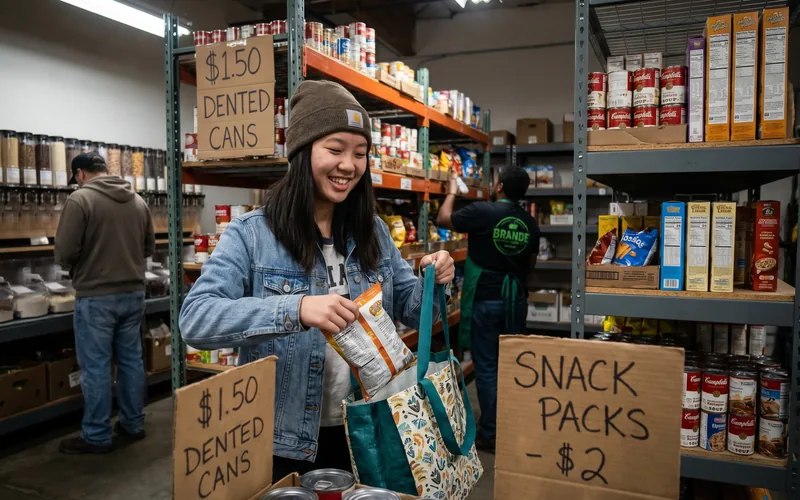
Finding the best deals at salvage grocery stores often hinges on timing. Many stores, such as Warehouse Salvage in Lexington, Tennessee, receive new shipments on specific days of the week. Visiting shortly after a restock can significantly increase your chances of finding high-quality items at rock-bottom prices. Generally, early mornings during weekdays are less crowded, allowing you to explore the aisles without the stress of competition.
Understanding geographic patterns can help pinpoint the best times to shop. For instance, Houston, with its concentration of top-performing salvage stores, often benefits from frequent restocking due to higher demand. Planning visits during shipment arrivals can be a savvy strategy. Keep an eye on social media pages of your local stores for updates on shipment arrivals and special sales events.
Reading Date Codes
Salvage grocery shopping requires a keen eye for interpreting date codes. While some products may be close to their sell-by dates, many are still perfectly good for consumption. Understanding these codes can help you make informed decisions and avoid wasting money on items that are past their prime.
Top-performing stores, like those in Ohio and Pennsylvania, often have clear labeling practices, making it easier for consumers to identify product freshness. Always check for ‘best by,’ ‘sell by,’ and ‘use by’ dates, and learn to recognize manufacturer-specific codes that might not be as straightforward.
Price Comparison Strategies
Price comparison is crucial in salvage grocery shopping. With 3,156 businesses listed in the Salvage Grocery Stores directory, consumers have many options. Start by familiarizing yourself with the average prices of staple goods in traditional grocery stores, so you can quickly identify when a salvage store offers a genuine bargain.
In regions like Kentucky, boasting an average rating of 4.5 stars across 79 businesses, competition drives prices down, presenting more opportunities for savings. Use this to your advantage by comparing prices among multiple stores. Consider using apps or websites that track grocery prices to ensure you’re getting the best deal possible.
In conclusion, by timing your visits strategically, reading date codes effectively, and employing smart price comparison strategies, you can maximize your savings at salvage grocery stores. Leverage the high-quality options available in states like Ohio, Pennsylvania, and Kentucky, where the market’s competitive nature ensures consumers benefit from excellent choices.