Dented Cans, Discontinued Chips, and Groceries You Won't Find Anywhere Else
So What Exactly Is a Salvage Grocery Store?
Ever walked past a store with hand-painted signs promising 70% off name-brand food and wondered if it was legit?
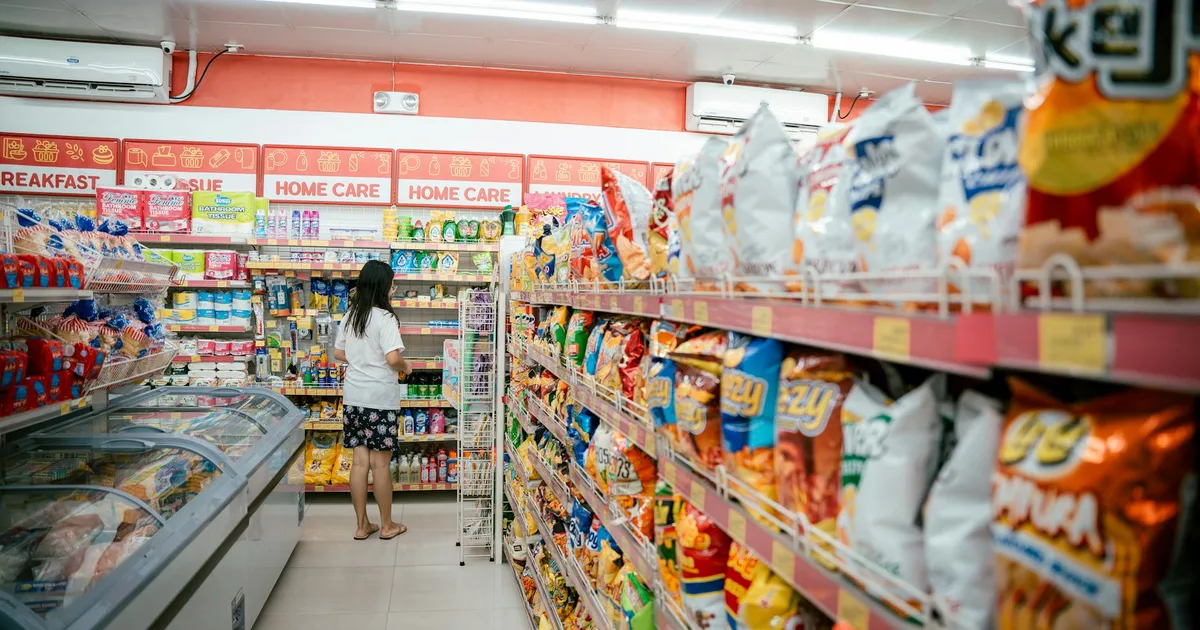
Salvage grocery stores are real retail shops that buy overstock, closeout, discontinued, and sometimes cosmetically damaged goods directly from manufacturers, distributors, and large retailers. They sell those products to the public at prices that can be 30% to 80% lower than what you'd pay at a conventional supermarket. That gap is not a gimmick. It reflects the reality that a lot of perfectly good food gets pushed out of normal supply chains every single day.
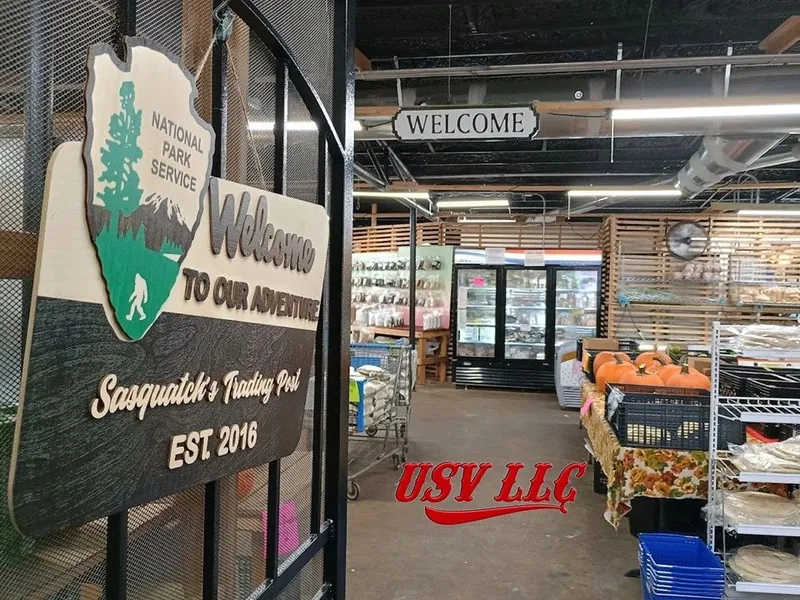
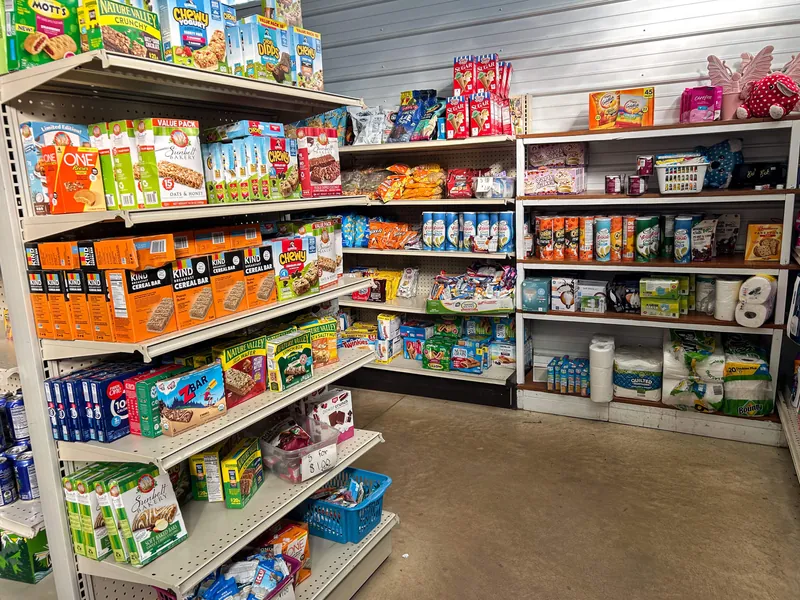
Walking into one for the first time, you might feel like you've stumbled into a warehouse crossed with a treasure hunt. Shelves are often mismatched. Products show up in no particular order. You'll find a box of crackers next to motor oil next to name-brand cereal. That's kind of the point.
These places buy what's available, not what's predictable. Inventory changes fast, sometimes weekly, and the store you visited last Tuesday will look completely different by Friday.
Why the Prices Are Actually That Low
This is where people get skeptical. Prices this low feel suspicious.
But the economics are pretty straightforward. A manufacturer overproduces a seasonal snack. A grocery chain discontinues a product line. A distributor ends up with 10,000 cases of soup with a label misprint. None of these products have anything wrong with them, but the normal retail pipeline has no room for them. Salvage grocery stores exist to buy exactly this kind of inventory, usually at a fraction of cost, and move it quickly.
Cosmetic damage is another big category. Dented cans, torn outer packaging, boxes that got wet in a warehouse but sealed product inside. The food is fine. The can is ugly. Most grocery chains won't touch it. Salvage stores will.
And here's something worth knowing: "best by" and "sell by" dates are mostly about quality, not safety. A lot of what lands on salvage shelves is close to or just past those dates. That does not mean the product is spoiled. It means a manufacturer printed a date on it, and a supermarket's automated system kicked it out. For shelf-stable products like pasta, canned goods, and packaged snacks, the actual quality difference is often undetectable.
I would pick a salvage store over a clearance rack at a big-box store every time. In practice, the discounts go deeper, and the variety is genuinely surprising.
How These Stores Differ From Discount Chains and Grocery Outlets
There are a few categories of stores that get lumped together, and they are not the same thing.
Discount grocery chains like Aldi or Lidl negotiate hard with suppliers and sell private-label products at low prices. Their inventory is consistent and predictable. You know what you're getting every week. Salvage grocery stores do not operate that way. Stock is unpredictable by design, and name brands show up regularly because that's what the closeout market produces.
Grocery outlet chains are closer in concept, but they tend to be more polished and curated. They stock damaged or overstock goods, yes, but they have standardized store layouts, loyalty programs, and a more traditional retail feel. Salvage stores are usually smaller, independently owned, and a lot less formal about the whole thing. Honestly, some of them feel more like a food liquidation warehouse than a grocery store, and that's not a complaint.
Wait, that's not quite right to say they're all small. Some salvage grocery stores are large operations with thousands of square feet and well-organized sections. With 3,190+ verified listings across our directory at an average rating of 4.3 stars, there's a real range of formats out there, from tiny storefronts to sprawling discount food warehouses.
What they share, regardless of size, is the sourcing model. Overstock and closeout. That's the throughline.
What to Actually Expect When You Walk In
Bring a reusable bag. Seriously, do not count on bags being provided.
Expect uneven shelving, handwritten price tags, and products you half-recognize. You might find three pallets of a snack bar brand you've never seen, or six cases of a discontinued soda from a brand that went out of business two years ago. That's normal. Check dates on anything perishable or close to expiration, but do not write off a product just because the date has passed for shelf-stable goods.
Prices are almost always clearly marked, but do not expect digital price checkers or organized sections by food type. Some of the better stores group things loosely by category; others just put things where they fit. Either way, you'll want to walk every aisle before you grab anything, because you might find the same product cheaper two rows over in a different display.
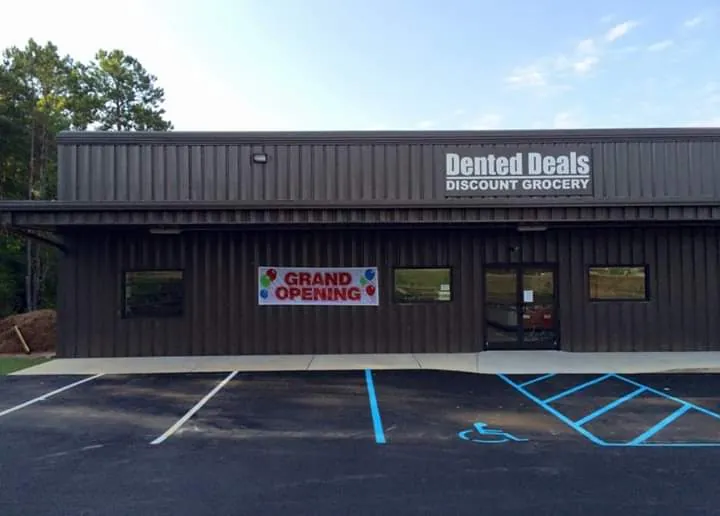
Cash is preferred at many locations, though most now accept cards. Parking lots at these places tend to be practical rather than pretty, often shared with other discount retailers or tucked into older strip malls. That's a small thing, but it tracks with the no-frills approach the whole operation is built around.
One practical move: go early in the week if possible. Salvage stores restock based on what comes in, and fresh loads often arrive Monday through Wednesday. By the weekend, the good finds are gone.
- Check dates on anything refrigerated or close-dated, but don't skip shelf-stable items just because the date looks old.
- Walk the full store before loading your cart. Duplicates at different prices happen more than you'd think.
- Ask staff when new loads come in. Most are happy to tell you, and a good tip here saves you a wasted trip.
- Do not expect the same products to be there next week. If you find something you love, buy more than one.