Dented Cans, Past-Date Pasta, and Prices That Actually Make Sense
You walk into a regular grocery store, grab a box of cereal, and somehow spend $6.49 on something that tastes like cardboard. It happens every week. Prices keep climbing, the sales feel fake, and the "budget" options still aren't that cheap. A lot of people are quietly looking for something different, and bargain grocery stores are exactly that kind of different.
But they're also a little confusing if you've never been inside one. What's actually wrong with the food? Is it safe? Why is that can dented? This article breaks down what bargain grocery stores are, what you'll find on their shelves, and how they're different from discount chains, dollar stores, and food banks.
What Bargain Grocery Stores Actually Sell
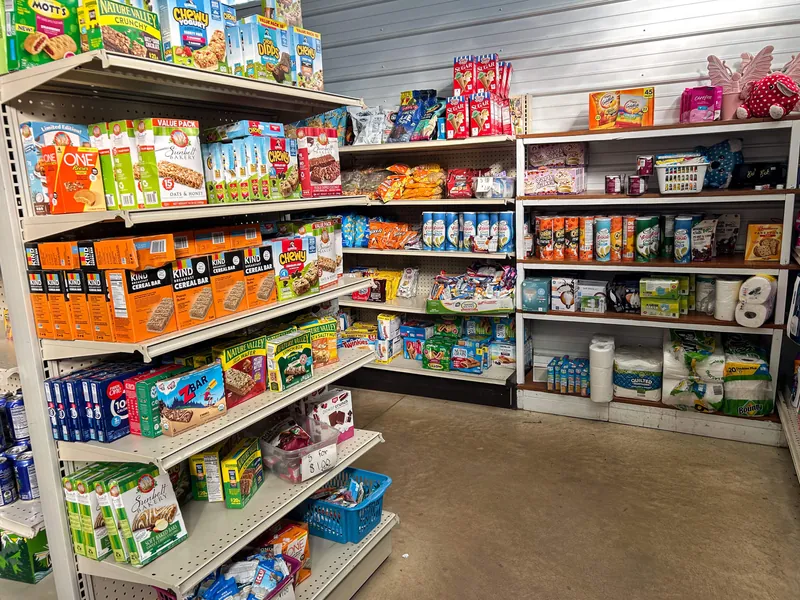
These places buy products that most mainstream retailers won't stock. That includes dented cans, items with damaged packaging, products that are close to or past their "best by" date, discontinued flavors, seasonal overstock, and items with misprinted labels. None of that means the food is spoiled or unsafe. It means it ended up in a secondary market instead of a landfill.
Worth knowing: "best by" and "sell by" dates are mostly quality indicators, not safety cutoffs. A can of tomatoes that's two months past its best-by date is almost certainly fine. The USDA is clear on this. Bargain grocery stores operate on that knowledge, and so do the people who shop them regularly.
You might find a case of Goya black beans with a small dent in the side of the can. Not a deep crease, not a bulge, just a ding from a warehouse pallet. Next to it, maybe some off-brand pasta that got discontinued because the manufacturer changed packaging. And on the end cap, a pile of name-brand granola bars three weeks past their best-by date, priced at $1.19 for a box of eight.
That last one is a real example of what these stores do well.
Walking In for the First Time
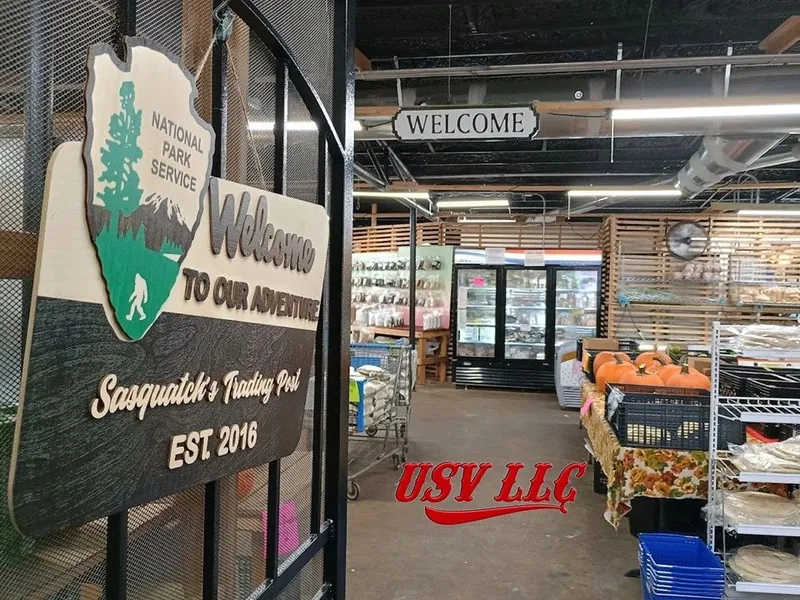
Walking into a bargain grocery store without knowing what to expect can feel a little chaotic. Stock changes constantly. Something that was there last Tuesday is gone by Friday. New pallets show up mid-week with no announcement. Some stores are organized by category; others are more like a warehouse with bins and rolling carts everywhere.
Do not go in looking for a specific item on a list. That's the wrong approach. These places reward flexibility. You go in, see what's there, and build around what you find. It's the opposite of a planned grocery run, and honestly that shift in mindset makes all the difference.
Prices are usually marked directly on shelves or on hand-written tags. Some stores use color-coded stickers to indicate how old or discounted something is. A few use per-pound pricing for bulk bins. Don't expect a polished app or a loyalty card program. These aren't big-box operations. Most are small, independent, and run lean.
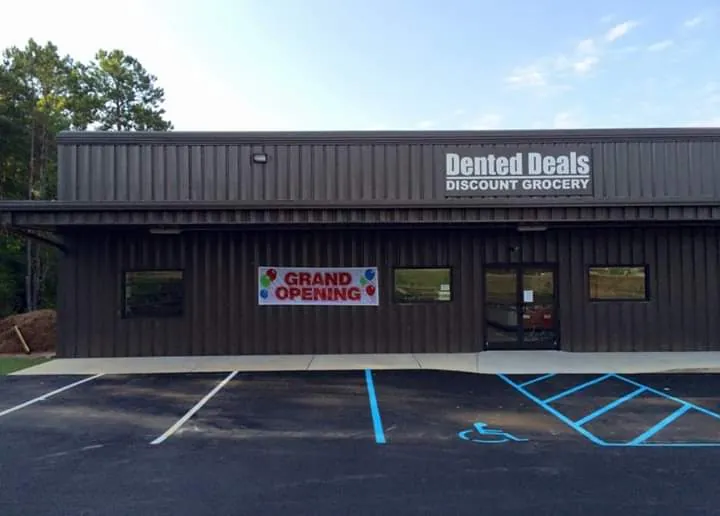
Parking lots at these stores tend to reflect that too. You're more likely to find a strip mall location with a gravel lot than a purpose-built retail center. That's not a complaint, just a reality check before you go.
How They Differ From Dollar Stores and Discount Chains
Dollar stores sell cheap products. Bargain grocery stores sell discounted products. That distinction matters more than it sounds. A dollar store might carry a knockoff brand of peanut butter made with lower-quality ingredients. A bargain grocery store might carry Jif for $1.75 because the jar got a torn label at the distribution center.
Discount grocery chains like Aldi or Lidl offer low prices through private labels, smaller store formats, and tight supply chains. They're consistent. You know what you're getting every time. Bargain grocery stores are the opposite of consistent, and that's exactly the point. Their inventory is unpredictable by nature because it depends entirely on what manufacturers and distributors need to move.
Food banks are not the same thing either. Food banks distribute donated goods to people in need at no cost. Bargain grocery stores are for-profit businesses. You pay for what you take. Some people mix these up, and it's worth being clear.
Our directory has 3,190+ verified listings across these store types, with an average rating of 4.3 stars, which suggests people who find a good bargain grocery store tend to keep going back.
What to Actually Expect on the Shelves
Canned goods are almost always available. Dry goods like pasta, rice, and cereal show up regularly. Condiments, snacks, baking supplies, and beverages are common. Meat and dairy appear in some stores but not all, and when they do, turnover is fast so check dates carefully.
Frozen food sections are less common, mostly because of the infrastructure cost. Some larger bargain grocery stores carry them; smaller ones usually don't bother.
One thing that catches people off guard: brand variety is genuinely good. You're not just looking at off-brand products. Name brands end up here all the time because overstock and distribution damage don't discriminate by label. Seeing a row of Heinz ketchup for 89 cents a bottle is not unusual.
And yes, some items are just deeply weird. An entire pallet of a discontinued energy drink flavor. Six cases of a holiday-themed soup that missed the season by four months. A bin of individually priced protein bars in flavors nobody wanted. That's part of the experience. Lean into it.
Bargain grocery stores work best as a supplement to your regular grocery routine, not a replacement. Go once a week or every couple of weeks, grab what makes sense, and skip what doesn't. Over time, most people develop a feel for what these places reliably carry and what they can count on finding.
If you've never tried one, pick a store with strong reviews, go in with an open mind, and budget about 45 minutes. You'll leave with a better sense of whether it fits how you shop.