Family Success Stories: Eating Well with Salvage Groceries
Frustrated by Rising Grocery Bills?
We all know the feeling. You walk into the store, grab the essentials, and at checkout, bam! Your bill is way higher than expected. Here's the thing, many families are quietly beating the grocery bill blues. How? They're shopping at salvage grocery stores. Yes, those places often dubbed bent-n-dent stores or discount grocery stores. These hidden gems offer quality foods at a fraction of the cost, helping families eat well without breaking the bank.
Forget the hype. Skip the endless chatter about shopping smart; this is where real savings happen. Let's dive into how families are finding success, and how you can too.
What Exactly Are Salvage Grocery Stores?
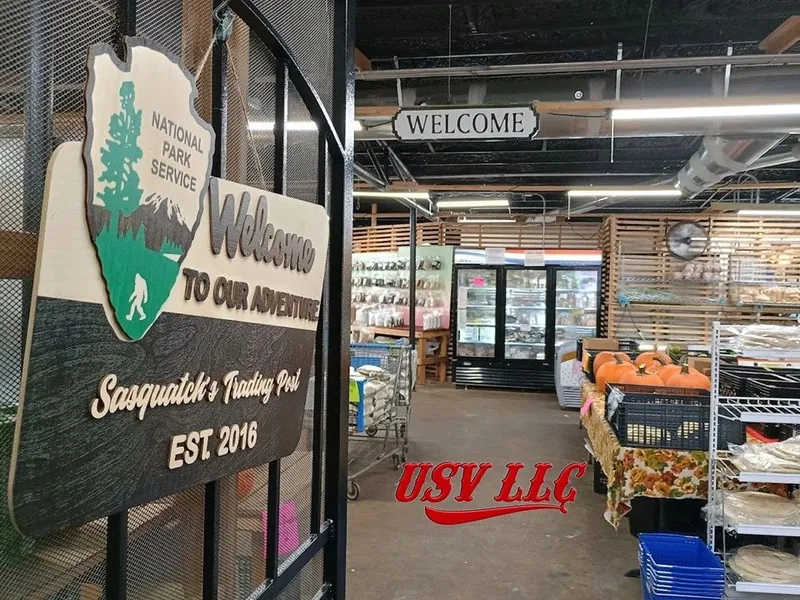
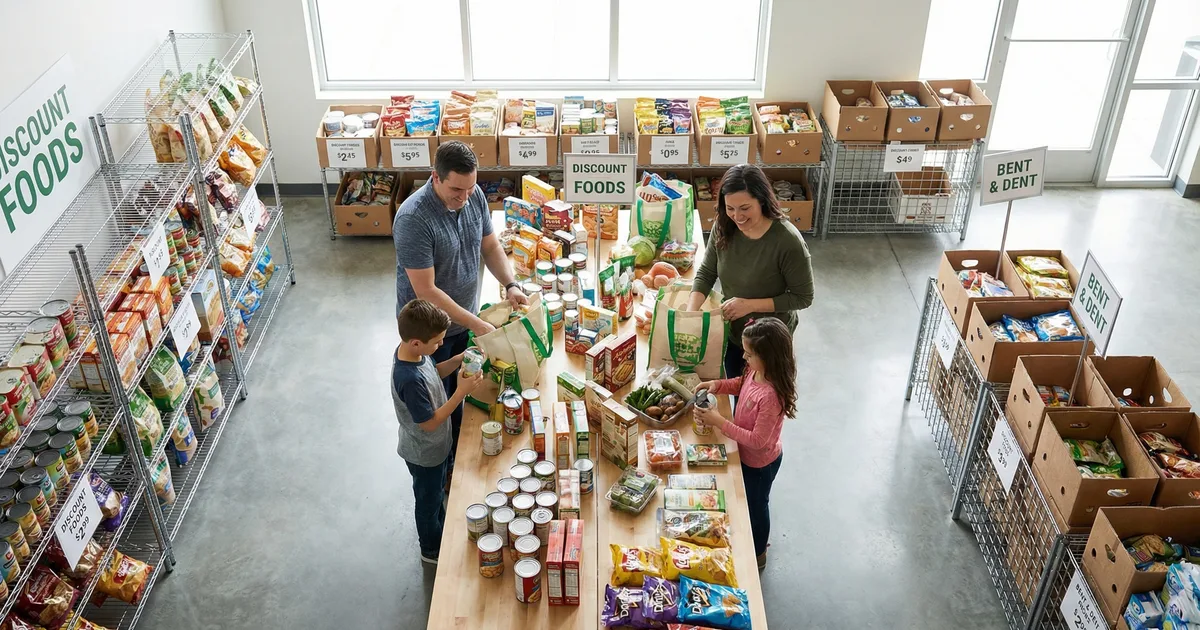
Salvage grocery stores are the unsung heroes of budget-conscious shopping. Simply put, these stores sell products that are near or past their best-by dates, have minor packaging flaws, or are surplus stock. They’re also known as scratch and dent grocery or damaged goods grocery stores. A common misconception is that these products are unsafe or poor quality. But that’s not true. Most products are perfectly fine; they're just not store-shelf-perfect.
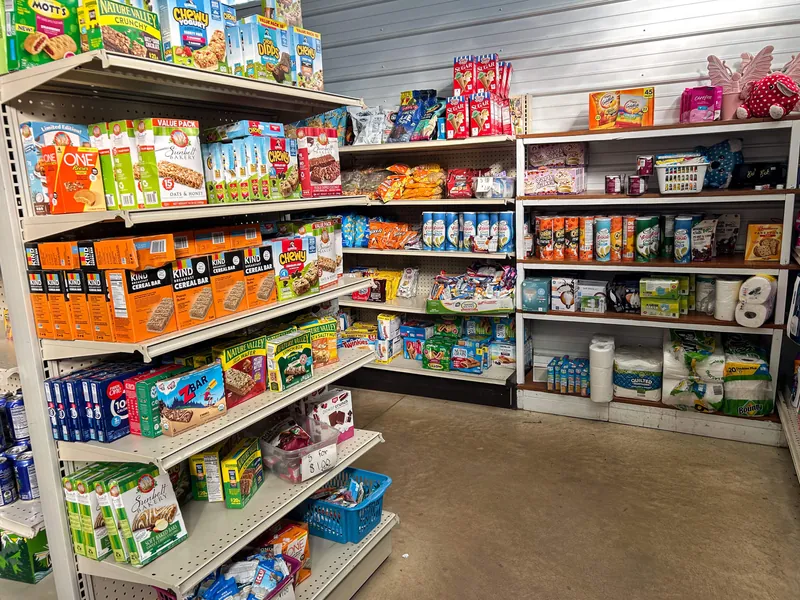
You’ll find everything from canned goods to cereals, snacks, and sometimes fresh produce. These stores aren't just about dented cans and wonky labels; they're about real deals on everyday items.
Always check expiration dates. Most items are still good to use well beyond their printed dates.
Why You Should Consider Shopping at Salvage Grocery Stores
Let's get real, grocery shopping can be expensive. Salvage grocery stores offer big savings. You can cut your bill by 50% or more. That’s money you could use elsewhere. Think about it: if you spend $200 a week, that could be down to $100 or less.
There’s also an environmental win here. Buying salvage groceries helps reduce food waste. Tons of perfectly good food get tossed because of minor packaging issues. Shopping at these stores means you’re part of the solution.
And don’t overlook the convenience factor. These stores are often located in community hubs, making it easy for families to access affordable groceries without traveling far.
Real Family Success Stories
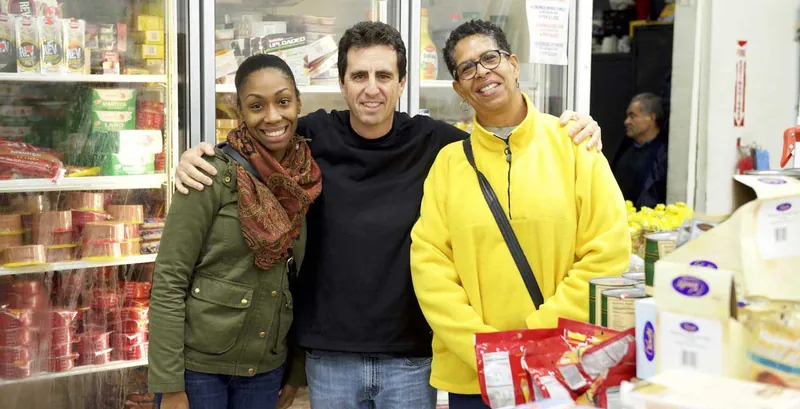
Meet the Johnsons, a family of five who slashed their grocery bill in half by shopping at a local grocery outlet. They now spend less than $100 a week. Or take the Ramirez family, who discovered how to cook healthier meals using discounted ingredients from a nearby discount food store. Their kids love the new recipes, and their budget loves it even more.
Another customer, Emily, shared that these places have been a game-changer for her household budget. She says her family saves around $200 monthly. That's no small change. You’ll find similar stories all around, families finding relief and even enjoyment in what used to be a dreaded task.
| Business Name | Location | Rating |
|---|---|---|
| Salvage Saviors | Katy, TX | 5.0 (718 reviews) |
| House of Milner Jewelers | Philadelphia, PA | 5.0 (531 reviews) |
| Re_ Grocery | Studio City, CA | 5.0 (224 reviews) |
How to Shop Smart at Salvage Grocery Stores
Shopping at salvage grocery stores isn’t just about grabbing the first thing you see. It’s about knowing how to spot the deals. Start by understanding the store’s pricing strategy. Prices are often marked down based on the best-by dates or packaging condition. Look for bulk deals, buying in bulk often means even bigger savings.
Check quality, though. While most items are perfectly fine, some might not meet your standards. Use your judgment. If a box is crushed but the inner packaging is intact, it’s probably okay. Meal planning is your best friend here. By planning your meals around what’s available, you maximize savings and minimize waste.
Bring a list, but be flexible. Availability varies, so be ready to swap ingredients based on what’s in stock.
Data and Trends in the Salvage Grocery Sector
Salvage grocery stores are not a niche market anymore. They’re expanding. There are 3183 such businesses across four major cities. Houston leads with 83 listings, followed by Brooklyn with 61, Philadelphia with 46, and Los Angeles with 41. The average customer rating for these places is an impressive 4.3 stars, which speaks volumes about customer satisfaction.
Consumer trends show a growing interest in these stores as more people seek ways to shop sustainably and save money. It’s clear: people love a good deal and are more eco-conscious than ever.
Frequently Asked Questions
What safety measures should be taken when purchasing salvage groceries?
Always inspect items for damage and check expiration dates. Most products are safe, but it never hurts to be cautious.
Are there specific products to avoid at salvage grocery stores?
Avoid perishable items that are far past their expiration date unless you plan to use them immediately. Also, be cautious with products in compromised packaging.
How do salvage grocery stores source their products?
These stores typically source products from manufacturers and distributors with surplus stock or products with minor defects. They also buy from regular grocery stores that need to clear out inventory.
Can shopping at salvage grocery stores support a healthy diet?
Absolutely. With careful planning and smart choices, you can find plenty of healthy options. Fresh produce and whole grains are often available at a fraction of the cost.
Conclusion
Salvage grocery stores offer more than just a good deal; they provide a path to smarter shopping, less waste, and healthier meals. Families everywhere are discovering these benefits, and you can too. With a bit of strategy and an open mind, these stores can transform your shopping experience. So, why not give it a try?
Share your own success stories and join the community of savvy shoppers. Because at the end of the day, everyone deserves to eat well without financial stress. Who wouldn’t want to save some money and help the planet? It’s a win-win!