January Shelves at Salvage Grocery Stores Are Worth a Closer Look
Ever wonder what actually lands on salvage grocery store shelves right after the holidays? It's not random. January and early February bring a very specific wave of overstock, and if you know what's coming, you can time your trips to catch the best of it.

Salvage grocery stores thrive on the excess that other retailers can't move. And after the holiday season, that excess is substantial. Manufacturers overproduced. Big-box stores ordered too much. Warehouse space needs clearing before spring shipments arrive. All of that product has to go somewhere, and a lot of it ends up in salvage grocery stores at a fraction of its original price.
What the "Fresh Start" Season Actually Brings to Shelves
Three product categories show up reliably at salvage grocery stores in January: health foods, home organization supplies, and early spring cleaning products. That's not a coincidence.
Health food overstock spikes every January because supplement brands, protein powder companies, and specialty diet food manufacturers ramp up production in anticipation of New Year resolutions. They overshoot demand. A lot. Stores that ordered optimistically end up with surplus they need to move fast, which means those products get liquidated into the salvage market within weeks.
Organization supplies are a slightly different story. Retailers like Target and Walmart stock heavily for the "January reset" consumer trend, but that window closes fast. By mid-January, those aisle displays get pulled to make room for Valentine's inventory. Bins, drawer organizers, label makers, storage containers, all of it flows downstream into salvage channels quickly.
And honestly, finding a $3 label maker that retailed for $18 is one of those small wins that never gets old.
Spring cleaning products arrive early because manufacturers push them into distribution before demand peaks. Salvage grocery stores often pick up these shipments when a distributor over-ordered or a retail chain passed on the delivery. Multi-surface sprays, microfiber cloth packs, cleaning concentrate refills, these show up in January even though most people won't start spring cleaning until March.
How to Read the Inventory When You Walk In
Salvage grocery stores don't restock like traditional grocery stores. There's no predictable Tuesday delivery or weekly circular. Inventory arrives in waves, and it moves fast when the right product hits the floor.
Check the back wall and any rolling carts near the center of the store first. That's usually where fresh arrivals get staged before staff has time to integrate them into regular shelf sections. Products sitting in those staging areas are often the newest additions and haven't been picked over yet.
Pricing labels tell a story too. Some stores use color-coded stickers to indicate how long a product has been on the floor. A sticker color you haven't seen before is worth asking about. Staff at these places are usually pretty straightforward about it.
One thing worth knowing: January shipments at salvage grocery stores often include products with "best by" dates in the 6 to 18 month range. Health foods especially. Protein powders, granola bars, freeze-dried snacks, these have long shelf lives, and an overstock product doesn't necessarily mean it's close to expiring. Check the date, don't just assume.
Wait, that's actually important enough to repeat. Always check the date yourself rather than assuming salvage means short shelf life. Many January arrivals have plenty of time left.
Products Worth Prioritizing This Time of Year
Not everything on the shelf in January is worth grabbing. But a few categories are genuinely worth prioritizing when you're doing a walkthrough.
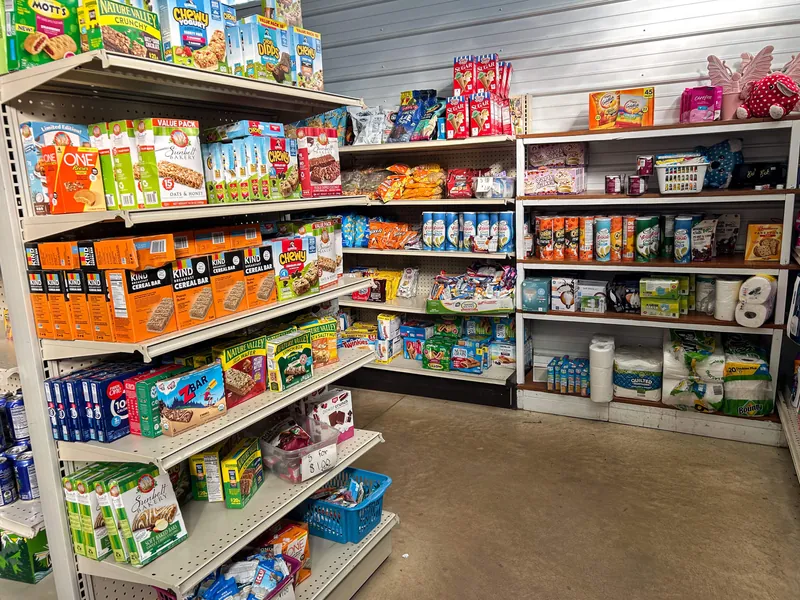
Specialty health foods are the clearest win. Keto-friendly products, plant-based snacks, high-protein cereals, and organic pantry staples all flood the salvage market in January. Retailers over-ordered based on projected holiday gift demand and resolution-season purchases that didn't fully materialize. You can sometimes find name-brand items you'd normally pay $8 to $12 for sitting at $2 or $3.
Cleaning concentrates are a smart bulk buy. A single bottle of concentrated multi-purpose cleaner can replace 4 to 6 spray bottles when diluted correctly, and buying three or four of them in January costs less than one would at a regular grocery store.
Storage and organization products are hit or miss depending on the week, but worth checking every visit. Some salvage grocery stores across the 3,190+ verified listings in directories like this one carry surprising amounts of non-food merchandise, and organization supplies are among the most common non-food items moving through the salvage pipeline right now.
Skip the fresh or refrigerated January overstock unless the store has a strong reputation for cold chain management. That's one area where you want to be selective.
Timing Your Visits for Maximum Results
Midweek mornings are the best time to visit salvage grocery stores in January. Monday and Tuesday deliveries get processed overnight and hit the floor Wednesday morning. By Friday, the good stuff in high-demand categories is largely gone.
Go twice a month minimum during January and February if these stores are part of your regular routine. The inventory cycle is faster during this season because shipments are larger and more frequent. A shelf that had nothing interesting last week might have exactly what you need this week.
Some regulars at these stores keep a simple running list on their phone of items they'd buy at salvage prices if they came across them. It sounds basic. It works surprisingly well when you're standing in front of a random shelf trying to remember if you actually need another bottle of dish soap concentrate.
Also: the parking lots at salvage grocery stores are often a useful signal. More cars than usual on a weekday usually means something good came in. Word travels fast in local communities around these stores.
Frequently Asked Questions
- Is January really a better time to shop at salvage grocery stores than other months? For health foods and cleaning supplies specifically, yes. The post-holiday overstock cycle makes January one of the more reliable months for those categories.
- Are the health food products in good condition? Generally, yes. Overstock means too much product, not damaged or expired product. Always check the "best by" date yourself, but do not assume the worst.
- How often do salvage grocery stores get new shipments in January? It varies by location, but many receive multiple shipments per week during this period. Calling ahead to ask about recent arrivals is a reasonable thing to do.