Maximize Your Budget: Creating a Meal Plan Using Discount Groceries
Over 3,183 salvage grocery businesses are listed across the country right now, pulling in an average customer rating of 4.3 stars. That number should stop you in your tracks. These aren't sketchy back-alley operations, they are legitimate, well-reviewed stores that millions of shoppers are already using to cut their grocery bills down to size. And most people who haven't tried one yet are leaving serious money on the table every single week.
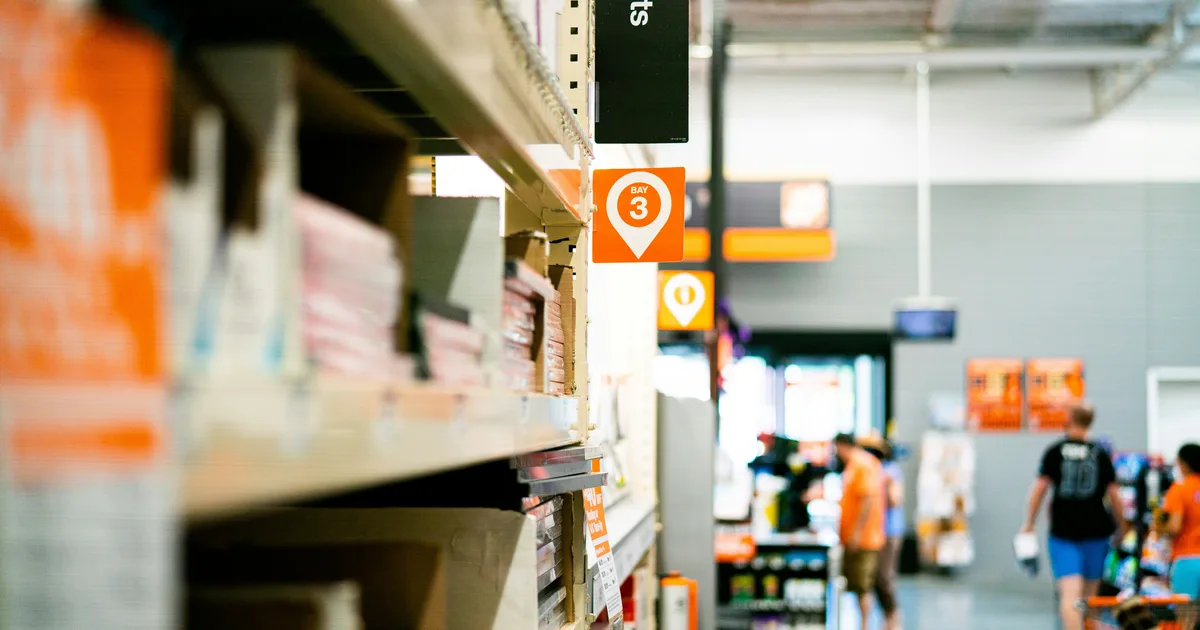
You've probably seen them around and wondered what the deal was. Maybe the sign said "bent-n-dent store" or "scratch and dent grocery" and you kept driving. That's a mistake a lot of people make. These discount food stores carry real, name-brand products at a fraction of retail price, and once you figure out how to shop one strategically, you can build a solid weekly meal plan almost entirely around what you find there. This article walks you through exactly how to do that.
We'll cover what these stores actually are, the real numbers behind the industry, how to meal plan when your grocery list depends on unpredictable inventory, and the smartest ways to shop so you don't waste money or food. Practical stuff. No fluff.
What Are Salvage Grocery Stores and How Do They Work?
Salvage grocery stores, also called discount food stores, damaged goods grocery shops, or grocery outlets, buy products that traditional retailers can't or won't sell at full price. Think overstock from a warehouse that ordered too much peanut butter. Packaging that got dented in transit. Items that are a few weeks from their "best by" date. Products that got discontinued mid-run. All of that stuff has to go somewhere, and salvage grocers buy it cheap and pass the savings on to you.
Prices are lower because the product has some kind of "problem" that has nothing to do with whether it's safe to eat. A can of soup with a bent label is still soup. A box of cereal where the cardboard got crushed in shipping still has perfectly good cereal inside. Stores like these typically sell products at 30% to 70% off regular retail price, sometimes more.
Best-by and sell-by dates are about quality, not safety. A "best by" date means the manufacturer thinks the product tastes best before that point, it doesn't mean the food is dangerous after. "Use by" dates on perishables are the ones you actually need to pay attention to. Most dry and canned goods from a discount food store are completely fine to eat well past the printed date.
Food safety at these places is not a gray area. Legitimate salvage grocery stores follow the same health codes as any other food retailer. They're inspected, licensed, and accountable. The products they carry are not recalled items. Not expired in a dangerous sense. Not counterfeit. They're just... cosmetically imperfect, overstocked, or close to a manufacturer's suggested freshness window. Big difference.
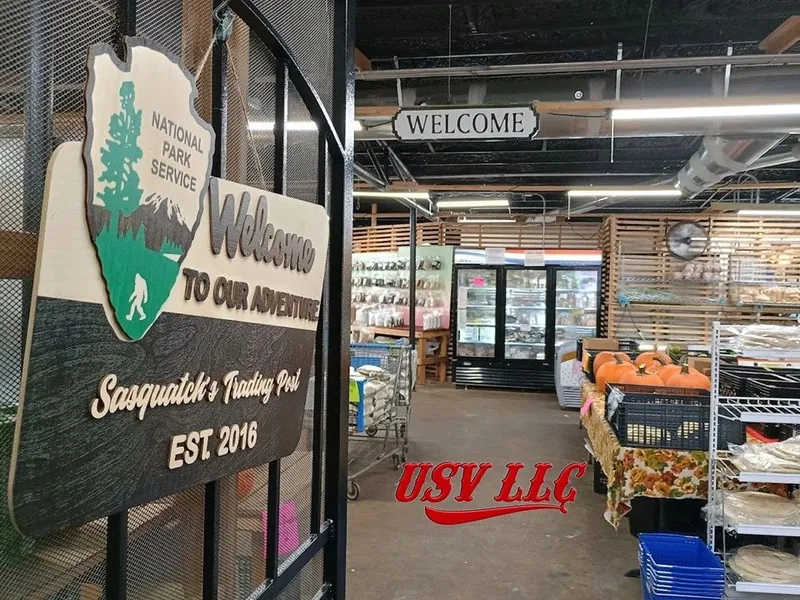
Walking into one for the first time can feel a little chaotic. Unlike a regular supermarket where every item has a dedicated shelf location, a discount grocery store has rotating inventory. What's there this week might not be there next week. You might find six pallets of a specific pasta sauce one visit and then never see it again. That unpredictability is part of the model, and honestly, once you get used to it, it becomes kind of fun. Like a treasure hunt with groceries.
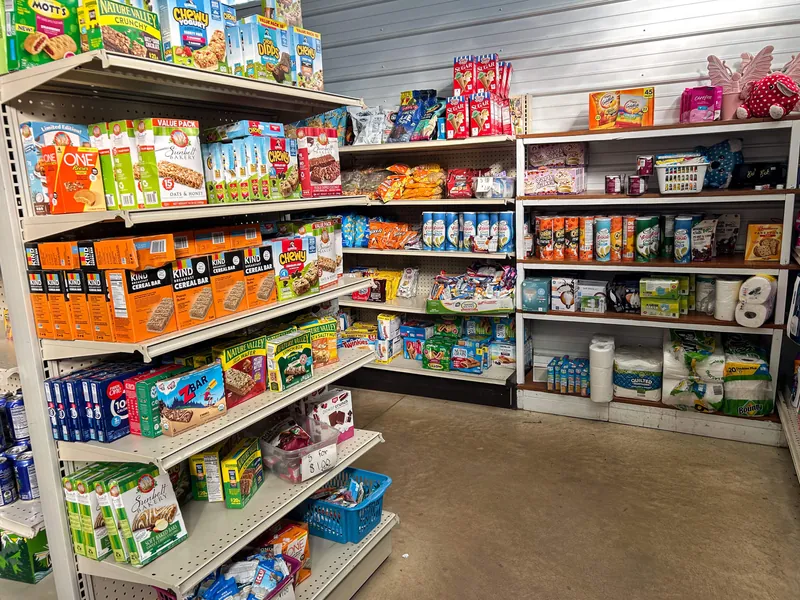
Typical finds include canned goods, dry pantry staples, frozen foods, snacks, cereals, condiments, beverages, and sometimes fresh produce. Some stores also carry health and beauty products, cleaning supplies, and pet food at similar discounts. Canned goods and dry goods are almost always the safest bet because they're durable and the packaging damage is cosmetic.
The State of Discount Grocery Shopping: Numbers That Matter
More than 3,000 businesses across the country. That's not a niche trend anymore. Discount grocery shopping has gone mainstream in a real way, and the numbers back that up completely.
Houston leads the country with 83 listings, which makes sense given the city's size and its strong tradition of value-focused retail. Brooklyn comes in second with 61, Philadelphia has 46, and Los Angeles has 41. If you're in any of those cities and you haven't found a discount grocery store near you yet, that's genuinely surprising, they're around, you just haven't looked.
And that 4.3-star average? Seriously good. That's not a rating you get from selling garbage. Most full-price grocery chains would be thrilled with that number. It tells you something real: people are going to these stores, getting value, and coming back happy. Over and over again.
Here's a look at some of the top-rated individual businesses from the directory:
| Business Name | Location | Rating | Reviews |
|---|---|---|---|
| Salvage Saviors | Katy, Texas | 5.0 ★ | 718 |
| House of Milner Jewelers | Philadelphia, Pennsylvania | 5.0 ★ | 531 |
| Hegwood's Towing LLC | Brandon, Mississippi | 5.0 ★ | 277 |
| Re_ Grocery | Studio City, California | 5.0 ★ | 224 |
| Re_ Grocery | Los Angeles, California | 5.0 ★ | 191 |
Salvage Saviors in Katy, Texas stands out with 718 reviews at a perfect 5.0 stars. That's not a fluke. That's a business that has figured out how to consistently deliver for its customers, and hundreds of people have taken the time to say so. Re_ Grocery, with locations in both Studio City and Los Angeles, also pulls a 5.0 rating, showing that the model works in big coastal markets too, not just smaller towns where discount shopping has historically been more common.
Okay, one honest note: House of Milner Jewelers and Hegwood's Towing showing up in a grocery directory is a little odd. Directory data sometimes pulls in adjacent or miscategorized businesses. Focus on the grocery-specific listings when you're searching.
How to Build a Weekly Meal Plan Around Discount Grocery Shopping
Here's what nobody tells you about meal planning with discount groceries: you have to flip the whole process around. Most people plan meals first, then buy groceries. At a bent-n-dent store, you shop first, then plan. If you go in with a rigid list, you'll leave frustrated because half those items won't be there.
Go to the store. See what's available. Then build your meals around it.
Start with protein. Whatever proteins are available at a good discount, grab enough for 4-5 meals. Canned tuna, canned chicken, dried beans, lentils, these are almost always available at salvage grocery stores and they're the backbone of a cheap meal plan. If you find discounted frozen meat, even better, but don't count on it being there every week.
Next, look at your pantry staples. Rice, pasta, flour, oats, canned tomatoes, broth. These show up consistently at discount food stores because they're shelf-stable and overstock is common. Stock up when you see a good deal. You can't always predict inventory week to week, but dry pantry goods let you build a buffer so that even if a particular store visit is lean, you've got something to work with at home.
Monday: Pasta with canned tomato sauce and whatever vegetable you found.
Tuesday: Rice and beans with canned salsa and any protein available.
Wednesday: Soup made from broth, canned goods, and leftover protein.
Thursday: Stir-fry if you found frozen vegetables; otherwise rice bowl with pantry staples.
Friday: Tacos or wraps using discounted tortillas, canned beans, and any cheese you found.
Saturday: Batch cook a big pot of grains or legumes for the next week.
Sunday: Flexible meal using whatever needs to be used up before it turns.
Batch cooking is the move when you're shopping at a discount grocery store. Buy a larger quantity of something cheap and cook it all at once. A big pot of lentils can become soup on Monday, a grain bowl topping on Wednesday, and taco filling on Friday. One cook session, three meals, minimal waste.
Produce is the trickiest category. Some salvage grocery stores carry fresh produce and some don't. When they do, it's often near-ripe stuff that needs to be used fast. Buy it, cook it that day or the next, and plan your most produce-heavy meals for early in the week. Save the shelf-stable meals for later.
Batch cooking also helps with another real problem: when you find a great deal on something in bulk, you don't always know what to do with 10 cans of chickpeas or 6 boxes of the same pasta. Plan for it. Make a double batch of hummus. Make pasta three nights in a row if the price was right. Freeze half of whatever you cooked. Groceries on a budget only work if you actually eat what you buy.
Smart Shopping Strategies for Discount and Salvage Grocery Stores
Bring a flexible shopping list. Not a fixed one. Write down categories, not specific brands: "canned protein," "pasta or rice," "cooking oil," "snacks." That way you're guided without being locked in.
Check packaging before you buy. A dented can is fine as long as the dent is on the body and the can is not swollen, rusted, or leaking. A swollen can means bacterial gas inside. That's the one you leave behind. Torn packaging on a dry good is usually fine if the inner bag is intact. Use common sense. Most damage at a scratch and dent grocery is purely cosmetic.
Canned goods, dry pantry staples, and frozen foods are consistently the best value categories at these stores. Snacks and beverages are often deeply discounted too. Fresh dairy is riskier and not always available. Frozen meat can be a great deal but check the package integrity and make sure it's actually frozen solid when you buy it.
Compare unit prices when you can. Sometimes a larger discounted package isn't actually cheaper per ounce than a smaller one at a different price point. Do the math quickly on your phone. A few seconds of calculation can save you from a bad bulk buy.
Don't skip traditional stores entirely. The smartest groceries-on-a-budget strategy is layered. Use the discount food store for pantry staples and shelf-stable items where savings are biggest. Use a regular store for fresh produce, dairy, and items you couldn't find. Stack coupons on top of regular store sales for those supplemental trips. Three layers of savings working together beats any one approach alone.
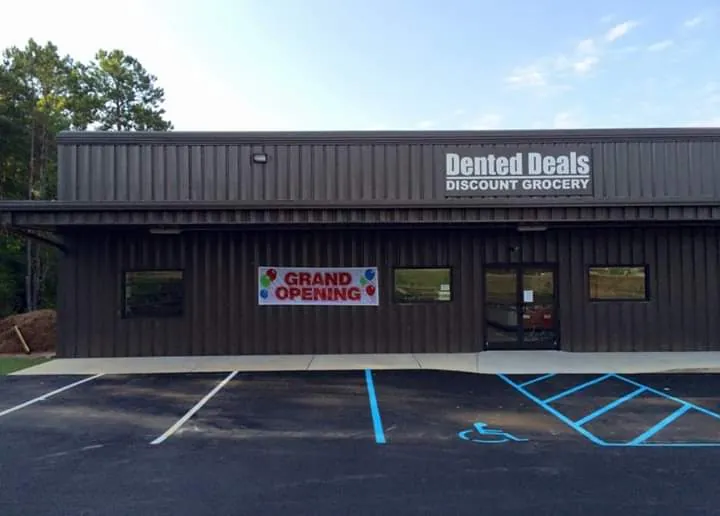
One more thing about shopping at these places: they often have weird pricing systems. Some use sticker prices, some use color-coded tags by discount level, some mark things with a grease pencil right on the shelf. In practice, the parking lot at most of these stores is also usually... fine, but not fancy. Strip mall situations mostly. Don't let that put you off. Typically, the product inside is what matters.
How to Find a Discount Grocery Store Near You
Searching "discounted grocery store near me" or "discount grocery stores near me" in Google is a good starting point, but directory searches tend to be more thorough. A business directory focused on this niche will surface stores that don't invest heavily in SEO or advertising, which is a lot of them because they don't have to, word of mouth keeps them busy.
Other search terms that work: "bent-n-dent store near me," "scratch and dent grocery," "food salvage store," "damaged goods grocery." Try a few different ones because some stores use very local, informal names that don't show up under the generic terms.
Urban shoppers have the most options by volume. Houston has 83 listings, Brooklyn has 61, Philadelphia has 46, Los Angeles has 41. But rural and suburban areas often have these stores too, especially in the South and Midwest where the bent-n-dent model has been popular for decades. Small towns sometimes have a single local store that's been running quietly for 20 years with a loyal customer base and no online presence worth mentioning.
When you find one, check the reviews before your first visit. A 4.3-star average across the whole industry is solid, but individual stores vary. Look for reviews that mention inventory quality, staff helpfulness, and whether the store is clean and organized. Those details tell you more than a star rating alone.
Go early in the week if you can. Most salvage grocery stores restock irregularly, and Mondays or Tuesdays often bring fresh inventory after weekend deliveries. Go too late in the week and the best stuff is picked over.
Frequently Asked Questions
Are salvage grocery stores safe to shop at?
Yes. Legitimate salvage grocery stores are licensed food retailers subject to health inspections. Products sold there are not recalled or unsafe, they're typically overstocked, cosmetically damaged, or near a best-by date. Use common sense: don't buy swollen or leaking cans, check package integrity on dry goods, and understand the difference between best-by dates (a quality suggestion) and use-by dates (an actual safety guideline).
How much money can I actually save shopping at a discount food store?
Savings vary by store and product, but 30% to 70% off regular retail is a common range. Shoppers who build their meal plans around what these stores have available consistently report cutting their grocery bills by 40% or more compared to shopping exclusively at traditional supermarkets.
What products are best to buy at a bent-n-dent store?
Canned goods, dry pantry staples like pasta and rice, cereals, snacks, condiments, and frozen foods are consistently the strongest categories. Fresh produce can be a good deal but needs to be used fast. Avoid fresh dairy if you can't verify dates clearly.
How do I meal plan if the inventory changes every week?
Shop first, plan second. Go to the store, see what's available at a good price, then build meals around those ingredients. Keep your meal framework flexible by category rather than specific recipe, and maintain a stocked pantry of staples so you always have something to build from even when a particular store visit is lean.
How do I find a salvage grocery store near me?
Search online directories using terms like "discount grocery stores," "bent-n-dent store near me," "scratch and dent grocery," or "food salvage store." Our directory lists over 3,183 businesses nationwide with verified ratings to help you find a reliable option close to home.
Wrapping Up
Salvage grocery shopping is not a last resort. It's a strategy. One that 3,183 businesses across the country have built entire models around, and one that customers rate at 4.3 stars on average because it consistently delivers real value.
Flip your meal planning process. Shop the discount food store first, then plan your meals around what you found. Batch cook. Keep a stocked pantry. Layer in traditional store trips for what you couldn't find. And go early in the week.
It takes a little adjustment. But once you get the rhythm of shopping a bent-n-dent store, you will genuinely wonder why you didn't start sooner.
Explore Related Directories
Find Salvage Grocery Stores Near You
Browse our directory of 3,183+ businesses and find top-rated discount grocery stores in your area.
Search the Directory