Maximizing Freshness: Essential Tips for Storing Discount Grocery Store Bread
Introduction
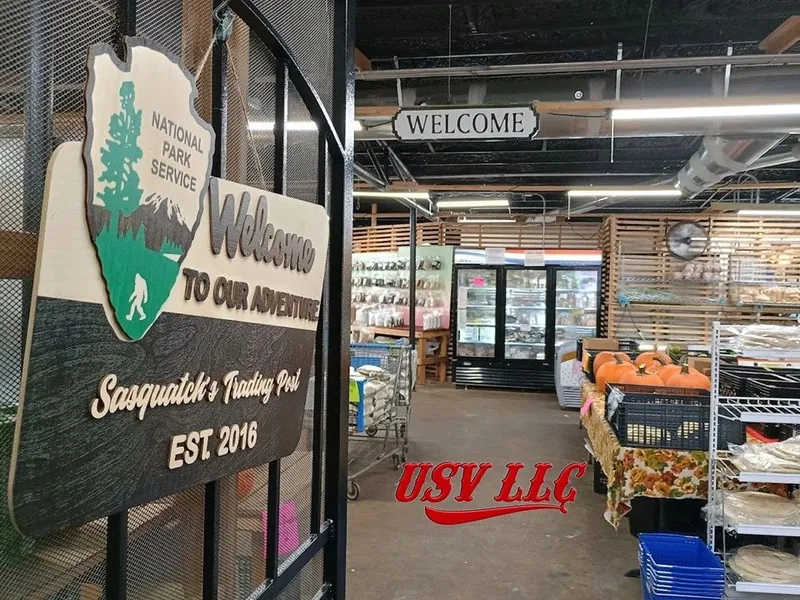
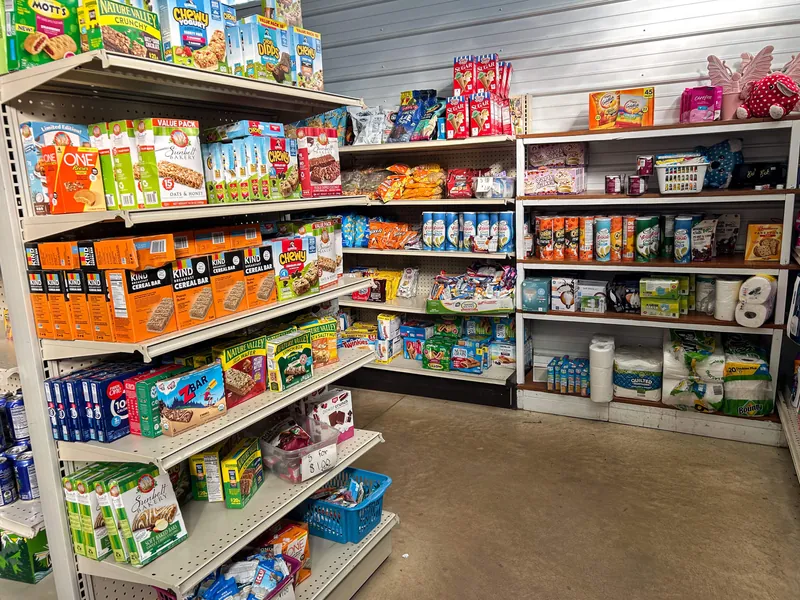
Ever wonder how to keep bread from discount grocery stores fresh for as long as possible? These stores, often known as bent-n-dent, salvage, or scratch and dent, are a budget-friendly haven for savvy shoppers. With their focus on cost-effectiveness and sustainability, buying bread from these places can be both smart and rewarding. But there's a catch: improper storage can quickly rob your bread of its freshness, affecting taste and texture.
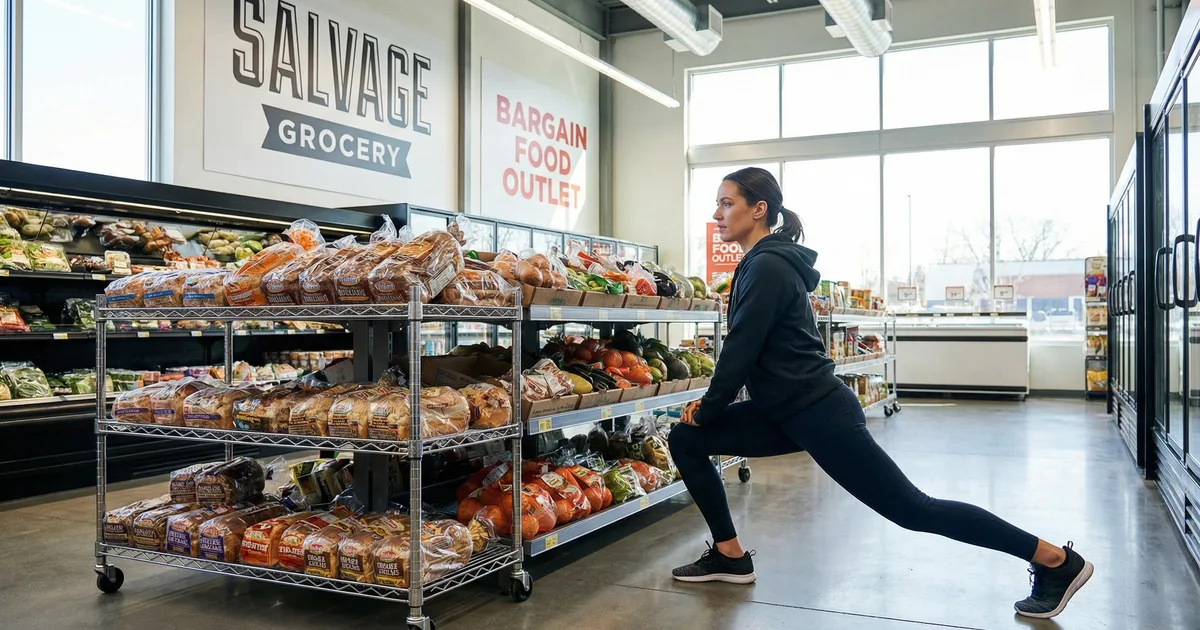
Walking into one of these stores, you might notice the variety of bread available. From classic white loaves to artisanal whole grains, they all share one vulnerability: freshness. Correct storage methods are essential to ensure that your bread remains enjoyable and safe to eat. Let's dive into the world of bread storage, unraveling the tips and tricks that will help you make the most out of your purchases.
1. Understanding the Shelf Life of Bread
Each type of bread has its own life span. A hearty sourdough might last longer than a soft brioche due to differences in moisture and ingredients. But discount grocery stores often carry bread with preservatives designed to extend shelf life. While these can help, they also bring their own quirks. Preservatives might keep mold at bay, but they can sometimes alter the flavor profile. In fact, some people claim they can taste the difference.
But how do you know when bread has gone bad? Look for signs like a hard, dry crust or any visible mold. Trust your nose too, stale bread often has a dull, musty smell. To keep your bread safe, always check for these indicators before eating. It's not just about making it last longer; it's about enjoying it while it does.
2. Ideal Storage Conditions
Choosing where to store your bread is almost as important as how you wrap it. Room temperature is usually the sweet spot, but there's more to consider. Humidity can quickly turn a crusty loaf soggy, while too much dryness makes it go stale faster. Some folks swear by refrigerating bread, thinking it will last longer, but in reality, refrigeration can speed up staleness. It's a bit counterintuitive, I know.
Finding the right location is key. A pantry is often a safe bet, away from heat and sunlight. Bread boxes can be handy too, providing a controlled environment that balances moisture and airflow. Avoid storing bread near appliances that emit heat, like ovens or microwaves, as these can accelerate spoilage. Instead, aim for a cool, dry spot that mimics a bread's natural habitat, it's a delicate balance.
3. Wrapping and Containers
Plastic wrap, foil, or reusable bags, each has its own merits. The goal is to keep air out while maintaining some moisture. An airtight seal is your bread's best friend, preventing it from drying out. Wrapping techniques matter too. Ensure the entire loaf is covered, leaving no gaps where air can sneak in.
As for containers, options abound. Plastic ones are light and convenient, but they can sometimes trap too much moisture. Glass is sturdy and eco-friendly but might not be practical for larger loaves. Metal boxes are stylish and effective but can be heavy. Personally, I find that a good cloth bag inside a bread box strikes the perfect balance. It's about finding what works best for you and the environment.
Consider using beeswax wraps as a sustainable alternative to plastic wrap.
4. Freezing Bread for Longevity
If you're looking to stretch your bread's life, freezing is a solid option. But there's a right way to do it. Slice the bread first, this way, you can thaw only what you need, keeping the rest frozen. Use airtight bags or containers, and squeeze out as much air as possible before sealing. Most breads can last up to three months in the freezer without a significant loss in quality.
Thawing, however, requires some finesse. Ideally, let the bread come to room temperature slowly to preserve texture and flavor. If you're in a hurry, a quick zap in the microwave can work, but beware: too long, and you'll end up with a tough crust. For immediate consumption, toasting frozen slices is a quick and tasty method.
5. Data and Statistics: Understanding the Market
In the world of discount grocery stores, numbers tell a story. Across four major cities, there are 3183 such stores, each offering unique bargains. In Houston alone, you'll find 83 listings, while Brooklyn has 61. Philadelphia and Los Angeles follow with 46 and 41 respectively. It's fascinating how consumer preferences shift across regions, with each city embracing these stores in its own way.
| City | Listings | Top-Rated Store | Rating | Reviews |
|---|---|---|---|---|
| Houston | 83 | Salvage Saviors, Katy | 5.0 | 718 |
| Brooklyn | 61 | House of Milner Jewelers | 5.0 | 531 |
| Philadelphia | 46 | Hegwood's Towing LLC | 5.0 | 277 |
| Los Angeles | 41 | Re_ Grocery, Studio City | 5.0 | 224 |
Top-rated businesses, like Salvage Saviors in Katy, Texas, hold a perfect 5-star rating with hundreds of reviews. It's not just about the savings; people genuinely love these places. And while House of Milner Jewelers isn't about groceries, it shows the range of businesses that can thrive in these settings.
6. Frequently Asked Questions
What is the best way to store bread bought from a discount grocery store?
For most bread, store at room temperature in a cool, dry place. Use airtight containers or wraps to prevent staleness.
How can I tell if my bread has gone stale or bad?
Look for visible mold, a hard crust, or a musty smell. These are common indicators of spoilage.
Is it safe to eat bread past its expiration date if stored properly?
As long as there are no signs of spoilage, properly stored bread can often be eaten past its expiration date.
How does freezing affect the nutritional value of bread?
Freezing bread has minimal impact on its nutritional value, preserving its nutrients effectively.
7. Conclusion
Storing bread from discount grocery stores effectively means understanding its unique needs. Use airtight wraps, find the right storage spot, and consider freezing for longer shelf life. These strategies will help keep your bread fresh, tasty, and safe to eat.
Shopping at these stores is not just about saving money; it's about making smart choices that benefit both your wallet and the planet. So next time you find yourself in a discount food store, remember these tips to make your bread last longer and taste better.
https://pub-9a4dedcce6dc4846a9c4647f79a2e5fc.r2.dev/salvage-grocery-stores/blog/maximizing-freshness-essential-tips-for-storing-discount-grocery-store-bread/hero-1771910784.webp Customer exploring aisles in Salvage Grocery Stores for fresh bread deals https://pub-9a4dedcce6dc4846a9c4647f79a2e5fc.r2.dev/salvage-grocery-stores/blog/maximizing-freshness-essential-tips-for-storing-discount-grocery-store-bread/inline-1771910806.webp Mom checking prices on products at Salvage Grocery Stores for budget-friendly shopping