Preparation Tips for First-Time Shoppers at Salvage Stores
Ever walked past a store with hand-painted signs promising groceries at half price and wondered if it was actually worth stopping?
It is absolutely worth stopping. Salvage grocery stores, also called bent-n-dent stores, scratch and dent grocery shops, discount food stores, and damaged goods grocery outlets, are one of the most underrated places to shop in America right now. But walking in unprepared is a recipe for confusion, a cart full of stuff you did not need, and leaving money on the table. First-time shoppers almost always do it wrong. This guide is here to fix that.
Understanding How Salvage Grocery Stores Work
Most people assume these places sell expired or unsafe food. That is almost never true, and the assumption keeps a lot of budget-conscious shoppers away from genuinely great deals.
Salvage grocery stores source their inventory from several places: overstock that regular retailers could not sell, discontinued product lines, items with cosmetically damaged packaging, goods that are near their "best by" dates, and insurance claims from shipments that got banged around in transit. A pallet of soup cans that got jostled in a truck accident, denting maybe a third of them, is perfectly fine to eat. But a grocery chain cannot sell dented cans at full price. So they sell the whole pallet to a salvage buyer, who sells it to you for sixty cents on the dollar. Everybody wins.
Date labels are where a lot of first-timers get nervous, and honestly the confusion is understandable because the labeling system in the U.S. is kind of a mess. "Best by" and "sell by" dates are manufacturer suggestions for peak quality, not safety cutoffs. A box of crackers labeled "best by March 2024" is still safe to eat in May 2024. It might taste slightly less crispy, but it will not make you sick. "Use by" dates are more serious, especially on things like deli meat or dairy, and those deserve closer attention. But for shelf-stable goods, which make up the bulk of what you'll find at a discount food store, the dates are almost always a non-issue.
Best By / Best If Used By: Quality suggestion only. Safe to eat after this date for most shelf-stable products.
Sell By: Tells the store how long to display the product. You can often still use it for days or weeks after.
Use By: The most serious label. Follow this one closely, especially for meat, dairy, and refrigerated items.
Pricing at these places is where things get exciting. Discounts typically run 30 to 70 percent below what you would pay at a regular grocery store. That range is wide because it depends on how the item got to the salvage store in the first place. A slightly dented can of name-brand tomatoes might be 40 percent off. A whole shelf of discontinued chips might be 70 percent off just to move them out. You cannot predict it, and that unpredictability is actually part of the appeal.
Inventory changes constantly. What was there Tuesday may be completely gone by Saturday. That is just how it works.
The Salvage Grocery Store Scene Across the Country
There are 3,183 salvage grocery businesses listed in our directory, which tells you something important: these are not fringe operations. This is a real, widespread retail category with serious demand behind it.
Urban areas are leading the way. Houston tops the list with 83 listings, followed by Brooklyn with 61, Philadelphia with 46, and Los Angeles with 41. That is a lot of options in major cities, which makes sense. Dense populations mean higher demand for groceries on a budget, and more stores competing means better prices for shoppers.
And shoppers are happy. The average customer rating across listed businesses is 4.3 stars, which is genuinely impressive for any retail category. That number suggests people are not just tolerating these stores out of financial necessity. They're actually enjoying the experience.
Top-Rated Salvage and Discount Grocery Businesses
| Business Name | Location | Rating | Reviews |
|---|---|---|---|
| Salvage Saviors | Katy, Texas | 5.0 ★ | 718 |
| Re_ Grocery | Studio City, California | 5.0 ★ | 224 |
| Re_ Grocery | Los Angeles, California | 5.0 ★ | 191 |
Salvage Saviors in Katy, Texas has 718 reviews at a perfect 5.0 stars. That is not a fluke. That is a store doing something really right, and if you're anywhere near the Houston area, that is your first stop. Re_ Grocery in Studio City and Los Angeles are also worth noting, both sitting at 5.0 stars with hundreds of reviews combined. These places have clearly figured out how to make the salvage grocery model feel clean, reliable, and worth coming back to.
(Worth mentioning: House of Milner Jewelers and Hegwood's Towing also show up at 5.0 stars in the directory data. Different businesses entirely, but they share the same listing pool, which just means the directory covers more than pure grocery.)
What to Bring and How to Plan Before You Go
Preparation makes the difference between a great haul and a frustrating trip.
Bring reusable shopping bags, full stop. A lot of these stores do not offer bags, or they charge for them, and you will be juggling things in your arms otherwise. If you plan to buy anything frozen or refrigerated, bring a cooler or at least an insulated bag. Frozen items at a salvage store can be incredible deals, but they will not survive a long drive home in a hot car. Also bring small bills and cash. Some of these places do not take cards, or they have a minimum for card use. It's just easier to have cash on hand.
Before you even leave the house, spend ten minutes researching the store. Check the business directory for hours, location, and reviews. Stores with ratings of 4 stars and above are generally safe bets for first-timers. Reading a few reviews will tell you things like whether the store is well-organized, whether staff are helpful, and whether the prices are actually as good as advertised. That kind of intel takes five minutes and saves a wasted trip.
✅ Reusable shopping bags (bring more than you think you need)
✅ Cooler or insulated bag for frozen/refrigerated finds
✅ Cash and small bills
✅ Flexible shopping list organized by category, not brand
✅ Business directory lookup for hours, ratings, and reviews
✅ A rough sense of your pantry inventory so you do not double-buy
Your shopping list needs to be flexible. Do not write down "Hunt's diced tomatoes, 28 oz." Write down "canned tomatoes." Salvage stores do not guarantee brand or size. Inventory is unpredictable by nature, and the shopper who walks in locked onto specific brands will be disappointed. The shopper who walks in looking for a category will almost always find something great. Organize your list around types of food: canned goods, dry goods, snacks, frozen items, condiments, hygiene products. That mental framework works much better in this kind of store.
Smart Shopping Strategies Once You're Inside
Walking into a salvage grocery store for the first time can feel a little chaotic. Good. That chaos is where the deals live.
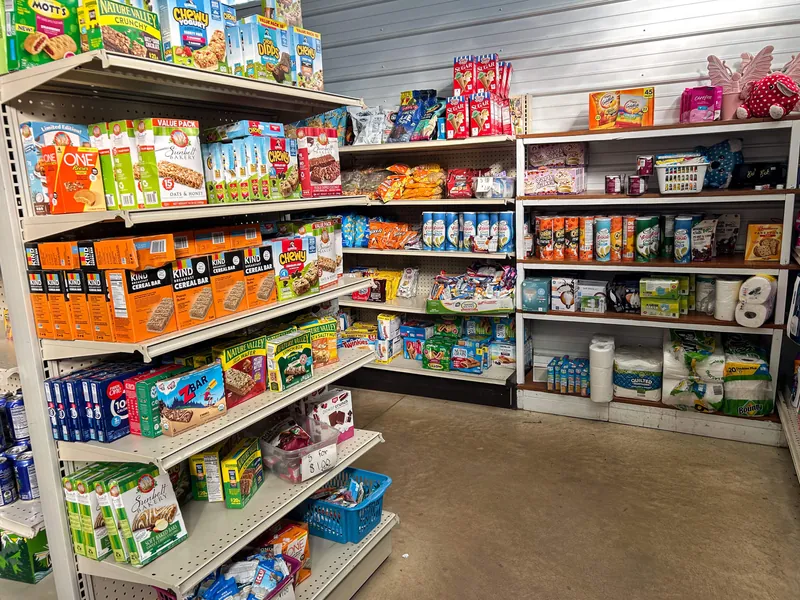
Do a full walkthrough before you put anything in your cart. This is the single most important thing a first-timer can do, and almost nobody does it. These stores often have sections tucked in the back, around corners, or on low shelves that are easy to miss on a first pass. You might walk past a clearance bin of protein bars at 80 percent off because you were distracted by the soup aisle. Do one full loop first. Then shop.
Inspect everything before it goes in your cart. Check that can seams are solid with no bulging, no leaking, no rust along the seam line. Look at package seals. If a bag of pasta has a compromised seal, skip it, no matter how cheap it is. A dented can with intact seams is fine. A swollen can means bacterial activity inside and you should leave it on the shelf immediately. Torn labels are cosmetic. Cracked lids are not.
Stock up hard on non-perishables when you find them at steep discounts. Canned goods, pasta, rice, condiments, nuts, dried beans, coffee, snacks, and even hygiene products often show up at salvage and discount grocery stores at prices that make bulk-buying genuinely smart. In practice, the same item probably will not be there next week. If you find a brand of pasta sauce you like at 60 percent off, grab six jars. That is just practical.
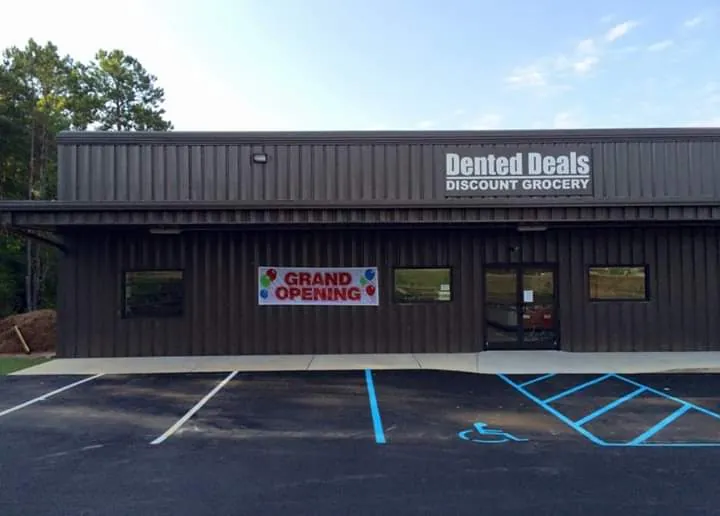
One more thing: check the parking lot situation before you plan your trip. A lot of bent-n-dent stores operate out of warehouse-style buildings on the edge of commercial strips, and parking can be surprisingly tight or poorly marked. Showing up in a big truck when the lot is a narrow strip of gravel is its own kind of adventure.
Managing Food Safety and Quality Expectations
This is the section that actually separates smart salvage shoppers from people who end up throwing half their haul away.
Cosmetic damage is not the same as food safety damage. A dented can where the dent is in the body of the can and the seams are intact is safe. A can with a dent along the seam, or one that is bulging, or one that hisses when you open it, is not safe and is not worth buying at any price. Torn labels, scratched packaging, boxes that are a little crushed on one corner, bags that have been resealed with tape because the original seal popped in shipping: all of these are cosmetic. None of them affect what's inside.
The USDA is pretty clear that most shelf-stable products are safe to eat well beyond their printed dates. Canned goods can often last years past the "best by" date if stored properly. Crackers, pasta, rice, dried beans, coffee, and similar items have long shelf lives that the date label does not fully reflect. Perishables are a different story. Dairy, meat, and refrigerated prepared foods need to be eaten quickly after purchase, and if the "use by" date has passed on something refrigerated, do not buy it.
Set realistic expectations for quality. Some items at a scratch and dent grocery store will be genuinely identical to what you'd find at a regular store. Others might have slightly stale texture or a flavor that's a little muted compared to peak freshness. That is a fair trade-off when you're paying a fraction of the price. It is not a fair trade-off for everyone, and some shoppers decide these stores work great for pantry staples but not for things where freshness really matters to them. Both approaches are valid.
Leave any item on the shelf if you see: a bulging or seam-dented can, a broken vacuum seal on jarred goods, any sign of mold or moisture inside packaging, freezer items that have clearly thawed and refrozen (ice crystals inside the bag, deformed shape), or any "use by" date that has passed on a refrigerated product. No deal is worth a food safety risk.
One final honest note: your first trip to a salvage grocery store or grocery outlet might feel overwhelming. That's okay. Most people leave their first visit having spent less money than expected, found a few genuinely great deals, and made a mental list of what they'd do differently next time. By the third visit, it feels completely natural.
Frequently Asked Questions
Are salvage grocery stores safe to shop at?
Yes, in general. Reputable salvage grocery stores sell food that is safe for consumption. Typically, the key is knowing how to inspect items yourself: check can seams, look for intact seals, and be cautious with perishables. Cosmetic damage to packaging does not mean the food inside is unsafe.
What's the difference between a bent-n-dent store and a regular discount grocery store?
Bent-n-dent stores specifically source inventory from damaged or cosmetically imperfect goods, overstock, and discontinued items. A regular discount grocery store like a grocery outlet might also carry clearance items but often has a more traditional retail setup. As a rule, the inventory model is similar but bent-n-dent shops tend to have more variable, unpredictable stock.
How do I find a salvage grocery store near me?
Our directory lists 3,183 salvage and discount grocery businesses nationwide. Search by city or zip code to find options near you. Houston, Brooklyn, Philadelphia, and Los Angeles have the highest concentrations of listings, but stores exist in smaller cities and rural areas too. Searching "where to find discounted groceries" in our directory search bar will pull up relevant results.
Should I bring cash to a salvage grocery store?
Bringing cash is a smart idea for your first visit. Some smaller salvage stores are cash-only or have a minimum card purchase. Small bills are especially useful since some of these shops have limited change on hand. Check the store's listing in the directory ahead of time, as payment methods are sometimes noted in reviews.
Can I find name-brand products at salvage grocery stores?
Often, yes. Name-brand overstock and discontinued products are a major source of inventory for these stores. You might find national brands at 50 to 70 percent off retail simply because the product is being discontinued or the packaging was updated. Inventory varies by store and by week, so there are no guarantees, but name brands show up regularly.
What should I never buy at a damaged goods grocery store?
Skip any cans with seam dents, bulging lids, or rust. Do not buy refrigerated or frozen items that show signs of temperature abuse (refreezing, leaking, unusual texture). Avoid any perishable with a "use by" date that has already passed. And be cautious with items that have broken seals, even if the date is fine.
Find Salvage Grocery Stores Near You
Browse our directory of 3,183+ salvage grocery businesses, discount food stores, and bent-n-dent shops across the country. Filter by city, check ratings, and read real customer reviews before your first visit.
Search the Directory