Salvage Grocery Store Finds Are Nutritionally Sound More Often Than You'd Think
Most people assume that food sold at a steep discount must be nutritionally compromised in some way. That's not really true. Products at salvage grocery stores are overwhelmingly the same food you'd find at a regular supermarket, just with a damaged box, a label printed in the wrong language, or a best-by date that's closer than a major retailer wants to deal with.
So what does that actually mean for the food you're eating? Quite a lot, it turns out.
What Salvage Grocery Stores Actually Sell
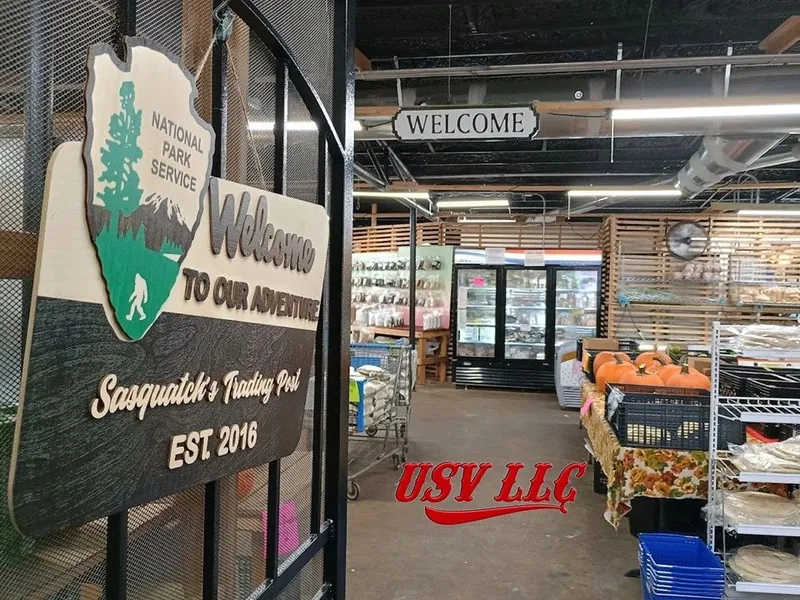
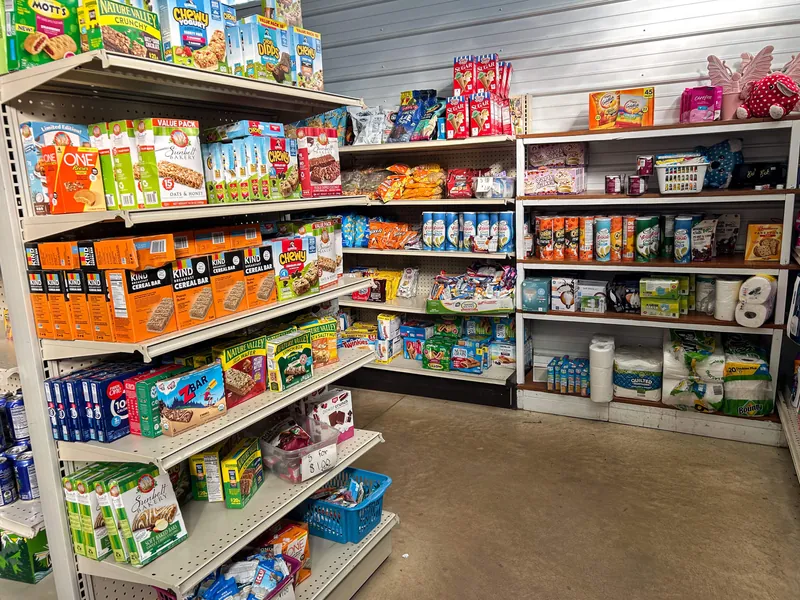
Salvage grocery stores buy overstock, discontinued products, items with cosmetic packaging damage, and goods that are approaching or slightly past their "best by" date. They do not sell spoiled food. That distinction matters more than most people realize.
Walking into one for the first time, you'll notice the shelves look a little unpredictable. One week there might be a dozen cases of a specific brand of canned tomatoes. Next week, those are gone and replaced with something completely different. It keeps things interesting, honestly, but it also means the nutritional profile of what's available changes constantly.
Because these products are often the same items from the same manufacturers, the nutritional content is identical to what you'd buy at full price. A can of black beans that got dented in shipping still has the same protein, fiber, and sodium as the pristine can sitting on a grocery store shelf across town. Same food. Different price tag.
One small thing worth knowing: some salvage stores carry international overstock, which means the nutrition label might be in Spanish, French, or another language. It's the same product, same formulation, but you may need to look up the label online if you're tracking specific nutrients.
Best-By Dates and What They Mean for Nutrition
This is where people get nervous. And fair enough, the confusion around expiration dates is real.
"Best by," "sell by," and "use by" are not the same thing. "Best by" is a quality indicator, not a safety cutoff. It tells you when a manufacturer believes the product will taste its best, not when it becomes dangerous. For shelf-stable items like canned goods, dried pasta, crackers, and jarred sauces, nutritional value holds up well past that printed date.
Some nutrients do degrade over time. Vitamins C and B1 (thiamine) are the most sensitive to time and heat. But the rate of loss is slow in properly stored, sealed packaging. A can of diced tomatoes that's two months past its best-by date has lost a small fraction of its vitamin C content. Not zero, but not enough to change your diet in any meaningful way.
Fat-soluble vitamins like A, D, E, and K are more stable and tend to hold up better in long shelf-life products. Minerals like iron, calcium, and magnesium don't degrade at all. So if you're buying canned beans, lentils, or fortified cereals at a salvage grocery store, you're getting essentially the same nutritional benefit as the fresh-from-the-factory version.
Refrigerated and frozen items are a different category. Salvage grocery stores that carry dairy or meat typically have tight turnover on those products. Check those dates carefully. That is the one area where you want to be more selective.
How These Stores Differ from Discount Chains and Dollar Stores
Salvage grocery stores are not the same as dollar stores, and that difference is worth spelling out.
Dollar stores often carry a permanent, curated selection of lower-cost products, sometimes including items made specifically for that retail channel with different formulations or smaller package sizes. Salvage stores carry whatever came through the warehouse that week. That unpredictability means you might find a premium brand of organic soup for a fraction of its original price, sitting next to a generic brand cracker you've never heard of.
With over 3,190 verified listings in our directory averaging 4.3 stars, salvage grocery stores span a wide range of quality and focus. Some specialize in dry goods and canned food. Others carry frozen items, snacks, or even health food overstock. The category is broader than most people expect.
Discount grocery chains, on the other hand, operate more like a traditional supermarket with lower margins. They stock consistent inventory, run weekly ads, and rotate products predictably. Salvage stores are more like a clearance rack that changes constantly. You'll find better prices, but you have to be flexible about what you actually walk out with.
I would pick a salvage grocery store over a dollar store for staples every time. The product quality is more consistent, and you're more likely to find items with clear, legible nutrition information.
Getting the Most Nutritional Value From Each Visit
Go in with a loose plan, not a strict list. That's the mindset that works best here.
Focus on shelf-stable whole foods when you find them: canned legumes, oats, nut butters, canned fish, whole grain pasta. These items hold their nutritional value the longest and are frequently available at salvage stores in large quantities. Stock up when you see them.
Check the packaging before you buy. A dented can is usually fine. A can that's bulging, rusted at the seam, or has a broken seal is not. Same rule applies at any store. Leaking or cracked packaging on dry goods can introduce moisture and allow mold or pests in, which does affect safety.
Frozen vegetables at salvage stores are genuinely one of the better deals you'll find anywhere. Freezing locks in nutrients at the time of processing, so a bag of frozen spinach or peas that's been sitting in a freezer case is nutritionally comparable to fresh. If the bag is intact and the contents aren't clumped into one solid frozen block (which signals a thaw-refreeze cycle), it's a solid buy.
And don't overlook condiments and cooking ingredients. Olive oil, vinegar, spices, and canned coconut milk show up at salvage stores regularly. These don't degrade quickly and can stock a pantry for months.
Frequently Asked Questions
- Is food from salvage grocery stores safe to eat? Yes, in most cases. Shelf-stable items past their best-by date are generally safe. Use common sense with refrigerated and frozen products, and inspect packaging before buying.
- Does the nutritional content change