Salvage Grocery Stores: Unpacking the Supply Chain Puzzle
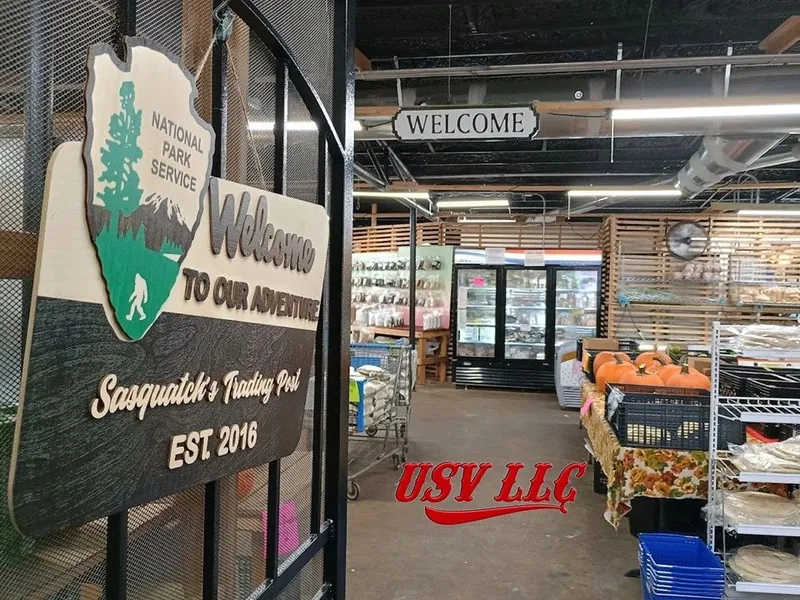
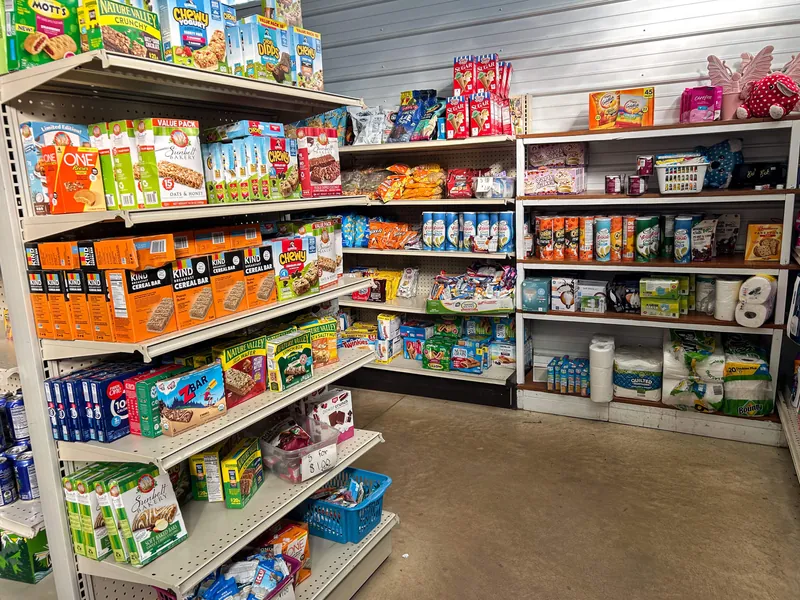
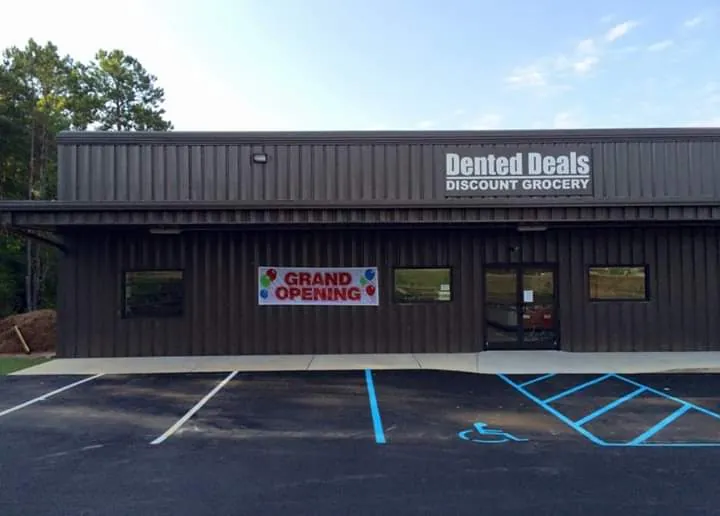
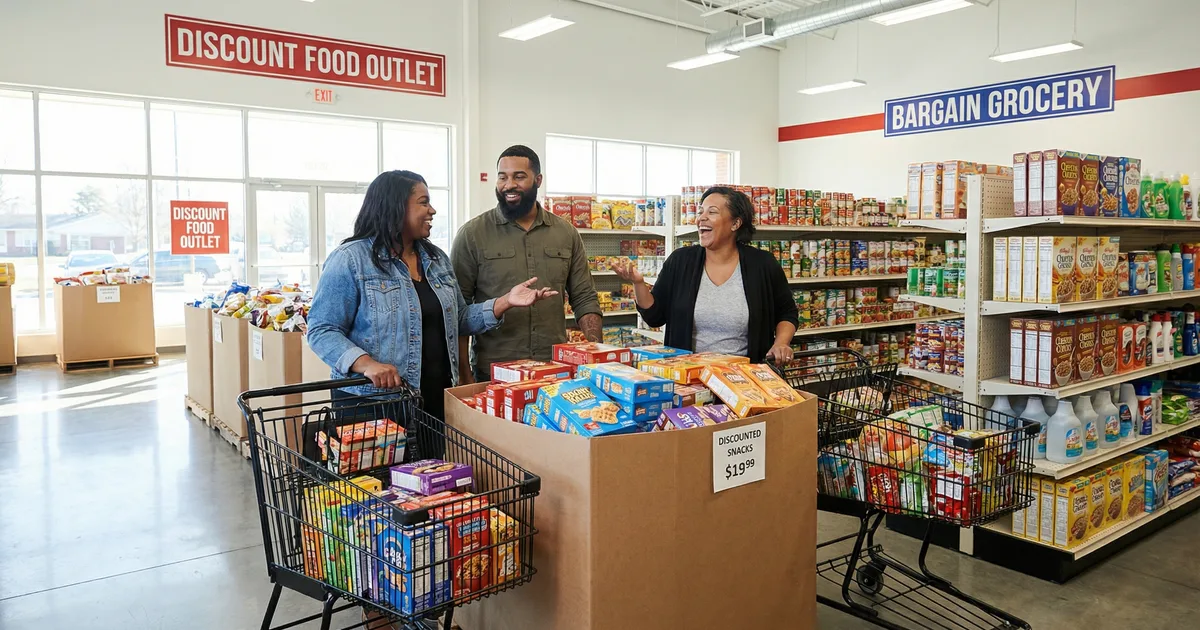
Walking through the aisles of a traditional grocery store, you might spot perfectly arranged products with their pristine packaging, but there's a side of the grocery market that's less visible yet gaining traction, salvage grocery stores. Picture this: rows of items with slightly dented cans, surplus stock, and products nearing their expiration dates. To some, it might seem like a last resort. But for savvy shoppers, it's a treasure trove of bargains. These stores, also known as bent-n-dent stores or discount grocery stores, serve a dual purpose: offering discounted prices and reducing food waste.
Overview of Salvage Grocery Stores
Salvage grocery stores are not just about markdowns. They're a unique ecosystem in the retail market. Often called scratch and dent groceries or food salvage stores, they specialize in selling items that, for various reasons, didn’t make it to the main grocery shelves. This includes surplus stock, discontinued lines, or products nearing expiration. Interestingly, these stores are part of a growing trend, with over 3183 such businesses listed in just four major cities. Houston leads the way with 83 listings, followed by Brooklyn with 61.
Now, the benefits for consumers are clear. Who doesn't like a good deal? Products in these places are often priced well below market value. An average shopper might save anywhere from 30% to 50% on their grocery bill. But the appeal isn't just financial. There's an environmental angle too. By diverting products from the landfill, salvage grocery stores help reduce waste.
The Supply Chain of Salvage Grocery Stores
The supply chain that feeds these discount food stores is a complex web. Inventory often comes from manufacturers, wholesalers, and traditional grocery stores looking to offload excess or near-expiry stock. For example, if a manufacturer overproduces a cereal brand, instead of letting it expire on a shelf, they can redirect it to a salvage grocery store.
Transporting goods to these stores is a logistical dance that emphasizes speed and cost-effectiveness. A can of soup nearing its expiration date won’t hold value if it spends weeks in transit. So, salvage stores rely on efficient transportation networks to get products on shelves quickly. However, this system isn't without its challenges. Quality control can be tricky. Each product needs to be assessed to ensure it's safe for consumption, even if it's a little rough around the edges.
Key Players in the Supply Chain
Manufacturers, distributors, and retailers all play pivotal roles in the salvage grocery supply chain. Manufacturers might find themselves with excess products due to overproduction or packaging changes. Distributors help channel these goods to the right outlets. Retailers, on the other hand, are where the consumer directly benefits. They're the final link where savings are passed on to the customer.
Partnerships between salvage stores and suppliers often bring mutual benefits. Suppliers can recover some of their costs from unsold inventory, while stores receive goods at lower prices. Technology has also made its mark here. Digital platforms streamline inventory management, making the process faster and more efficient. A barcode scanner, for example, ensures that products are tracked from warehouse to shelf.
Market Trends and Consumer Behavior
In today's market, consumer interest in sustainability is more than just a trend, it's a driving force. Salvage grocery stores fit neatly into this ethos, offering consumers a way to shop that's both economical and environmentally conscious. Inflation and economic uncertainty have further propelled these stores into the spotlight, as families seek ways to stretch their grocery dollars.
Demographics of shoppers vary widely. From budget-conscious college students to large families, the appeal is broad. Interestingly, these stores often receive high consumer satisfaction ratings, with an average of 4.3 stars from customers. Take Salvage Saviors in Katy, Texas, which boasts a perfect 5.0-star rating from 718 reviews. The reasons for these high ratings are multifaceted, from customer service to product selection.
Interestingly, cities like Philadelphia and Los Angeles also rank high in the number of listings, showing that the demand isn't just a local phenomenon but a widespread shift.
Data and Statistics
When examining the data, the numbers tell a compelling story. With 3183 salvage grocery store listings across major cities, it’s clear that these stores are filling a niche in the market. Houston leads with 83, suggesting a strong local demand. Brooklyn and Philadelphia follow, with 61 and 46 listings respectively. Not to mention, consumer satisfaction is evident with an impressive average rating of 4.3 stars. Even specific stores, like House of Milner Jewelers in Philadelphia, have perfect ratings from hundreds of reviews, indicating high levels of customer approval.
| Business | Location | Rating | Reviews |
|---|---|---|---|
| Salvage Saviors | Katy, Texas | 5.0 | 718 |
| House of Milner Jewelers | Philadelphia, Pennsylvania | 5.0 | 531 |
| Hegwood's Towing LLC | Brandon, Mississippi | 5.0 | 277 |
| Re_ Grocery | Studio City, California | 5.0 | 224 |
| Re_ Grocery | Los Angeles, California | 5.0 | 191 |
When shopping at a salvage grocery store, always check the packaging and expiration dates to ensure you're getting the best deals.
FAQ Section
What types of products can I find in a salvage grocery store?
You can find a wide range of products, including canned goods, snacks, and even fresh produce that might be surplus, discontinued, or nearing their expiration dates.
Are the products in salvage grocery stores safe to consume?
Yes, the products are generally safe. However, it's important to check expiration dates and packaging integrity. Stores are required to ensure food safety standards are met.
How do salvage grocery stores contribute to reducing food waste?
By selling surplus and near-expiry items, these stores prevent goods from being discarded, thus reducing food waste and contributing to environmental sustainability.
What should I consider when shopping at a salvage grocery store?
Consider the shelf life of the products, the condition of packaging, and compare prices to ensure you're getting a good deal. Also, be open to brands and products you might not usually buy.
Conclusion
Understanding the supply chain of salvage grocery stores reveals a fascinating intersection of economics and environmentalism. These stores not only offer significant cost savings but also help in reducing food waste, making them a win-win for consumers and the planet. Supporting these stores isn't just a way to save money, it's a step towards sustainable shopping. Next time you spot a salvage grocery store in your area, consider stepping inside. You might find a hidden gem, both in terms of products and prices.