Salvage Grocery vs. Discount Grocery vs. Surplus: What's Actually Different and Why It Matters
Picture this: someone drives twenty minutes to a store they found searching "discounted grocery store near me," walks in expecting Aldi-style shelves with clean rows of budget products, and instead finds a warehouse crammed with dented cans, mystery boxes, and cereal brands they've never heard of. They're confused, maybe a little put off, and they leave without buying much. Not because the store was bad. Because they didn't know what they were walking into.
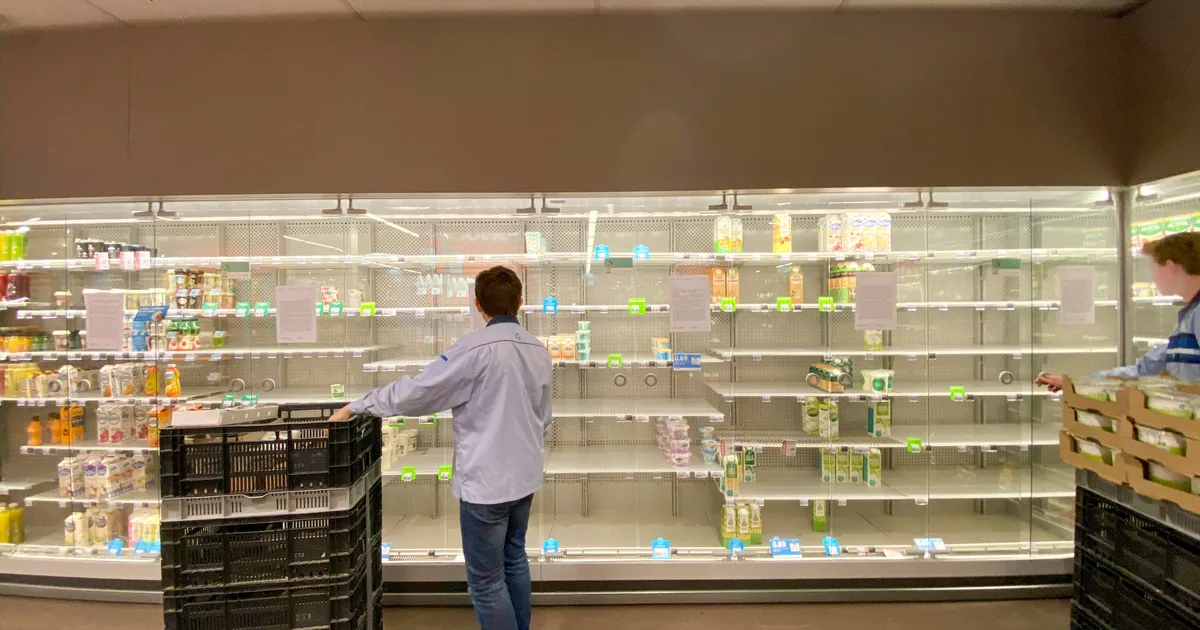
That mismatch happens constantly. People use "salvage grocery," "discount grocery," and "surplus grocery" like they all mean the same thing. They do not. Each one is a genuinely different business model, with different inventory, different pricing logic, and a different shopping experience. Once you understand the differences, you can actually use each type of store to your advantage instead of showing up confused.
This article breaks down all three store types clearly, compares them side by side, and gives you real numbers from our directory of over 3,000 listed businesses so you know what the market actually looks like right now.
What Is a Salvage Grocery Store?
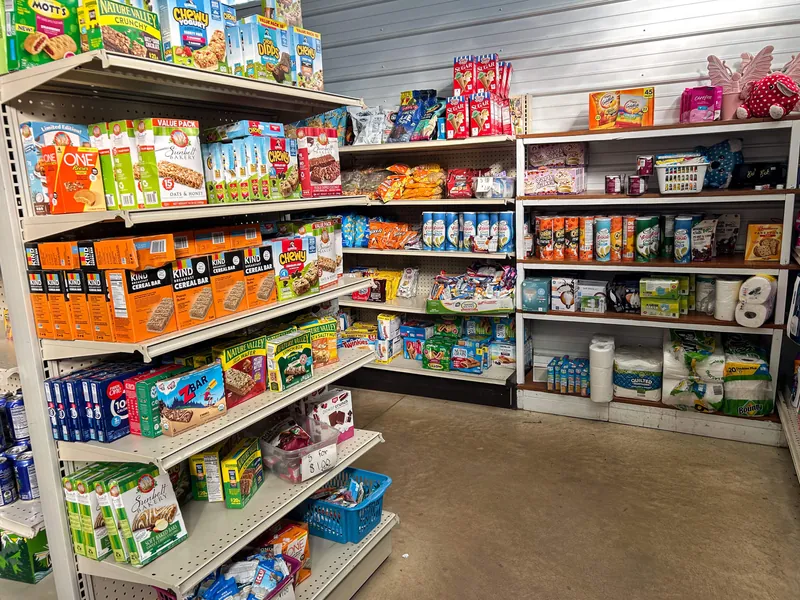
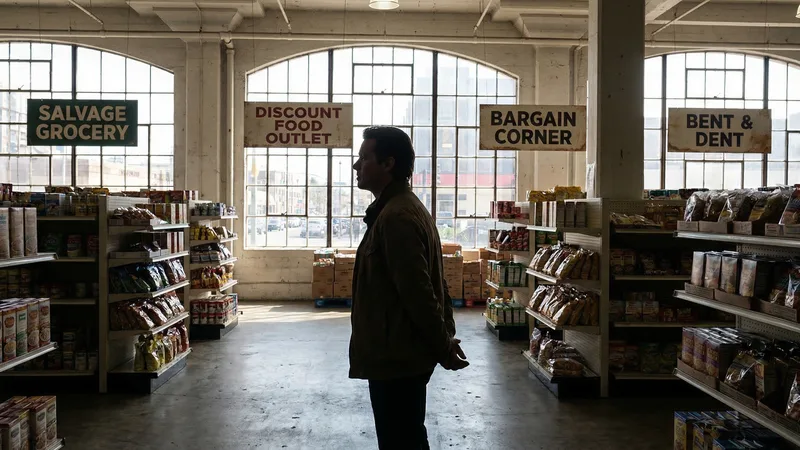
Salvage grocery stores, sometimes called bent-n-dent stores or scratch and dent grocery shops, sell food products that have been pulled from regular retail channels for some reason. A can got dented in shipping. A box of pasta got a torn label. A pallet of granola bars got discontinued because the manufacturer redesigned the packaging. A truckload of canned soup sat near its best-by date and a major supermarket chain sent it back. All of that stuff ends up at a salvage store.
The name "bent-n-dent" is pretty literal, and honestly kind of charming. It tells you exactly what you're dealing with before you walk in. Same with "scratch and dent grocery", these are products with some cosmetic issue, a date concern, or a sourcing quirk that made them unsellable through normal channels. Some people call them damaged goods grocery stores, which sounds worse than it is. The damage is usually to the packaging, not the food inside.
Walking into one for the first time is a genuinely different experience from a regular grocery run. Inventory changes constantly. You might find thirty-six cases of a name-brand pasta sauce this week and zero next week. Prices are usually 30 to 70 percent below what you'd pay at a full-price supermarket, and sometimes lower than that on close-out items. A lot of regulars at these stores build their shopping around what's available rather than showing up with a fixed list, which takes some adjustment if you're used to planned grocery trips.
One thing worth knowing: not all salvage items are near-expired. Some are just overstocked, discontinued, or mislabeled. You'll see a wide mix on any given visit.
Always inspect the item, not just the price tag. A dented can is usually fine. A can with rust, a bulging lid, or a broken seal is a different story, put it back. Check dates on anything perishable and know that "best by" means quality, not safety, on most shelf-stable products.
Here's what nobody tells you about salvage grocery shopping: the best finds are usually in the back or on pallets that haven't been fully sorted yet. If a staff member is breaking down a new shipment, that's the moment to hover nearby (politely). In practice, the good stuff moves fast at a food salvage store, and regulars know the delivery schedule by heart.
Specific things to look for at a bent-n-dent store: canned goods are almost always safe even with significant denting as long as the seal is intact; boxed dry goods like cereal, crackers, and pasta are fine with torn outer packaging; and jarred products are generally solid unless the lid is compromised. Frozen items require more scrutiny because you can't always tell if they've been thawed and refrozen.
What Is a Discount Grocery Store?
Discount grocery stores are a completely different animal. Aldi, Lidl, WinCo, these are discount grocers. They sell new, undamaged, fully shelf-ready products. Nothing is expired, nothing is dented, and inventory is consistent week to week. What makes them cheap is not damaged goods or overstock. It's the business model.
Discount grocers cut costs at every structural level. Smaller stores, fewer staff, mostly private-label or house-brand products, no fancy displays, cart rental systems, bring-your-own-bag policies. Aldi famously stocks something like 1,400 SKUs versus a traditional supermarket's 40,000-plus. Less selection, less overhead, lower prices passed on to you. It's a trade-off most budget shoppers are happy to make.
These stores suit people who want reliable, repeatable grocery shopping. You can build a weekly meal plan around a discount grocer because the same products are there every time. That's fundamentally different from a salvage or surplus store, where you're shopping whatever's available. If you need three cans of black beans every week without fail, a discount food store like Aldi is your answer. If you're flexible and love a deal, that's a different conversation.
Discount grocers also carry fresh produce, dairy, and meat at competitive prices. This is not something most salvage grocery stores focus on, since their model depends on shelf-stable products with more forgiving timelines.
People assume Grocery Outlet is a discount grocer in the same category as Aldi. It's not. Grocery Outlet is a surplus model (more on that below). Aldi and Lidl are true low-overhead discount chains. Grouping them together will confuse your expectations every time.
What Is a Surplus Grocery Store?
Surplus grocery stores buy products that exist in excess supply. A manufacturer overproduced a seasonal item. A retailer ordered too many units of a product that didn't sell. A distributor needs to clear a warehouse. Typically, the surplus store steps in, buys that inventory in bulk at a steep discount, and sells it to consumers at below-retail prices.
Grocery Outlet is probably the most well-known example of this model. They buy what are sometimes called "opportunistic loads," basically brand-name products that are available because of some supply chain timing issue, not because anything is wrong with them. As a rule, the goods are in perfect condition. Labels are intact. Dates are fine. There's just too much of it sitting somewhere and someone needs to move it fast.
This is the clearest difference between surplus and salvage. Surplus goods are usually perfect. Salvage goods have some kind of issue, whether it's date proximity, packaging damage, or a labeling irregularity, that knocked them out of normal retail channels. Both can give you serious savings, but the shopping experience is different. A surplus store feels closer to a regular grocery store. A salvage store feels more like a treasure hunt.
And that treasure hunt quality is actually a selling point for a lot of shoppers. Some people genuinely enjoy the unpredictability of a scratch and dent grocery run. Others find it stressful. Know which type you are before you make the drive.
Surplus stores often stock brand-name products you'd recognize from any major supermarket. That's part of the appeal. You're getting the same Heinz ketchup or the same Annie's mac and cheese, just bought opportunistically at a lower cost and passed on to you at a discount. For people who are brand-loyal but budget-conscious, this model hits a sweet spot that neither salvage stores nor traditional discount grocers quite reach.
Side-by-Side: How These Store Types Actually Compare
Here's a plain breakdown of the three store types across the criteria that actually matter to a shopper.
| Factor | Salvage Grocery | Discount Grocery | Surplus Grocery |
|---|---|---|---|
| Inventory Condition | Damaged packaging, near/past best-by dates, discontinued items | New, undamaged, shelf-ready | New, undamaged, overstock |
| Pricing Structure | Variable, deeply discounted per item | Consistently low across all products | Variable, depends on the load purchased |
| Product Consistency | Low, changes frequently | High, same products weekly | Medium, brand names but varied selection |
| Typical Savings | 30–70%+ off retail | 10–30% off retail | 20–50% off retail |
| Best For | Flexible shoppers, bulk buyers, adventurous deal hunters | Consistent weekly shoppers, families on a budget | Brand-loyal shoppers who want deals on recognizable products |
One misconception that needs to die: all three store types do not sell expired or unsafe food. That's a blanket assumption that doesn't hold up. Discount grocers sell nothing expired, period. Surplus stores rarely carry anything near expiration. Salvage stores are the one category where dates require attention, and even there, most shelf-stable products are safe well past their best-by date. "Best by" is a quality estimate from the manufacturer, not a safety cutoff. "Use by" on perishables is a different matter and should be taken seriously.
Salvage grocery stores reward flexible, adventurous shoppers. If you can build meals around what's available instead of what's on your list, you'll save the most money at a bent-n-dent store. Discount grocers work best for people who want the simplicity of a reliable weekly shop at prices consistently below traditional supermarkets. Surplus stores are the middle ground, good for brand-conscious shoppers who want name-brand quality without name-brand pricing.
If you're just starting to cut grocery costs, start with a discount grocer. Get comfortable with the model, learn what you actually use, and then layer in salvage or surplus shopping for pantry staples once you know what deals to look for.
What the Directory Numbers Actually Show
Our directory lists 3,192 businesses across the United States in this space, covering salvage grocery stores, bent-n-dent stores, surplus outlets, and related discount food stores. Average customer rating sits at 4.3 stars, which is honestly pretty strong for a category that gets a skeptical first impression from new shoppers.
Houston leads all cities with 83 listings, which tracks given the size of the market and the density of warehouse-style retail in the region. Brooklyn has 61 listings, Philadelphia has 46, and Los Angeles has 41. Big cities, high demand, lots of options for anyone searching where to find discounted groceries in those areas.
Top-rated businesses in the directory include Salvage Saviors in Katy, Texas, which holds a 5.0 rating across 718 reviews, that's not a small sample size, that's genuine sustained performance. Re_ Grocery in both Studio City and Los Angeles each carry 5.0 ratings with 224 and 191 reviews respectively, showing that the surplus/salvage model can absolutely build loyal, satisfied customer bases in major urban markets.
Worth noting: House of Milner Jewelers in Philadelphia and Hegwood's Towing LLC in Brandon, Mississippi both appear in the top-rated list at 5.0 stars. Those aren't grocery stores. That's just a quirk of directory data sometimes, businesses in adjacent or unrelated categories can appear in the same cluster. It doesn't change the grocery data, but it's the kind of small oddity you'll find in any large business directory.
718 verified reviews at a perfect rating for a salvage grocery store suggests that customers who get past their initial hesitation about the format become very loyal. That tracks with what regulars at these stores will tell you.
| Business | Location | Rating | Reviews |
|---|---|---|---|
| Salvage Saviors | Katy, Texas | 5.0 ★ | 718 |
| Re_ Grocery | Studio City, California | 5.0 ★ | 224 |
| Re_ Grocery | Los Angeles, California | 5.0 ★ | 191 |
| House of Milner Jewelers | Philadelphia, Pennsylvania | 5.0 ★ | 531 |
| Hegwood's Towing LLC | Brandon, Mississippi | 5.0 ★ | 277 |
For anyone looking to get serious about groceries on a budget, the sheer density of listings in cities like Houston and Los Angeles means you probably have multiple options within a reasonable drive. Most people are surprised by how many of these stores exist near them once they start actually looking.
Frequently Asked Questions
Is food from a salvage grocery store safe to eat?
Most of it, yes. Shelf-stable products like canned goods, dried pasta, crackers, and boxed items are typically safe well past their best-by date as long as packaging is intact. For most shoppers, the risk comes from compromised seals, bulging or deeply rusted cans, and perishables with a "use by" date that's passed. Visually inspect every item before buying. When in doubt, skip it.
What's the difference between "best by" and "use by"?
"Best by" is a manufacturer's estimate of peak quality. Most product doesn't become unsafe the day after that date. "Use by" on perishables like deli meat, fresh dairy, or prepared foods is a stricter guideline and should be respected. Most of what you find at salvage stores is shelf-stable, so best-by dates are the norm and they're less of a concern than people think.
Can I do my regular weekly grocery shopping at a salvage store?
It's difficult to rely on a salvage or bent-n-dent store as your only grocery source because inventory changes constantly. Most regular shoppers at these stores use them to stock their pantry with non-perishables and supplement from a regular supermarket or discount grocer for fresh items and consistent weekly staples.
How do I find a salvage or discount grocery store near me?
Our directory lists 3,192 businesses across the country. Search by city or zip code to find options near you. Houston, Brooklyn, Philadelphia, and Los Angeles have the highest concentration of listings, but most mid-size and large cities have at least a handful of options. You can also search terms like "bent-n-dent store" or "scratch and dent grocery" plus your city in a regular search engine.
Are discount grocers like Aldi the same as salvage grocery stores?
No. Aldi and similar discount grocers sell new, undamaged products at low prices through a lean business model. Nothing at Aldi is dented, expired, or pulled from retail channels. Salvage stores specifically sell items that have been removed from normal retail distribution. They're different models with different inventory and a different shopping experience.
What should I bring when shopping at a salvage store for the first time?
Bring a reusable bag or box because packaging is sometimes not available. Bring cash or confirm they accept cards beforehand, since some smaller stores are cash-only. Go with flexibility rather than a fixed list, and give yourself extra time to look around and inspect items. Your first visit will take longer than future ones once you know the layout and inventory patterns.
More Ways to Save
Find Salvage Grocery Stores Near You
Browse our directory of 3,192+ businesses, from bent-n-dent stores to surplus grocery outlets, and find the best deals on groceries in your area.
Search the Directory