Salvage Grocery vs Dollar Store: Where to Get the Best Deals on Pantry Staples
Over 3,100 salvage grocery businesses are listed across the United States right now, and they're pulling in an average customer rating of 4.3 stars. That's not a niche operation. That's a movement hiding in plain sight, tucked into strip malls and warehouse spaces in cities from Houston to Brooklyn, serving families who figured out something most grocery shoppers haven't yet: the best deals on pantry staples often aren't where you'd expect to find them.
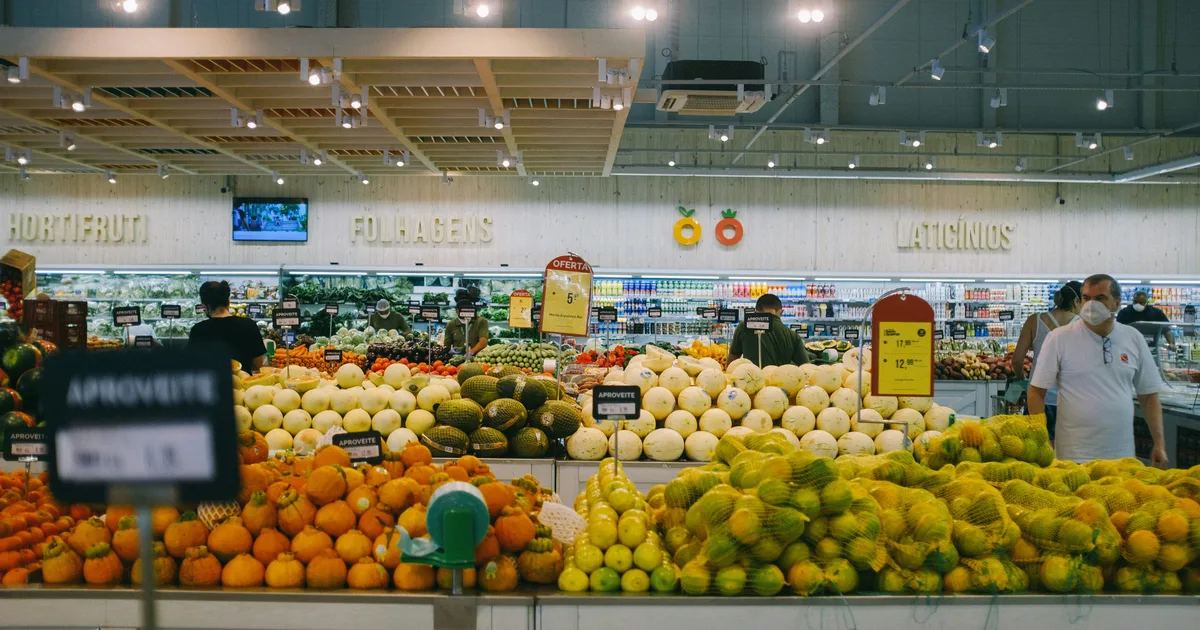
So you're trying to cut your grocery bill. Maybe you've been hitting the dollar store on the way home, grabbing canned tomatoes and a box of pasta, feeling pretty good about it. And that's fair. Dollar stores do have their moments. But there's another option that a lot of budget shoppers either don't know about or have written off based on a misunderstanding, and it's worth a serious look before you assume you're already getting the best deal possible. Salvage grocery stores, also called bent-n-dent stores, scratch and dent grocery outlets, or just discount food stores, offer something genuinely different from what you'll find at Family Dollar or Dollar Tree. This article breaks down exactly what that difference looks like, where it matters most, and when each type of store actually wins.
What Is a Salvage Grocery Store, Anyway?
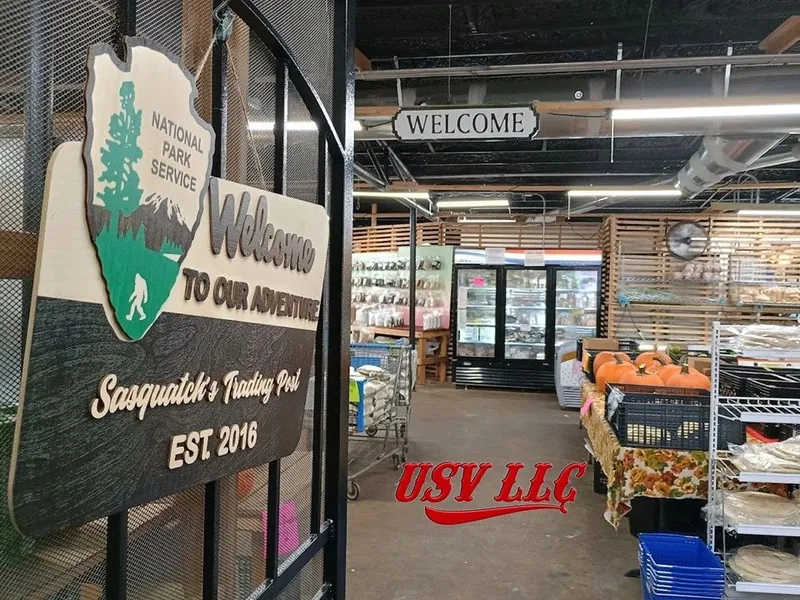
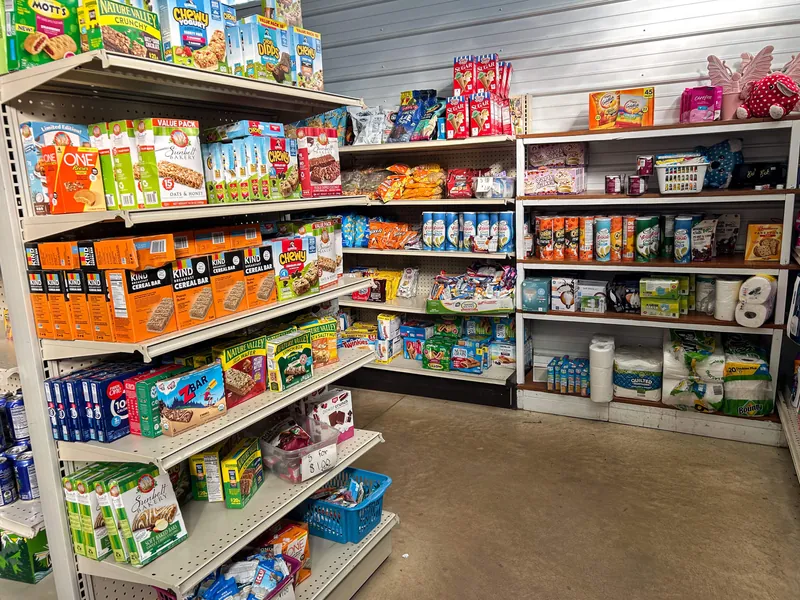
Most people's first encounter with a salvage grocery store involves some confusion. You walk in and it doesn't quite look like a regular grocery store. Shelves are stocked with name-brand cereals next to obscure regional sauces next to a pallet of slightly dented chicken broth cans. Pricing stickers are handwritten sometimes. Inventory changes week to week, sometimes day to day. It can feel a little chaotic, honestly.
But there's a real system behind it. These stores acquire inventory through a few different channels: overstock from manufacturers who made too much of something, discontinued products that major retailers stopped carrying, items with cosmetically damaged packaging (a crushed box corner, a torn label), and products that are approaching or have passed their "best-by" date. None of those things make the food unsafe. That part trips people up more than anything else.
Best-by dates, use-by dates, sell-by dates. Most of them are not federally regulated safety deadlines. They're quality indicators set by manufacturers, often conservatively. A can of corn or a box of pasta that's two months past its best-by date is almost certainly still perfectly fine to eat. The USDA is clear on this: most canned goods remain safe indefinitely as long as the can is not damaged. Discount food stores and food salvage operations know this, and so do their regulars.
Best-by dates indicate peak quality, not safety. Most shelf-stable pantry staples, including canned goods, dry pasta, rice, and baking supplies, remain perfectly safe to eat well past their printed date. When shopping any damaged goods grocery or salvage outlet, use your senses: if a can is swollen, leaking, or badly rusted, skip it. Otherwise, you're almost certainly fine.
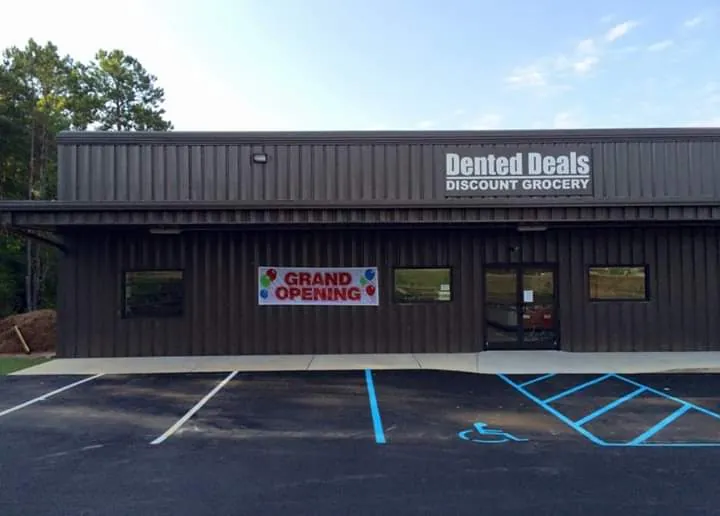
Walking into one for the first time, you might notice the parking lot is a little rough, the building maybe used to be a hardware store or an auto parts shop. These places are not trying to win a design award. What they're trying to do is move product at prices that make sense for both the store and the shopper.
What Dollar Stores Actually Offer in the Grocery Aisle
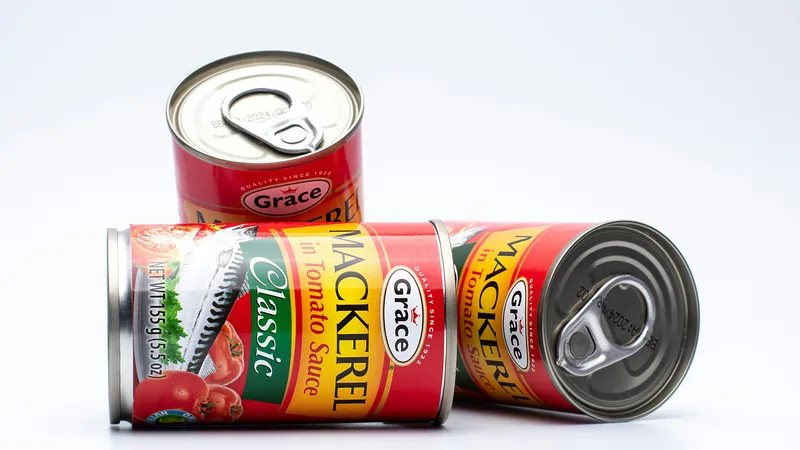
Dollar stores are convenient. That's their whole pitch. There's one on practically every corner in most American cities, they're fast to shop, and the prices look appealing at first glance. For pantry staples specifically, you'll typically find canned vegetables, dry pasta, simple condiments like ketchup and mustard, a few spices, instant oatmeal, chips, cookies, maybe some cooking oil in a small bottle.
The catch is in that last part: the small bottle.
Dollar stores have gotten very good at presenting value without necessarily delivering it on a per-unit basis. A 16-ounce bottle of vegetable oil at a dollar store might cost $1.25 now (most major chains have moved away from the flat one-dollar price point), while a 48-ounce bottle at a salvage grocery store might cost $2.50. Do the math and the "cheaper" dollar store option is actually costing you more per ounce. That pattern repeats across a lot of product categories.
And then there's the brand situation. Dollar stores carry a lot of store-brand or lesser-known label products. That's not always bad, but if you have preferences or dietary needs tied to specific brands, you're going to find the selection pretty thin. The product range is also just narrow. You're not going to find a discount-priced specialty pasta sauce or a name-brand granola at a dollar store. You get the basics, and that's about it.
Recent price increases have made this more complicated. Family Dollar and Dollar Tree both raised prices significantly over the past few years. Some items that were a dollar are now $1.25, $1.50, or more. In practice, the value proposition that made dollar stores a no-brainer for budget shoppers has gotten murkier. People are starting to notice.
Always check the unit price, not just the sticker price. A dollar store item can look like a deal until you realize the package is half the size of what you'd find elsewhere. On cooking staples like oils, pasta, and canned goods, salvage grocery stores routinely beat dollar stores on per-ounce cost, especially on name-brand products.
Head-to-Head: Price, Quality, and Selection on Pantry Staples
Let's get specific, because vague comparisons don't actually help you decide where to shop.
Salvage grocery stores typically offer 30 to 70 percent off standard retail prices. That's a wide range, and it depends on what you're buying and why the store got it cheap. Overstock cereal from a major manufacturer might be 50% off. A case of canned tomatoes with dented lids but perfectly intact contents might be 60% off. A near-date baking mix from a recognizable brand might be 40% off. On the other end, some items are only 20-25% off retail, which is still meaningful but less dramatic.
Dollar stores are harder to pin down. The "discount" framing is baked into the brand identity, but actual savings versus retail vary a lot by product. Some items are genuinely cheap. Others are priced comparably to what you'd pay at a regular grocery store, just in a smaller package that makes it feel like a deal.
Quality is where the salvage grocery store often surprises people. Because inventory is unpredictable, you might find Heinz ketchup, Annie's pasta sauce, or a nationally known cooking oil sitting on the shelf at a steep discount. These are full-size, name-brand products. The "damage" might be nothing more than a slightly wrinkled label. Dollar stores, on the other hand, are going to give you their house brand more often than not, or a brand you've never heard of, which is fine if you don't care, but matters if you do.
Selection depth is the biggest differentiator. A good salvage grocery store might stock 20 different pasta varieties on any given week, including restaurant-grade brands and organic options, all at discount prices. A dollar store stocks four or five pasta SKUs, consistently, forever. Typically, the dollar store wins on predictability. As a rule, the salvage grocery store wins on variety and savings.
The Numbers Behind the Salvage Grocery Industry
There are 3,192 salvage grocery businesses listed in our directory right now. Houston leads with 83 listings. Brooklyn follows with 61, Philadelphia has 46, and Los Angeles has 41. Those four cities alone account for over 230 listings, which tells you something about where demand is concentrated: dense, cost-conscious urban populations where grocery budgets are tight and people are actively looking for discounted groceries.
But it's not just coastal cities. Discount food stores and bent-n-dent operations are spread across smaller cities and mid-sized markets too, often serving communities that major grocery chains have underserved for years. If you've been searching for where to find discounted groceries in your area, odds are there's something within a reasonable drive.
That 4.3-star average rating across all listed businesses is genuinely impressive for a category that shoppers approach with some skepticism at first. Customers are not just tolerating these stores; they're actively recommending them. Some of the top-rated businesses in the directory have hundreds of reviews and perfect five-star scores.
| Business Name | Location | Rating | Reviews |
|---|---|---|---|
| Salvage Saviors | Katy, Texas | 5.0 ★ | 718 |
| Re_ Grocery | Studio City, California | 5.0 ★ | 224 |
| Re_ Grocery | Los Angeles, California | 5.0 ★ | 191 |
| House of Milner Jewelers | Philadelphia, Pennsylvania | 5.0 ★ | 531 |
| Hegwood's Towing LLC | Brandon, Mississippi | 5.0 ★ | 277 |
Salvage Saviors in Katy, Texas stands out with 718 reviews and a perfect five-star rating. That kind of review volume takes real, sustained customer satisfaction to build. Re_ Grocery, which appears twice in the top-rated list with locations in both Studio City and Los Angeles, has clearly built a following among California shoppers looking for a smarter way to buy groceries. Worth checking out if you're in that area and haven't been yet.
For most shoppers, the density of listings in major metros also suggests something about where this category is heading. Groceries on a budget used to mean coupons and generic brands. Now it increasingly means knowing which salvage grocery store in your city gets a fresh shipment on Tuesdays, or which discount food store carries the pasta brand your family actually likes.
When to Choose a Salvage Grocery Store vs. a Dollar Store
Not every shopping trip calls for the same store. That's the honest answer.
Salvage grocery stores work best for households that can plan their meals with some flexibility. If you're the kind of cook who can look at what's on the shelf and build a week's menu around it, rather than walking in with a fixed list, you will almost always come out ahead at a scratch and dent grocery compared to a dollar store. You'll find better prices on name-brand products, larger package sizes that lower your per-unit cost, and an ever-changing mix that can be genuinely exciting if you let it be.
Seriously, finding a full case of a fancy pasta brand for $1.50 a box is the kind of small win that makes your whole week better.
Dollar stores make more sense when you need something specific, need it today, and don't have time to hunt. They're also good for households with very little storage space. If you live in a studio apartment with two cabinets in the kitchen, buying a case of 24 canned goods at a salvage grocery store isn't practical, even if the unit price is better. Dollar stores let you buy small quantities at prices that are still reasonable, even if they're not as good as what you'd find at a discount food store with more inventory depth.
Families feeding four or more people should give salvage grocery stores serious priority. Buying at volume from a bent-n-dent store, especially on staples like canned goods, dry pasta, oil, and baking supplies, adds up to real money saved over a month. We're not talking 10 or 15 percent. We're talking the kind of savings that can shift a family's grocery spend by $100 or $150 a month with some consistency.
Go with a loose plan, not a fixed list. Know your household's staple categories (pasta, canned proteins, cooking oils, breakfast items) and stock up when you see a good price on those categories, even if you don't need them immediately. Check dates on everything but don't let a near-date best-by label stop you from buying a pantry staple you'll use in the next few weeks. And go back regularly. Inventory rotates fast, and the best finds go quickly.
One more thing worth saying plainly: if you've never visited a salvage grocery store because you assumed it was for people in financial crisis or that the food would be somehow unsafe, let that assumption go. These stores attract everyone from college students to retirees to food-curious people who just want good products at fair prices. There is no shame in being smart about where your grocery dollar goes.
Finding a Salvage Grocery Store Near You
With 3,192 listings across the country and strong representation in cities like Houston, Brooklyn, Philadelphia, and Los Angeles, there's a good chance there's a discounted grocery store near you that you haven't tried yet. Searching "salvage grocery store" or "bent-n-dent store" in our directory will pull up options sorted by location and rating, so you can see what's nearby and how other shoppers have rated it before you make the trip.
If you're in a smaller market, don't give up on the search too fast. These stores exist in mid-sized cities and suburban areas too. They just don't always advertise heavily. Word of mouth is how most people find them, and once you find a good one, you tell everyone.
I'd pick a salvage grocery store over a dollar store for pantry staples almost every time, assuming there's one within reasonable distance. Dollar stores have a place in the budget shopping toolkit, but for the actual volume categories where your grocery bill adds up, the savings at a food salvage store are usually meaningfully better, and the product quality is often higher. That's a combination that's hard to argue with.
Frequently Asked Questions
Are salvage grocery stores safe to shop at?
Yes. Salvage grocery stores sell food that is safe to eat. Most of the "damage" is cosmetic: dented cans with intact seams, torn labels, slightly crushed boxes. Best-by dates are quality indicators, not safety deadlines. Avoid purchasing cans that are bulging, deeply rusted, or leaking. Otherwise, the products are fine. These stores are regulated like any other food retailer.
How much can I actually save compared to a regular grocery store?
Savings at salvage grocery stores typically range from 30 to 70 percent off standard retail prices, depending on the product and the reason it was marked down. Overstock and discontinued items tend to be on the higher end of that savings range. Near-date items vary. Even at the low end of the range, 30 percent off your total pantry spend is genuinely significant over the course of a year.
Do salvage grocery stores carry name-brand products?
Frequently, yes. That's actually one of their main advantages over dollar stores. Because inventory comes from manufacturer overstock and retailer returns, you'll often find recognizable national brands at steep discounts. Most specific brands change with each shipment, so consistency isn't guaranteed, but the presence of name brands is a regular feature at most bent-n-dent stores.
How do I find a salvage grocery store near me?
Search our directory using terms like "salvage grocery," "bent-n-dent," or "scratch and dent grocery" along with your city or zip code. With 3,192 businesses listed nationwide, there's a good chance you'll find something within a reasonable distance. Major cities like Houston, Brooklyn, Philadelphia, and Los Angeles have dozens of options each.
Are dollar stores still worth visiting for groceries?
For small, specific purchases when convenience matters, yes. For building out a pantry on a tight budget, salvage grocery stores offer better value in most cases, especially on larger-size products and name-brand items. Dollar stores have raised prices in recent years, which has narrowed the gap between them and regular grocery stores, making the comparison with salvage grocery stores even more favorable for the latter.
Explore Related Directories
Find Salvage Grocery Stores Near You
Browse our directory of 3,192+ salvage grocery businesses, bent-n-dent stores, and discount food stores across the country. Filter by city, read real customer reviews, and find the best deals on pantry staples near you.
Search the Directory