Sustainable Practices in Salvage Grocery Store Operations
Introduction
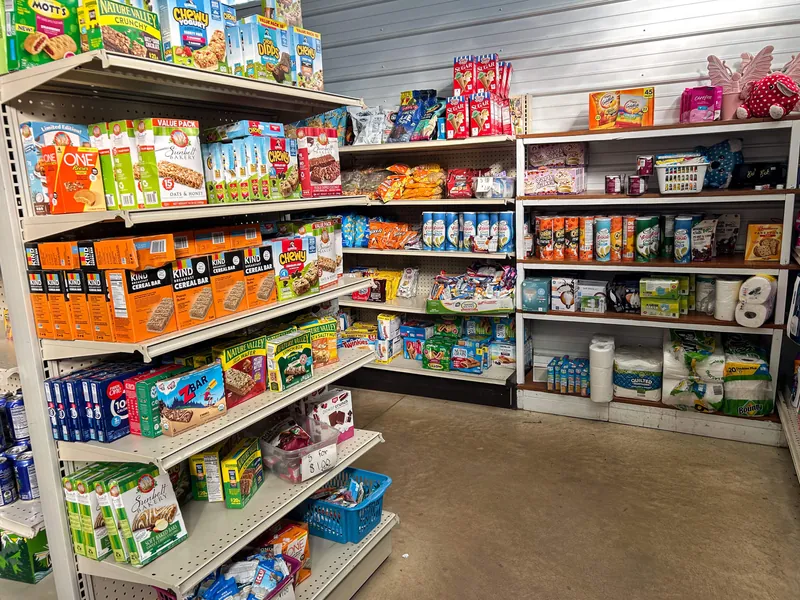
Picture this: you're walking down the aisle of a discount grocery store, eyeing that can of soup with a slightly dented edge. You wonder, is it safe? Is it worth the savings? Well, that's the misconception that many people have when they think of salvage grocery stores. But hold on, let's explore this fascinating world a bit more deeply. These places, also known as bent-n-dent stores or scratch and dent grocery stores, are not just about discounted food; they're a vital part of sustainable grocery operations, and their importance cannot be overstated.
With the rising demand for affordable and sustainable food options, salvage grocery stores have become increasingly relevant. Consumers are looking for ways to cut costs without sacrificing quality, and these stores provide just that. In fact, the numbers are impressive. There are 3183 listed businesses with an average rating of 4.3 stars. And in cities like Houston, Brooklyn, and Philadelphia, these stores are thriving. But what makes them so successful? Let's dive in.
1. Sourcing and Inventory Management
Ethical Sourcing
Imagine partnering with suppliers who have surplus or near-expiry products that might otherwise go to waste. That's exactly what salvage grocery stores do. They ensure that the food is safe and of good quality, even if it's close to its expiration date. It's like giving food a second chance. I've seen how passionate these store owners are about sourcing ethically and ensuring that the food is still top-notch. It's not just about getting the products on the cheap; it's about maintaining a level of trust with customers.
Efficient Inventory Practices
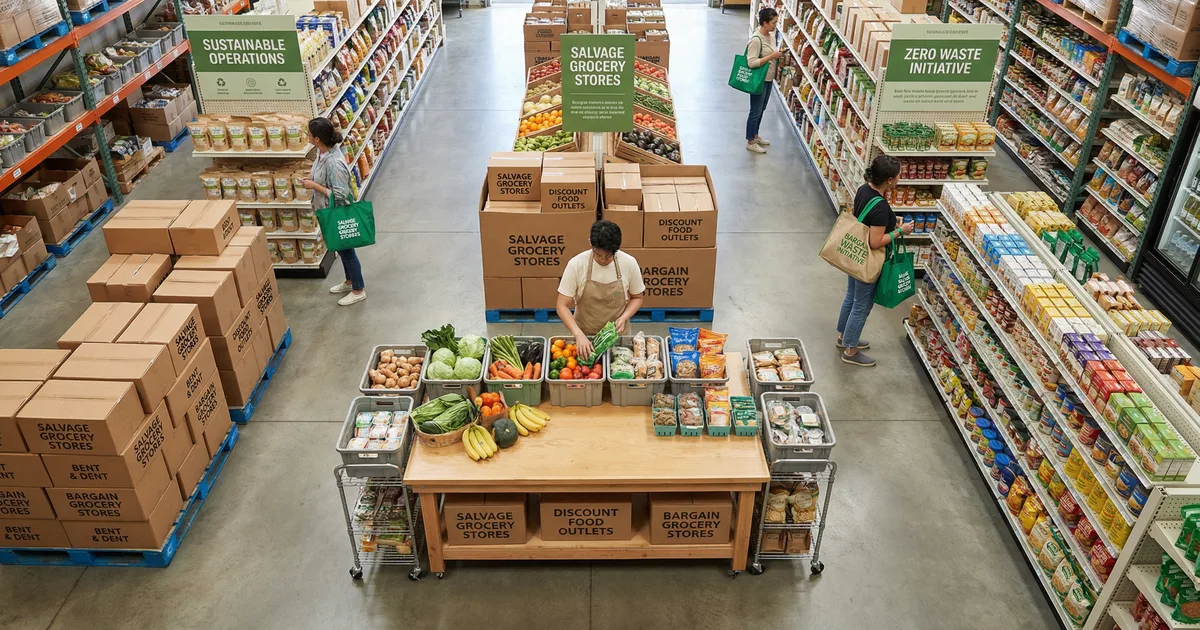
How do these stores keep their shelves stocked without excess waste? It's all about efficient inventory turnover. Many use technology to track their stock accurately, ensuring they sell products before they spoil. This strategy not only minimizes waste but also keeps the business running smoothly. You'd be surprised at how a little technology can make a huge difference in sustainability.
2. Waste Reduction Techniques
Composting and Recycling
For these grocery outlets, waste reduction isn't just a practice; it's a commitment. By implementing composting systems for organic waste, stores drastically reduce what goes to the landfill. Plus, recycling packaging materials is a no-brainer. Every little bit helps. If you've ever wondered what happens to those slightly damaged goods, well, this is part of the answer.
Donation Programs
Stores often collaborate with local charities to donate unsold but still edible food items. Not only does this help the community, but it also enhances the store's reputation. Think about it: helping others while maintaining a sustainable operation. It's a win-win situation that benefits everyone involved.
3. Energy Conservation Measures
Energy-Efficient Technologies
Walking into a well-lit store with cool aisles and fresh produce feels inviting, doesn't it? Many salvage grocery stores achieve this by adopting energy-efficient technologies. LED lighting and modern refrigeration units are commonly used to keep energy consumption in check. And with automated systems controlling energy use, these stores are reducing their environmental impact significantly.
Renewable Energy Sources
Some of these stores go a step further by installing solar panels or purchasing green energy. It's amazing how these renewable energy sources can drastically cut down a store's carbon footprint. Every bit counts, and it’s exciting to see these stores leading by example.
4. Community Engagement and Education
Workshops and Events
Imagine attending a workshop on how to reduce food waste, right in your neighborhood. Some salvage grocery stores host events like these, educating the community about sustainable practices. They open their doors, not just for business, but to share knowledge. Involving the community in sustainability efforts can bring about real change.
Consumer Awareness Programs
These stores also run informational campaigns, encouraging customers to participate in sustainability initiatives. They raise awareness about the importance of reducing food waste, inviting consumers to join the cause. It's more than just shopping; it's about being part of a movement toward a more sustainable future.
5. Data and Statistics
Business Data Overview
With 3183 businesses listed and an average rating of 4.3 stars, it's clear these stores are doing something right. Houston leads with 83 listings, followed by Brooklyn and Philadelphia. These numbers reflect not just popularity, but the growing consumer trust in these grocery outlets.
| City | Number of Listings |
|---|---|
| Houston | 83 |
| Brooklyn | 61 |
| Philadelphia | 46 |
| Los Angeles | 41 |
Impact of Sustainability on Business Performance
Stores that adopt sustainable practices tend to see higher ratings and customer loyalty. It's no surprise that consumers appreciate businesses that care about the planet. There's a clear correlation between sustainable operations and financial performance, which benefits everyone involved.
6. Frequently Asked Questions (FAQ)
What are the benefits of shopping at a salvage grocery store?
Shopping at a salvage grocery store offers cost savings and helps reduce food waste. It's a smart choice for budget-conscious shoppers.
How do salvage grocery stores ensure food safety?
These stores adhere to strict quality checks and safety standards to ensure that the food they sell is safe for consumption.
Are all products in salvage stores damaged or expired?
No, not all products are damaged or expired. Many are simply close to their expiration date or have slight packaging imperfections.
How can consumers support sustainability efforts?
Consumers can support sustainability efforts by shopping at these stores, participating in community programs, and spreading awareness about reducing food waste.
Conclusion
Sustainability in salvage grocery store operations is not just a trend; it's a necessity. From ethical sourcing to energy conservation, these stores are making a difference. Businesses and consumers alike should continue to support and participate in these efforts to create a more sustainable grocery sector.