The Budget Shopper's Weekly Routine: Combining Salvage Groceries and Dollar Stores
Over 3,192 salvage grocery businesses are listed across the United States right now, and most shoppers have never walked into a single one. That's a lot of missed savings sitting right in your neighborhood. If you're watching your grocery bill creep up every month and wondering where the money goes, this article is for you. Combining salvage grocery stores with dollar stores on a deliberate weekly schedule can realistically cut what you spend on food by 30 to 50 percent, without eating worse or stressing more.

Understanding Your Two Core Shopping Resources
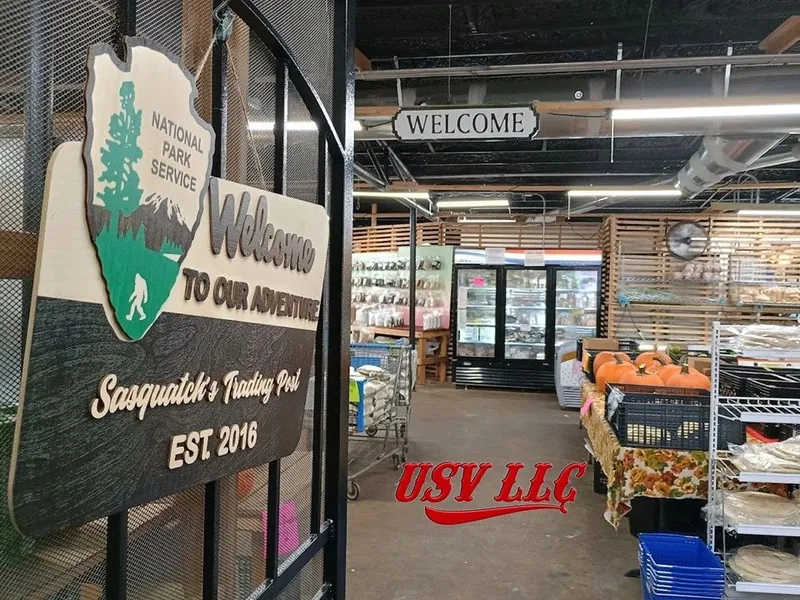
Salvage grocery stores go by a lot of names. You might see them called bent-n-dent stores, scratch and dent grocery shops, discount food stores, or damaged goods grocery outlets. Some people just search "where to find discounted groceries" and stumble onto them by accident. Whatever name they're using on the sign out front, the concept is the same: these places buy food inventory that mainstream grocery chains can't sell at full price, and they pass the discount on to you.
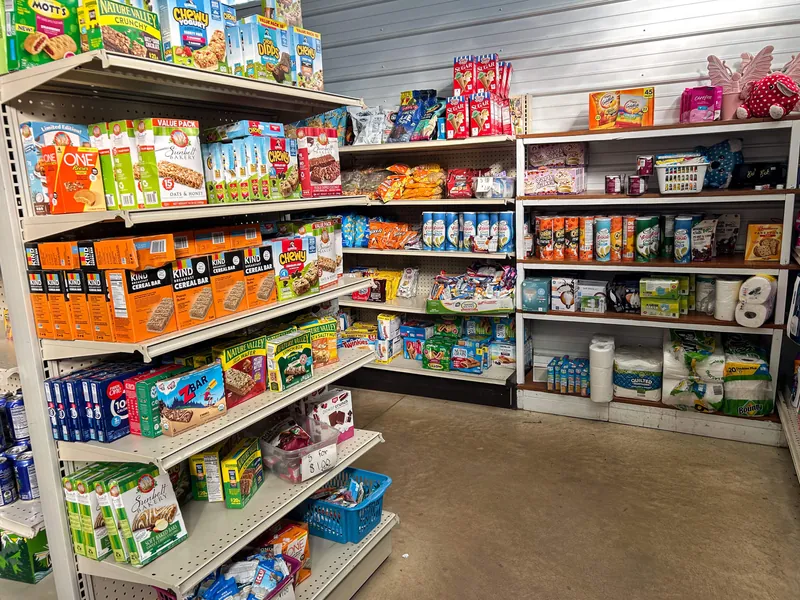
That inventory comes from a few sources. Overstock from manufacturers. Discontinued product lines. Items with slightly dented cans or torn outer boxes. Goods that are close to their "best by" date. None of this means the food is bad. It means a big chain couldn't put it on their shelf at $4.99 and still make their margin, so they sold it off. You walk in and buy it for $1.50. That's the whole system.
Dollar stores are a different animal. They're not buying distressed inventory in the same way. They stock a fairly consistent rotation of cleaning supplies, paper goods, canned goods, snacks, and seasonal items at fixed low price points. You always know roughly what you'll find. That predictability is their value. The tradeoff is that you're often getting smaller package sizes, and if you do the unit price math, some items at dollar stores are actually more expensive per ounce than buying a full-size version at a regular grocery store.
Here's why using both together works better than leaning on either one alone. Salvage grocery stores have incredible deals on proteins, produce, name-brand cereals, canned goods, and pantry staples, but the inventory is unpredictable and changes constantly. Dollar stores have boring but reliable stock of household essentials. Put them together and you get a full shopping strategy: fill your cart with the exciting deals at the discount food store, then cover the predictable household basics at the dollar store. Each one covers what the other can't.
The State of Discount Grocery Shopping Right Now
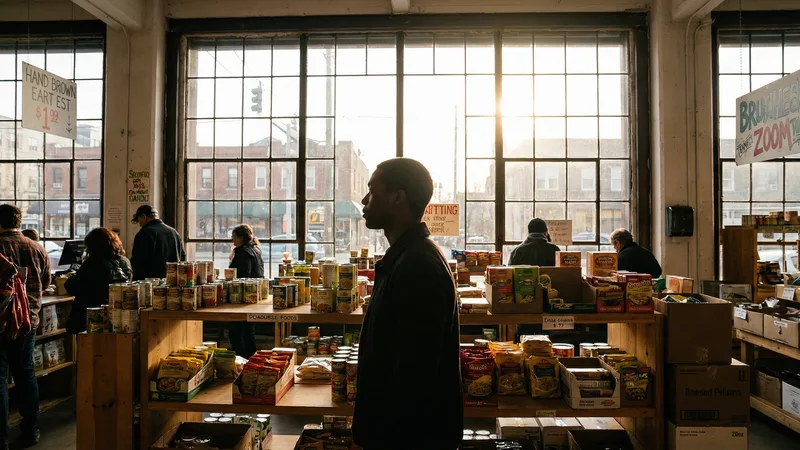
3,192 listed businesses is not a small number. That's a real, mature industry with deep roots in communities across the country. And the geographic spread is telling. Houston has 83 listings, making it one of the most saturated markets for this kind of shopping. Brooklyn comes in at 61 listings. Philadelphia has 46. Los Angeles has 41. If you live in or near any major metro area and you're still typing "discounted grocery store near me" into Google without ever actually going, that's on you at this point.
Okay, that was a little harsh. But genuinely, the access is there.
What's even more interesting is the rating data. Across all 3,192 listed salvage grocery businesses, the average customer rating is 4.3 stars. That's not a mediocre score. That's the kind of number a solid neighborhood restaurant would be proud of. The old reputation that bent-n-dent stores are dirty, sketchy, or full of expired food is just not what the data shows. Customers are leaving positive reviews at a high rate.
Some of the top-rated businesses are worth calling out specifically, because they show the range of what's possible in this space.
| Business Name | Location | Rating | Reviews |
|---|---|---|---|
| Salvage Saviors | Katy, Texas | 5.0 ★ | 718 |
| Re_ Grocery | Studio City, California | 5.0 ★ | 224 |
| Re_ Grocery | Los Angeles, California | 5.0 ★ | 191 |
Salvage Saviors in Katy, Texas has 718 reviews and a perfect 5.0 rating. That is not luck. That is a store that has figured out what budget shoppers need and consistently delivers it. Re_ Grocery in Studio City and Los Angeles both sit at 5.0 stars with hundreds of reviews between them. These aren't obscure, half-empty shops. They're busy, well-reviewed businesses with loyal customer bases.
When searching for a food salvage store near you, try multiple search terms. "Bent-n-dent store," "scratch and dent grocery," and "grocery outlet near me" can all return different results. Running all three searches gives you a more complete picture of what's actually available in your area.
Building Your Weekly Shopping Routine: A Practical Framework
Most people who try budget grocery shopping fail not because of willpower, but because of structure. They go to the salvage grocery store whenever they happen to think of it, grab stuff at random, then wonder why they're still overspending. A weekly routine fixes that. It takes maybe an hour of planning upfront and saves you significant money by the end of the month.
Here's what actually works.
Sunday: Inventory and Planning Day. Before you buy anything, you need to know what you already have. Spend 20 minutes on Sunday looking through your fridge, freezer, and pantry. Write down what's running low and what you already have in good supply. This single step prevents the classic mistake of buying three more cans of black beans when you already have seven at home. Make a rough meal plan for the week, but keep it loose, because your actual meals will depend heavily on what you find at the discount food store.
Monday or Tuesday: Salvage Grocery Store Day. Go early in the week. Some food salvage stores restock on weekends, so early-week trips catch the freshest rotation of deals. Bring your list, but hold it loosely. If you went in planning to buy chicken and they've got ground beef at 70 percent off, buy the ground beef and adjust your meals. Flexibility is the whole point. Check proteins first since those see the biggest price drops. Then move to produce, name-brand pantry items, and canned goods. Skip anything with damaged seals, bulging cans, or compromised packaging. A dented can is fine; a can that's leaking or swollen is not.
Thursday: Dollar Store Day. By mid-week you know what the salvage store did and didn't have. Now fill the gaps. Paper towels, dish soap, laundry detergent, basic condiments, coffee filters, zip-lock bags, this is the dollar store's domain. You're not trying to build your whole grocery list here. You're covering the household basics that never showed up at the scratch and dent grocery store because nobody puts cleaning supplies on salvage trucks.
Spacing out these trips matters more than it sounds. Going to both stores on the same day leads to impulse buying because your brain is still in "deal mode" when you hit the second store. Give yourself a day or two between trips and you'll make calmer, smarter decisions.
At salvage grocery stores, your freezer is your best tool. When you find proteins at exceptional prices, buy more than you need this week and freeze them. Shoppers who do this consistently almost never pay full price for meat.
Practical Tips for Maximizing Savings at Each Store Type
At salvage grocery stores, the single most useful habit you can build is reading dates correctly. "Best by" and "use by" are not the same as expiration dates on most products. A "best by" date is a quality suggestion from the manufacturer. In practice, the product doesn't turn into a pumpkin on that date. Canned goods with a "best by" date that passed last month are almost always completely fine. Dairy and meat are a different story and deserve more caution, but dry goods, condiments, and packaged snacks have far more leeway than most people think.
Ask the staff about restock days. This is something most shoppers never do, and it's one of the most useful pieces of information you can get from a bent-n-dent store. Staff will often tell you when the next big delivery is coming in, what kind of products tend to show up, and whether there's anything currently in the back that hasn't hit the floor yet. Build a relationship with a couple of employees at your regular spot and you'll start getting tips that other shoppers never hear about.
Buying in bulk at these stores is smart, but only for things you actually use and can store safely. Buying 12 boxes of pasta because they're 30 cents a box is great. Buying 10 pounds of produce because it's cheap is only great if you have a plan to cook all of it this week. Overbuying perishables is probably the most common mistake new shoppers make at a grocery outlet or discount food store. It feels like winning. You walk out with a full cart for $40. Then half of it goes bad in the fridge and you've wasted money, not saved it.
At dollar stores, know your weak categories. Batteries at dollar stores are often a terrible deal per unit. Same with some cleaning products where the concentration is so low you end up using twice as much. But paper goods, basic dish soap, aluminum foil, plastic wrap, cheap spices for cooking, and seasonal snacks? Very solid value. Buy those without hesitation.
One specific thing worth mentioning: seasonal rotations at dollar stores are underrated. Around the holidays they stock baking supplies, specialty candy, gift wrap, and decorations at prices that beat most other retailers by a wide margin. If you plan ahead and stock up on holiday baking staples in October or November, you've essentially used the dollar store as a food salvage store for your holiday budget.
And look, the unit price thing is worth doing even if it feels tedious at first. Pull out your phone, divide the price by the weight or count, and compare. You'll be surprised how often the dollar store item is actually more expensive per ounce than a sale item at a regular store. That comparison takes about 15 seconds and can save you from a dozen small overpayments that add up over a month.
At salvage grocery stores: Overbuying perishables without a use plan, skipping date checks on dairy and meat, ignoring bulk deals on shelf-stable items you use regularly.
At dollar stores: Assuming everything is a deal (it's not), forgetting to do unit price comparisons on cleaning supplies, overlooking the seasonal stock rotations that offer genuine value a few times per year.
One more thing about the routine as a whole. Do not try to be perfect at this from week one. Typically, the first few trips to a discount food store feel disorienting because there's no familiar layout and the inventory is random. That's normal. After three or four visits to the same store, you'll know the layout, you'll know which sections usually have the best deals, and you'll start to recognize the rhythm of how stock rotates. As a rule, the awkward phase is short. Push through it.
Plenty of people shop this way and do it casually, but the shoppers who consistently cut their bills in half are the ones who treat it like a system, not a hobby. They show up on specific days, they keep a running list on their phone, they know their freezer capacity, and they do the math before they buy. That's really all it takes.
Frequently Asked Questions
Are salvage grocery stores safe to shop at?
Yes, for the most part. Products with intact packaging and reasonable dates are safe. Avoid cans that are bulging, leaking, or deeply punctured. Check dairy and meat dates carefully. Dry goods, condiments, and packaged snacks with passed "best by" dates are usually fine. With 3,192 listed businesses averaging 4.3 stars in customer reviews, the overall experience is consistently positive across the industry.
What's the difference between a "best by" date and an expiration date?
"Best by" dates are quality guidelines from the manufacturer, not safety deadlines. Most shelf-stable foods are safe to eat past their "best by" date. True expiration dates on items like baby formula and some medications are harder limits. When in doubt on a specific product, a quick search will tell you how much leeway you have.
How much can I realistically save using this routine?
Most consistent users of bent-n-dent stores and dollar stores together report saving 30 to 50 percent compared to shopping exclusively at mainstream grocery chains. For most shoppers, the actual number depends on your area, the stores available to you, your household size, and how flexibly you meal plan. Shoppers in cities with high salvage grocery density, like Houston with 83 listings, have more options and tend to see higher savings.
How do I find a salvage grocery store near me?
Search for "bent-n-dent store," "scratch and dent grocery," "food salvage store," or "discount food store" along with your city name. You can also browse directories that list these businesses by location. Major metros like Houston, Brooklyn, Philadelphia, and Los Angeles have dozens of options. Smaller cities often have at least a few.
Is it worth combining dollar stores and salvage grocery stores, or should I just pick one?
Use both. They do different things. Salvage grocery stores give you big discounts on food, proteins, and name-brand pantry items, but the inventory is unpredictable. Dollar stores give you reliable access to household essentials at consistent prices. Each one fills gaps the other leaves open. Relying on just one means either missing great food deals or constantly running out of paper towels.
What cities have the most salvage grocery store options?
Based on current directory data, Houston leads with 83 listings, followed by Brooklyn at 61, Philadelphia at 46, and Los Angeles at 41. Most mid-size and large cities have at least some options, even if not at the same density as these top markets.
Explore Related Directories
Find Salvage Grocery Stores Near You
Browse our directory of 3,192+ businesses and start building your budget shopping routine today.
Search the Directory