The Complete Guide to Salvage Grocery Stores: What You Need to Know
Ever walked past a store with hand-painted signs promising 50% off name-brand groceries and wondered if it was too good to be true? It's not. Salvage grocery stores, also called bent-n-dent stores, scratch and dent grocery shops, or discount food stores, are a real and surprisingly well-organized corner of the American retail world, and millions of shoppers have quietly been using them for years to slash their food bills without sacrificing quality.
These places have existed for decades, honestly. Long before "food waste" became a buzzword and before inflation started eating up grocery budgets, there were small, unassuming shops in strip malls and warehouse districts selling dented cans and close-dated cereal boxes at prices that felt almost suspicious. But the model has grown. A lot. Right now, our business directory lists 3,183 salvage and discount grocery businesses across the country, which tells you something real about how mainstream this has become. This guide covers everything: what these stores actually are, how they source their products, what the shopping experience is like, and how to find a good one near you.
What Is a Salvage Grocery Store?
At its simplest, a salvage grocery store buys food products that mainstream retailers and distributors can't or won't sell through normal channels, then sells them to consumers at a steep discount. That sounds vague, so let's get specific about what "can't sell through normal channels" actually means in practice.
Think about a pallet of soup cans that got jostled during shipping and arrived with dented lids. Perfectly safe food inside. A big grocery chain won't put those on the shelf because they look bad next to the pristine cans. So the manufacturer or distributor sells that pallet off at a fraction of the original cost. Same thing happens with overstock, products a retailer ordered too many of and needs to move before warehouse fees pile up. And discontinued products, items a brand is pulling from the market, often flood into these stores at rock-bottom prices. You can sometimes find a snack or a sauce you loved that "disappeared" from regular stores still sitting on salvage shelves months later.
Packaging damage is probably the most common source. A scratch and dent grocery store might have cereal boxes with torn corners, condiment bottles with smudged labels, or six-packs of sparkling water where one can got crushed. The food itself is completely fine. And honestly, you forget about the packaging the second you get home anyway.
One thing worth clarifying because it confuses a lot of first-time shoppers: "best by" dates are not the same as expiration dates. A "best by" date is a manufacturer's estimate of peak quality, not a safety cutoff. Canned goods, dry pasta, crackers, and dozens of other shelf-stable products remain perfectly safe and nutritious well past that printed date. Salvage grocery stores often carry items approaching or just past their "best by" dates, and that's usually fine. The products you'd want to be more careful with are anything refrigerated or involving raw proteins, but most salvage stores don't specialize in those categories anyway.
These places are distinct from warehouse clubs like Costco, which sell full-price bulk goods. They're different from dollar stores, which source a specific tier of lower-end products. And they're not the same as chains like Grocery Outlet, which is technically a discount grocery outlet but operates on a more polished, consistent retail model. Salvage stores are scrappier, more unpredictable, and often more dramatically discounted.
Federal law only requires expiration dates on infant formula. For almost everything else in a salvage grocery store, "best by," "sell by," and "use by" are quality indicators, not safety deadlines. Use your senses: if it smells fine, looks fine, and the packaging is intact, it almost certainly is fine.

How Salvage Grocery Stores Work: The Business Model
Understanding how these stores get their products helps explain why the prices are so low and why you should temper your expectations about finding the same thing twice.
Salvage stores source from a few different places. Manufacturers sell off overproduction and discontinued lines. Distributors unload goods damaged in transit or sitting in warehouses after a retailer canceled an order. Sometimes grocery chains themselves sell off excess inventory or clearance items in bulk. Insurance companies occasionally sell food lots salvaged from warehouse floods or fires (the food is assessed for safety before it enters commerce, for what it's worth). All of these sources feed into a kind of secondary food market that most people don't know exists.
Because the original seller is motivated to move inventory fast, they accept very low prices. A salvage store might buy a pallet of granola bars for ten cents on the dollar, then sell it to you at fifty cents on the dollar. You save fifty percent. They make a reasonable margin. In practice, the manufacturer gets something rather than nothing. It's a system that actually works pretty well for everyone involved.
Typically, the catch is that inventory is completely unpredictable. A damaged goods grocery store doesn't place orders for specific items the way a regular supermarket does. Whatever comes in is what's on the shelves. This week there might be six different kinds of pasta sauce. Next week, none. Some stores get new loads in daily; others restock weekly. That rotating, chaotic inventory is the central feature of the shopping experience, and if you fight it, you'll be frustrated. If you lean into it, you'll find things you never would have bought otherwise.
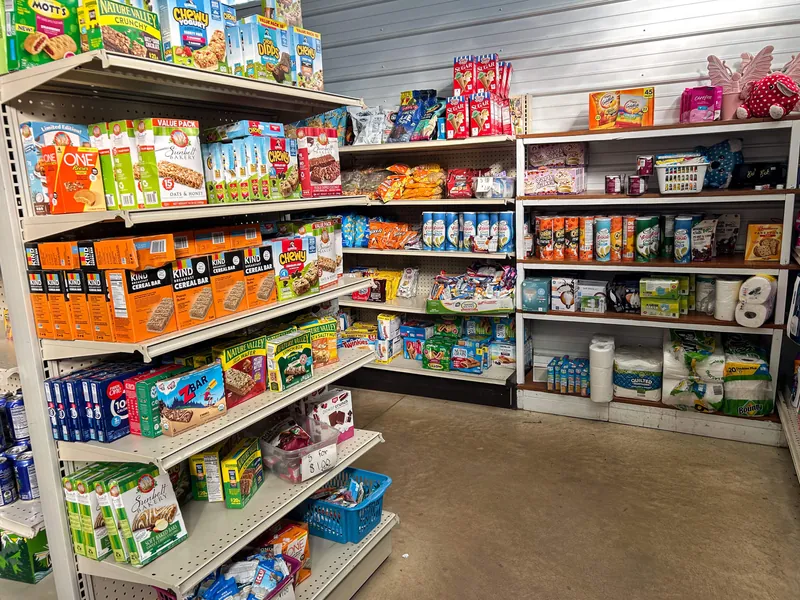
Discount ranges vary, but shoppers can typically expect to save 30 to 70 percent off normal retail prices. Canned goods, boxed dry goods, snacks, cereals, condiments, and beverages are the most common categories. Some stores carry a surprising amount of name-brand product, things you'd normally pay full price for at a regular supermarket. It's not unusual to find a box of a well-known brand of crackers for a dollar and change, or a case of sparkling water for what you'd normally pay for two cans.
Salvage Grocery Stores by the Numbers: Industry Data and Trends
3,183 businesses. That's a real number, and it's bigger than most people expect when they first hear it. Salvage and discount grocery stores aren't a fringe thing anymore. They're spread across urban centers, suburban strips, and rural towns, serving a genuinely wide range of shoppers.
Houston leads the country with 83 listings, which makes sense given the city's size and its culture of bargain-hunting across a sprawling, car-dependent metro area. Brooklyn comes in second at 61 listings, and if you've spent time in Brooklyn, you know that dense urban neighborhoods create natural demand for any store that keeps food costs down. Philadelphia has 46 listings, Los Angeles has 41. What's interesting is that both dense cities and spread-out metros appear near the top. These aren't just a rural small-town phenomenon, and they're not just a city thing either.
Average customer rating across all listed businesses is 4.3 stars. That's actually pretty good. For context, a lot of well-known retail chains struggle to break 3.8 on public review platforms. Shoppers at salvage stores, it seems, go in with the right expectations and come out satisfied. As a rule, the value proposition lands.
Some individual stores are performing exceptionally well. Salvage Saviors in Katy, Texas holds a 5.0-star rating across 718 reviews, which is a remarkable number of reviews for that kind of store. Re_ Grocery in both Studio City and Los Angeles, California each have perfect five-star ratings with 224 and 191 reviews respectively, and they represent a newer, more curated take on the discount grocery concept that's gaining traction in higher-cost urban markets.
| Business Name | Location | Rating | Reviews |
|---|---|---|---|
| Salvage Saviors | Katy, Texas | 5.0 ★ | 718 |
| Re_ Grocery | Studio City, California | 5.0 ★ | 224 |
| Re_ Grocery | Los Angeles, California | 5.0 ★ | 191 |
For most shoppers, the growth in this sector isn't random. Two big forces are pushing it: grocery inflation has been brutal for middle- and lower-income households over the past few years, and awareness of food waste has gone from a niche environmental concern to something a lot of ordinary shoppers actually think about. Salvage grocery shopping sits at the intersection of both. You save money AND you're technically keeping food out of landfills. That's a compelling combination.
What to Expect When Shopping at a Salvage Grocery Store
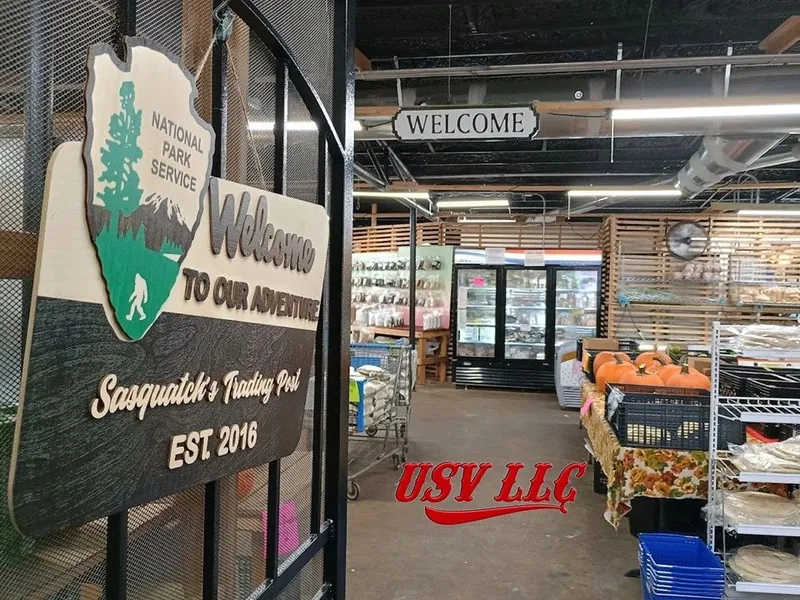
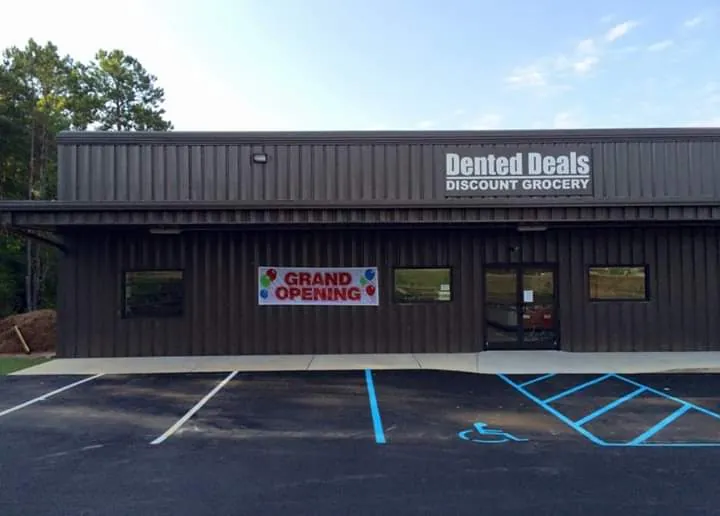
Walking into one for the first time can feel a little disorienting. These aren't polished stores. Most are no-frills in a real way, not just in a marketing-copy way. Floors might be concrete. Shelving might be mismatched. Products are often grouped by category but not always. Some stores are brightly lit and well-organized; others feel more like an overstocked warehouse. Parking lots at these places tend to be unusually busy, which is its own kind of reassurance.
Bring your own bags. Seriously, almost every salvage or bent-n-dent store you visit will either not have bags, charge for them, or have only flimsy ones. It's a small thing but it matters when you're carrying out a case of canned tomatoes.
Check unit prices, not just sticker prices. A big jug of something might look cheap, but if you're comparing it to a smaller package of the same item, the per-unit cost tells you which one is actually the better deal. Some stores put unit prices on shelf tags; many don't. Bring your phone and do the math yourself.
Inspect everything before it goes in your cart. Dented cans are generally fine, but there's a specific kind of dent you want to avoid: a dent on a seam or one that's deep enough to compromise the seal. Bulging cans, always skip those. Torn packaging on dry goods is usually okay as long as there's no sign of moisture or infestation. Bottles with cracked lids or broken seals should stay on the shelf.
Go early in the week if the store restocks on weekends. Don't go with a rigid shopping list; you'll just be disappointed. Instead, think in categories: "I need protein sources, some canned vegetables, and snacks," and see what's available that fits. Buy more than you need when you find something you like, because it probably won't be there next time.
Visit often. Regulars at salvage grocery stores develop a kind of casual scouting habit, stopping in every week or two to see what's new. That frequency is what unlocks the real savings over time.
The Benefits and Limitations of Shopping at Discount Grocery Stores
Let's be honest about both sides of this.
On the benefits side: the savings are real and they add up fast. A household spending $800 a month on groceries could realistically cut that by 30 to 40 percent if they're strategic about supplementing their regular shopping with salvage store runs. That's $240 to $320 back in the budget every month. For large families especially, that's not nothing. Large families, small restaurant operators buying dry goods and canned ingredients in bulk, food bloggers hunting for interesting products to try, people on tight fixed incomes, all of these groups get a lot out of discount food stores.
Beyond the financial argument: food waste is a massive problem, and salvage grocery stores are one of the more elegant solutions to it. A pallet of granola bars that gets sold at discount instead of dumped in a landfill is a genuinely good outcome for everyone. Some shoppers care about this deeply; others just care about the price. Both are valid reasons to shop here.
But the limitations are real too, and glossing over them would be doing you a disservice.
Meal planning is genuinely hard when you don't know what's going to be available. If you're cooking for dietary restrictions or following a specific recipe-based meal plan, salvage shopping requires a lot of flexibility that not everyone has. Fresh produce is rare at these stores, and refrigerated items are hit or miss, many salvage stores don't carry much in the way of fresh or cold goods at all, so you're not replacing your regular grocery trip entirely. You're supplementing it.
Store quality varies enormously. A well-run salvage grocery store with good sourcing relationships and clean, organized shelves is a great experience. A poorly run one with questionable sourcing and chaotic, hard-to-check inventory can be frustrating or even a little sketchy. Reading reviews before you go is genuinely useful, and with an average rating of 4.3 stars across 3,183 listed businesses, there are clearly a lot of good ones out there, but not all stores are equal.
How to Find a Salvage Grocery Store Near You
Finding a good salvage store used to mean knowing someone who knew someone. Word of mouth was basically the only way. That's changed a lot. Online directories now list thousands of these stores with reviews, addresses, and hours, so the process of figuring out where to find discounted groceries in your area is much more straightforward than it used to be.
Search terms matter when you're looking online. People call these stores different things in different regions. In the Midwest and South, "bent-n-dent store" is common. In the Northeast, "scratch and dent grocery" or "discount food store" gets used a lot. Some areas just call them "salvage stores" or "damaged goods grocery." If one search term isn't turning up results near you, try another. Most same kind of store goes by a surprising number of names.
When you find a store, check the reviews before going. Look specifically for comments about cleanliness, how products are labeled, and whether dates are clearly visible. A store that's sloppy about labeling is a store that's sloppy about sourcing. You want a place where staff can tell you when a load came in and what condition it was in.
Some salvage grocery stores also have social media accounts, particularly Facebook pages, where they post photos of new inventory as it arrives. Following a few local stores on social is actually a surprisingly effective way to know when to make a trip. Kind of a weird use of Facebook in 2024, but it works.
Salvage Saviors in Katy, Texas with its 718 reviews is a good example of what a store with real community trust looks like. Re_ Grocery in Los Angeles represents a newer model, more polished and urban, aimed at eco-conscious shoppers who also want to save money on groceries. Both approaches work. Your best local option might look like either one of them.
Try searching for "groceries on a budget near me," "discount food store," or "salvage grocery store" plus your city name. If you're in a smaller town, try the nearest large city. Many of these stores draw customers from a wide radius because the savings justify the drive.
I'd pick a store with a strong review count over one with a perfect rating but only a handful of reviews. Volume of reviews is a better signal of consistency than a perfect score with twenty opinions behind it.
At the end of the day, salvage grocery shopping rewards curiosity and flexibility. Go in open to surprises, get good at reading dates and packaging, and visit often enough to catch good inventory when it comes in. Do that, and you'll probably wonder why you didn't start doing it sooner.
Frequently Asked Questions
Is food from salvage grocery stores safe to eat?
Generally yes. Most products at salvage stores are shelf-stable goods with cosmetic packaging damage or dates approaching their "best by" window. "Best by" dates are quality indicators, not safety cutoffs. Inspect packaging before buying: avoid bulging cans, broken seals, or signs of moisture on dry goods. When in doubt, skip it.
How much can I actually save at a discount grocery store?
Most shoppers save between 30 and 70 percent compared to normal retail prices, depending on the product and the store. Dry goods and canned items tend to offer the biggest discounts. Name-brand snacks and cereals are often dramatically cheaper than at a regular supermarket.
What kinds of products are most common at salvage grocery stores?
Canned goods, boxed dry goods, cereals, crackers, condiments, beverages, and packaged snacks are the most common. Fresh produce and refrigerated items are rare. Some stores carry frozen goods, but that depends on the individual shop's setup.
How often do these stores get new inventory?
It varies by store. Some get new loads daily; others restock weekly. Checking a store's social media or asking staff directly is the best way to know. Visiting frequently, especially early in the week, tends to give you access to the freshest inventory.
Are salvage grocery stores the same as Grocery Outlet?
Not exactly. Grocery Outlet is a chain that operates on a similar discount model but with more consistency, better-funded infrastructure, and a more polished store experience. Independent salvage and bent-n-dent stores are typically smaller, more unpredictable in inventory, and often offer deeper discounts on specific products.
Where can I find a salvage grocery store near me?
Online business directories are the most reliable way. Search using terms like "salvage grocery store," "bent-n-dent store," "scratch and dent grocery," or "discount food store near me." Our directory lists over 3,183 businesses across the country with ratings and locations.
Find a Salvage Grocery Store Near You
Browse our directory of 3,183+ discount and salvage grocery businesses