The Future of Salvage Grocery Stores: Trends and Predictions
Introduction
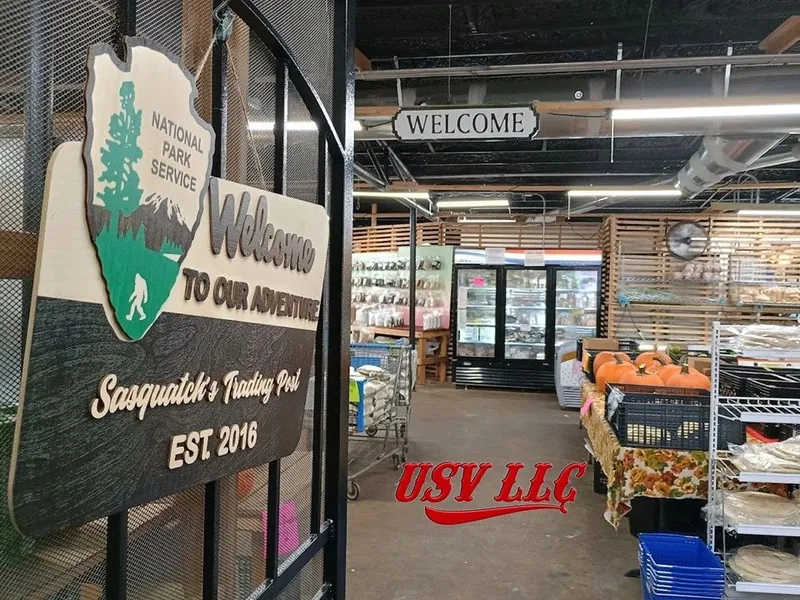
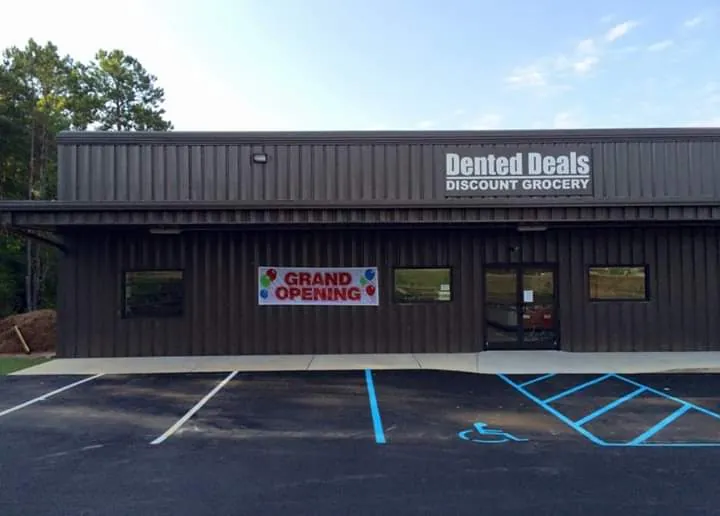
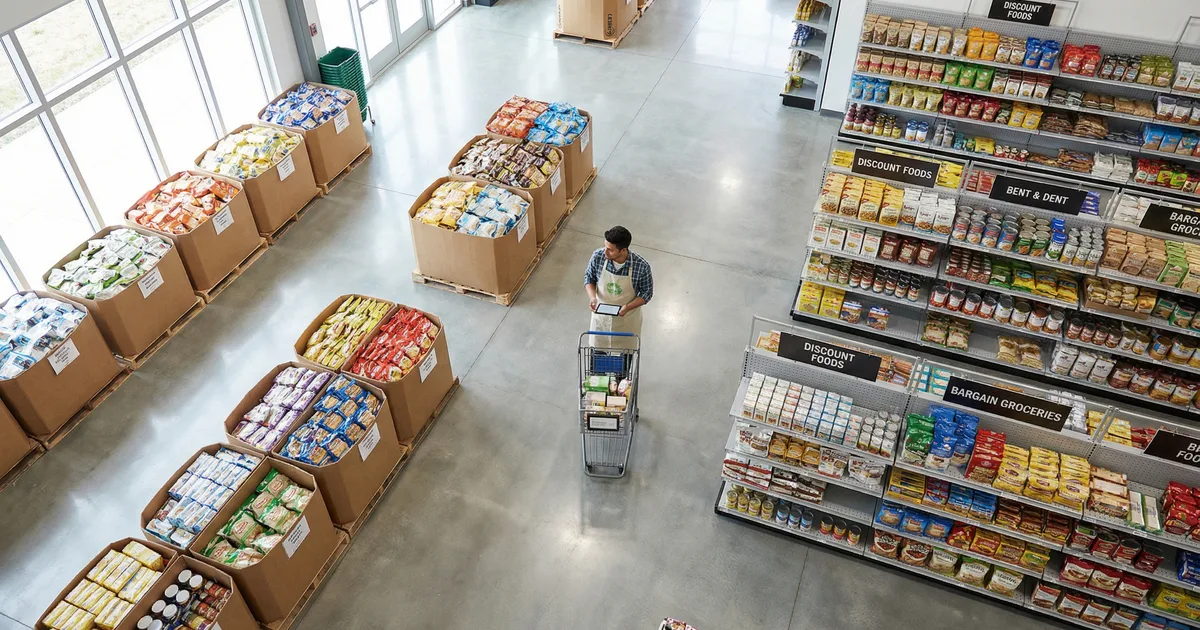
Picture this: you're walking into what looks like a regular grocery store. But the prices are slashed, and there's a quirky mix of brands you might not find elsewhere. Welcome to the world of salvage grocery stores, also known as bent-n-dent stores, discount grocery stores, or even scratch and dent grocery outlets. These stores are becoming increasingly popular for budget-conscious shoppers and sustainability enthusiasts alike.
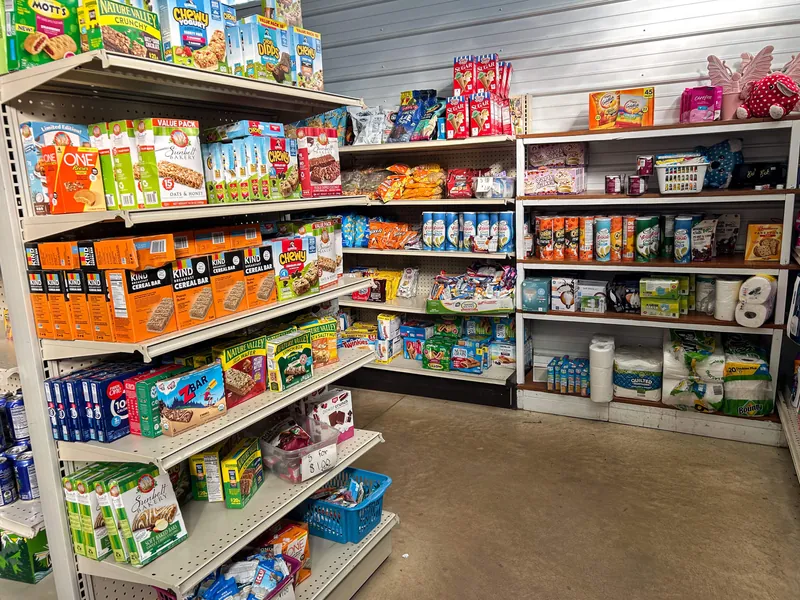
Salvage grocery stores focus on selling products that are perfectly good to eat but might have minor packaging issues or are close to their sell-by date. It's like a treasure hunt with a sustainable twist. The question is, why are these stores popping up everywhere, and what can we expect from them in the future? Let's get into the trends and predictions for this unconventional yet intriguing part of the grocery industry.
Current Situation in Salvage Grocery Stores
Right now, the market for salvage grocery stores is buzzing. There are a whopping 3183 businesses spread across major cities. Places like Houston, Brooklyn, Philadelphia, and Los Angeles are at the forefront, hosting dozens of these budget-friendly outlets.
These numbers tell a compelling story. An average customer rating of 4.3 stars suggests that people are happy with their shopping experiences. And it's no surprise. Cities like Houston have 83 listings, making it a hub for finding discounted groceries.
Next time you're in Houston, check out Salvage Saviors in Katy, Texas. It's got a stellar 5.0-star rating with 718 reviews.
Emerging Trends in Salvage Grocery Stores
There's no denying it: people are more interested in sustainable shopping than ever. This is where salvage grocery stores step in, offering a unique blend of savings and environmental responsibility. The rise of online platforms has made it even easier to shop for damaged goods groceries without leaving your couch.
Interestingly, these stores are broadening their range. It's not just about dented cans and slightly bruised fruits anymore. They’re bringing in organic and gourmet products, catering to a wider audience and smashing the stereotype that these are just cheap grocery outlets.
However, while there's growth, there's also a shift in how consumers perceive these stores. They aren't just the last stop for expired products. They're becoming a first choice for many who want to make their dollar stretch further while reducing waste.
Tech Innovations and Their Impact
Tech is reshaping every corner of retail, and salvage grocery stores aren't being left behind. Mobile apps and online ordering systems are becoming the norm. It's not about convenience alone; it's about survival. Because guess what? These stores are in direct competition with bigger grocery chains.
Using data analytics (yes, that's a bit fancy for these stores, but true!) helps in managing inventory. It ensures that the pricing stays competitive and the shelves aren't cluttered with items nobody wants. Digital marketing, too, plays a role. A strong online presence can draw in crowds from areas where they might not have a physical store.
And here's a fun fact: some stores are even exploring partnerships with delivery services to bring groceries on a budget straight to your door. Talk about changing the game.
Challenges: What Keeps Salvage Grocery Stores on Their Toes
For every solution tech brings, there are challenges to match. Regulatory and compliance issues are real headaches. Food safety laws can be stringent, and for a store dealing with near-expired goods, the stakes are high.
Then there's competition. Traditional stores are expanding their discount sections. It's becoming a crowded market. In practice, the logistics of handling a supply chain where goods might not be in pristine condition is no easy task either.
Supply chain dynamics are another hurdle. Picture this: a shipment of cereal boxes arrives with water damage. How do you decide what's sellable? It's a constant juggle to maintain quality while offering those cut-rate prices.
Future Predictions: What's Next?
Salvage grocery stores are poised for growth. Expect to see more of these popping up in both urban and rural areas. Typically, the partnerships with major brands could elevate their status, perhaps even changing consumer perceptions about what a discount food store represents.
Interestingly, as more people prioritize sustainability, these stores could become trendsetters in ethical shopping. Imagine a world where grabbing a bent can isn't just about saving money, it's a badge of honor for reducing waste.
And let's be honest, consumer acceptance is evolving. Once a niche market, these stores are finding their place in mainstream retail, nudging traditional stores to rethink their waste strategies.
Real Data: Business Stats and Customer Insights
Let's talk numbers. Houston tops the chart with 83 listings. Brooklyn follows with 61, Philadelphia with 46, and Los Angeles with 41. These cities are carving out a niche for salvage grocery stores, with businesses rated as high as 5 stars in some places.
| City | Number of Listings |
|---|---|
| Houston | 83 |
| Brooklyn | 61 |
| Philadelphia | 46 |
| Los Angeles | 41 |
Here are a few top-rated stores worth checking out:
- Salvage Saviors, Katy, Texas, 5.0 stars (718 reviews)
- House of Milner Jewelers, Philadelphia, Pennsylvania, 5.0 stars (531 reviews)
- Re_ Grocery, Studio City, California, 5.0 stars (224 reviews)
FAQ
What are salvage grocery stores?
Salvage grocery stores sell products that might be overstocked, close to their expiration date, or have damaged packaging.
How do salvage grocery stores ensure food safety?
They adhere to strict food safety regulations, often discarding items that are unfit for consumption.
Why are prices at salvage grocery stores significantly lower?
Products are sourced at a discount due to overstock, packaging issues, or proximity to sell-by dates, allowing stores to sell them cheaper.
Are there any ethical considerations when shopping at salvage grocery stores?
Yes, supporting these stores can reduce food waste and promote sustainable shopping habits.
Conclusion
Salvage grocery stores are on the rise, driven by a blend of budget-conscious shoppers and sustainability-minded consumers. As they continue to grow and innovate, they'll likely play a more significant role in the retail grocery industry. If you're looking for a sustainable and cost-effective shopping option, these stores are worth exploring. Skip the hype, it's time to see what all the fuss is about.
https://pub-9a4dedcce6dc4846a9c4647f79a2e5fc.r2.dev/salvage-grocery-stores/blog/the-future-of-salvage-grocery-stores-trends-and-predictions/hero-1771910145.webp Family exploring fresh produce in Salvage Grocery Stores environment https://pub-9a4dedcce6dc4846a9c4647f79a2e5fc.r2.dev/salvage-grocery-stores/blog/the-future-of-salvage-grocery-stores-trends-and-predictions/inline-1771910167.webp Customer selecting items in Salvage Grocery Stores aisle