Turns Out Bargain Grocery Runs Are Quietly Good for Your Brain
What You're Actually Walking Into
Picture this: someone tells a friend they did their weekly grocery run at a salvage grocery store, and the friend wrinkles their nose a little. "Is that stuff even safe?" There's a quiet assumption that these places are a last resort, something people only visit when money is really tight. But that framing misses almost everything interesting about what actually happens inside one of these stores.
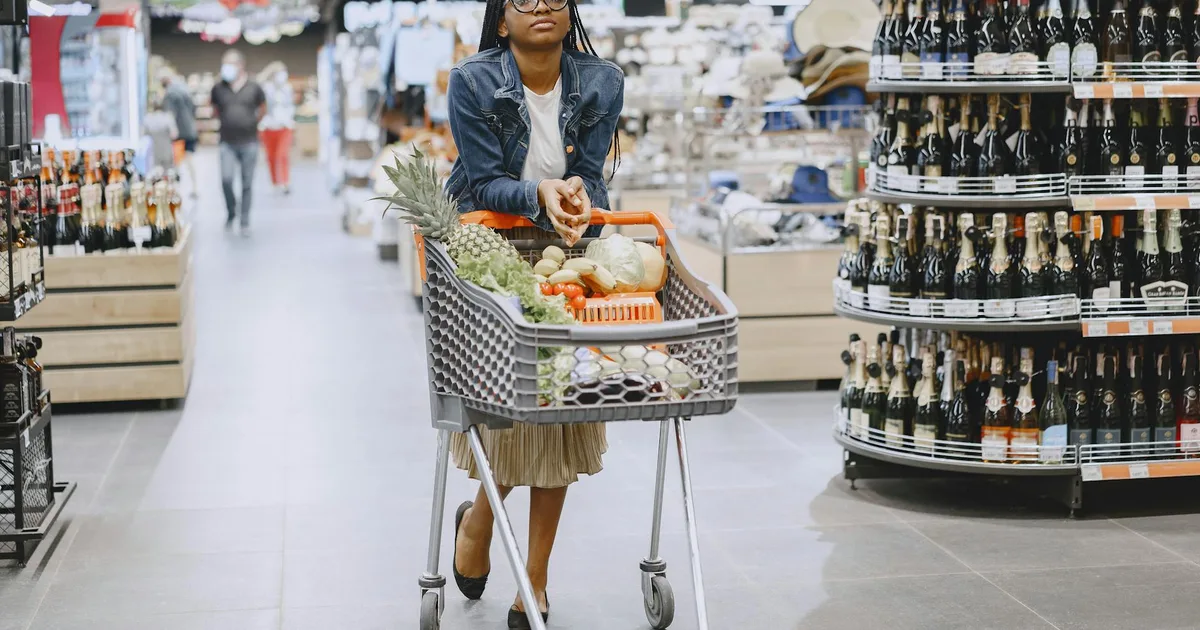
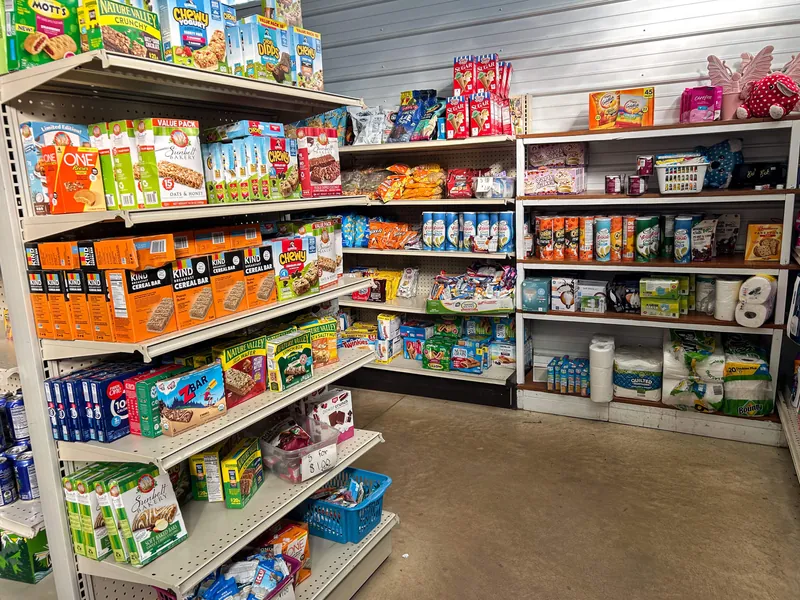
Salvage grocery stores sell food and household products that have been discontinued, overproduced, slightly damaged in packaging, or are close to their best-by dates. The goods are perfectly fine to eat. They're just not moving through regular retail channels anymore, so they land here, usually at 30% to 70% below standard grocery prices. Canned goods with dented labels, name-brand cereals in a mismatched box, a pallet of sparkling water that a big-box retailer couldn't sell fast enough. That's the inventory.
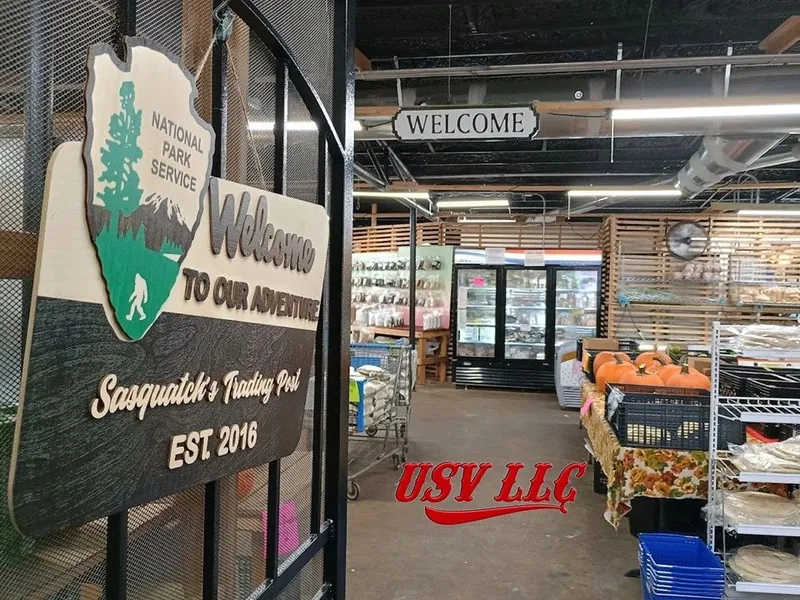
Walking into one for the first time can feel a little disorienting. Shelves aren't always organized the way a conventional grocery store would be. Products change week to week, sometimes day to day. And yes, the pricing stickers can look chaotic. Honestly, that's part of what makes the experience work on a psychological level, but we'll get to that.
These stores differ from discount grocers like Aldi or Lidl, which have stable, curated inventories. They also aren't food banks. Salvage grocery stores are retail businesses. You pay, you browse, you leave with bags. The difference is that almost nothing you find there will be on the shelf next week.
The Stress Connection Most People Don't Think About
Financial stress is one of the most persistent sources of anxiety for American households. It doesn't go away between grocery runs. It compounds. Every time someone stands in a regular grocery aisle doing mental math, that's a small but real cognitive and emotional tax being paid.
Salvage grocery stores change that math in a concrete way. Spending $40 on what would have cost $90 elsewhere isn't just a financial win. It creates something that researchers who study financial wellbeing call "breathing room." A sense that the budget isn't stretched to its absolute limit. That feeling, even when it's modest, reduces low-grade background anxiety.
And here's something worth paying attention to: the unpredictability of the inventory, which sounds like a drawback, actually functions as a mild form of stress relief for many regular customers. Because you cannot plan a rigid list and expect to stick to it exactly, you stop trying to control every detail of the trip. You browse. You improvise. That mental shift, from control-mode to curiosity-mode, is surprisingly relaxing.
Try going in with a loose idea of what you need rather than a strict list. You'll leave with things you didn't expect, and that small surprise tends to feel genuinely good.
Why the Hunt Itself Has Real Psychological Value
There's a reason people who shop regularly at salvage grocery stores describe it with words like "treasure hunting." That's not just charming language. It reflects something real about how the brain responds to variable reward environments.
Variable rewards, meaning situations where you don't always get the same outcome, activate dopamine pathways more reliably than predictable ones. Finding a name-brand pasta sauce for 79 cents on a random Tuesday is a tiny win, but the brain registers it as a win nonetheless. Over time, regular customers report that these stores become something they look forward to rather than a chore they endure.
Compare that to a standard grocery trip. Same layout. Same products. Same prices within a few cents. Efficient, yes. Mentally stimulating, not particularly.
Salvage grocery stores, because of their rotating inventory, offer a kind of low-stakes novelty that conventional retail just doesn't deliver. One week you might find Icelandic yogurt. In practice, the next, it's gone, replaced by six varieties of hot sauce from a brand you've never heard of. With over 3,190 verified listings in directories covering these stores, there are clearly enough of them operating across the country that this isn't a niche experience anymore.
A practical note: go more than once before you judge a location. First visits can feel overwhelming. Second and third visits, you start reading the store, knowing where the marked-down produce usually sits or which corner tends to hold the good pantry staples.
Community, Routine, and the Smaller Benefits That Add Up
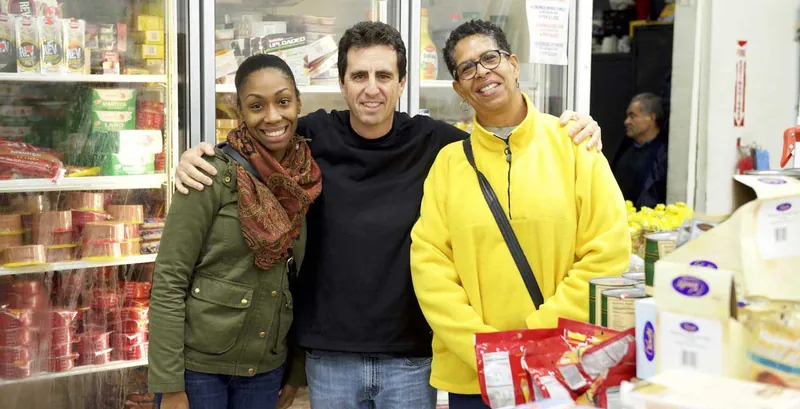
Regular customers at salvage grocery stores often describe a sense of community that feels different from a standard supermarket. Staff tend to know return customers. People in line will tell you what they found in the back. There's a shared experience of being in on something most shoppers don't know about.
That social texture matters. Casual, low-stakes interactions with familiar faces in a familiar place are a documented contributor to everyday wellbeing. Not therapy. Not life-changing. Just the small human contact that makes a routine feel worthwhile.
Routine itself has mental health value. Having a regular errand that you actually enjoy, even slightly, is different from having one you tolerate. Swapping a dreaded grocery run for one that feels more like browsing a market than checking off a corporate checklist is a genuine quality-of-life improvement.
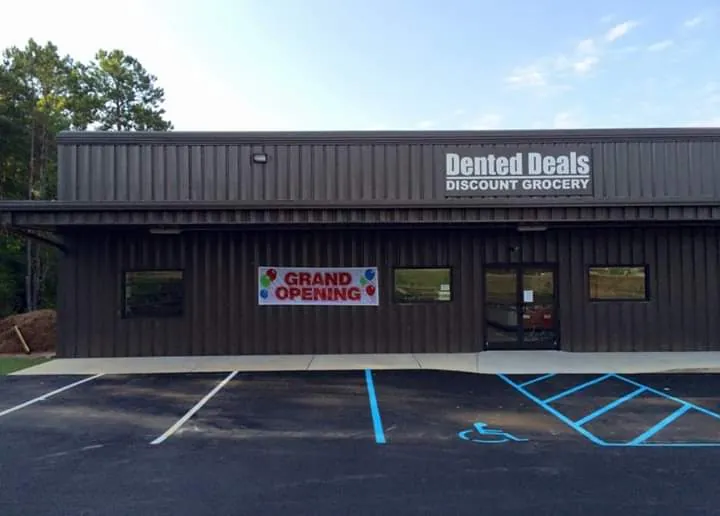
One more thing that doesn't get mentioned enough: the parking lots at these stores are almost never the nightmare they are at big-box grocery stores. Smaller footprint, less traffic. That alone removes a small but real friction from the experience. It sounds trivial. It isn't, after the fourteenth time you've circled a Kroger lot.
Going once a week, or even twice a month, to a salvage grocery store works better than treating it as an occasional emergency backup. Typically, the psychological benefits come from regularity, from building a relationship with the store's rhythms and learning how to read what's worth grabbing. Treat it like a habit, not a fallback.
Frequently Asked Questions
- Is the food at salvage grocery stores safe to eat? Yes. Products are inspected and must meet food safety standards. Best-by dates are guidelines for quality, not safety, in most product categories.
- Will I be able to find everything I need? Probably not in one trip. These stores work best as a supplement to your regular grocery routine, not a complete replacement, at least at first.
- Are prices always that much lower? Typically yes, often 40% to 70% below retail on comparable items
More Ways to Save