What Exactly Is a Salvage Grocery Store? A Complete Beginner's Breakdown
Picture this: someone walks past a storefront with hand-painted signs advertising canned goods for fifty cents and name-brand cereal for a dollar. They assume it must be some kind of liquidation scam, or maybe a pop-up that will be gone by Thursday. So they keep walking. What they just passed was a legitimate salvage grocery store, and they probably could have saved thirty or forty dollars on their weekly grocery run. That misunderstanding happens constantly, and it costs shoppers real money.
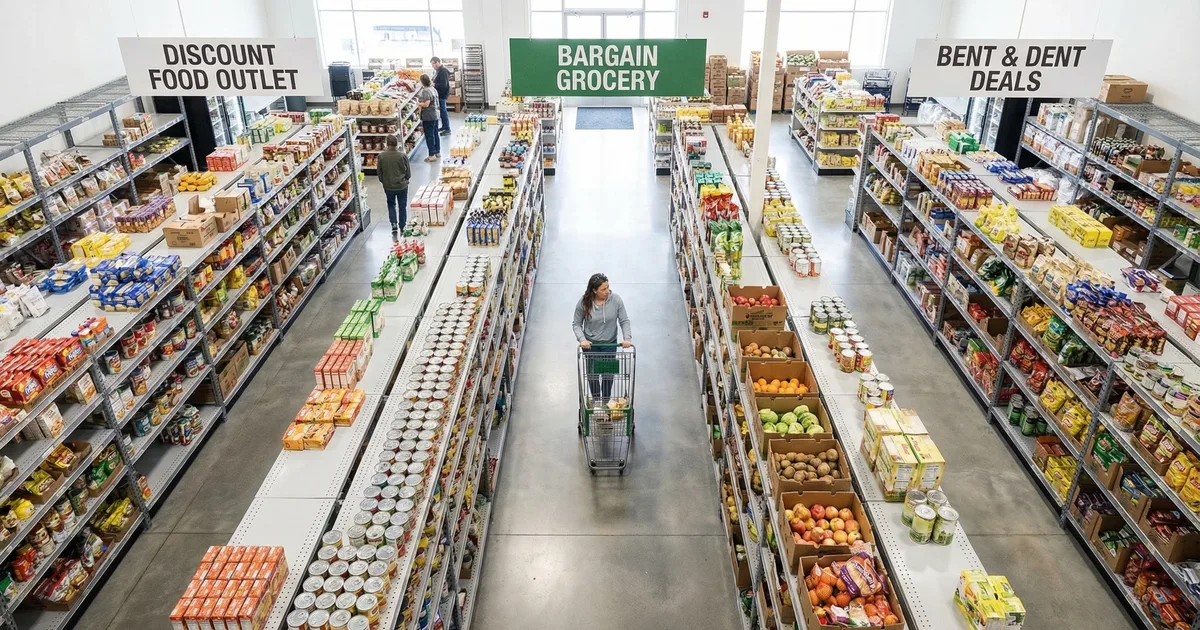
Salvage grocery stores have been around for decades, but they are finally getting the attention they deserve as more families look hard at their monthly food budgets. These places go by a lot of different names depending on where you live. You might see them called bent-n-dent stores, scratch and dent grocery shops, discount food stores, or damaged goods grocery outlets. Some people just call them grocery outlets or food salvage stores. All of those names point to roughly the same idea: a store that sells food products at dramatically reduced prices because something about the standard retail process didn't go exactly as planned. This guide breaks down exactly what that means, what you'll find on the shelves, whether it's safe, and how to shop smart once you get through the door.
1. How the Business Model Actually Works
Salvage grocery stores get their inventory from places that mainstream supermarkets do not want to deal with. Manufacturers overproduce a product and end up with more stock than retailers ordered. A product line gets discontinued. A shipment of soup cans gets bumped around in transit and arrives with dents and scuffed labels. A grocery chain clears out items approaching their best-by dates to make room for fresher stock. All of that merchandise has to go somewhere, and salvage grocers are the people who buy it.
Because they are buying surplus, rejected, or near-date inventory at a steep discount from wholesalers and manufacturers, these stores can turn around and sell it to shoppers for far less than a standard supermarket ever could. Savings in the range of 30 to 70 percent below normal retail prices are genuinely common. That is not a marketing exaggeration. A box of crackers that costs four dollars at your regular grocery store might be a dollar twenty-five on a salvage shelf, and the crackers inside are identical.
Now, this is where the model differs pretty sharply from a chain like Aldi or Lidl. Those are discount grocery chains, yes, but they operate on a consistent inventory model. You know more or less what will be on the shelf next week because they stock the same items on a regular cycle. Salvage grocery stores do not work that way. Their stock is unpredictable by nature, because it depends entirely on what surplus or damaged goods happen to be available at any given time. One week you might find a pallet of name-brand pasta sauce. Next week, gone. That variability is part of the deal, and honestly, a lot of regular shoppers find it kind of exciting.
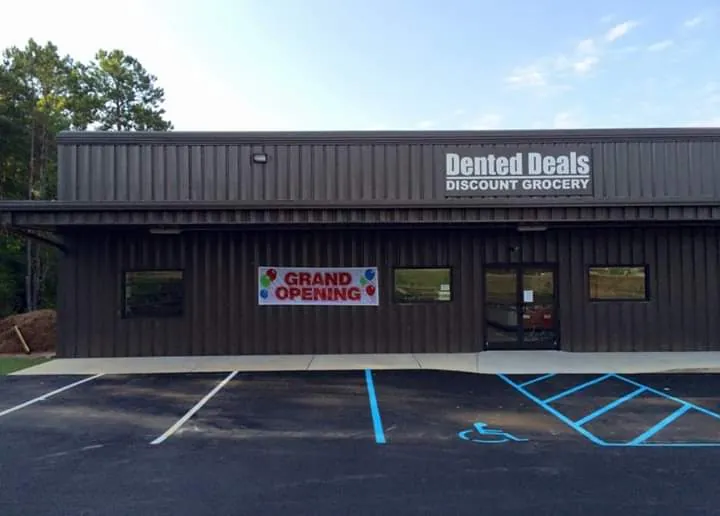
Small, independently owned salvage stores are the norm, though some regional chains have grown up around the model too. They tend to look different from a polished chain supermarket. Fluorescent lighting, mismatched shelving, prices written on masking tape. Do not let that put you off.
2. What You Will Actually Find on the Shelves
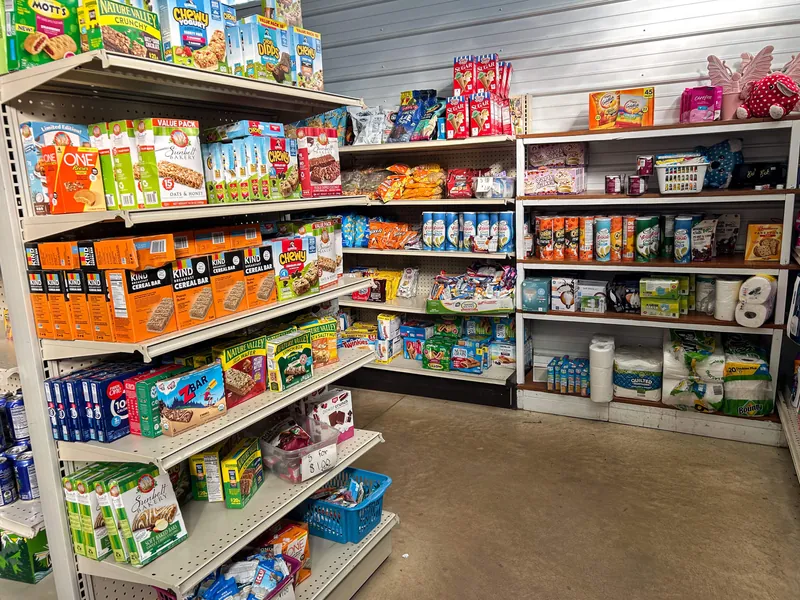
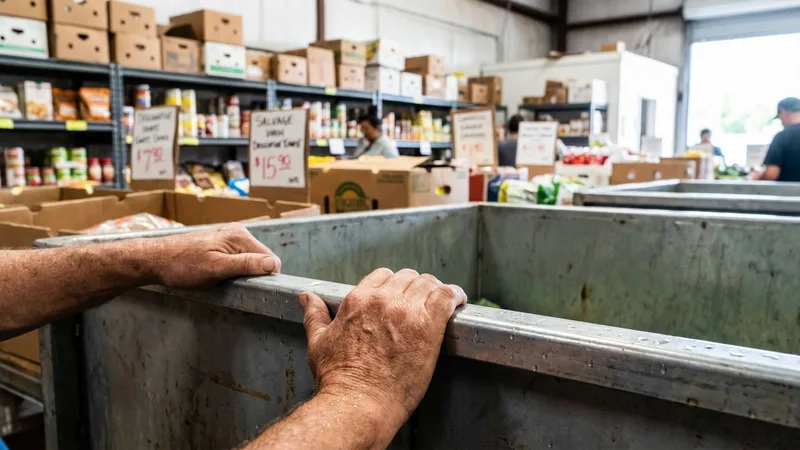
Walking into one of these stores for the first time, most people head straight for the canned goods aisle, and for good reason. Canned foods are the backbone of most salvage grocery inventories. Vegetables, soups, beans, tomatoes, fruit, and protein staples like tuna and chicken show up constantly. Dry pantry goods are right there with them: pasta, rice, oatmeal, flour, sugar, and cereals. Snacks and beverages are another strong category, and it's not unusual to find name-brand chips, crackers, cookies, juice, soda, and coffee at prices that feel almost wrong.
Condiments and sauces are consistently available at most discount food stores. Salad dressings, hot sauces, barbecue sauces, ketchup, mustard, specialty marinades. Frozen foods show up at stores that have the equipment for it, though not every location does. Health and beauty products, cleaning supplies, and household goods sometimes make an appearance too, especially when a non-food retailer's overstock ends up in the same supply chain.
Here is what "bent," "dented," and "scratch" actually mean in practice. A dented can means the can got bumped somewhere in shipping or storage. A scratch means the label got scraped or torn. A bent box means the cardboard got crushed on one corner. In the overwhelming majority of cases, none of that has any effect whatsoever on the food inside. The product is exactly the same as what you'd find at full price somewhere else.
And then there is the inventory variability factor. Shopping at a salvage grocery store is genuinely different from a standard grocery run. Going in with a rigid shopping list is the fastest way to leave frustrated. Going in with a general idea of what you need and an open mind is how you leave with a cart full of stuff at half the price you expected. Flexibility is the whole game here.
Instead of writing down "Hunt's diced tomatoes," write down "diced tomatoes." Instead of "Quaker oatmeal," write "oatmeal." Brand flexibility at a scratch and dent grocery store is worth real dollars every single visit.
3. Are These Stores Safe? The Truth About Dates and Damaged Packaging
This is the question that holds a lot of new shoppers back. Fair enough. Let's get into the actual details rather than just say "yes, it's fine" and move on.
Most of the date labels you see on food packaging are not safety dates. "Best by" and "best if used by" are quality dates, meaning the manufacturer believes the product is at peak flavor or texture until that point. After that date, the food does not suddenly become dangerous. It might be slightly less crisp, or the color might be a little off, but in most cases it is still perfectly safe to eat. According to USDA guidance, most shelf-stable foods like canned goods, dry pasta, crackers, and cereals remain safe well beyond printed dates as long as the packaging is intact. "Use by" dates are more closely tied to safety and are worth paying more attention to, especially for things like dairy or deli products. But the majority of what you'll find in a salvage grocery store falls into the "best by" category, and that distinction matters a lot.
Dented cans are the other big concern people bring up. A shallow dent on the side of a can? That is cosmetic. It does not affect the seal, and the food inside is fine. A deep dent along the seam of a can, especially a top or bottom seam, is a different story. That kind of damage can compromise the seal and create a risk of bacterial contamination, including botulism. Reputable salvage grocery stores know this and pull deeply damaged cans before they hit the shelf. But shoppers should still give cans a quick look before buying, the same way you'd check any product at any store.
Torn labels, crushed boxes, off-brand or unfamiliar products, slightly older dates on shelf-stable items. None of these are reasons to panic. They are reasons to be a reasonably attentive shopper, which you should be anywhere you buy food.
Before adding a can to your cart, run your thumb along the top and bottom seams. If the metal feels smooth and the seam is intact, you're good. Skip any can where the seam itself is dented or where the can bulges on either end, those are actual warning signs.
4. By the Numbers: How Big This Industry Really Is
People sometimes assume salvage grocery shopping is a niche thing. A fringe option for extreme couponers and off-grid preppers. The actual numbers tell a different story.
Our directory currently lists 3,192 salvage grocery businesses across the United States. That is not a small, scrappy segment of retail. That is a legitimate industry with real geographic spread, serving real communities. And those businesses are rated well: the average customer rating across all listed stores sits at 4.3 stars. That kind of consistent satisfaction across thousands of locations is not an accident.
Houston leads the country with 83 listings, which makes sense given both the city's size and the strong value-oriented shopping culture in Texas. Brooklyn comes in at 61 listings, Philadelphia at 46, and Los Angeles at 41. Those four cities alone account for over 230 directory listings, which reflects where urban demand for discounted groceries is highest. Big cities, tight budgets, high cost of living, of course these stores concentrate there.
Some of the top-rated individual businesses in the directory are worth knowing about. Salvage Saviors in Katy, Texas holds a perfect 5.0 rating across 718 reviews. That is a lot of reviews for a grocery-adjacent business, and maintaining a 5.0 across that many is genuinely hard to do. Re_ Grocery appears twice in the top tier, once in Studio City, California (5.0 stars, 224 reviews) and once in Los Angeles (5.0 stars, 191 reviews), suggesting they've built something people are really loyal to.
| Business Name | Location | Rating | Reviews |
|---|---|---|---|
| Salvage Saviors | Katy, Texas | 5.0 ★ | 718 |
| House of Milner Jewelers | Philadelphia, Pennsylvania | 5.0 ★ | 531 |
| Hegwood's Towing LLC | Brandon, Mississippi | 5.0 ★ | 277 |
| Re_ Grocery | Studio City, California | 5.0 ★ | 224 |
| Re_ Grocery | Los Angeles, California | 5.0 ★ | 191 |
One odd thing you might notice in that list: House of Milner Jewelers and Hegwood's Towing LLC showing up in a salvage grocery directory. That is a directory classification quirk more than anything else, and it's a good reminder to always check what a specific listing actually sells before making a trip. Most of the 3,192 listings are genuine food-focused salvage and discount grocery operations, but directories are not perfect.
5. Tips for Shopping at a Salvage Grocery Store for the First Time
Go in with cash or check if possible. Some smaller salvage stores are cash-only or prefer it, and you do not want to stand at a register with a cart full of deals and find out the hard way. Call ahead if you are not sure.
Visit early in the week if you can. Restocking often happens over the weekend, and Monday or Tuesday visits tend to give you the best selection before other shoppers have picked through the good stuff. Friday afternoon at a busy salvage store sometimes looks like the day after a holiday sale.
Buy in quantity when you find something you love. This is the single most important habit to build at a scratch and dent grocery store. If you find a pasta sauce your family likes at seventy cents a jar, buy ten jars. It will not be there next time. That is just how the model works. Stocking up on non-perishables when you find them at a great price is how regular salvage shoppers save the most money over time, easily hundreds of dollars a year for a family that does it consistently.
Check the dates, but do not obsess over them. Give shelf-stable items a look, note the date, and use your judgment. A can of black beans that's four months past its "best by" date is almost certainly fine. A refrigerated item one day past its "use by" is a different calculation. Apply the same common sense you would anywhere else.
Finally, and this one really does matter: go in without a plan at least once. Just walk the store without a list and see what is there. First-time shoppers who do this tend to have a much better experience than those who walk in looking for a specific six-item list and leave disappointed when three of those items are not in stock. Groceries on a budget require a little flexibility. Once you build a feel for what your local store tends to carry, you can plan more precisely around that.
Searching "discounted grocery store near me" or "where to find discounted groceries" in a directory or map app is the fastest way to find your closest option. Our directory has 3,192 listings across the country, and you can filter by city or zip code to find what's close to you.
6. Who Actually Shops at These Stores?
Everybody, increasingly. That is the honest answer.
There used to be a perception that discount food stores were only for people who were really struggling financially. That perception has shifted a lot in the last several years. You will find college students loading up on ramen and canned soup, yes, but you will also find families with two incomes who just got tired of watching their grocery bill climb every month. You'll find retirees on fixed incomes. You'll find people who care about food waste and like the idea of buying products that would otherwise get thrown away. You'll find foodies who stumble on specialty imported items they've never seen anywhere else at a fraction of what a specialty grocery would charge.
The 4.3-star average rating across 3,192 listed businesses is partly a reflection of that broadening customer base. People who feel like they discovered something are the most likely to leave a glowing review. And a lot of first-time visitors to salvage grocery stores genuinely feel that way.
Shopping at a damaged goods grocery is not a compromise. Done right, it is a strategy.
7. How to Find a Good Salvage Grocery Store in Your Area
Start with a directory search. Our listing covers 3,192 businesses, and filtering by city or region will show you what's operating near you. Pay attention to review counts and ratings when you're comparing options. A store with 400 reviews at 4.5 stars has earned that rating through a lot of actual customer visits, and that tells you more than a store with 8 reviews at 5.0 stars.
Local Facebook groups and community forums are surprisingly good for this too. Searches for "groceries on a budget" in local community groups often surface recommendations for salvage stores that haven't been widely listed or reviewed online yet. Word of mouth in tight-knit communities tends to spread fast around places that save people money.
Once you find a store you like, ask the staff when new shipments typically come in. Most salvage grocery store employees are happy to tell you, and knowing that Wednesday morning is when new stock hits the floor can completely change how useful the store is to you. That one conversation is worth more than any shopping tip you'll read in an article.
Salvage grocery shopping is not complicated. It just takes a little adjustment if you are used to the predictability of a standard supermarket. In practice, the prices are real, the food is safe, and there are over three thousand stores across the country ready to prove it.
Frequently Asked Questions
Is food from a salvage grocery store actually safe to eat?
Yes, in the vast majority of cases. Most products sold at salvage grocery stores are safe to eat. Shelf-stable items like canned goods, dry pasta, crackers, and cereals remain safe well past their printed "best by" dates according to USDA guidelines. Typically, the key distinction is between cosmetic damage (dented sides, torn labels, crushed boxes) and actual seal damage. A can with a deeply dented seam or visible bulging should be skipped. Everything else is generally fine. Use the same judgment you would at any grocery store.
What is the difference between "best by," "sell by," and "use by" dates?
"Best by" and "best if used by" are quality indicators, not safety cutoffs. They tell you when the manufacturer thinks the product is at its best, not when it becomes dangerous. "Sell by" is a retailer inventory management date, not a consumer safety date. "Use by" is the closest thing to an actual safety date and is most important for perishable items like dairy, meat, and refrigerated products. Most of what you find in a discount food store falls into the "best by" category, and those products are typically safe for weeks or months past the printed date.
How much can I really save at a salvage grocery store?
Savings of 30 to 70 percent below standard retail prices are common. As a rule, the exact amount depends on what's in stock on a given day and what your regular grocery store charges in your area. Families who shop salvage stores regularly and stock up on non-perishables when they find good deals often report saving hundreds of dollars a year. For most shoppers, the savings are real, but they require some flexibility in what brands and products you buy.
How do I find a salvage grocery store near me?
Our directory lists 3,192 salvage grocery businesses across the United States. You can search by city or zip code to find options near you. Searching "discounted grocery store near me" or "scratch and dent grocery" in a map app can also surface local options. Local community Facebook groups are another good resource for finding smaller stores that may not have a large online presence yet.
Will the same products be available every time I visit?
No, and that is by design. Salvage grocery stores carry rotating, unpredictable inventory that changes based on what surplus or damaged goods are available from suppliers. This is the biggest difference between a salvage store and a standard discount grocery chain. Products you find one week may be completely gone the next. Regular shoppers adapt by shopping with flexible lists