Your Nose Knows More Than the Expiration Date
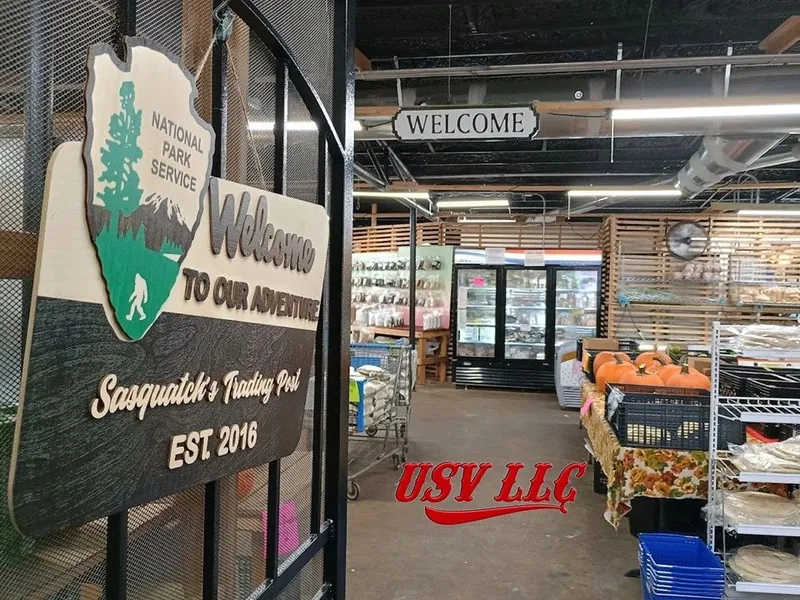
Most people walk into a salvage grocery store expecting chaos and walk out confused. That's actually pretty normal for a first visit. These places don't look like a regular supermarket, and they're not supposed to.

Salvage grocery stores sell food and household products that have been pulled from the normal retail chain for reasons that have nothing to do with safety. Overstocked warehouses, discontinued labels, dented cans, short-coded items, insurance claims from shipping mishaps. The product is often perfectly fine. The price reflects the situation, not the quality.
And yet, a lot of people treat the low price as a red flag instead of an explanation. That instinct isn't entirely wrong. It just needs some calibration.
What You're Actually Walking Into
Salvage grocery stores are not discount supermarkets. That distinction matters more than it sounds. A discount supermarket still sources products through conventional supply chains, just at lower margins. A salvage store buys surplus, closeout, and sometimes damaged goods in bulk, often from brokers who aggregate loads from multiple sources. In practice, the inventory changes constantly, sometimes weekly, sometimes daily.
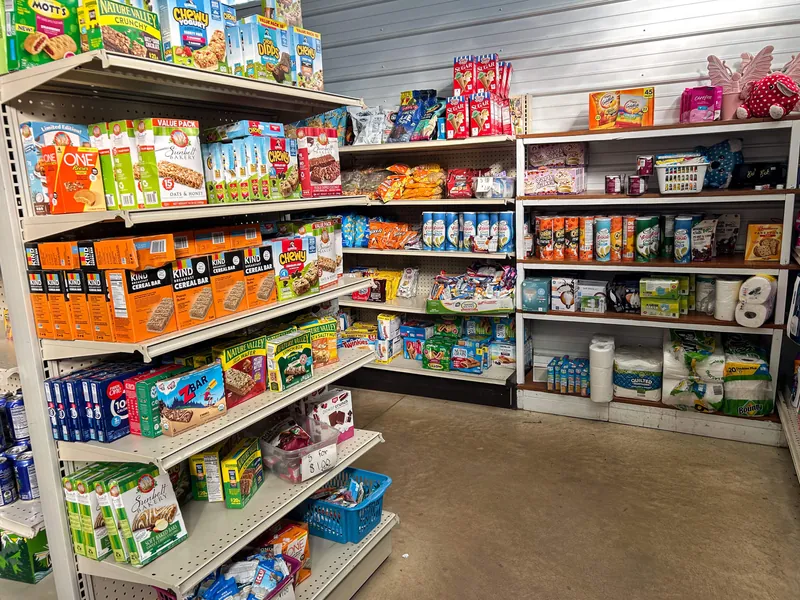
Walking in for the first time, you might notice the shelves look a little random. A case of name-brand pasta next to off-brand dish soap next to a stack of holiday-themed crackers in March. That's not disorganization. That's just how the inventory works. You can't plan a tight shelf layout when you don't know what's coming in next Tuesday.
Prices at salvage grocery stores are usually 30 to 70 percent lower than regular retail. Some items go even lower. A can of soup that retails for $2.49 might be fifty cents here. A box of cereal that's been discontinued, not recalled, just discontinued, might be a quarter. Those numbers are real, not cherry-picked.
Good to know: a lot of salvage stores also carry non-food items. Cleaning supplies, paper goods, personal care products. These often represent some of the best value in the store because they don't expire the same way food does.
The Difference Between Expired and Unsafe
Here's where most first-timers get tripped up.
"Best by" dates, "sell by" dates, and "use by" dates are not federally regulated for most food products in the United States. They're manufacturer estimates for peak quality, not safety cutoffs. A box of crackers that's two months past its best-by date is almost certainly still fine. A can of beans that's been properly sealed and stored for three years past its date is, in most cases, still safe to eat.
This doesn't mean everything in a salvage grocery store is safe without question. It means you need to use actual judgment instead of just reading a date and stopping there. That's what your senses are for.
Smell the product if you can. Look at the packaging carefully. Cans that are bulging, leaking, or deeply dented at the seam are a no. Not a maybe. A no. A small ding on the side of a can is cosmetic. A dent along the rim or the seam affects the seal. Those two things are not the same, and knowing the difference will serve you well in these stores.
For dry goods, look for signs of moisture damage or pest activity. A bag of rice with small holes or powdery residue at the bottom isn't a deal. Leave it. For packaged baked goods or snacks, give the bag a gentle squeeze. If it's stale, you'll feel it. Trust that.
How to Actually Shop These Places Well
Go in without a strict list. Salvage grocery stores reward flexibility. If you walk in needing exactly one brand of one item, you'll probably leave disappointed. If you walk in open to finding three months' worth of a pantry staple at a fraction of the cost, you'll leave happy.
Bring a tote or a sturdy reusable bag. A lot of these stores don't have great bagging setups, and sometimes the boxes products come in are already a little beat up. You don't want a case of canned tomatoes shifting around in a flimsy plastic bag.
Check the sell-by date and then do the math. If something is short-coded, meaning it expires in two or three weeks, only buy it if you know you'll use it. Buying four jars of pasta sauce at forty cents each only makes sense if you're actually going to eat pasta sauce four times before they turn. Otherwise you've spent $1.60 on something that goes in the trash, and that's not a win.
Our directory includes 3,190+ verified listings across the country, with an average rating of 4.3 stars, which suggests that most people who find a good salvage grocery store near them end up genuinely satisfied with the experience. Typically, the trick is knowing what to expect before you walk in.
How These Stores Differ From Similar Options
People sometimes confuse salvage grocery stores with dollar stores, discount clubs, or food banks. They're different in meaningful ways.
Dollar stores carry a curated, stable inventory of budget products. What you see this week will probably be there next week. Salvage stores do not work that way. As a rule, the inventory is unpredictable by design.
Discount clubs like warehouse stores sell in bulk at reduced margins. You're paying less per unit but more per transaction, and the products are new, standard retail stock. Salvage stores often sell individual units of things that would only come in bulk elsewhere, and the per-unit price is lower still.
Food banks and food pantries are charitable services for people facing food insecurity. Salvage grocery stores are retail businesses. They charge money. Some customers mix these up, and it's worth being clear about the distinction.
One more thing worth saying directly: salvage grocery stores are not a last resort. Plenty of people shop them strategically as their primary pantry source, not because they have to but because they've figured out that the savings are real and the quality, when you know what to look for, is completely acceptable. I'd pick a well-run salvage store over a mid-tier conventional grocery for pantry staples every time.
Frequently Asked Questions
- Is everything in a salvage grocery store expired? No. Some items are short-coded or past their best-by date, but many are not expired at all. They may be overstocked, discontinued, or cosmetically damaged.
- Are salvage grocery stores safe to buy from?
More Ways to Save